
Anorexia nervosa
Anorexia nervosa is a serious eating disorder affecting both physical and psychological health. Recovery is possible, and medical assessment is important even when you do not feel ill.
In short
Understanding anorexia nervosa
Anorexia nervosa involves restrictive eating and significant fears, beliefs or behaviours around weight and shape. Diagnosis requires professional assessment. Serious restrictive eating can also occur in people who do not meet every diagnostic criterion.
Care may include medical monitoring, psychological treatment and nutritional support. A webpage, general meal plan or app cannot establish safety or replace this care.

Does this sound familiar?
This might sound like your situation
These experiences are reasons to seek support, not a checklist for diagnosing yourself.
- Food rules and fear make meals difficult
- You feel cold, exhausted or weak
- Other people are concerned although you do not feel ill
- Changing eating or exercise patterns feels frightening
SmartEating recommends
What makes the biggest difference?
These describe supportive directions and professional care, not instructions for treating yourself.
Medical assessment comes first
A doctor assesses physical risk and decides which monitoring and level of care are needed. Feeling well does not establish safety.
Nutrition is part of a wider plan
Restoring adequate nutrition is planned with the treatment team, alongside psychological and medical care.
Discuss exercise with your team
Activity may need to change for medical reasons. Decisions should be individual, not based on motivation or an online plan.
Involve supportive people
Family or other trusted people may contribute, with roles agreed as part of treatment and according to age and circumstances.
Information, not treatment
Restrictive eating can cause serious medical complications. Arrange prompt assessment with a doctor; urgent symptoms or rapid deterioration require urgent care. Do not rely on appearance to judge safety.
- Seek urgent care for fainting, chest pain, severe weakness, confusion or other acute symptoms.
- Use your local emergency service for immediate danger to life or safety, including risk of self-harm.
- Children and teenagers can ask a trusted adult or child-health professional for help accessing care.
This page does not provide a diagnosis, calorie targets, weight goals, BMI thresholds or a treatment plan. UK and US sources are labelled; local service availability varies.
Common questions
What people ask us most often.
Is recovery possible?
Yes. People can recover with appropriate support. Treatment and recovery are individual; no webpage can predict a person's timeline or outcome.
Can restrictive eating be serious without looking underweight?
Yes. Serious eating disorders can occur across body sizes. Assessment considers the whole situation, not appearance or a single measurement.
What if I do not feel ill?
That does not rule out medical risk. If restrictive eating, symptoms or concerns from others are present, ask a doctor for assessment rather than waiting for things to feel worse.
What does nutritional treatment involve?
It is individual and coordinated with medical and psychological care. The team discusses adequate nutrition, food-related fear and monitoring. This page does not provide a treatment or refeeding plan.
Is an online meal plan enough?
No. An online plan cannot assess complications or the support required. After prolonged or severe undernutrition, nutritional restoration can need medical monitoring.
When is help urgent?
Fainting, chest pain, severe weakness, confusion, breathing difficulty or immediate risk of self-harm need urgent medical help. Use your local emergency service when there is immediate danger.
Personal nutrition
Support should fit the person, not a label
Physical risk, psychological distress and everyday circumstances need individual assessment. Neither appearance nor a website can determine the care required.
For concerns about eating disorders, our start link opens the dedicated support pathway, not automatic independent meal planning. Clinical availability is checked separately and a contact request does not establish treatment.
- You do not need to diagnose yourself
- A doctor can assess physical safety
- Practical support should fit an agreed care plan
A clinical dietitian may contribute as part of an appropriate care team.
General meal-planning tools do not treat eating disorders or manage refeeding risk. Discuss any practical tool with your treating team before using it in recovery.

Seek local healthcare advice
A doctor can assess physical health and help you find appropriate care.
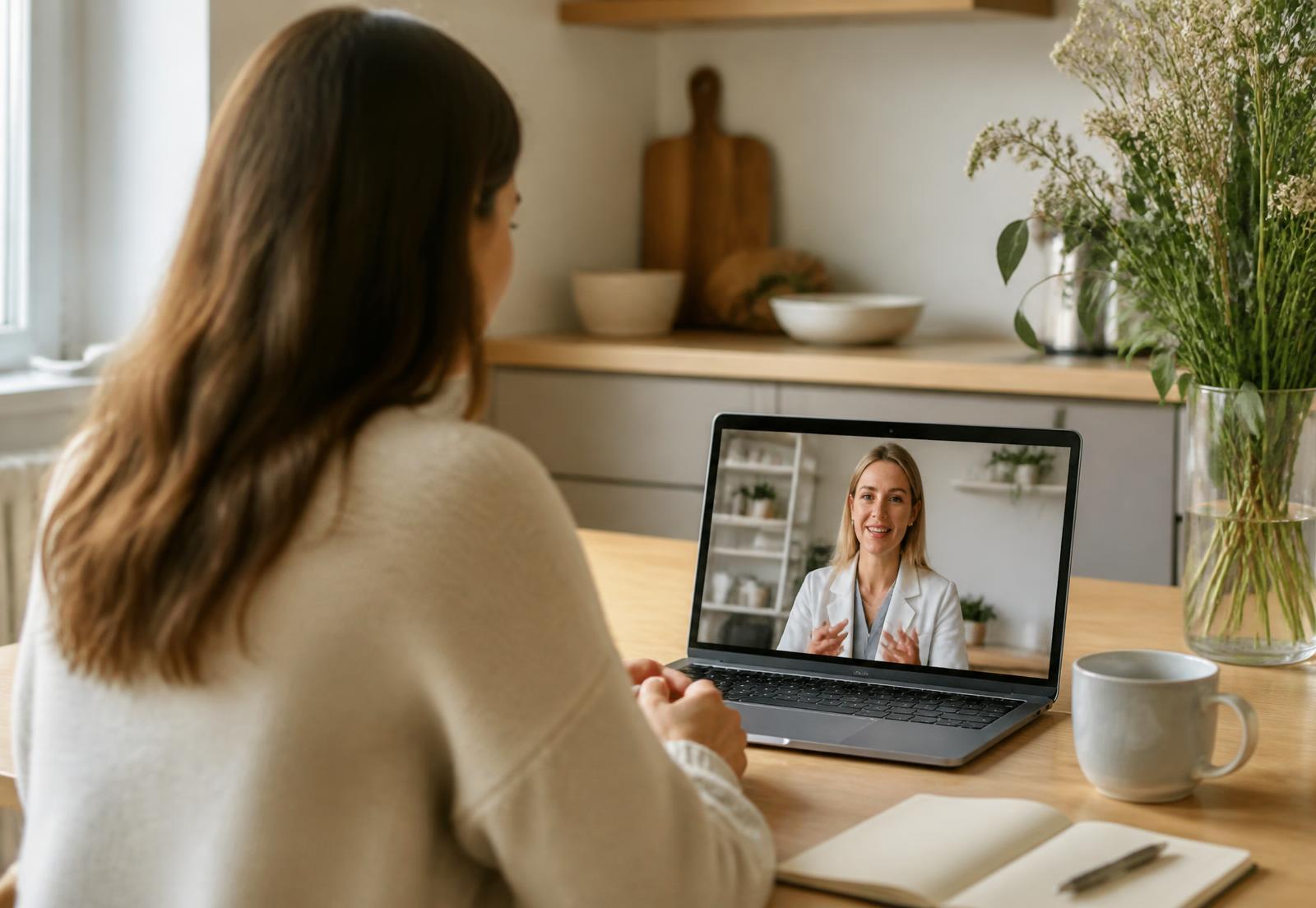
Use the dedicated support pathway
Our website offers information and a country-specific support or contact option, not a self-directed treatment plan.
Clarify appropriate care
Professional qualifications, service availability and any clinical follow-up must be assessed separately.
Ready to get help with anorexia nervosa?
Explore the dedicated support pathway. Clinical availability and appropriate care must be assessed separately.

Related topics