Eating disorders: family and carer support
Supporting someone with an eating disorder can be worrying and exhausting. You can offer connection and practical help without becoming their clinician, and you deserve support too.
In short
Understanding eating disorders: family and carer support
Family members, partners and other trusted people can help someone access care and feel less alone. The right role depends on age, preferences, clinical needs and the treatment plan.
Support is not the same as policing food or judging appearance. A care team can discuss helpful involvement, information sharing and boundaries, with attention to consent and local rules.

Does this sound familiar?
This might sound like your situation
These experiences are reasons to seek support, not a checklist for diagnosing yourself.
- You worry about saying the wrong thing
- Meals have become tense or difficult
- You are unsure how to help someone seek care
- You need support for your own wellbeing
SmartEating recommends
What makes the biggest difference?
These describe supportive directions and professional care, not instructions for treating yourself.
Choose a calm conversation
Express concern about wellbeing and changes you have noticed, without blame or appearance-based judgements.
Ask what support is useful
Offer practical help such as attending an appointment if wanted. Meal support should be guided by the agreed care plan.
Agree boundaries with the team
Discuss your role and how information can be shared. Consent, age and legal context matter.
Seek your own support
Carers can ask for advice and support in their own right. You do not have to manage the situation alone.
Information, not treatment
Eating disorders can affect both physical and psychological health. A local doctor or eating-disorder service can assess your needs and help you access appropriate care.
- Seek urgent care for fainting, chest pain, severe weakness, confusion or other acute symptoms.
- Use your local emergency service for immediate danger to life or safety, including risk of self-harm.
- Children and teenagers can ask a trusted adult or child-health professional for help accessing care.
This page does not provide a diagnosis, calorie targets, weight goals, BMI thresholds or a treatment plan. UK and US sources are labelled; local service availability varies.
Common questions
What people ask us most often.
How do I raise my concern?
Choose a calm time, describe changes and concern for the person's wellbeing, and avoid blame or appearance-based comments. Encourage appropriate help rather than trying to diagnose them yourself.
Should I supervise every meal?
There is no universal rule. Meal support may be part of treatment, particularly for young people, but the role should be discussed with the care team rather than improvised as surveillance.
What if they do not want help?
Stay connected and seek professional advice about your concerns. Physical risk or safeguarding concerns may require action even when conversations are difficult; a clinician can guide the appropriate next step.
Can the clinician share information with me?
Information sharing depends on consent, age, the person's circumstances and local law. Discuss what can be shared and how you can contribute useful concerns without assuming access to private information.
Can I get support myself?
Yes. Carer support, counselling or advice from a relevant service may help. Beat's resources below are UK-based; look for comparable support in your country.
What should I do in immediate danger?
Use local emergency services for immediate danger to life or safety, including severe physical symptoms or imminent self-harm. Do not wait for a routine nutrition appointment.
Personal nutrition
Support should fit the person, not a label
Physical risk, psychological distress and everyday circumstances need individual assessment. Neither appearance nor a website can determine the care required.
For concerns about eating disorders, our start link opens the dedicated support pathway, not automatic independent meal planning. Clinical availability is checked separately and a contact request does not establish treatment.
- You do not need to diagnose yourself
- A doctor can assess physical safety
- Practical support should fit an agreed care plan
A clinical dietitian may contribute as part of an appropriate care team.
General meal-planning tools do not treat eating disorders or manage refeeding risk. Discuss any practical tool with your treating team before using it in recovery.

Seek local healthcare advice
A doctor can assess physical health and help you find appropriate care.
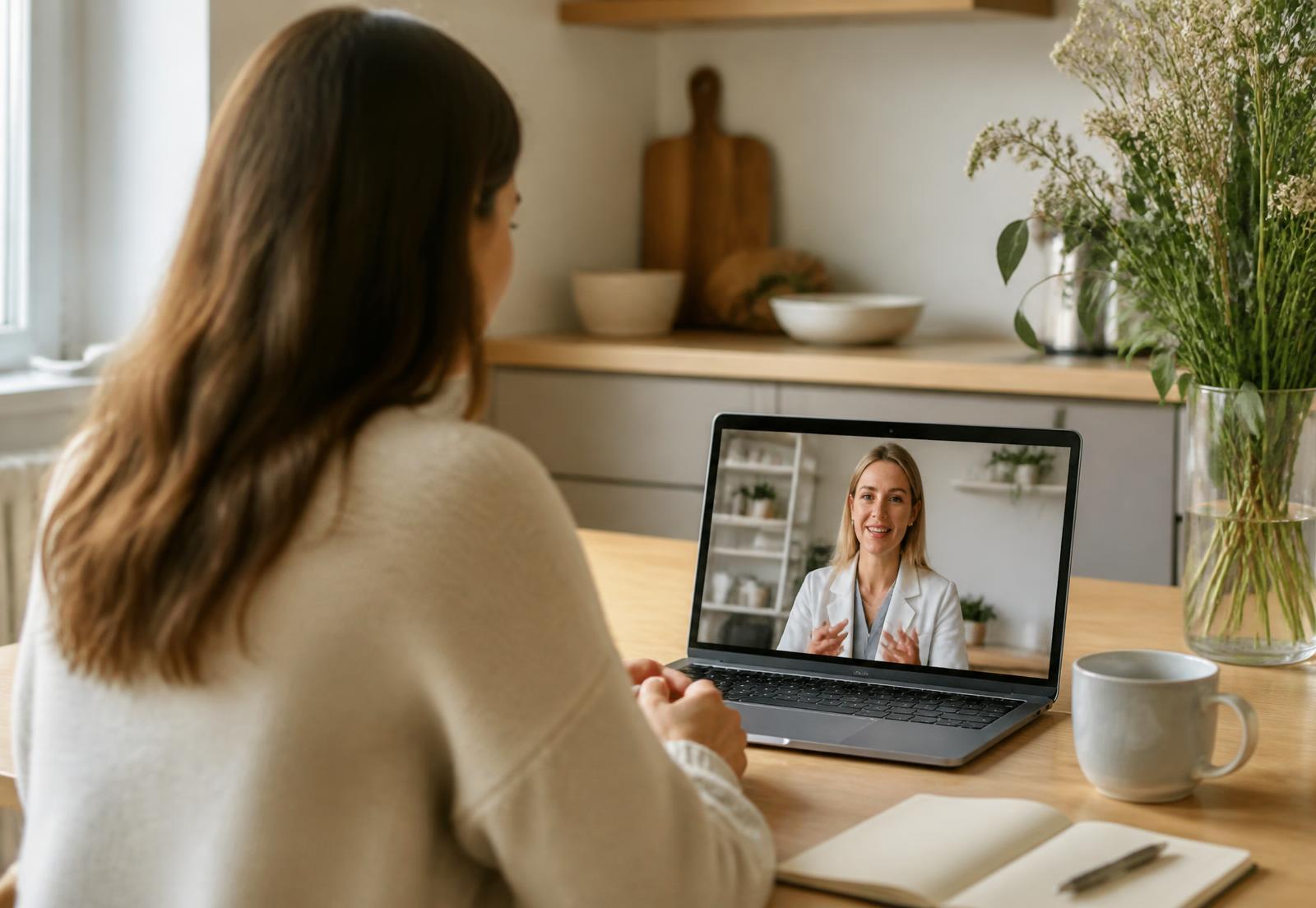
Use the dedicated support pathway
Our website offers information and a country-specific support or contact option, not a self-directed treatment plan.
Clarify appropriate care
Professional qualifications, service availability and any clinical follow-up must be assessed separately.
Ready to get help with eating disorders: family and carer support?
Explore the dedicated support pathway. Clinical availability and appropriate care must be assessed separately.

Related topics