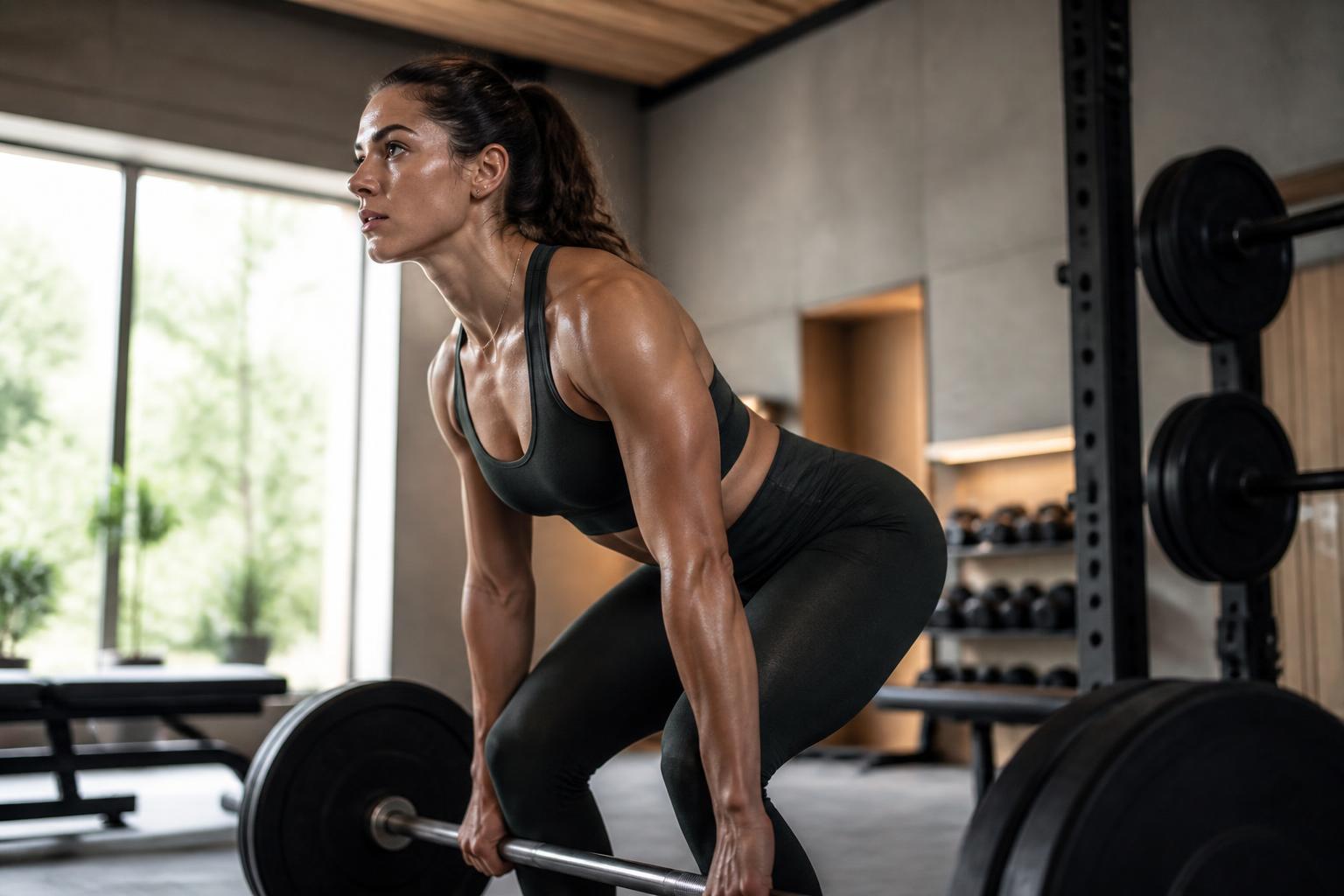
Muscle health
Muscles aren't just important for strength and performance — they play a central role in metabolism, balance and independence throughout life. Good muscle health is built over time, through diet and movement together.
Quality-assured by Eugenie Meijn, Autorisert helsepersonell
What is this?
Muscle health is about preserving, and ideally building, muscle mass and strength throughout life. From around age 30, a gradual, natural decline in muscle mass occurs unless actively counteracted, a process that can accelerate with age and inactivity.
Protein is the nutrient most directly linked to muscle tissue, but muscle health is also influenced by total energy intake, carbohydrates that fuel training, and micronutrients such as vitamin D and magnesium.
Strength training or other load-bearing activity is necessary for the body to have a reason to build and maintain muscle. Diet and training work together — one has little effect without the other.
Why does it matter?
Muscles are used for far more than strength and performance. They influence metabolism, help regulate blood sugar, support the skeleton and joints, and are essential for balance and fall prevention, especially in older adults.
Research suggests that preserved muscle mass and strength are linked to better functional capacity and quality of life in later years, and that both diet and activity play a role in achieving this.
How to put this into practice
Spread your protein intake
Aim for a protein-rich component in every main meal, from sources such as fish, chicken, eggs, dairy or legumes.
Combine with strength training
Load your muscles regularly, ideally 2–3 times a week, to give the body a reason to build and maintain muscle.
Eat enough overall
Ensure adequate energy intake — too large a calorie deficit over time can impair muscle building.
Don't skip carbohydrates
Carbohydrates fuel your training sessions and contribute to better training quality.
Check your vitamin D status
Vitamin D plays a role in muscle function and is worth monitoring, particularly during the darker months in Norway.
Stay active every day
Daily physical activity, like walking and taking the stairs, complements structured training.
What does the research say?
Studies show that the combination of adequate protein intake and strength training is more effective for preserving and building muscle mass than either factor alone.
Research suggests older adults may need somewhat higher protein intake than younger adults to achieve the same muscle-building response, a state sometimes referred to as anabolic resistance.
There is also research pointing to associations between good muscle strength and lower risk of falls and reduced functional capacity in older adults, although the underlying causal relationships are complex.
Common misconceptions
«Only athletes need to think about muscle health.»
Muscle health is relevant to everyone, since muscles influence metabolism, balance and independence throughout life.
«You can build muscle from protein alone, without training.»
Without load-bearing exercise, the body has little reason to build new muscle, no matter how much protein you eat.
«Muscle loss is inevitable and can't be influenced.»
While some muscle loss is natural with age, research shows that diet and training can significantly slow the process.
Who should pay extra attention?
- Rapid or unexplained loss of muscle strength or mass should be assessed by a doctor.
- People with kidney disease should discuss protein intake with a healthcare professional.
- Older adults starting strength training should ideally get guidance to ensure it's done safely.
- Restrictive diets with low protein intake can make it harder to preserve muscle mass.
Frequently asked questions
How much protein do I need to preserve muscle mass?+
Needs vary with age and activity level, but consistent protein intake throughout the day, combined with load-bearing exercise, is key.
Is it too late to build muscle as an older adult?+
No, studies show that older adults can also build muscle strength and mass with the right combination of training and diet.
Is walking enough to maintain muscle health?+
Walking is good for general health, but strength training or other load-bearing activity provides more specific stimulus for muscle building.
Do I need protein powder for good muscle health?+
Not necessarily. Protein needs can usually be met through regular food, but protein powder can be a convenient supplement for some.
Keep reading

Recovery
Good recovery is about giving your body time and nutrition to repair and rebuild after exertion. It's just as important a part of training and everyday life as the activity itself.
6 min read

Physical activity
Physical activity and diet are closely connected. What you eat affects how much energy you have to move, and your activity level affects how your body uses the nutrients you consume.
6 min read
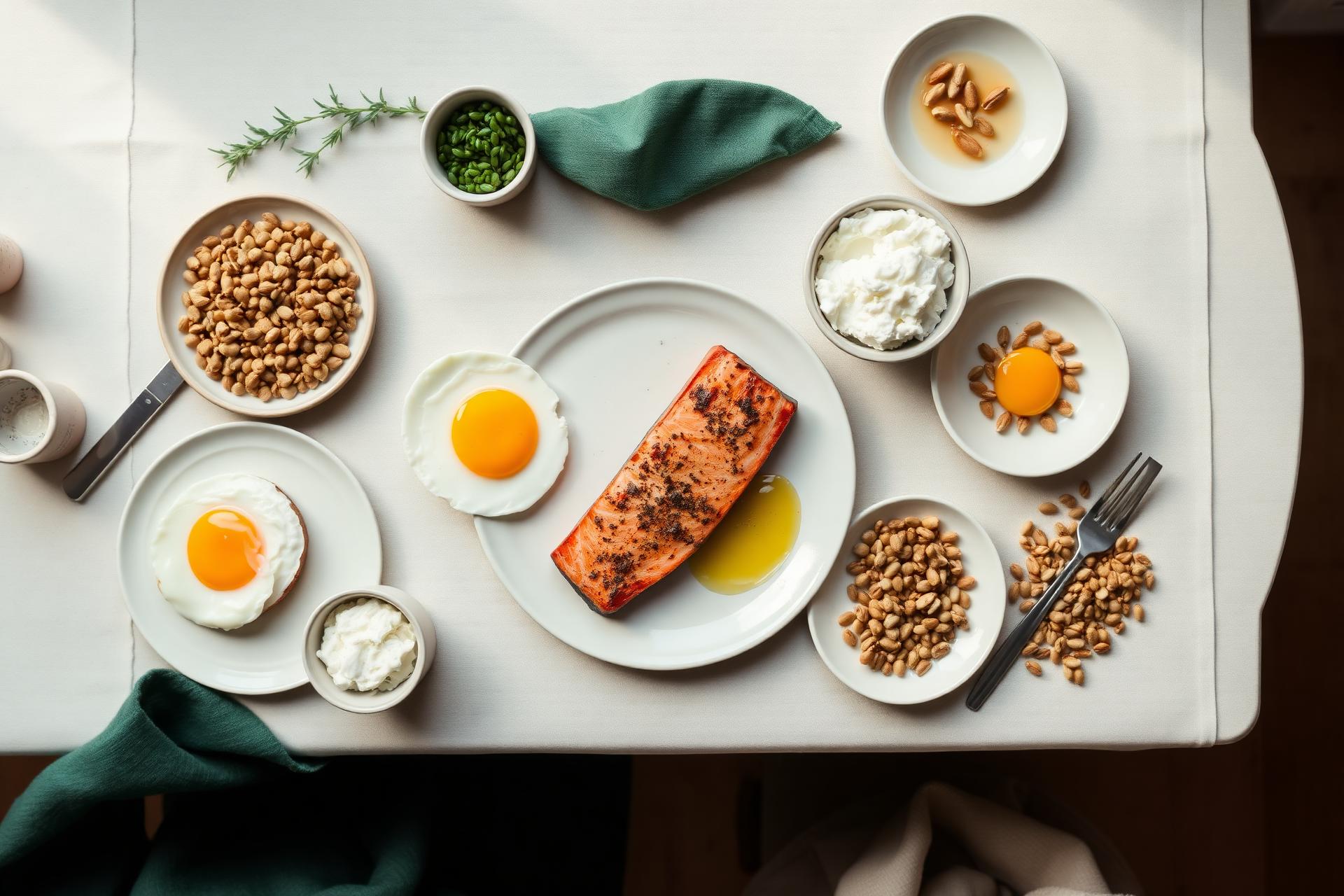
Protein
Protein is the building block of muscles, skin, enzymes and hormones, and one of the nutrients that gives the most satiety. Most people get enough protein through a varied diet, but needs can shift with age, activity level and life stage.
6 min read
No two people are alike.
That is why we do not start with a diet – we start by getting to know you. SmartEating adapts advice and meals to your body, goals and daily life, so healthy choices become easier to live with over time.