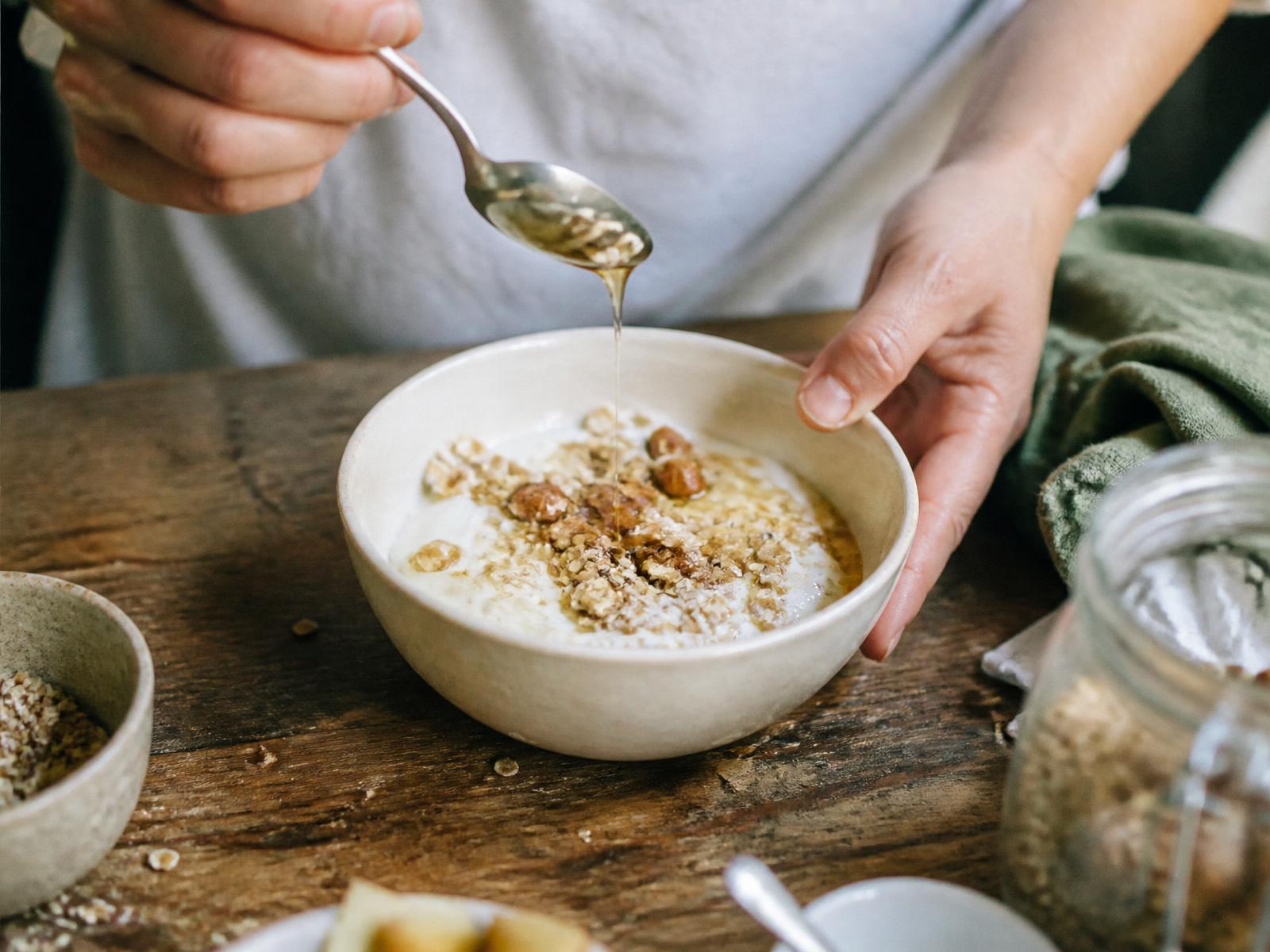
RED-S
Relative Energy Deficiency in Sport (RED-S) affects athletes with too low energy availability over time. We work closely, safely and without shame.
In short
What is RED-S?
RED-S (Relative Energy Deficiency in Sport) occurs when energy intake is too low relative to training load over time.
The consequences affect hormones, bones, mental health, immune function and performance.
The treatment is to increase available energy — not to train more.
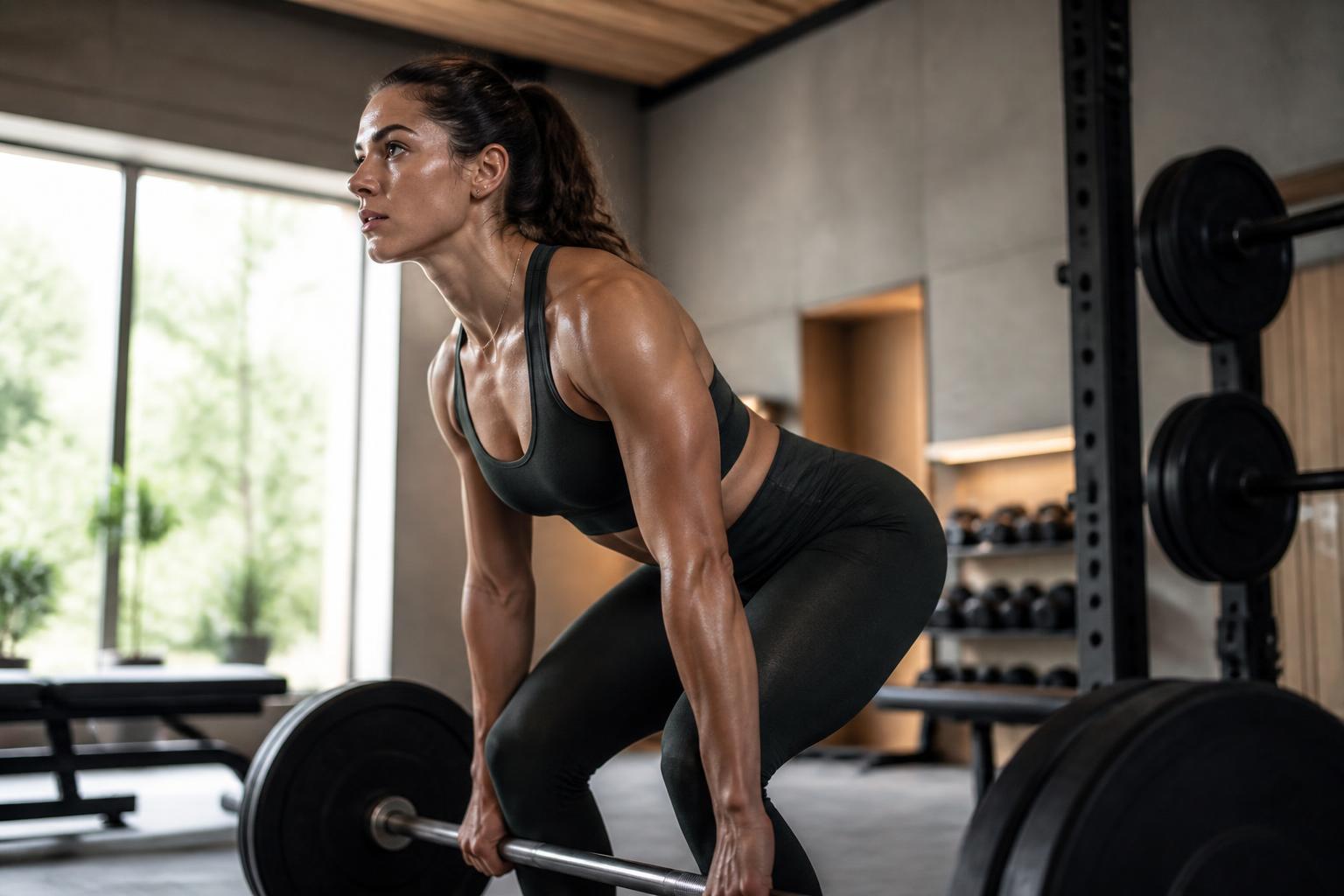
Does this sound familiar?
This might sound like your situation
Missed periods, repeated injuries, constant fatigue, performance decline and plateaus despite heavy training.
- Your period has become irregular or stopped
- You've had repeated overuse injuries
- Performance is dropping even as training increases
- You often feel cold, tired and anxious around food
- You want to get back into balance safely
SmartEating recommends
What makes the biggest difference?
These are the areas that most often reveal or reverse energy deficiency in athletes.
Energy availability
The core issue: intake minus training cost must be enough for body function.
Menstrual function
A missed period is an early, reliable warning sign, not normal training fatigue.
Bone health
Repeated stress fractures often signal long-term low energy intake.
Restrictive eating patterns
Even well-intentioned healthy eating can remove too much energy.
Training load versus fuel
Volume increases without matching intake widen the deficit over time.
When should you contact a doctor?
RED-S requires multidisciplinary follow-up.
- For missed periods for 3+ months
- For repeated stress fractures
- For chronic fatigue
- For low heart rate and low blood pressure
- For suspected eating disorder
We always work together with a sports doctor when RED-S is suspected.
Common questions
What people ask us most often.
Is this just about weight?
No. It's about energy availability — it can happen at any weight.
Personal nutrition
No one with RED-S is exactly the same
Age, everyday life, activity level, other diagnoses and what you actually like to eat determine what works for you.
That's why people with the same starting point need different advice. SmartEating AI learns your situation over time and tailors suggestions to your body, goals and daily life.
- Your period has become irregular or stopped
- You've had repeated overuse injuries
- Performance is dropping even as training increases
- You often feel cold, tired and anxious around food
- You want to get back into balance safely
We rebuild energy availability safely — without fear of weight gain.
SmartEating makes it easier to eat enough when appetite and structure are weak.
A dietitian can lead the process together with your doctor and coach.
READ MORE
The knowledge behind the advice
Protein
Protein is the building block of muscles, skin, enzymes and hormones, and one of the nutrients that gives the most satiety. Most people get enough protein through a varied diet, but needs can shift with age, activity level and life stage.
Carbohydrates
Carbohydrates are the body's main energy source and are found in everything from fruit and vegetables to bread, pasta and sugar. The quality of the carbohydrate source matters far more for health than the amount alone.
Recovery
Good recovery is about giving your body time and nutrition to repair and rebuild after exertion. It's just as important a part of training and everyday life as the activity itself.

Assessment
A digital form before the session so the specialist knows your situation.

Kick-off conversation
60 minutes online or at a partner clinic.
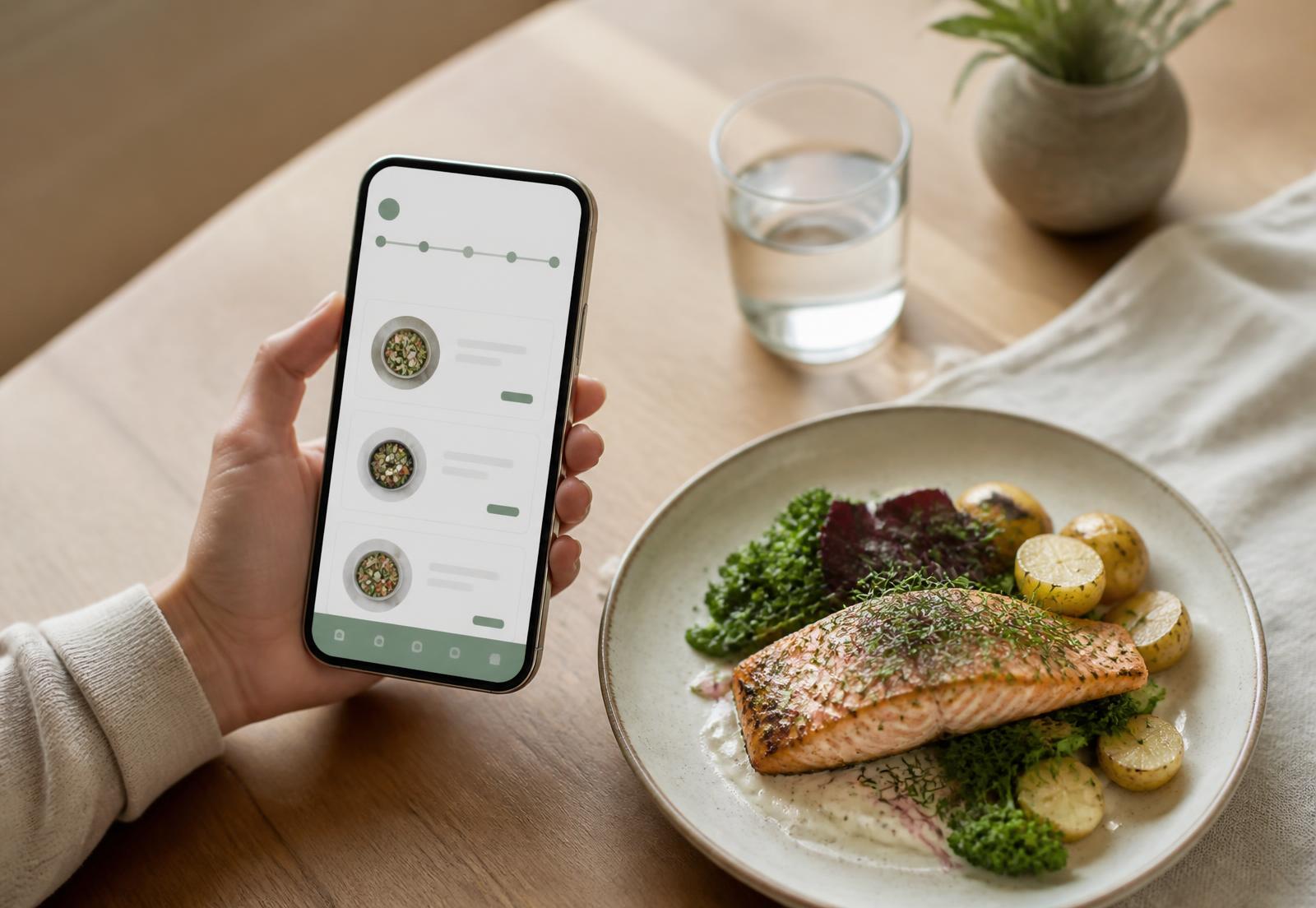
Personal plan
A concrete plan in SmartEating — food, structure and goals tailored to you.
Ready to get help with RED-S?
We'll connect you with a licensed clinical dietitian who understands your situation.

Related topics