
Adolescents
The teenage years bring rapid growth, hormonal changes, and increasing independence around food choices. The need for energy and certain nutrients rises significantly, while school, social life, and any sports commitments place demands on daily meal structure.
What is this?
Puberty brings one of the fastest growth periods after infancy, and energy and nutrient needs increase markedly, especially for iron, calcium, and protein. Boys and girls can have somewhat different needs related to muscle mass and, for girls, menstruation.
At the same time, teenagers become more independent in their food choices, and meals are increasingly eaten away from home — at school, with friends, or on the go. This makes the availability of nutritious options and good habits around breakfast and snacks especially important.
Body image and relationship with food can also be more vulnerable during this period, and a balanced focus on food as energy and enjoyment, rather than strict rules, is important for healthy development.
Why does it matter?
An adequate and varied diet during the teenage years supports growth, muscle and skeletal development, concentration at school, and energy for sport and social life. Good habits established now, such as regular meals and dietary variety, often matter well into adulthood.
Because the body is developing rapidly, too low an intake of energy or key nutrients like iron and calcium can have greater consequences in this phase than later in life.
Key focus areas
Iron
Especially important for girls after the onset of menstruation, as well as for active teenagers in general.
Calcium and vitamin D
Bone mass is built up largely during adolescence, making intake crucial for skeletal health later in life.
Protein
Supports muscle growth and development, particularly important for active teenagers and athletes.
A regular breakfast
Contributes to more stable blood sugar, better concentration, and less overeating later in the day.
Reduced intake of sugary drinks
Sugary soda and energy drinks should be limited in favour of water and other drinks without added sugar.
A healthy relationship with food
A relaxed, non-restrictive relationship with food is important for long-term health during a period of bodily change.
What does the research say?
Research suggests that teenagers who eat breakfast regularly show better concentration and academic performance compared with those who often skip this meal.
Studies also point to girls in their teens having an increased risk of iron deficiency due to menstrual losses combined with increased needs during growth, making iron-rich food particularly relevant for this group.
There has been extensive research into body image and eating behaviour in adolescence, and findings suggest that an environment characterised by flexibility around food, rather than strict rules or a focus on weight, is associated with a healthier relationship with food over time.
Common misconceptions
«Teenagers need protein powder to build muscle.»
The vast majority of teenagers meet their protein needs well through ordinary, varied food such as chicken, fish, eggs, dairy, and legumes.
«It's fine to skip breakfast if you're not hungry.»
Although appetite varies, regular meals throughout the day are beneficial for energy levels and concentration, and breakfast can well be small and simple.
«Diet and training during the teenage years should focus on changing body shape.»
The focus should instead be on nutritious food, enjoyment of movement, and good everyday energy — not weight control during this vulnerable developmental phase.
Who should pay extra attention?
- Signs of restrictive eating or excessive preoccupation with food or body should be taken seriously and followed up by a healthcare professional.
- Active young athletes may have increased energy and nutrient needs that should be assessed individually.
- Persistent fatigue, difficulty concentrating, or paleness may be signs of iron deficiency and should be investigated.
- Avoid strict diets or excluding food groups without professional justification during this growth period.
Frequently asked questions
Do teenagers need more food than adults?+
Yes, during periods of rapid growth, energy needs can be higher than for many adults, especially in active teenagers.
How can teenagers get enough iron?+
Meat, fish, eggs, legumes, and whole grains are good sources. Combining these with vitamin C-rich food, such as fruit or vegetables, can improve absorption from plant sources.
Are energy drinks okay for teenagers?+
Energy drinks often contain high levels of caffeine and are generally not recommended for children and adolescents. Water, milk, or unsweetened drinks are better alternatives.
What if my teenager eats a limited variety of food?+
Keep offering varied food and good role models at home. If the concern persists or affects growth and wellbeing, it may be worth talking to a public health nurse or doctor.
Keep reading

Children
The childhood years lay the foundation for eating habits, growth, and a relationship with food that often lasts a lifetime. Nutritional needs change rapidly through childhood, and the focus should be on varied, energy-dense, and safe food in a calm mealtime environment.
6 min read

Protein
Protein is the building block of muscles, skin, enzymes and hormones, and one of the nutrients that gives the most satiety. Most people get enough protein through a varied diet, but needs can shift with age, activity level and life stage.
6 min read
Vitamins and minerals
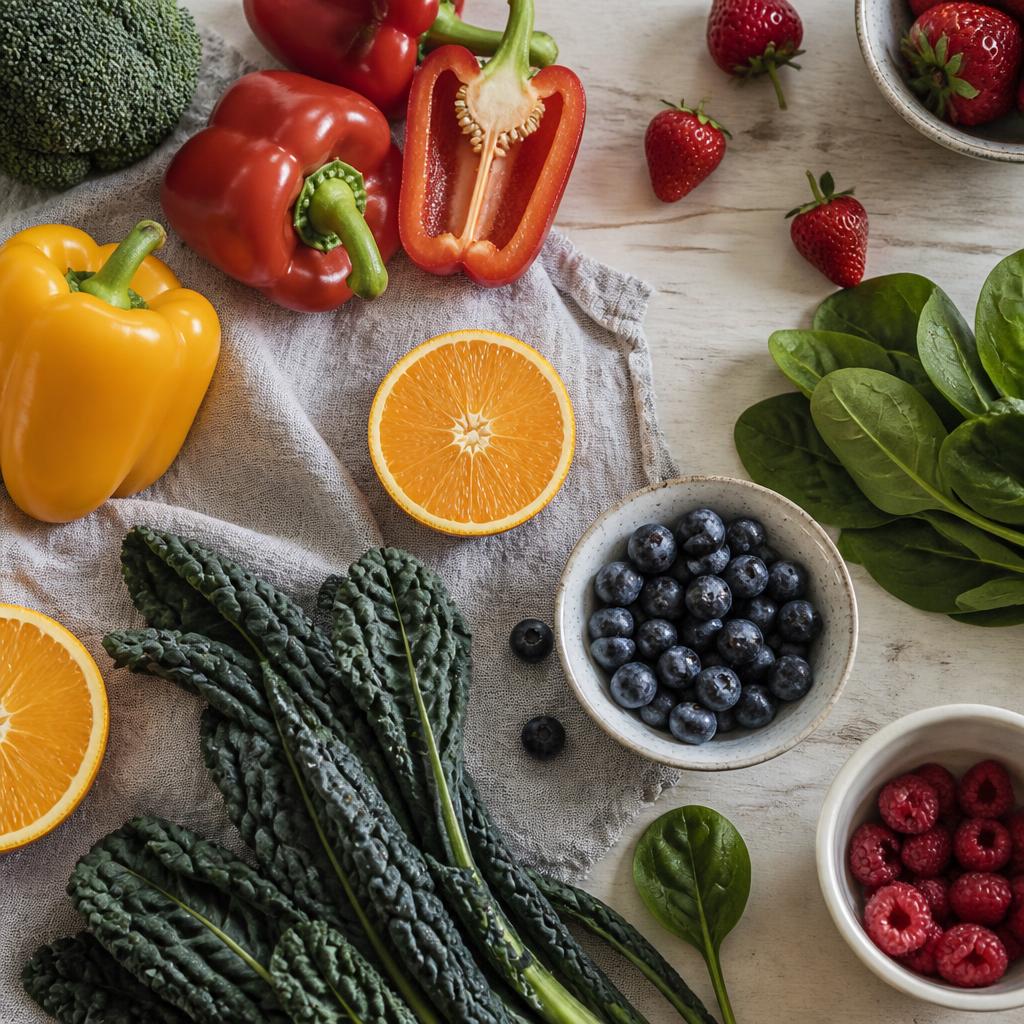
Vitamins and minerals are micronutrients the body needs in small amounts, but they are essential for nearly all bodily functions. A varied diet with plenty of vegetables, fruit, whole grains and good protein sources usually covers the need without supplements.
7 min read
No two people are alike.
That is why we do not start with a diet – we start by getting to know you. SmartEating adapts advice and meals to your body, goals and daily life, so healthy choices become easier to live with over time.