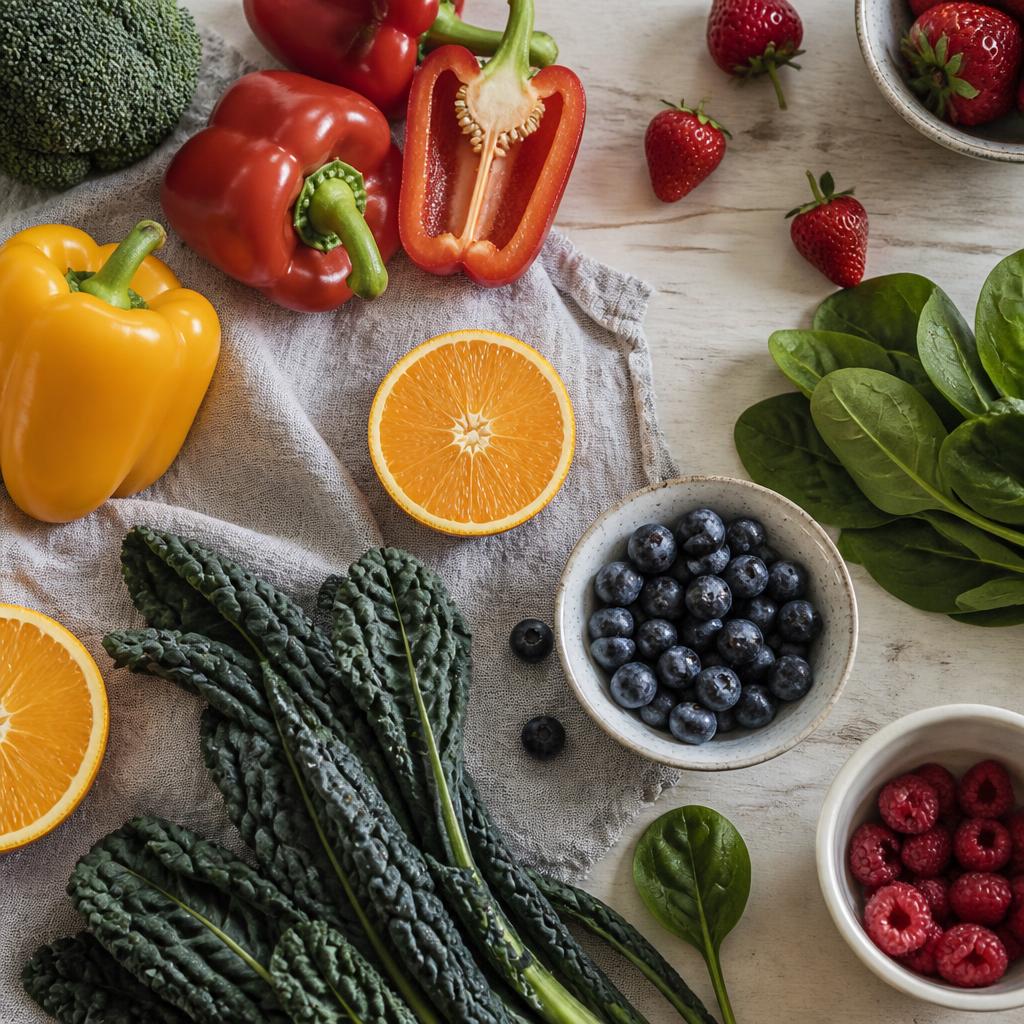
Vitamins and minerals
Vitamins and minerals are micronutrients the body needs in small amounts, but they are essential for nearly all bodily functions. A varied diet with plenty of vegetables, fruit, whole grains and good protein sources usually covers the need without supplements.
Quality-assured by Eugenie Meijn, Autorisert helsepersonell
What is this?
Vitamins and minerals are called micronutrients because the body needs them in much smaller amounts than protein, fat and carbohydrates, but they are nonetheless essential for normal growth, development and function. Vitamins are divided into fat-soluble, such as A, D, E and K, and water-soluble, such as vitamin C and the B vitamins.
Minerals include calcium, iron, zinc, magnesium and iodine among others, found in varying amounts across different food groups. Because no single food contains everything the body needs, variety in the diet is the best strategy for ensuring good coverage.
Certain groups have an increased risk of low intake of specific micronutrients, such as iron in menstruating women, vitamin D during winter months, and B12 in people following a vegan diet.
Why does it matter?
Vitamins and minerals are involved in everything from energy metabolism, immune function and bone growth to red blood cell production and nerve signalling. Deficiency in certain micronutrients can cause specific health problems, such as iron-deficiency anaemia or weakened bone health with low calcium and vitamin D levels.
For most healthy people with a varied diet, supplements are unnecessary, but certain groups and life stages have increased needs or risk of low intake, and should consider supplements in consultation with healthcare professionals.
Good sources
Vegetables and fruit
A broad range of vitamins, minerals and antioxidants, in all colours and types.
Fish and shellfish
Good sources of iodine, vitamin D, selenium and omega-3.
Whole grains and legumes
Provide magnesium, iron, zinc and B vitamins among others.
Dairy products
An important source of calcium and iodine in the Norwegian diet.
Nuts and seeds
Provide magnesium, zinc, selenium and vitamin E.
Cod liver oil or vitamin D supplements
Can be relevant during winter months, especially for those with little sun exposure.
What does the research say?
There is good evidence that a varied diet rich in vegetables, fruit, whole grains, fish and lean protein sources covers the need for most vitamins and minerals in healthy adults.
Studies show that vitamin D deficiency is relatively common in Norway, especially in winter, and health authorities recommend supplements for certain groups during parts of the year.
Research suggests that high-dose supplements of single vitamins, beyond what is covered by diet and any recommended supplements, provide no additional benefit in healthy people and may in some cases be harmful at very high doses.
Common misconceptions
«Everyone should take a multivitamin supplement just to be safe.»
Healthy people with a varied diet generally don't need supplements, and there is no good evidence that multivitamins provide a health benefit in this group.
«More of a vitamin is always better.»
For several vitamins and minerals, there is an upper limit above which excessive intake can cause side effects, especially for fat-soluble vitamins that are stored in the body.
«Supplements can replace an unhealthy diet.»
Supplements provide individual nutrients, but cannot replace the many beneficial compounds and combined effects you get from whole, varied food.
Who should pay extra attention?
- People following a vegan diet, who should ensure B12 supplementation and be mindful of iron, iodine and zinc
- Pregnant and breastfeeding women, who have increased needs for nutrients such as folate, iron and vitamin D
- Older adults, who may have reduced absorption of certain vitamins and should consider vitamin D supplements
- People with little sun exposure, especially in winter, who should consider vitamin D supplements
- People with a diagnosed deficiency, who should follow individual guidance from healthcare professionals
Frequently asked questions
Do I need supplements if I eat healthily?+
Most healthy adults with a varied diet cover their need for vitamins and minerals without supplements, with the exception of vitamin D during winter months for many in Norway.
Who should consider B12 supplements?+
People following a vegan diet should take B12 supplements, since this vitamin is mainly found in animal foods. Older adults with reduced absorption may also benefit from supplements.
Can I get too much of vitamins and minerals?+
Yes, especially from high-dose supplements. Fat-soluble vitamins like A and D can accumulate in the body and cause side effects with very high intake over time.
How do I know if I have a vitamin or mineral deficiency?+
Deficiencies can cause symptoms such as fatigue, difficulty concentrating or skin changes, but the only reliable way to confirm a deficiency is through blood tests with a doctor.
Keep reading

Fish and Seafood
Fish and other seafood are key sources of high-quality protein and the polyunsaturated omega-3 fatty acids EPA and DHA. Regular fish intake is one of the most well-documented recommendations in Norwegian and international dietary guidance.
6 min read

Vegetables
Vegetables are one of the most recommended food groups in any diet, known for their low energy content and high content of vitamins, minerals, fibre and plant compounds. A varied and generous intake of vegetables is one of the clearest recommendations in nutrition.
6 min read

Pregnancy
Throughout pregnancy, the body's need for energy and nutrients changes to support both the mother and the growth and development of the baby. A varied diet, combined with a few recommended supplements, is the main approach for most pregnant women.
7 min read
No two people are alike.
That is why we do not start with a diet – we start by getting to know you. SmartEating adapts advice and meals to your body, goals and daily life, so healthy choices become easier to live with over time.