
Are carbohydrates unhealthy?
No, carbohydrates are not inherently unhealthy — what matters is the type and amount you eat. Whole grains, vegetables, fruit and legumes are linked to good health, while a high intake of sugar and refined grain products should be limited.
What is this?
Carbohydrates are the body's most readily available energy source, found in everything from fruit and vegetables to bread, rice, pasta, milk and sugar. They're generally divided into simple carbohydrates, like glucose and table sugar, and complex carbohydrates, like starch and dietary fibre in whole grains and legumes.
What separates healthier from less healthy carbohydrate sources is largely the degree of processing, fibre content and what other nutrients the food contains. A whole apple has a very different health effect than a glass of apple juice, even though both contain carbohydrates.
Why does it matter?
Carbohydrates matter because the brain and many body cells depend on glucose as an energy source, and fibre-rich carbohydrate sources also support gut health, stable blood sugar and satiety. Painting the entire nutrient group as bad can lead people to cut out food like fruit, whole grains and legumes, which are actually linked to lower risk of several chronic diseases.
Good sources
Choose whole grains over refined
Swap white bread, white rice and refined pasta for whole grain versions when possible.
Prioritise fibre-rich sources
Build meals around vegetables, legumes, fruit and whole grains that naturally contain fibre.
Limit sugary drinks and snacks
Sugary soft drinks, sweets and pastries should be the exception, not everyday fare.
Look at the whole meal
Pair carbohydrates with protein and fat, such as oatmeal with nuts and berries, for a steadier blood sugar response.
What does the research say?
Studies consistently show that a high intake of whole grains and fibre-rich carbohydrate sources is linked to lower risk of cardiovascular disease, type 2 diabetes and certain cancers. At the same time, research suggests that a high intake of added sugar and heavily refined grain products can contribute to weight gain and higher risk of metabolic disease over time.
Research comparing low-carb and low-fat diets has not found one clearly 'best' distribution for everyone, supporting the idea that carbohydrate quality is often more important than total amount alone for most healthy adults.
Common misconceptions
«Carbohydrates automatically make you gain weight.»
Weight gain is about total energy intake over time, not carbohydrates in isolation — fibre-rich carbohydrates actually support satiety.
«You should cut out carbohydrates entirely to be healthy.»
Whole grains, fruit, vegetables and legumes are among the foods most strongly linked to good health in dietary guidelines.
«All carbohydrates affect blood sugar the same way.»
Fibre content, processing level and what the carbohydrate is eaten with affect how quickly blood sugar rises.
Who should pay extra attention?
- People with diabetes should pay particular attention to the type and amount of carbohydrates, in consultation with a healthcare provider.
- Very low carbohydrate intake over time should not be undertaken without understanding nutritional balance.
- Sugary drinks often contribute a large amount of energy without providing satiety, and deserve special attention.
- People with coeliac disease need to choose gluten-free whole grain alternatives such as oats, rice and quinoa.
Frequently asked questions
Are potatoes unhealthy?+
No, potatoes prepared in a healthy way (boiled or baked, not fried) are a good source of potassium and carbohydrates and fit well into a healthy diet.
Should I avoid fruit because it contains sugar?+
No, fruit contains natural sugar alongside fibre, vitamins and minerals, and is linked to good health, unlike added sugar.
Is low-carb healthier than a balanced diet?+
Not necessarily — there is no strong evidence that low-carb is superior for most people, and whole grains are not discouraged in dietary guidelines.
Keep reading

Carbohydrates
Carbohydrates are the body's main energy source and are found in everything from fruit and vegetables to bread, pasta and sugar. The quality of the carbohydrate source matters far more for health than the amount alone.
6 min read

Fibre
Fibre comes from plants and plays a key role in digestion, blood sugar regulation and a healthy gut microbiome. Most people in Norway eat less fibre than recommended, and it is often one of the easiest places to start when improving your diet.
6 min read
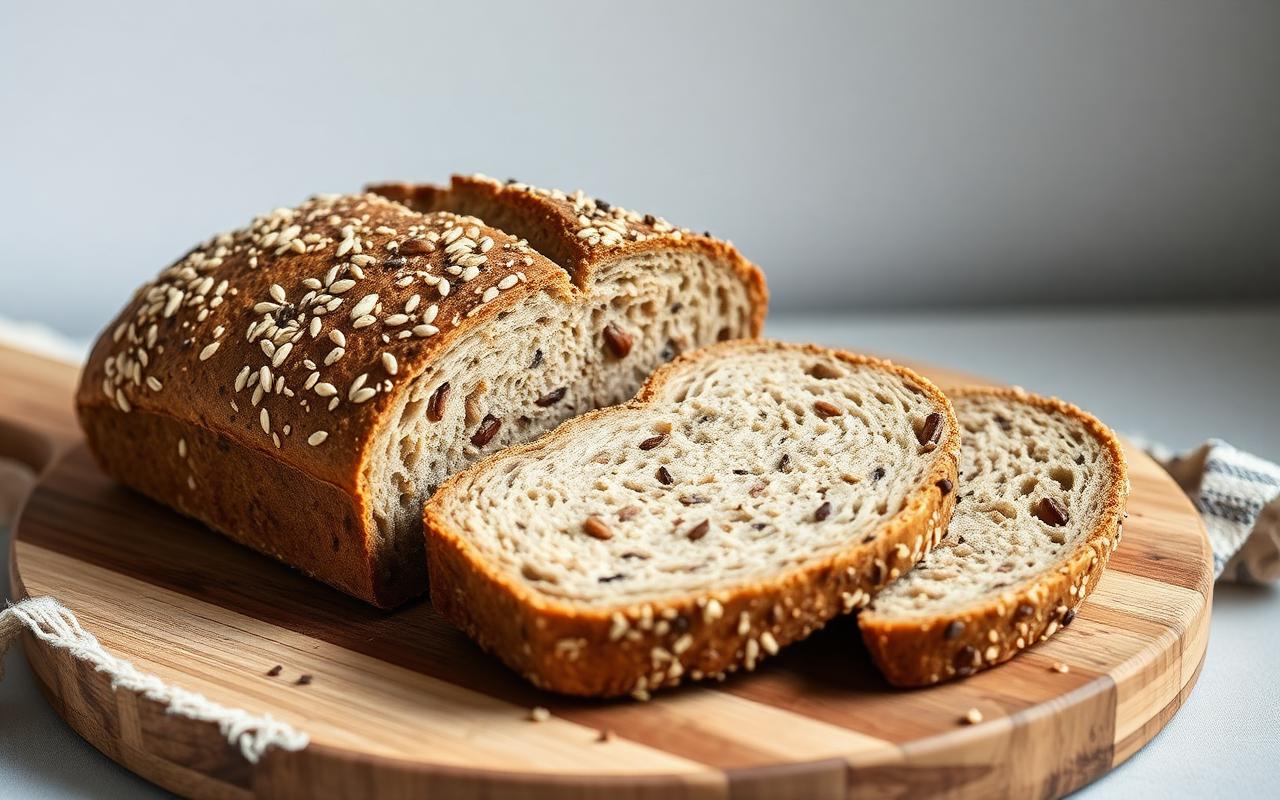
Wholegrains
Wholegrains are grain products in which the entire kernel — bran, germ and endosperm — is preserved, unlike refined grain products where the most nutrient-rich parts are removed. Wholegrains are among the food groups with the clearest documented link to good health.
5 min read
No two people are alike.
That is why we do not start with a diet – we start by getting to know you. SmartEating adapts advice and meals to your body, goals and daily life, so healthy choices become easier to live with over time.
