Fibre
Fibre comes from plants and plays a key role in digestion, blood sugar regulation and a healthy gut microbiome. Most people in Norway eat less fibre than recommended, and it is often one of the easiest places to start when improving your diet.
Quality-assured by Randi Irene Norheim, Autorisert helsepersonell
What is this?
Fibre is a type of carbohydrate that the body does not fully break down in the small intestine. Instead, it passes to the large intestine, where some of it is fermented by gut bacteria. Fibre is usually divided into soluble and insoluble types, and most plant foods contain a mix of both.
Soluble fibre, found in oats and beans among others, forms a gel-like substance during digestion and can help slow the absorption of cholesterol and glucose. Insoluble fibre, found in whole grains and vegetables, adds bulk to stool and supports regular bowel function.
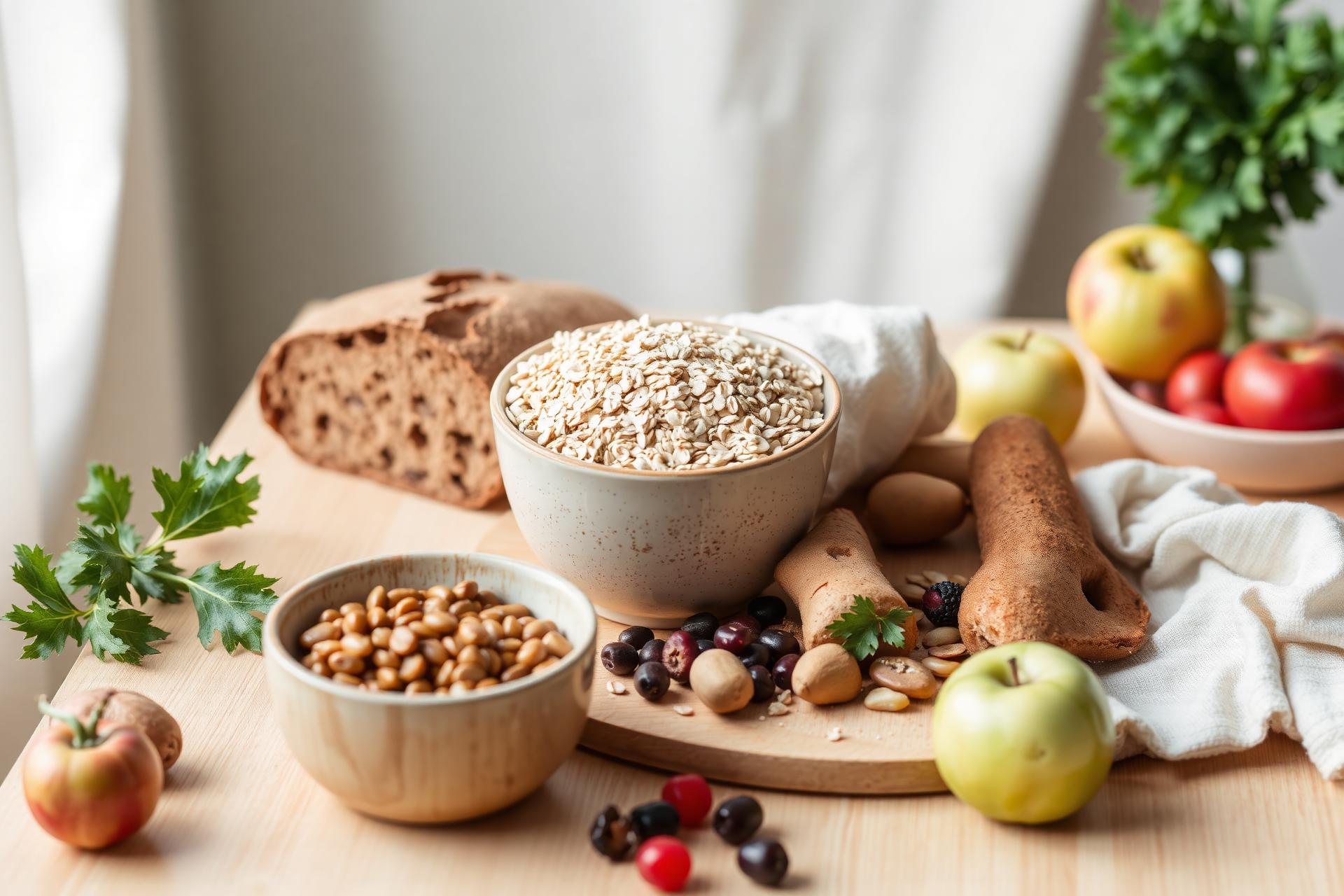
Good fibre sources include whole grains, legumes, vegetables, fruit, nuts and seeds, and eating a variety of these also provides a broad range of vitamins and minerals.
Why does it matter?
Fibre is important for healthy digestion and for maintaining a diverse and thriving gut microbiome, which in turn matters for immune function and overall health. Adequate fibre intake also supports steadier blood sugar after meals and satiety.
There is good evidence that a fibre-rich diet is associated with lower risk of several chronic diseases, including cardiovascular disease and type 2 diabetes, which is why fibre is a central element in Norwegian and Nordic dietary guidelines.
Good sources
Oats and whole grains
Provide soluble fibre and make a solid breakfast base.
Legumes
Beans, lentils and chickpeas are among the most fibre-rich foods available.
Vegetables
Cabbage, broccoli and root vegetables in particular give a lot of fibre per serving.
Fruit and berries
Apples, pears and berries provide fibre along with vitamins and antioxidants.
Nuts and seeds
Chia seeds, flaxseed and almonds contribute fibre and healthy fat.
Whole grain bread and pasta
Simple swaps from refined to whole grain versions significantly increase fibre intake.
What does the research say?
Studies show a clear association between high fibre intake and lower risk of cardiovascular disease, colorectal cancer and type 2 diabetes, reflected in dietary guidelines from Norwegian and Nordic health authorities.
Research suggests that fibre from different sources affects the gut microbiome differently, and that a varied intake of fibre-rich foods can support a more robust and diverse bacterial community in the gut.
There is good evidence that soluble fibre, such as beta-glucan in oats, can help lower LDL cholesterol when part of an overall healthy diet.
Common misconceptions
«Fibre supplements give the same effect as fibre from whole foods.»
Fibre from whole foods comes together with vitamins, minerals and other plant compounds, often providing broader health benefits than isolated supplements.
«You can't get too much fibre.»
A sudden increase in fibre intake can cause bloating and discomfort. It's best to increase intake gradually and drink enough fluids.
«Fibre is only found in breakfast cereals.»
Fibre is found in everything from vegetables and fruit to legumes, whole grains, nuts and seeds, and most people should get fibre from several food groups.
Who should pay extra attention?
- People with IBS or other digestive issues, who may benefit from guidance on fibre type and amount
- Those increasing fibre intake quickly, who should do so gradually
- Older adults, who often eat less fibre than recommended
- People with low fluid intake, since fibre works best together with enough water
Frequently asked questions
How much fibre should I eat per day?+
Dietary guidelines recommend at least 25-35 grams of fibre daily for adults, but most people get less than this. Increasing the proportion of vegetables, whole grains and legumes is an effective way to get closer to the target.
Can too much fibre cause stomach problems?+
Yes, a rapid increase in fibre intake can cause bloating or discomfort in some people. It's recommended to increase intake gradually and ensure good fluid intake alongside it.
Are fibre supplements as good as fibre from food?+
Fibre from whole foods additionally provides vitamins, minerals and other beneficial plant compounds, and should therefore be the main source. Supplements can be a complement for specific needs, but shouldn't replace a varied diet.
Which foods give the most fibre for the effort?+
Legumes such as beans and lentils, along with oats and whole grain products, are among the most fibre-rich and affordable foods available.
Keep reading
Carbohydrates
Carbohydrates are the body's main energy source and are found in everything from fruit and vegetables to bread, pasta and sugar. The quality of the carbohydrate source matters far more for health than the amount alone.
6 min read
Legumes
Legumes such as beans, lentils and chickpeas are among the most nutrient-dense and sustainable foods available. They combine plant-based protein with abundant fibre, and are a valuable food group whether you eat a lot of meat or very little.
5 min read

Oats
Oats are a wholegrain product that have long been a staple of Norwegian cooking, and are receiving increasing attention for their favourable nutritional profile. They are an affordable, versatile and filling source of fibre, carbohydrates, and several vitamins and minerals.
5 min read
No two people are alike.
That is why we do not start with a diet – we start by getting to know you. SmartEating adapts advice and meals to your body, goals and daily life, so healthy choices become easier to live with over time.