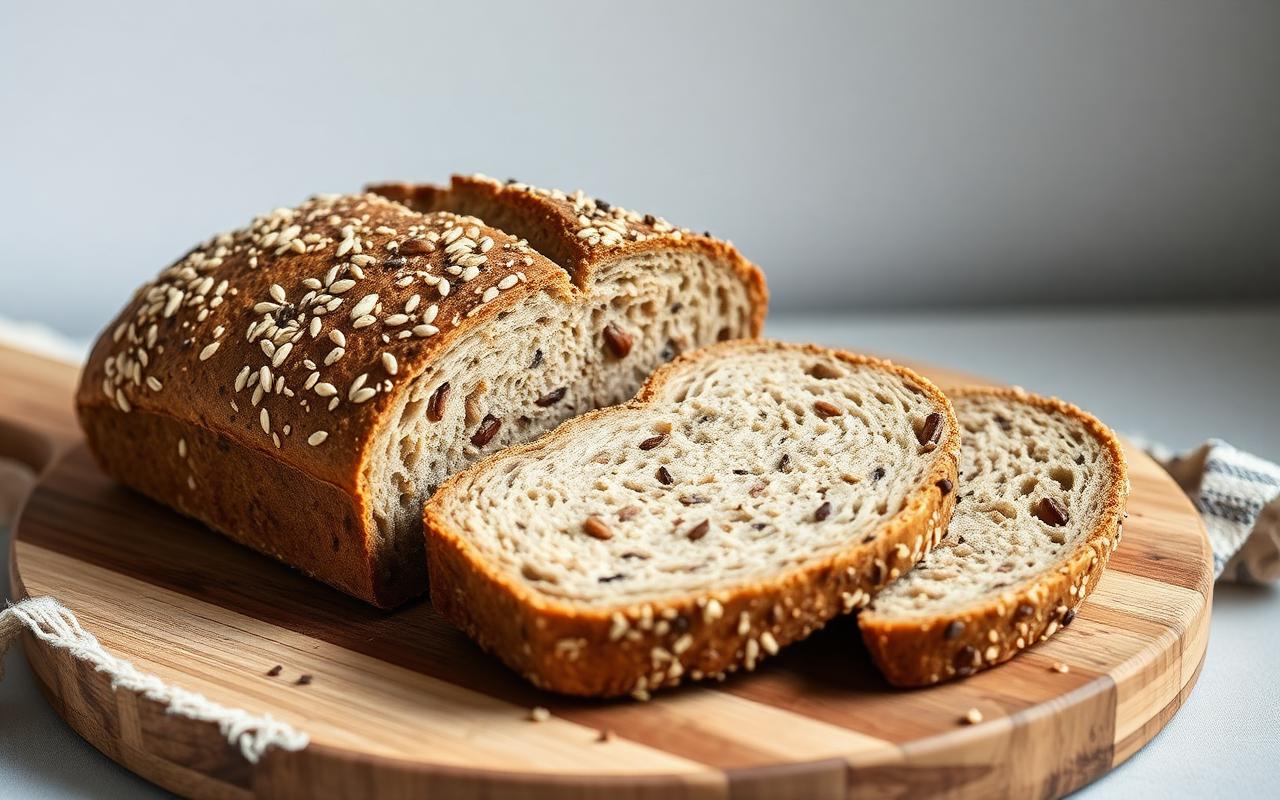
Wholegrains
Wholegrains are grain products in which the entire kernel — bran, germ and endosperm — is preserved, unlike refined grain products where the most nutrient-rich parts are removed. Wholegrains are among the food groups with the clearest documented link to good health.
Quality-assured by Randi Irene Norheim, Autorisert helsepersonell
What is this?
A grain consists of three main parts: the bran, the outer layer rich in fibre; the germ, which contains most of the vitamins, minerals and healthy fat; and the endosperm, which makes up most of the grain and mainly consists of starch. Refining removes the bran and germ, leaving a more nutrient-poor remainder.
Wholegrains come in many forms, such as whole wheat, rye, oats, barley and quinoa, and are used in everything from bread and pasta to porridge, crispbread and rice. Compared with refined grain products, wholegrains provide more fibre, B vitamins, magnesium, zinc and iron.
Labelling of wholegrain products varies, but in Norway there is the Keyhole label and a dedicated wholegrain label that make it easier to identify products with a high wholegrain content.
Why does it matter?
The fibre in wholegrains supports good digestion, fullness and a steadier blood sugar response compared with refined grain products. This makes wholegrains a sensible basis for carbohydrate intake in a healthy diet.
Wholegrains also provide nutrients that are often lacking in diets high in refined products, and a higher intake of wholegrains is one of the dietary changes most clearly linked to better long-term health.
How to get it into your diet
Choose coarse bread
Look for bread with a high wholegrain content, ideally labelled with the Keyhole symbol or a high fibre percentage on the package.
Switch to wholegrain pasta and rice
These varieties provide more fibre and nutrition than refined alternatives, with little difference in preparation.
Oatmeal and other porridge types
Oats, barley and rye porridge are a solid wholegrain choice for breakfast.
Wholegrain crispbread and crackers
A practical way to add fibre throughout the day.
Quinoa and barley as side dishes
These can replace white rice or potatoes in dinner dishes and provide more fullness.
Read the ingredient list
Look for wholegrain listed at the top, not just 'wheat flour' or 'flour' alone.
What does the research say?
There is good evidence that a high intake of wholegrains is associated with a lower risk of cardiovascular disease, type 2 diabetes and certain types of cancer, compared with low intake. This is among the most consistent findings in nutrition research.
Studies indicate that wholegrains contribute to better regulation of blood sugar and insulin compared with refined grain products, which can be relevant both for prevention and for people who already have elevated blood sugar.
Research also suggests that the fibre and bioactive compounds in wholegrains can positively influence the gut microbiome, which in turn is linked to several aspects of general health, including immune function and digestion.
Common misconceptions
«Brown bread is always wholegrain bread.»
The brown colour can come from added caramel colouring or syrup, not necessarily from wholegrains. Check the ingredient list to be sure.
«Wholegrains are harder to digest and should be avoided with stomach issues.»
For most people, wholegrains are beneficial for digestion over time, but some with specific stomach conditions may benefit from individual adjustment in consultation with a professional.
«Gluten-free grain products are automatically healthier.»
Gluten-free products aren't necessarily wholegrain, and can in some cases have lower fibre content than gluten-containing wholegrain alternatives.
Who should pay extra attention?
- People with coeliac disease should choose gluten-free wholegrain alternatives such as oats (gluten-free labelled), buckwheat and quinoa.
- With a rapid increase in wholegrain intake, some people may experience temporary bloating — a gradual increase is recommended.
- People with IBS may benefit from adjusting the type and amount of wholegrains in consultation with a healthcare professional, as different grains can affect symptoms differently.
- Children have smaller stomach capacity and may benefit from a balance between wholegrains and more energy-dense grain products to ensure sufficient energy intake.
Frequently asked questions
How much wholegrain should I eat per day?+
The Norwegian Directorate of Health recommends at least 70-90 grams of wholegrain daily for adults, roughly equivalent to three to four slices of coarse bread or a portion of oatmeal and wholegrain rice.
Are wholegrain products more calorie-dense than refined ones?+
The calorie content is largely similar, but wholegrains provide more fullness and nutrition per calorie due to their higher fibre and nutrient content.
How do I know if a bread is actually wholegrain?+
Look for wholegrain flour or wholegrain listed first in the ingredient list, and look for the Keyhole label or wholegrain logo on the packaging.
Can I eat too much wholegrain?+
A high intake within a varied diet is rarely a problem for healthy adults, but very high fibre intake should be increased gradually to avoid stomach discomfort.
Keep reading
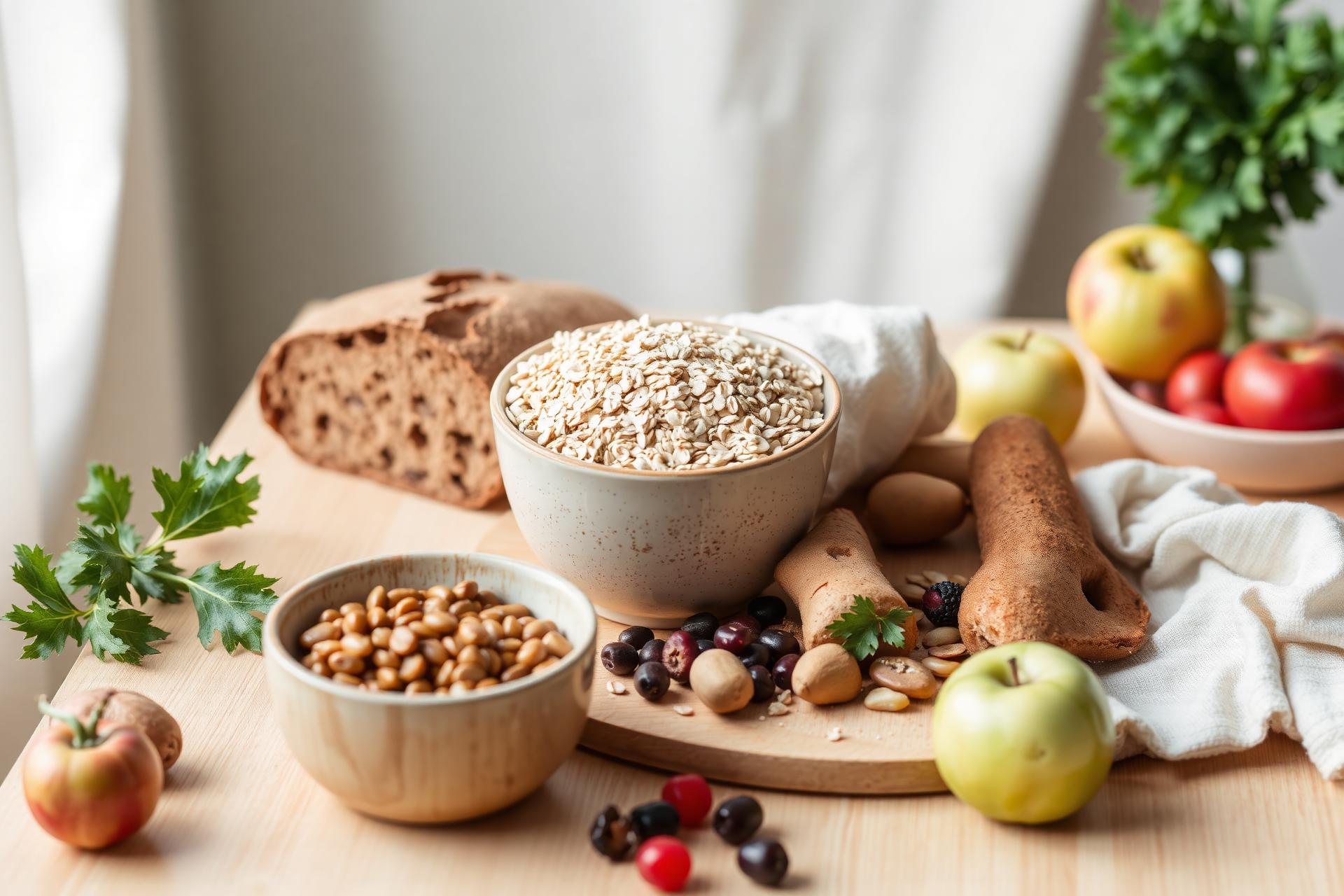
Fibre
Fibre comes from plants and plays a key role in digestion, blood sugar regulation and a healthy gut microbiome. Most people in Norway eat less fibre than recommended, and it is often one of the easiest places to start when improving your diet.
6 min read
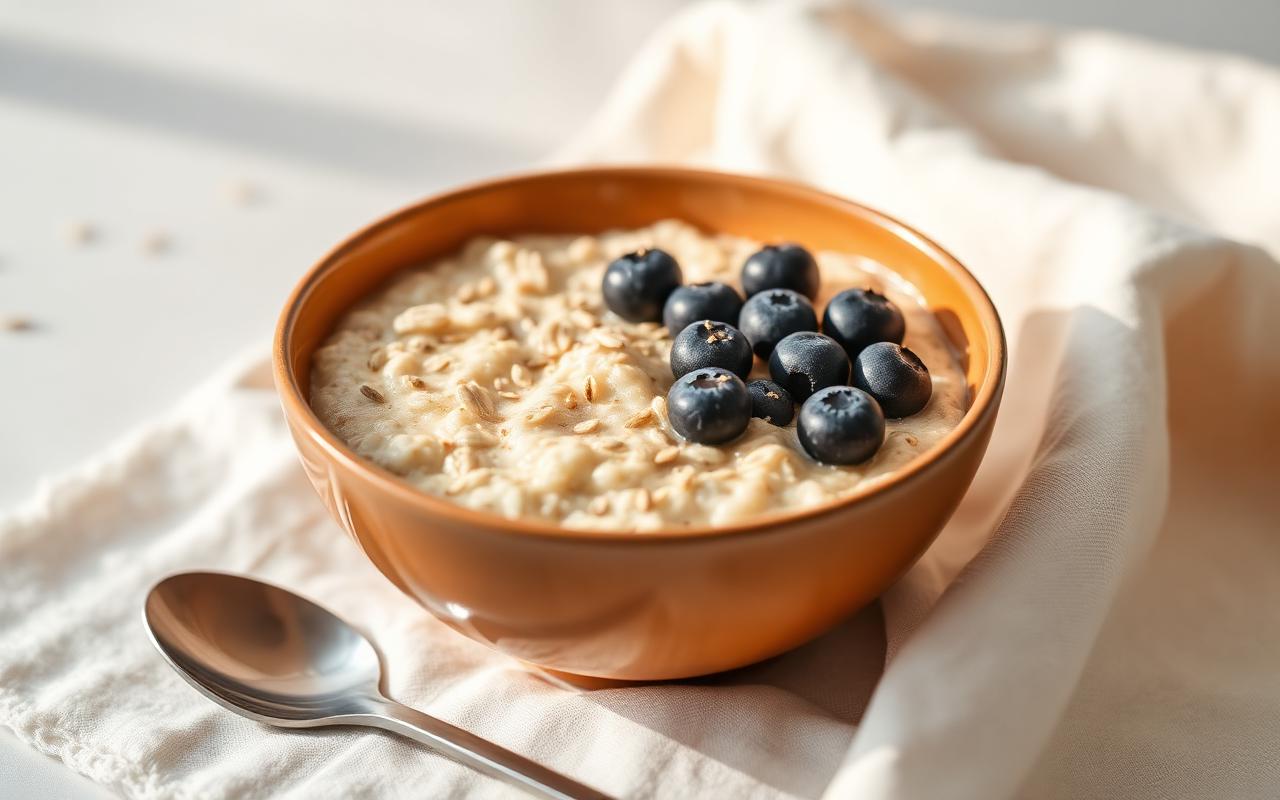
Oats
Oats are a wholegrain product that have long been a staple of Norwegian cooking, and are receiving increasing attention for their favourable nutritional profile. They are an affordable, versatile and filling source of fibre, carbohydrates, and several vitamins and minerals.
5 min read
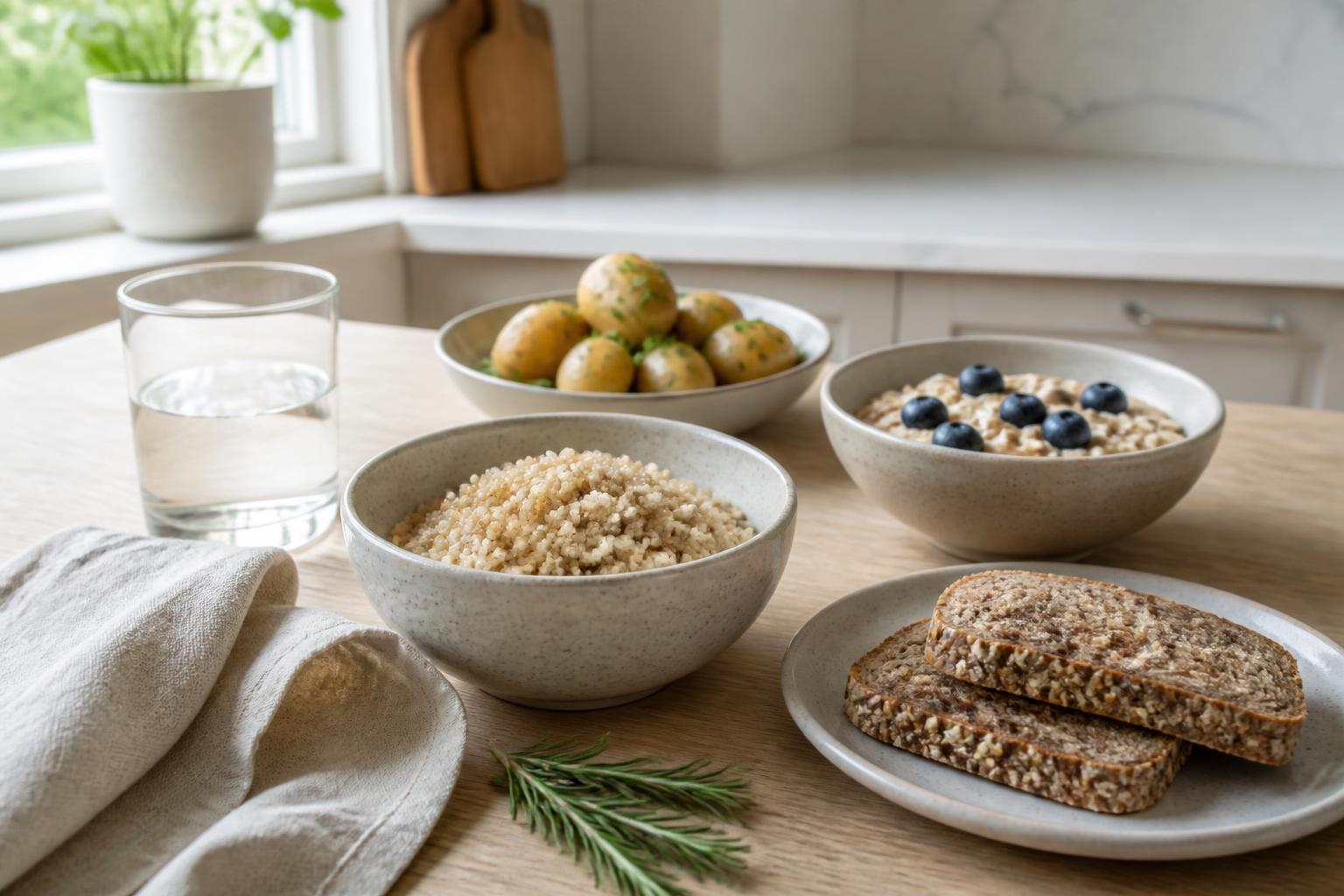
Carbohydrates
Carbohydrates are the body's main energy source and are found in everything from fruit and vegetables to bread, pasta and sugar. The quality of the carbohydrate source matters far more for health than the amount alone.
6 min read
No two people are alike.
That is why we do not start with a diet – we start by getting to know you. SmartEating adapts advice and meals to your body, goals and daily life, so healthy choices become easier to live with over time.