
Breastfeeding
During breastfeeding, the body has an increased need for energy and certain nutrients to produce milk and support recovery after birth. A varied and adequate diet contributes to both the mother's energy and the milk's nutritional content.
What is this?
Breastfeeding requires significant energy, and the need is normally higher than during pregnancy, even though some of this is covered by fat reserves built up during pregnancy. The need for certain nutrients, such as iodine, vitamin D, and certain B vitamins, remains elevated during this period.
The body is generally good at prioritising milk production even with a somewhat limited diet, but the mother's own stores and energy reserves can be negatively affected over time with persistently inadequate intake. A varied diet with a good balance of protein, healthy fat, whole grains, fruit, and vegetables supports both energy levels and recovery after birth.
Fluid needs also increase somewhat during breastfeeding, and it can help to have easily accessible drinks and nutritious snacks on hand during periods of frequent breastfeeding, especially in the first weeks.
Why does it matter?
Adequate nutrition during breastfeeding supports the mother's energy levels, recovery, and general wellbeing during a physically and emotionally demanding period, while also contributing to stable milk production.
Certain nutrients are transferred directly into breast milk in amounts that depend on the mother's intake, including iodine and certain vitamins, which makes a varied diet relevant for the baby's nutrient supply as well.
Key focus areas
Sufficient energy intake
Breastfeeding mothers have increased energy needs and should not sharply restrict food intake during this period.
Iodine
Transferred into breast milk and important for the baby's continued brain development; fish and dairy products are good sources.
Vitamin D
Often recommended as a supplement for both mother and infant, depending on season and sun exposure.
Fluid intake
Breastfeeding mothers should drink according to thirst, ideally with water easily accessible during feeds.
Protein and iron
Support recovery after birth, especially important in cases of blood loss during delivery.
Realistic snacks
Simple, nutritious snacks make it easier to meet increased energy needs in a busy day with a newborn.
What does the research say?
Research shows that a mother's iodine intake directly affects the iodine content of breast milk, and that adequate intake during this period is important for the infant's ongoing neurological development.
Studies suggest that most breastfeeding mothers can maintain good milk production even with moderate fluctuations in diet, but that chronically low energy intake over time can affect both the mother's energy levels and, in some cases, milk volume.
Research has also explored the link between the mother's diet and the development of the child's taste preferences, with some evidence suggesting that variety in the mother's diet during breastfeeding may help the child more readily accept different flavours later on.
Common misconceptions
«You need to eat very specific foods to produce enough milk.»
There is no single magic food for milk production. An adequate and varied diet with enough energy and fluid matters most.
«Everything the mother eats gives the baby stomach problems.»
Most infants tolerate variation in the mother's diet well. Only in some cases does the baby react to specific foods, and this should be assessed individually.
«You must actively diet while breastfeeding to lose pregnancy weight.»
Breastfeeding alone often contributes to gradual weight loss for many, but active, strict dieting is not recommended during this period due to increased energy needs.
Who should pay extra attention?
- Persistently low food intake or rapid weight loss during breastfeeding should be discussed with a healthcare professional.
- If you suspect the baby is reacting to something in the mother's diet, this should be assessed together with a doctor or public health nurse rather than removing food groups on your own.
- Alcohol and certain medications can pass into breast milk and should be discussed with a healthcare professional.
- Severe fatigue or persistently low energy should be followed up, considering diet, sleep, and possibly medical care.
Frequently asked questions
Do I need to eat more while breastfeeding?+
Yes, energy needs are normally higher during breastfeeding than at rest, and it's not recommended to sharply restrict food intake during this period.
Do I need to avoid certain foods while breastfeeding?+
Most people can eat a varied diet as usual. Some infants may react to specific foods in the mother's diet, but this doesn't apply to everyone and should be assessed individually.
Can I drink coffee while breastfeeding?+
Moderate caffeine intake is considered fine for most breastfeeding mothers, but it can be worth observing whether the baby becomes unsettled or sleep is affected.
How long should I focus extra on my diet after giving birth?+
As long as you are breastfeeding, fully or partially, the increased need remains. Once breastfeeding ends, needs gradually return to what applies to adults in general.
Keep reading

Pregnancy
Throughout pregnancy, the body's need for energy and nutrients changes to support both the mother and the growth and development of the baby. A varied diet, combined with a few recommended supplements, is the main approach for most pregnant women.
7 min read

Adults
In adulthood, nutrition is largely about maintaining good health, stable energy, and preventing lifestyle-related conditions over time. Needs are relatively stable, but individual factors such as activity level, life stage, and health status play a role.
6 min read
Vitamins and minerals
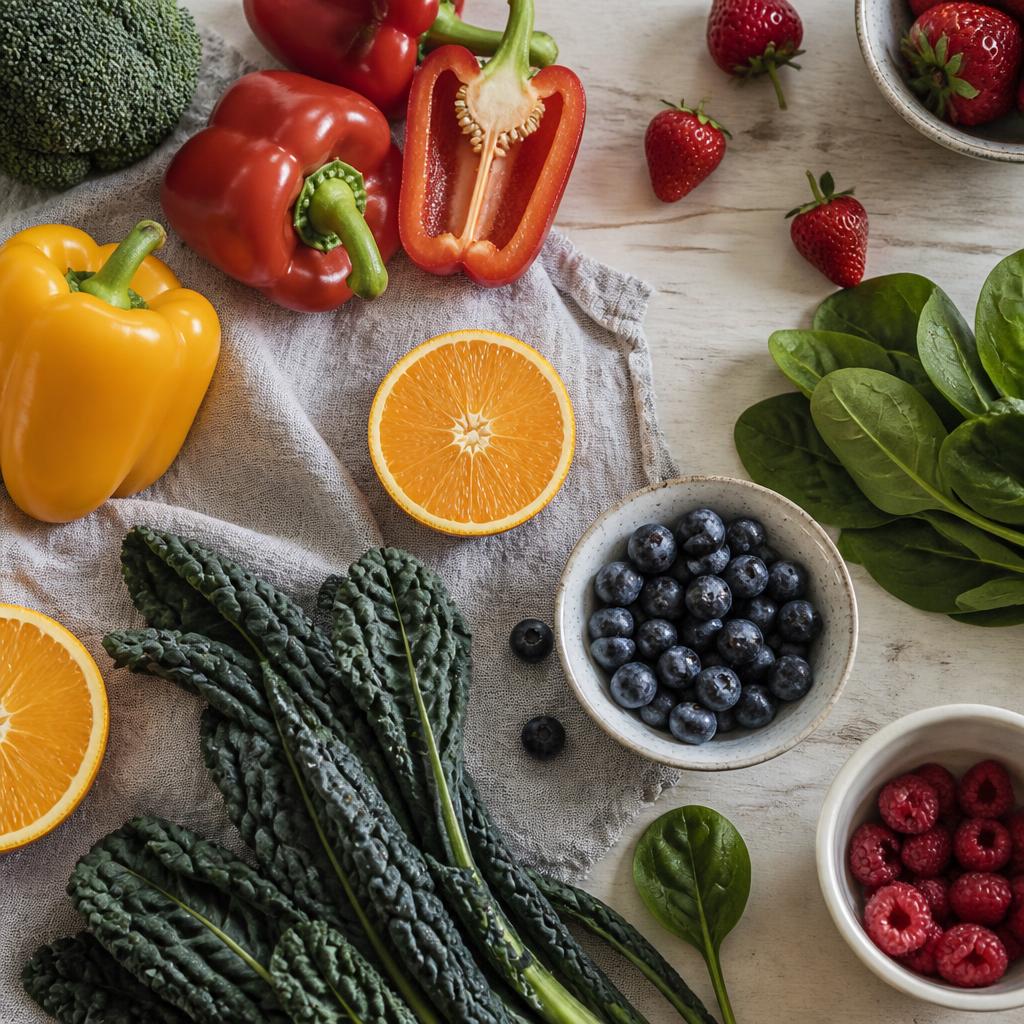
Vitamins and minerals are micronutrients the body needs in small amounts, but they are essential for nearly all bodily functions. A varied diet with plenty of vegetables, fruit, whole grains and good protein sources usually covers the need without supplements.
7 min read
No two people are alike.
That is why we do not start with a diet – we start by getting to know you. SmartEating adapts advice and meals to your body, goals and daily life, so healthy choices become easier to live with over time.
