
Pregnancy
Throughout pregnancy, the body's need for energy and nutrients changes to support both the mother and the growth and development of the baby. A varied diet, combined with a few recommended supplements, is the main approach for most pregnant women.
What is this?
Energy needs increase moderately throughout pregnancy, mostly in the second and third trimesters, while the need for certain nutrients such as folate, iron, iodine, and vitamin D increases more markedly from early in pregnancy. This makes the quality of the diet especially important, not just the quantity of food.
Folate is particularly important in the time before and early in pregnancy, since it contributes to normal development of the foetus's nervous system. Iron supports increased blood volume and oxygen transport, while iodine is crucial for the baby's brain development. In many places, supplements of folate and sometimes vitamin D are therefore recommended in addition to a varied diet.
Some foods and drinks should be limited or avoided during pregnancy for the safety of the foetus, including certain types of fish with high mercury content, raw or undercooked meat and fish, unpasteurised dairy products, and alcohol, which is completely discouraged.
Why does it matter?
Good nutrition during pregnancy supports the foetus's growth and development, reduces the risk of certain complications, and contributes to the mother's energy levels and wellbeing during a physically demanding period. Certain nutrients, such as folate and iodine, have a documented role in the development of the foetus's nervous system.
Because needs change through different stages of pregnancy, it can be useful to follow updated dietary advice and possibly get individual follow-up, especially in special circumstances such as gestational diabetes or a multiple pregnancy.
Key focus areas
Folate
Recommended as a supplement from before conception and through the first trimester to support normal development of the nervous system.
Iron
Needs increase to support greater blood volume; iron-rich food and possibly supplements are often considered during follow-up.
Iodine
Important for the foetus's brain development; found in fish, dairy products, and iodised salt.
Vitamin D
Supports calcium absorption and skeletal development in both mother and child.
Safe food
Certain foods should be avoided or limited during pregnancy due to the risk of infection and heavy metal content.
Steady energy intake
Regular meals help stabilise blood sugar and can ease nausea and energy fluctuations.
What does the research say?
Research shows a clear link between adequate folate intake around conception and a reduced risk of neural tube defects in the foetus, which is the basis for the recommendation to supplement during this period.
Studies also suggest that sufficient iodine intake during pregnancy is important for the child's cognitive development, and that many pregnant women in practice get less iodine than recommended, especially if the diet contains little fish and dairy.
Research is ongoing into the relationship between dietary patterns during pregnancy and the child's long-term health, but a generally varied and nutrient-rich diet appears to be beneficial, rather than focusing on single nutrients alone.
Common misconceptions
«Pregnant women should eat for two.»
Energy needs only increase moderately, and only later in pregnancy. The focus should be on nutrient-dense food, not doubled portions.
«All fish should be avoided during pregnancy.»
Fish is an important source of iodine and omega-3, and most types are recommended in moderate amounts. Only certain species with high mercury content should be limited.
«Coffee must be cut out entirely during pregnancy.»
Most guidelines suggest that moderate caffeine intake is fine during pregnancy, but it's recommended to stay within recommended limits.
Who should pay extra attention?
- Always talk to a midwife or doctor about individual needs for supplements and dietary adjustments.
- Alcohol is discouraged completely throughout pregnancy.
- With gestational diabetes or other medical conditions, diet should be followed up individually by healthcare professionals.
- Severe or persistent nausea that affects food intake should be raised with a midwife or doctor.
- Avoid high-dose supplements without clearing them with a healthcare professional, as certain vitamins can be harmful in large amounts during pregnancy.
Frequently asked questions
How much more should I eat when I'm pregnant?+
Energy needs only become noticeably higher in the second and third trimesters, and even then with a relatively modest addition. The quality of the diet matters more than the quantity.
Do I need supplements during pregnancy?+
Folate is recommended as a supplement from before conception and in early pregnancy. Vitamin D and possibly iron may also be relevant, depending on diet and individual circumstances. Talk to your midwife about this.
Can I drink coffee while pregnant?+
Moderate caffeine intake is considered acceptable by most health authorities, but it's recommended to stay within recommended amounts and also account for caffeine from tea and chocolate.
Which fish should I avoid during pregnancy?+
Certain predatory fish with high mercury content, such as king mackerel and some types of tuna in large amounts, should be limited. Most other types of fish are recommended in moderate amounts due to their iodine and omega-3 content.
Keep reading

Breastfeeding
During breastfeeding, the body has an increased need for energy and certain nutrients to produce milk and support recovery after birth. A varied and adequate diet contributes to both the mother's energy and the milk's nutritional content.
6 min read

Adults
In adulthood, nutrition is largely about maintaining good health, stable energy, and preventing lifestyle-related conditions over time. Needs are relatively stable, but individual factors such as activity level, life stage, and health status play a role.
6 min read
Vitamins and minerals
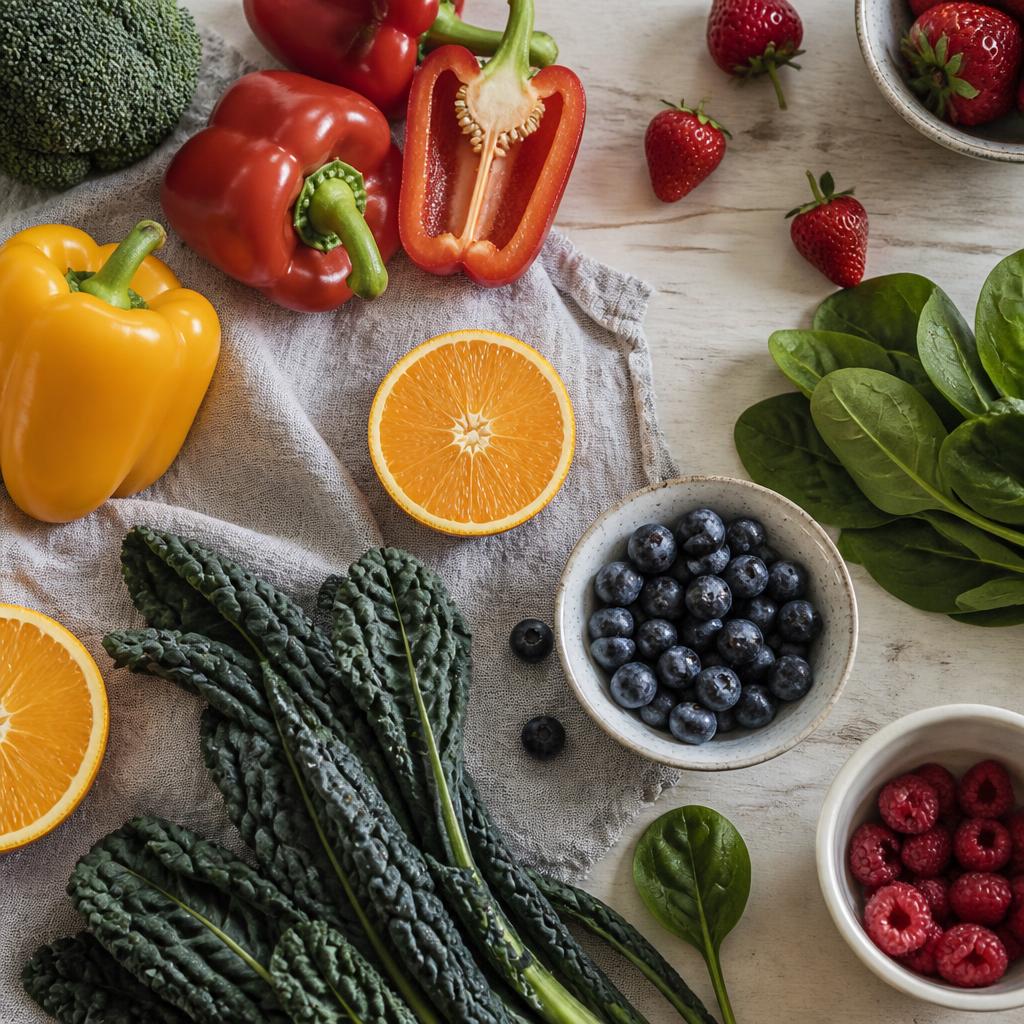
Vitamins and minerals are micronutrients the body needs in small amounts, but they are essential for nearly all bodily functions. A varied diet with plenty of vegetables, fruit, whole grains and good protein sources usually covers the need without supplements.
7 min read
No two people are alike.
That is why we do not start with a diet – we start by getting to know you. SmartEating adapts advice and meals to your body, goals and daily life, so healthy choices become easier to live with over time.
