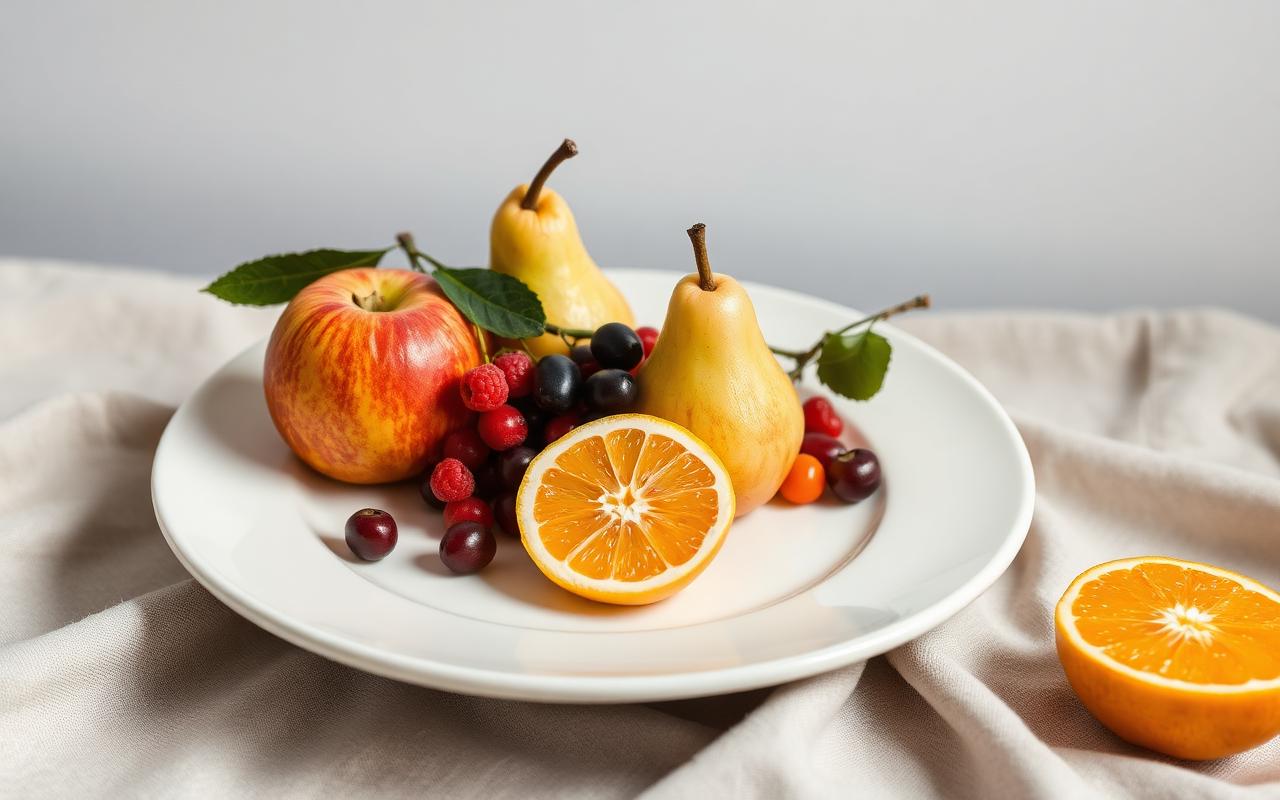
Fruit
Fruit is a natural source of vitamins, minerals, fibre and plant compounds, and one of the food groups every dietary guideline recommends eating more of. With its natural sweetness and great variety, fruit is also one of the easiest ways to make a diet more nutritious.
What is this?
Fruit includes everything from apples and pears to citrus fruits, berries, stone fruits and exotic varieties such as mango and papaya. Each type of fruit has its own composition of vitamins, minerals and plant compounds, which makes variety especially valuable.
Most fruit shares a high water content, natural sugar in the form of fructose, and good fibre content, particularly when eaten with the skin. Berries are among the fruits with the highest antioxidant content and lowest sugar content per serving.
Fruit can be eaten raw as is, in fruit salads, added to porridge and yoghurt, or as part of baking. Fresh, frozen and, in some cases, dried fruit can all provide good nutritional value, depending on preparation and any added ingredients.
Why does it matter?
Fibre, water and volume in fruit contribute to fullness, and the many plant compounds in fruit, such as flavonoids and carotenoids, have antioxidant properties linked to protecting the body's cells. Fruit is also an important source of vitamin C and potassium for many people.
Because fruit is naturally sweet and more accessible than many other healthy foods, it can be a useful and tasty alternative to more processed sweets and snacks in everyday life.
How to get it into your diet
Whole fruit as a snack
Apples, bananas and pears are easy to carry and provide a naturally sweet and filling snack.
Berries at breakfast
Blueberries, raspberries and strawberries can be added to yoghurt, porridge or muesli, adding both flavour and nutrition.
Frozen fruit and berries
These are often just as nutritious as fresh, and convenient to have on hand year-round, especially in smoothies.
Fruit salad as dessert
A naturally sweet alternative to more processed desserts after dinner.
Vary the colours
Different coloured fruits contain different plant compounds, so variety provides a broader nutritional contribution.
Be mindful of dried fruit and juice
These have a more concentrated sugar content and less fibre than whole fruit, and should be eaten in smaller amounts.
What does the research say?
There is good evidence that a high intake of fruit is associated with lower risk of cardiovascular disease and certain types of cancer. This is linked to the combination of fibre, potassium, antioxidants and other plant compounds in fruit.
Studies on berries in particular point to a content of flavonoids that has shown favourable associations with, among other things, blood vessel function and inflammation levels in the body, although research in this area is still developing.
Research generally distinguishes between whole fruit and fruit juice: while whole fruit is associated with favourable health effects, high intake of juice is linked to higher sugar intake without the same fullness and fibre effect.
Common misconceptions
«Fruit contains too much sugar to be healthy.»
The sugar in fruit comes packaged with fibre, water and nutrients, giving it a very different effect on the body than added sugar in processed products.
«You should avoid fruit in the evening.»
There is no good evidence that the time of day you eat fruit matters for health or weight.
«Frozen fruit is less nutritious than fresh.»
Frozen fruit is often frozen shortly after harvest and can retain as much or more nutrition than fresh fruit that has spent a long time in transport and storage.
Who should pay extra attention?
- People with diabetes should be mindful of the amount and type of fruit as part of overall blood sugar management, but don't need to avoid fruit — whole fruit with fibre produces a more favourable response than juice.
- Certain fruits can cause allergic reactions in people with pollen allergies, known as oral allergy syndrome.
- Dried fruit has a concentrated sugar content and should be eaten in smaller amounts than fresh fruit.
- Young children should have fruit cut into appropriately sized pieces to avoid choking hazards, particularly grapes and similar fruits.
Frequently asked questions
How much fruit should I eat per day?+
The Norwegian Directorate of Health recommends at least five servings of fruit and vegetables combined daily, with fruit and berries able to make up a good portion of this.
Is it better to eat fruit than drink juice?+
Yes, whole fruit provides more fibre and fullness than juice, and is less likely to cause rapid blood sugar fluctuations.
Can I eat too much fruit?+
For most people, there is little cause for concern with a normal to high intake of fruit as part of a varied diet, but a very one-sided or extremely high intake should be balanced with other foods.
Are berries healthier than other fruit?+
Berries generally have a high antioxidant content and lower sugar content than many other fruits, but all fruit can be a healthy part of your diet.
Keep reading
Fibre
Fibre comes from plants and plays a key role in digestion, blood sugar regulation and a healthy gut microbiome. Most people in Norway eat less fibre than recommended, and it is often one of the easiest places to start when improving your diet.
6 min read

Vegetables
Vegetables are one of the most recommended food groups in any diet, known for their low energy content and high content of vitamins, minerals, fibre and plant compounds. A varied and generous intake of vegetables is one of the clearest recommendations in nutrition.
6 min read

Sugar
Sugar is a natural part of many foods, but a high intake of added sugar is associated with increased risk of several health problems. Understanding the difference between natural and added sugar makes it easier to make informed choices.
5 min read
No two people are alike.
That is why we do not start with a diet – we start by getting to know you. SmartEating adapts advice and meals to your body, goals and daily life, so healthy choices become easier to live with over time.