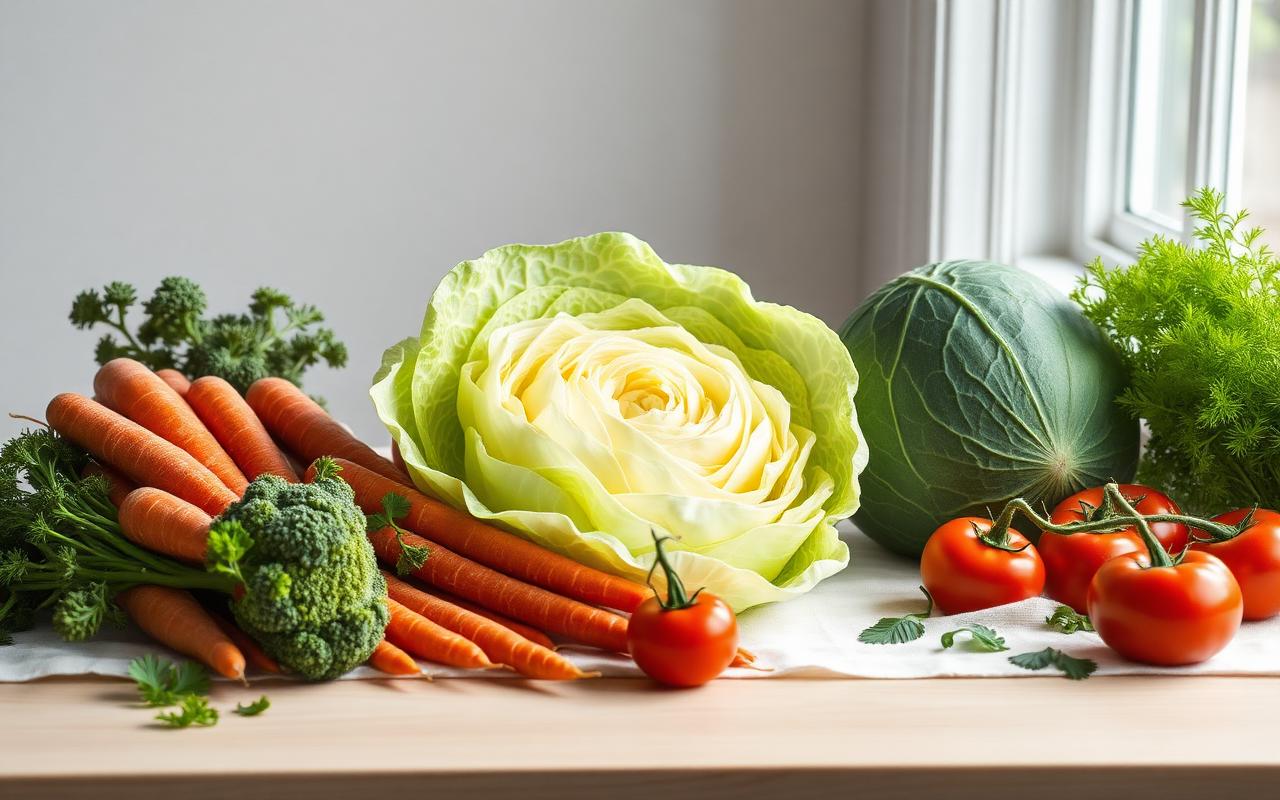
Vegetables
Vegetables are one of the most recommended food groups in any diet, known for their low energy content and high content of vitamins, minerals, fibre and plant compounds. A varied and generous intake of vegetables is one of the clearest recommendations in nutrition.
What is this?
Vegetables form a highly diverse group, from root vegetables like carrots and beetroot to cruciferous vegetables like broccoli and kale, leafy greens like spinach, and fruiting vegetables like tomatoes and peppers. Each subgroup has its own profile of nutrients and plant compounds.
Most vegetables share a low energy content combined with a high content of water, fibre, vitamins and minerals, particularly vitamin C, folate, potassium and beta-carotene. Cruciferous vegetables also contain sulphur compounds unique to this group, which have been widely studied.
Vegetables can be eaten raw, steamed, boiled, roasted or fried, and the cooking method can affect flavour, texture and, to some extent, nutritional content — gentle cooking generally preserves the most nutrients.
Why does it matter?
The fibre and water in vegetables provide good volume and fullness with little energy, making vegetables a favourable part of meals for those wanting to manage their energy intake. The vitamins and plant compounds also contribute to a range of bodily functions, from immune defence to antioxidant protection.
Because different vegetables contain different nutrients and plant compounds, variety in vegetable intake is important for getting the full range of beneficial substances this food group can offer.
How to get it into your diet
Fill half your plate with vegetables
A simple rule of thumb that ensures a good volume of vegetables at main meals.
Vegetables as a snack
Cut vegetable sticks with hummus or a yoghurt dip make a simple, filling snack.
Frozen vegetable mixes
Practical, long-lasting and often just as nutritious as fresh, making it easy to have vegetables on hand all week.
In soups and stews
Vegetables add flavour, volume and nutrition to everything from stews to soups, and pair easily with meat, fish or legumes.
Vary the colours
Green, orange, red and purple vegetables contain different plant compounds — the more varied the plate, the broader the nutritional contribution.
Use herbs and garlic
These add flavour without much salt and make it easier to eat vegetables regularly.
What does the research say?
There is good evidence that a high intake of vegetables is associated with lower risk of cardiovascular disease, certain types of cancer and early death, and this is among the most consistent findings in nutrition research across different population groups.
Studies on cruciferous vegetables in particular point to a content of sulphur compounds that has shown interesting associations with cell protection, although research in this area is still developing and does not provide grounds for specific health claims.
Research also suggests that vegetables, with their combination of fibre and water, contribute to better fullness regulation, which can be useful in the context of weight management over time.
Common misconceptions
«Frozen vegetables are less nutritious than fresh ones.»
Frozen vegetables are often frozen right after harvest and can, in some cases, contain as much or more nutrition than fresh vegetables that have spent a long time in transport.
«Potatoes don't count as a vegetable in dietary guidelines.»
Potatoes contain nutrients such as potassium and vitamin C, but are usually categorised separately from other vegetables in dietary guidelines due to their high starch content.
«Raw vegetables are always healthier than cooked ones.»
Some nutrients, such as lycopene in tomatoes, actually become more available to the body after gentle cooking, while others are barely affected. Both can be part of a healthy diet.
Who should pay extra attention?
- People with IBS may react to certain high-FODMAP vegetables, such as onion and garlic, and may benefit from individual adjustment in consultation with a healthcare professional.
- Vegetables should be washed thoroughly before use to reduce residue from soil and any pesticides.
- Young children should have hard vegetables like carrots cut into appropriately sized pieces or cooked until soft to reduce choking hazards.
- People on blood-thinning medication should be mindful of consistent intake of vitamin K-rich vegetables like kale, and should ideally discuss this with a doctor.
Frequently asked questions
How many servings of vegetables should I eat daily?+
The Norwegian Directorate of Health recommends at least five servings of fruit and vegetables combined daily, with vegetables ideally making up a substantial part of this.
Is it better to eat vegetables raw or cooked?+
Both are healthy and offer different benefits — varying between raw and cooked vegetables generally gives the best outcome.
Can I eat as many vegetables as I want?+
For most healthy people, there's little cause for concern with a generous intake of vegetables as part of a varied diet.
Are canned vegetables a good alternative?+
Yes, canned vegetables retain much of their nutritional value and are a practical alternative — choose varieties without added salt or sugar, and rinse off the brine if needed.
Keep reading
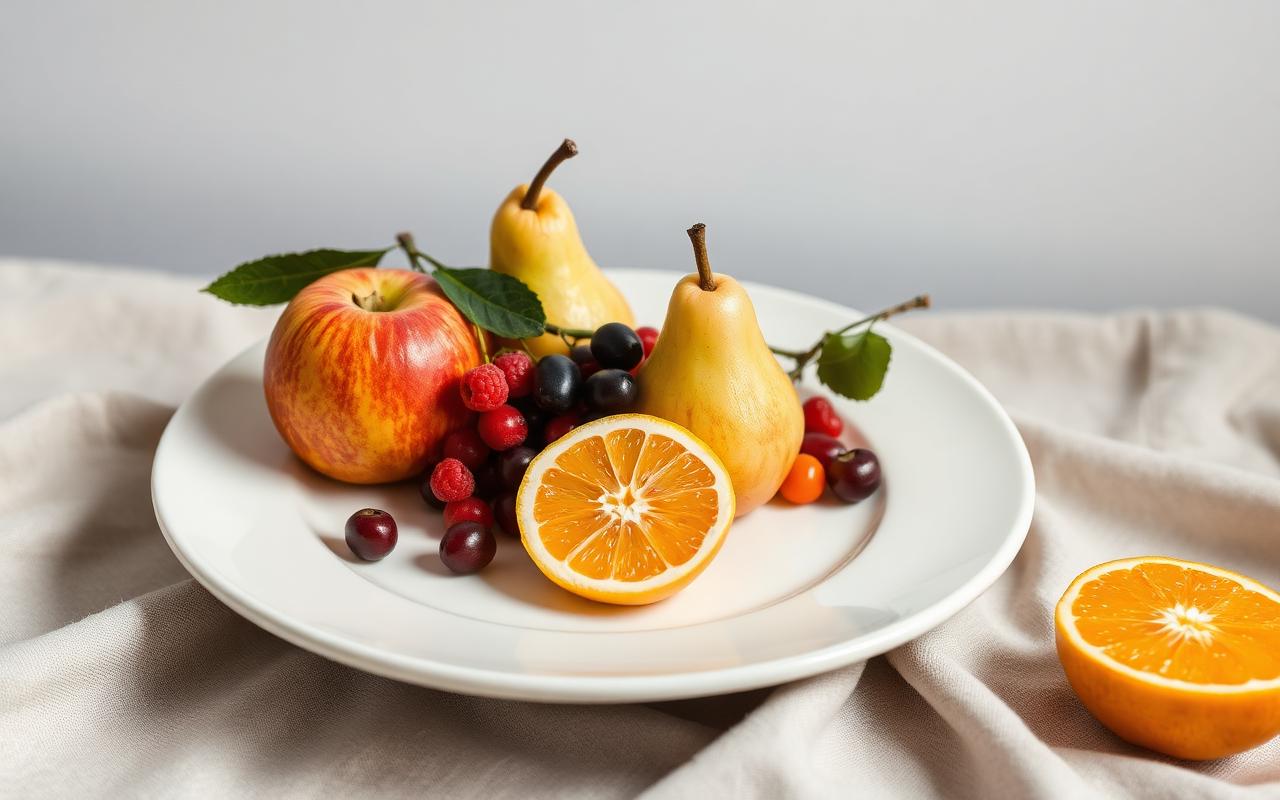
Fruit
Fruit is a natural source of vitamins, minerals, fibre and plant compounds, and one of the food groups every dietary guideline recommends eating more of. With its natural sweetness and great variety, fruit is also one of the easiest ways to make a diet more nutritious.
5 min read
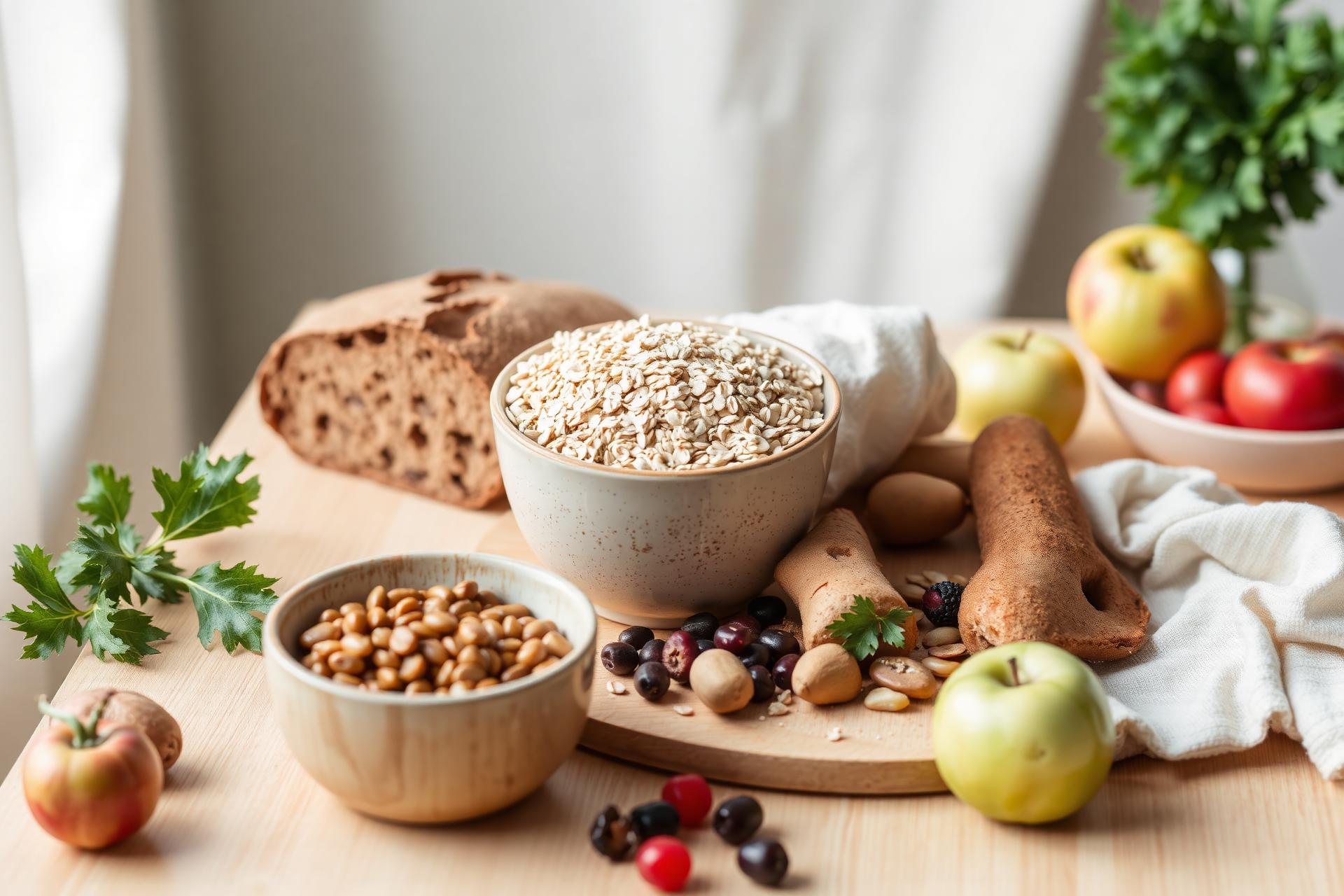
Fibre
Fibre comes from plants and plays a key role in digestion, blood sugar regulation and a healthy gut microbiome. Most people in Norway eat less fibre than recommended, and it is often one of the easiest places to start when improving your diet.
6 min read
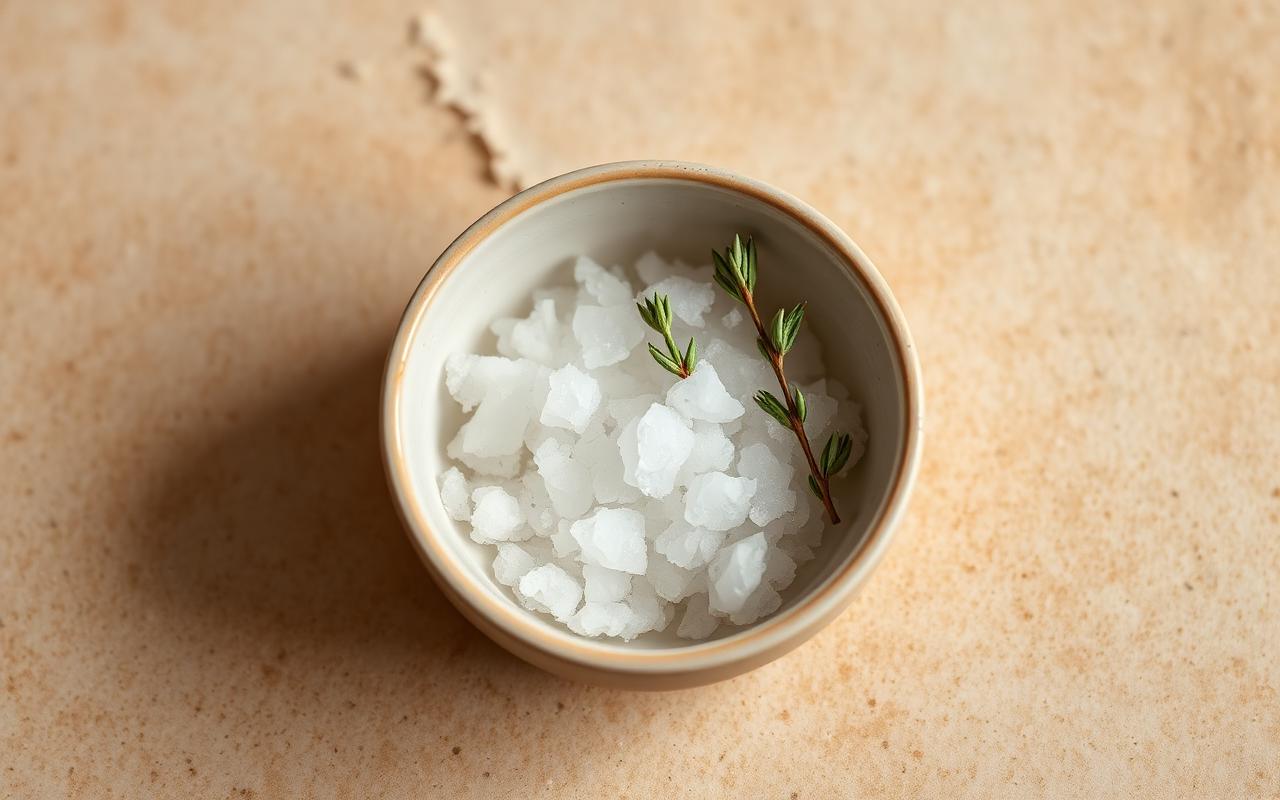
Salt
Salt, or sodium chloride, is necessary for the body's fluid balance and nerve function, but most people in Norway eat significantly more salt than recommended. A high salt intake over time is associated with elevated blood pressure.
5 min read
No two people are alike.
That is why we do not start with a diet – we start by getting to know you. SmartEating adapts advice and meals to your body, goals and daily life, so healthy choices become easier to live with over time.