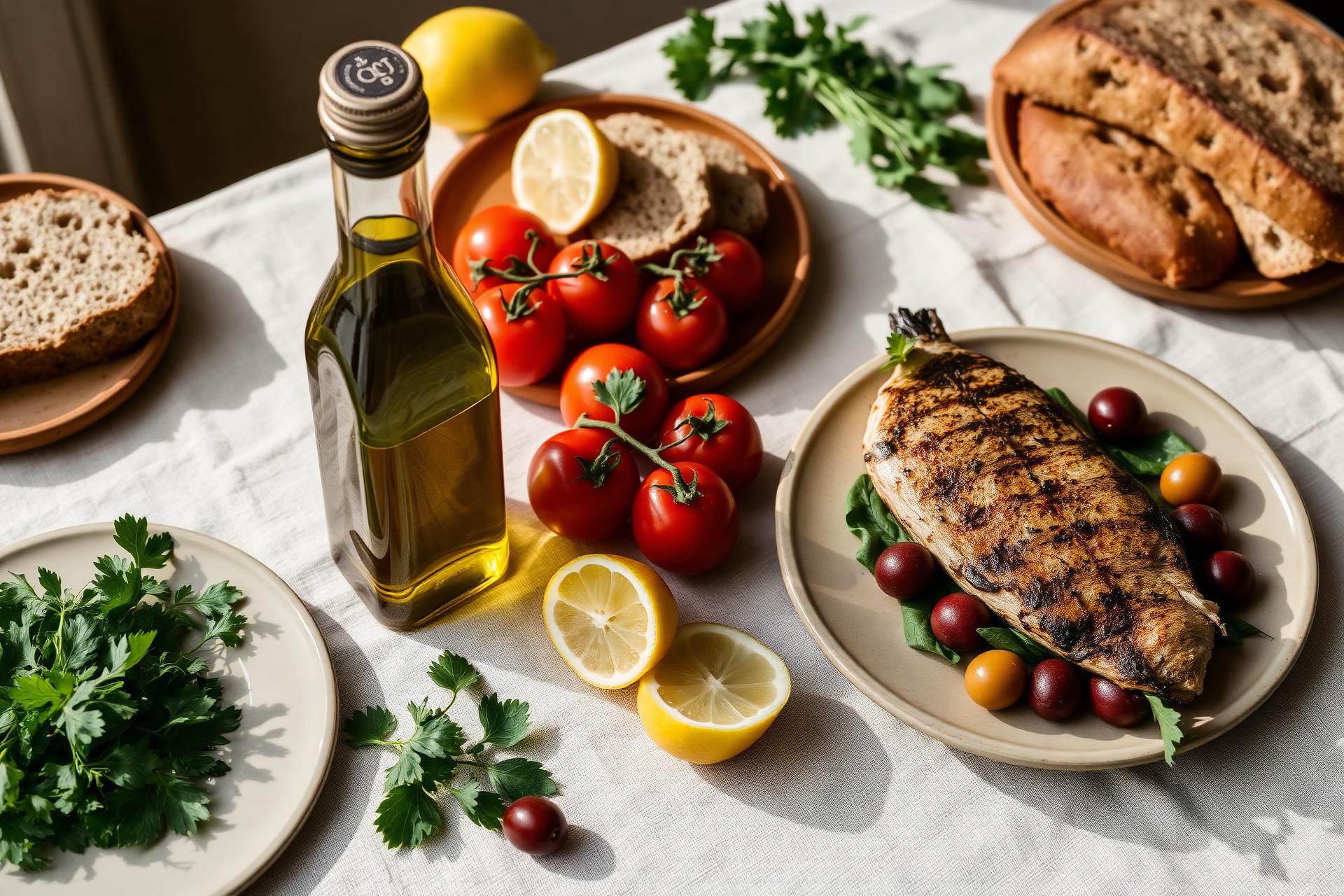
Healthy ageing
Healthy ageing isn't about stopping the clock — it's about giving your body the best conditions to stay strong, mobile and well throughout life. Diet and lifestyle are among the factors we can influence the most ourselves.
What is this?
Ageing is a natural process that affects everything from muscle mass and bone density to metabolism and immune function. Healthy ageing is about meeting these changes with a diet and lifestyle that supports the body's function for as long as possible, rather than trying to reverse the ageing process itself.
A diet that supports healthy ageing is characterised by good variety, enough protein, plenty of vegetables, fruit, whole grains and healthy fats, along with a mindful approach to energy balance. This aligns with the same principles that underpin a healthy diet at every life stage.
Beyond diet, physical activity, sleep, social connection and stress management all play a significant role. These factors are closely linked — good nutrition gives you more energy to stay active, and activity in turn supports appetite, sleep and muscle health.
Why does it matter?
With age, muscle mass and appetite typically decline, while the need for certain nutrients, such as protein and vitamin D, can increase. A mindful diet helps counteract unwanted muscle loss and supports the immune system, skeleton, and heart and vascular health.
Research suggests there is no single magic solution for healthy ageing, but that the sum of good habits over time makes a substantial difference to how we feel in later life.
How to put this into practice
Spread out your protein intake
Distribute protein sources like fish, eggs, dairy, chicken and legumes evenly across your meals throughout the day.
Eat colourfully
Let vegetables and fruit in different colours make up a large part of your plate for a broad range of vitamins and antioxidants.
Prioritise whole grains
Choose wholegrain bread, oats and coarse grain products over refined versions for more fibre and steadier blood sugar.
Stay active
Combine daily walking with strength training a couple of times a week to preserve muscle mass and balance.
Take care of your sleep
Make time for regular sleep, which supports recovery, appetite regulation and mood.
Make meals social
Share meals with others when you can — it supports wellbeing and can make it easier to eat varied and adequate amounts.
What does the research say?
Studies show that older adults who maintain an adequate and varied diet are better positioned to preserve muscle strength and functional capacity than those who eat a narrow or insufficient diet.
Research also suggests that a diet rich in vegetables, whole grains, fish and healthy fats — often described as a Mediterranean-inspired eating pattern — is associated with better cardiovascular health and lower risk of certain age-related conditions.
At the same time, research points to diet and physical activity working best together. Protein alone doesn't build muscle without load-bearing exercise, and training alone doesn't give optimal results without adequate nutrition.
Common misconceptions
«You need to eat a lot less as you get older.»
The need for certain nutrients, such as protein, often increases, even though total energy needs may decrease somewhat.
«Supplements can replace a healthy diet in later life.»
Supplements can be appropriate for a confirmed deficiency, but a varied diet should always be the foundation.
«It's too late to change habits after a certain age.»
Studies suggest that improvements in diet and activity level can have positive effects no matter when in life they are introduced.
Who should pay extra attention?
- Unintentional weight loss or reduced appetite over time should always be assessed by a doctor.
- Older adults with reduced kidney function should discuss protein intake with a healthcare professional.
- Changes in taste, or chewing and swallowing difficulties, can affect food intake and should be taken seriously.
- Taking multiple medications at once can affect nutrient absorption — speak with a doctor or pharmacist if you have concerns.
Frequently asked questions
Is there a special diet for healthy ageing?+
There is no single miracle diet. A varied diet in line with dietary guidelines, with enough protein, vegetables and whole grains, is a well-documented, solid approach.
Should older adults eat more protein than younger people?+
Several recommendations suggest older adults may benefit from a somewhat higher protein intake than younger adults to counteract muscle loss, but this should be considered alongside overall diet and activity level.
Are supplements necessary for healthy ageing?+
Not necessarily, but some groups may need supplements such as vitamin D, and this should be assessed individually, ideally with guidance from a healthcare professional.
How important is physical activity compared with diet?+
Both matter and reinforce each other. Diet provides building blocks and energy, while activity gives the body a reason to use them.
Keep reading
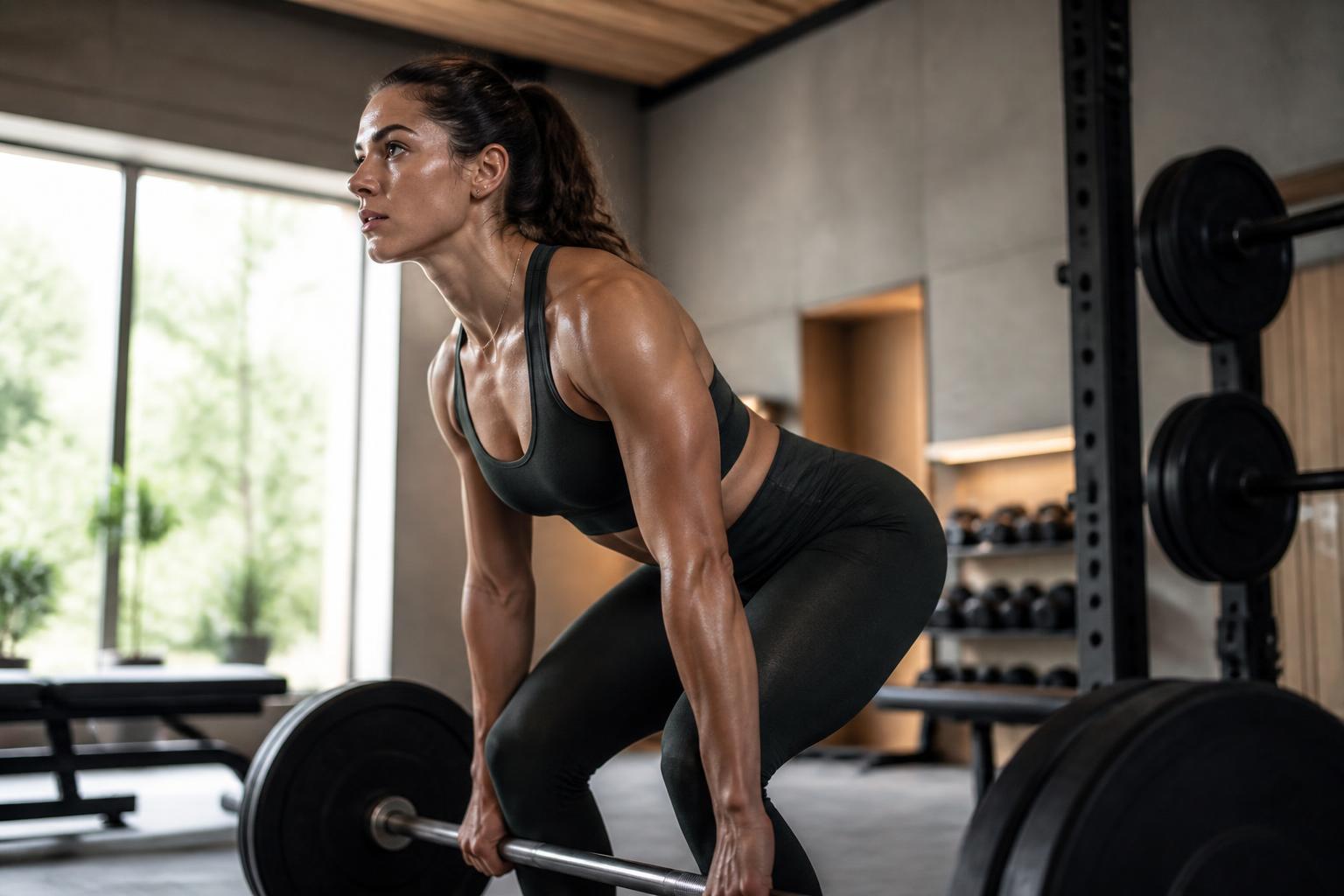
Muscle health
Muscles aren't just important for strength and performance — they play a central role in metabolism, balance and independence throughout life. Good muscle health is built over time, through diet and movement together.
6 min read

Physical activity
Physical activity and diet are closely connected. What you eat affects how much energy you have to move, and your activity level affects how your body uses the nutrients you consume.
6 min read
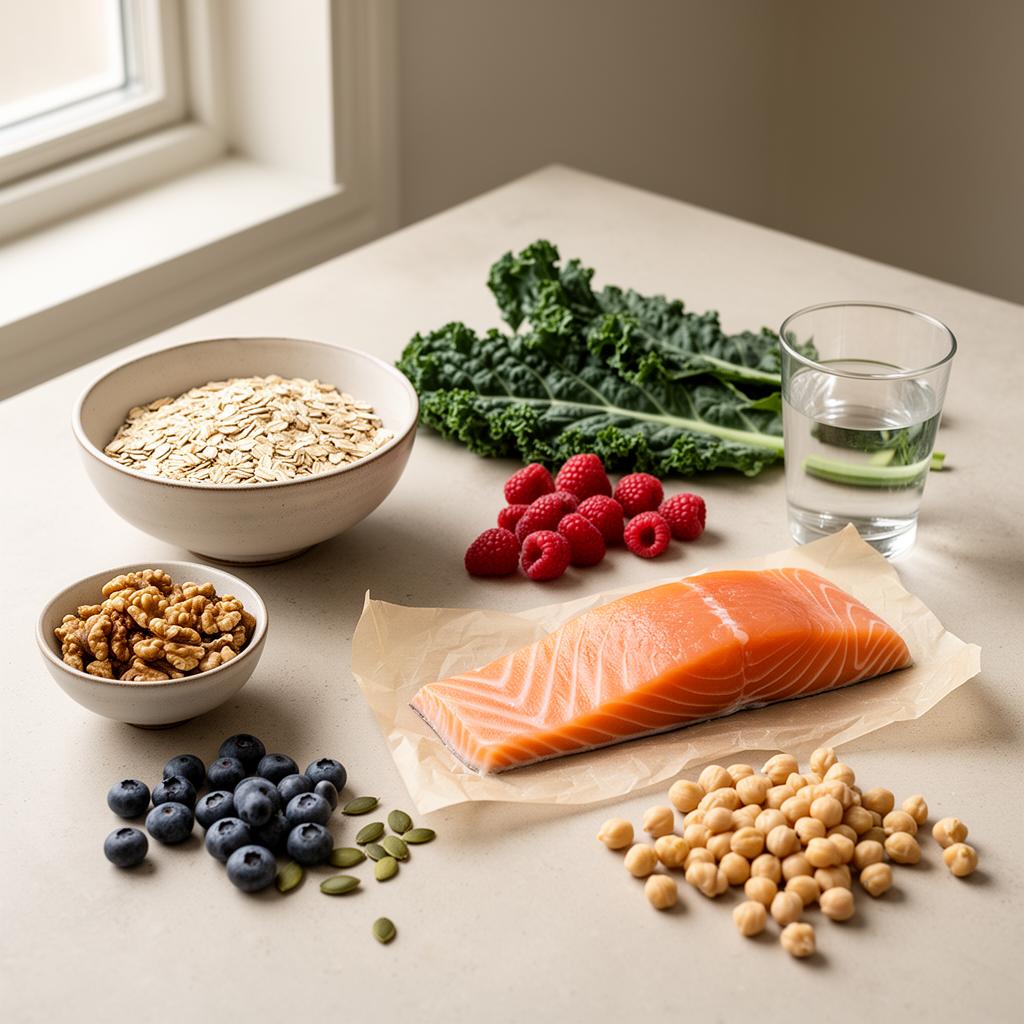
Prevention
Much of what influences the risk of lifestyle-related disease later in life comes down to habits built over time. A healthy diet is one of the most well-documented forms of prevention we have.
7 min read
No two people are alike.
That is why we do not start with a diet – we start by getting to know you. SmartEating adapts advice and meals to your body, goals and daily life, so healthy choices become easier to live with over time.