Prevention
Much of what influences the risk of lifestyle-related disease later in life comes down to habits built over time. A healthy diet is one of the most well-documented forms of prevention we have.
What is this?
Prevention through diet is about reducing the risk of conditions such as cardiovascular disease, type 2 diabetes and certain cancers, through sustained, good dietary habits rather than short-term measures.
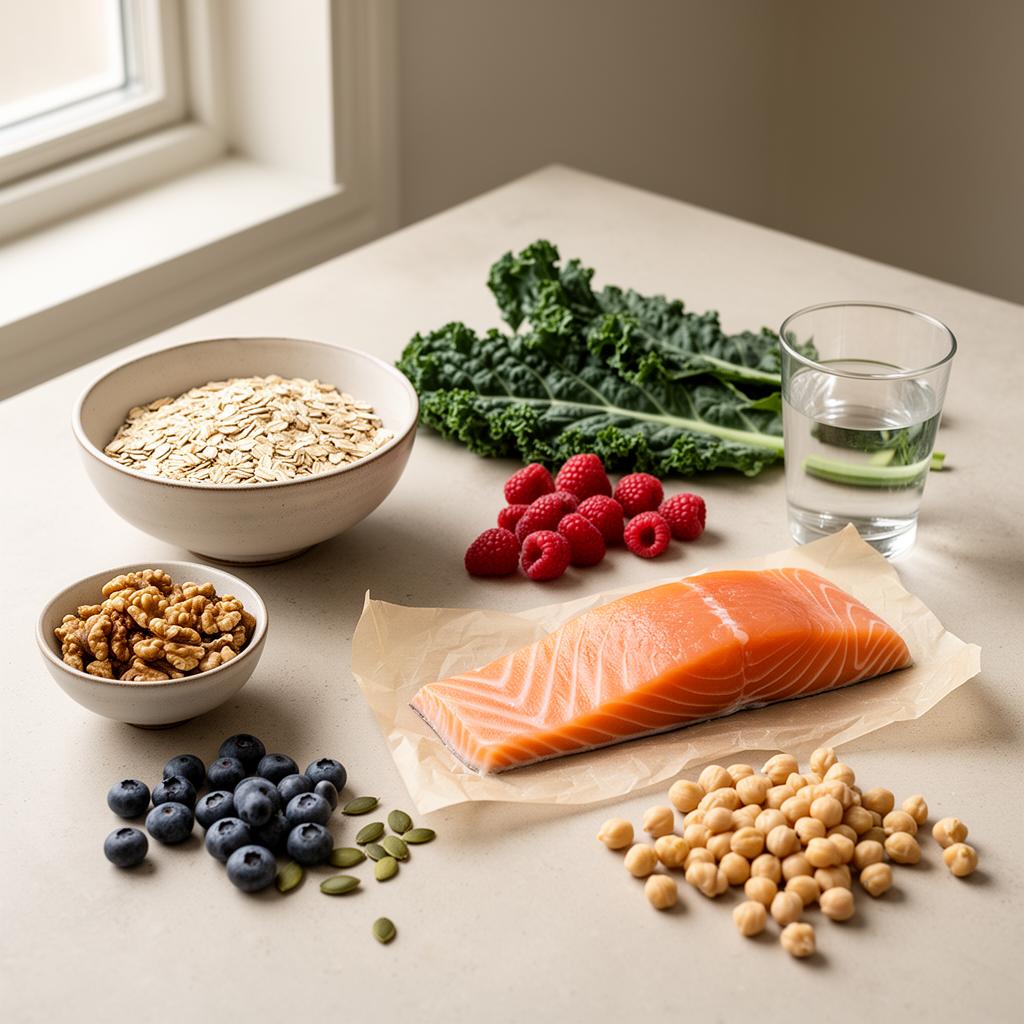
The core of a preventive diet aligns with Norwegian dietary guidelines: plenty of vegetables, fruit, berries, whole grains and fish, moderate amounts of red meat, and limited intake of processed food, sugar and salt.
Prevention is also about the bigger picture — regular physical activity, adequate sleep, moderate alcohol intake and not smoking all work together with diet to reduce overall risk.
Why does it matter?
Many of today's most common lifestyle-related diseases develop gradually over many years, shaped by the sum of daily choices. This makes a preventive diet especially valuable, because it works over time rather than instantly.
Research suggests that a diet rich in plant-based foods, fibre and healthy fats, with limited intake of processed food, is associated with lower risk of several of the most common chronic diseases.
How to put this into practice
Fill half your plate with vegetables
Let vegetables, and preferably some fruit or berries, make up a large share of your meals.
Choose whole grains over refined
Swap white bread, pasta and rice for wholegrain versions for more fibre and steadier blood sugar.
Eat fish regularly
Aim for fish for dinner several times a week, ideally including oily fish such as salmon or mackerel.
Limit processed food
Reduce your intake of heavily processed products high in sugar, salt and added fat.
Be mindful of salt and sugar
Season with herbs and spices rather than a lot of salt, and limit sweets and sugary drinks in everyday life.
Stay active and smoke-free
Combine a healthy diet with regular activity and avoid smoking for the best overall effect.
What does the research say?
Studies consistently show that diets high in vegetables, fruit, whole grains, legumes, nuts and fish are associated with lower risk of cardiovascular disease.
Research also suggests that high intake of heavily processed food, sugary drinks and salt is associated with increased risk of several chronic conditions, including type 2 diabetes and high blood pressure.
There is further research pointing to the fact that no single food or nutrient determines risk on its own — it's the overall dietary pattern over time that matters most.
Common misconceptions
«You have to cut out entire food groups to prevent disease.»
A varied diet with good balance, rather than strict prohibitions, is usually more sustainable and well documented.
«Supplements can prevent disease the same way a healthy diet can.»
Studies generally show that whole foods and dietary patterns have better documented preventive effects than isolated supplements.
«Prevention is just about avoiding unhealthy food.»
It's at least as much about including enough of what's beneficial, such as vegetables, fibre and healthy fats.
Who should pay extra attention?
- People at increased risk of cardiovascular disease or diabetes should receive individual follow-up from a doctor or dietitian.
- A family history of chronic disease should be discussed with your GP for tailored follow-up.
- Diet is one of several elements in prevention and doesn't replace medical treatment for a diagnosed condition.
- Major, rapid dietary changes should be made in consultation with a healthcare professional if you have underlying health conditions.
Frequently asked questions
Can diet alone prevent disease?+
Diet is an important factor, but it works alongside activity, sleep and genetics, among other things. It reduces risk, but offers no guarantee.
Is it too late to start a preventive diet as an adult?+
No, studies suggest that dietary changes can have positive effects on risk no matter when in life they're introduced.
Which food is most important for prevention?+
There's no single magic food. It's the overall dietary pattern over time that matters most.
Should I take supplements to prevent disease?+
As a general rule, a varied diet should be the foundation, while supplements are considered individually when a specific need is identified.
Keep reading
Healthy ageing
Healthy ageing isn't about stopping the clock — it's about giving your body the best conditions to stay strong, mobile and well throughout life. Diet and lifestyle are among the factors we can influence the most ourselves.
7 min read
Lifestyle and healthy life years
Healthy life years are about more than how long we live — they're about how well we live. Diet is a central part of a lifestyle that supports energy, function and quality of life throughout life.
7 min read
Fibre
Fibre comes from plants and plays a key role in digestion, blood sugar regulation and a healthy gut microbiome. Most people in Norway eat less fibre than recommended, and it is often one of the easiest places to start when improving your diet.
6 min read
No two people are alike.
That is why we do not start with a diet – we start by getting to know you. SmartEating adapts advice and meals to your body, goals and daily life, so healthy choices become easier to live with over time.