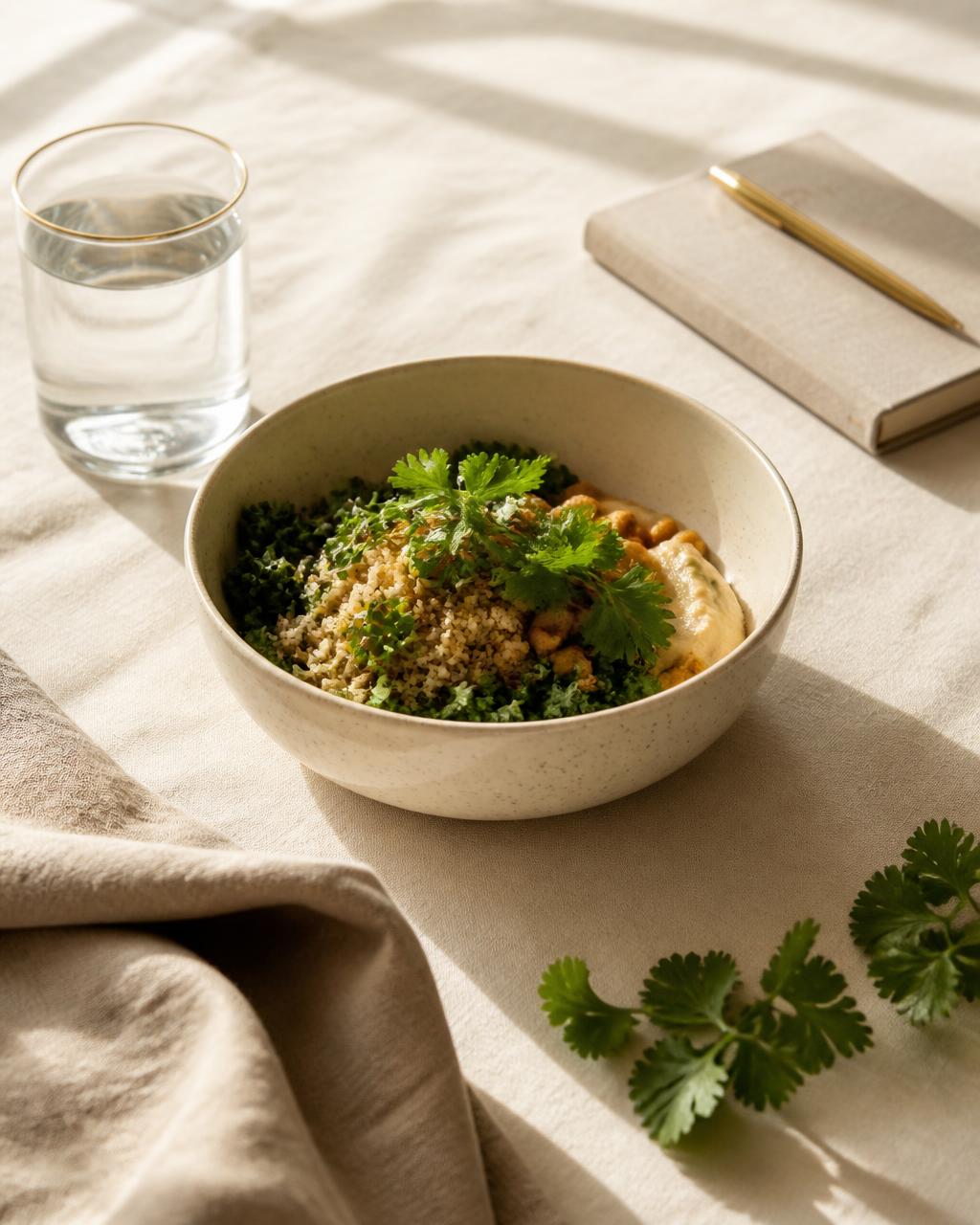
Lifestyle and healthy life years
Healthy life years are about more than how long we live — they're about how well we live. Diet is a central part of a lifestyle that supports energy, function and quality of life throughout life.
What is this?
Healthy life years, often described as the number of years lived without serious illness or disability, are shaped by an interplay between diet, physical activity, sleep, social relationships and stress management.
A diet that supports healthy life years is characterised by variety, adequate intake of vegetables, fruit, whole grains, legumes, fish and healthy fats, and a mindful approach to processed food, sugar and alcohol.
Lifestyle is also about sustainable habits rather than short-term fixes. It's the sum of what you do regularly over years, not isolated good or bad choices, that matters most.
Why does it matter?
Research suggests that lifestyle factors, including diet, can significantly affect the risk of developing chronic disease and how many years you live with good function and quality of life.
Building a healthy lifestyle is about realistic, lasting change rather than perfectionism. Small, consistent choices over time often produce better long-term results than drastic, short-lived overhauls.
How to put this into practice
Build a consistent meal rhythm
Eat regular meals throughout the day for steadier energy and better appetite regulation.
Prioritise nutrient-dense foods
Choose foods that provide a lot of nutrition per calorie, such as vegetables, whole grains, legumes and fish, as the base of your diet.
Limit alcohol
Keep alcohol intake low and mindful, in line with current recommendations.
Invest in sleep and stress management
Make time for rest and relaxation — it affects both food choices and overall health.
Keep shared meals alive
Share meals with family or friends when you can — it supports wellbeing and good eating habits over time.
Make changes gradually
Introduce new habits one at a time to improve the chances they'll last.
What does the research say?
Studies show that people with several healthy lifestyle habits at once, such as a good diet, regular activity and not smoking, have lower risk of premature death and chronic disease compared with those with few such habits.
Research suggests that no single factor determines healthy life years, but rather the combined effect of several good habits over time.
There is also research pointing to the fact that social relationships and a sense of meaning and belonging are linked to better health outcomes, underscoring that lifestyle is about more than just diet and exercise.
Common misconceptions
«You have to do everything perfectly for it to have an effect.»
Studies suggest that consistent, good habits over time matter more than perfection in individual meals or days.
«Healthy life years are just about living longer.»
It's at least as much about quality of life and functional capacity during the years you live.
«Lifestyle changes have to be big to count.»
Small, sustainable changes that are maintained over time often produce better long-term results than drastic overhauls.
Who should pay extra attention?
- Major lifestyle changes should be introduced gradually, especially with underlying health conditions.
- Drinking habits that feel difficult to change should be discussed with a doctor.
- Persistent stress, sleep problems or low energy should be followed up by a healthcare professional.
- Diet is one of several factors — it doesn't replace follow-up for chronic conditions.
Frequently asked questions
What matters most for healthy life years — diet or activity?+
Both matter and reinforce each other. It's the sum of good habits, not a single factor, that matters most.
Can I extend my healthy life years by changing my lifestyle now?+
Studies suggest lifestyle changes can have positive effects no matter when in life they're introduced, although starting early may give the greatest effect over time.
Do I need to cut out alcohol completely?+
Not necessarily, but keeping intake low and mindful aligns with current recommendations for good health.
How do I start making lifestyle changes without feeling overwhelmed?+
Start with one or two concrete, manageable changes, and build from there once they've become a natural part of everyday life.
Keep reading
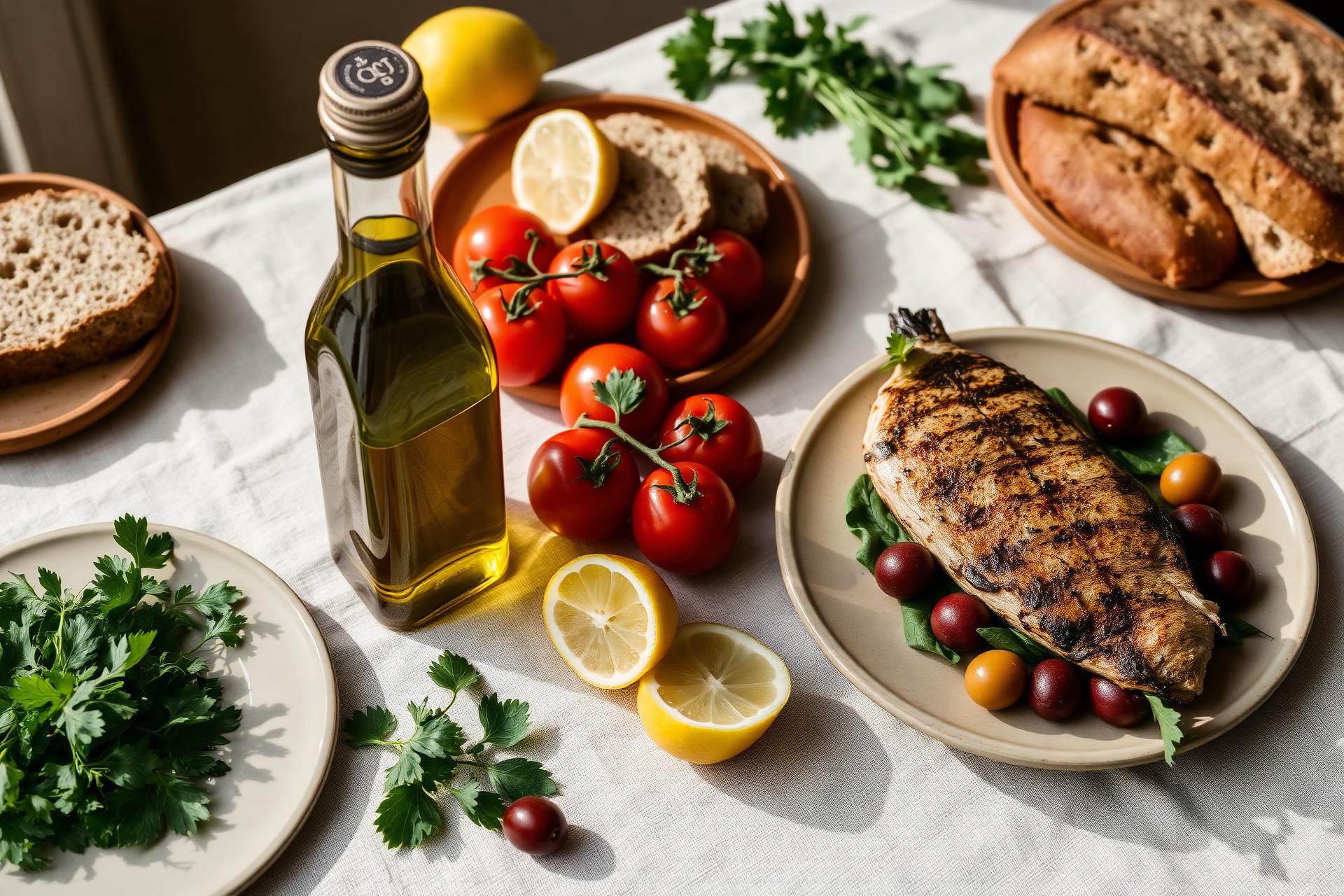
Healthy ageing
Healthy ageing isn't about stopping the clock — it's about giving your body the best conditions to stay strong, mobile and well throughout life. Diet and lifestyle are among the factors we can influence the most ourselves.
7 min read
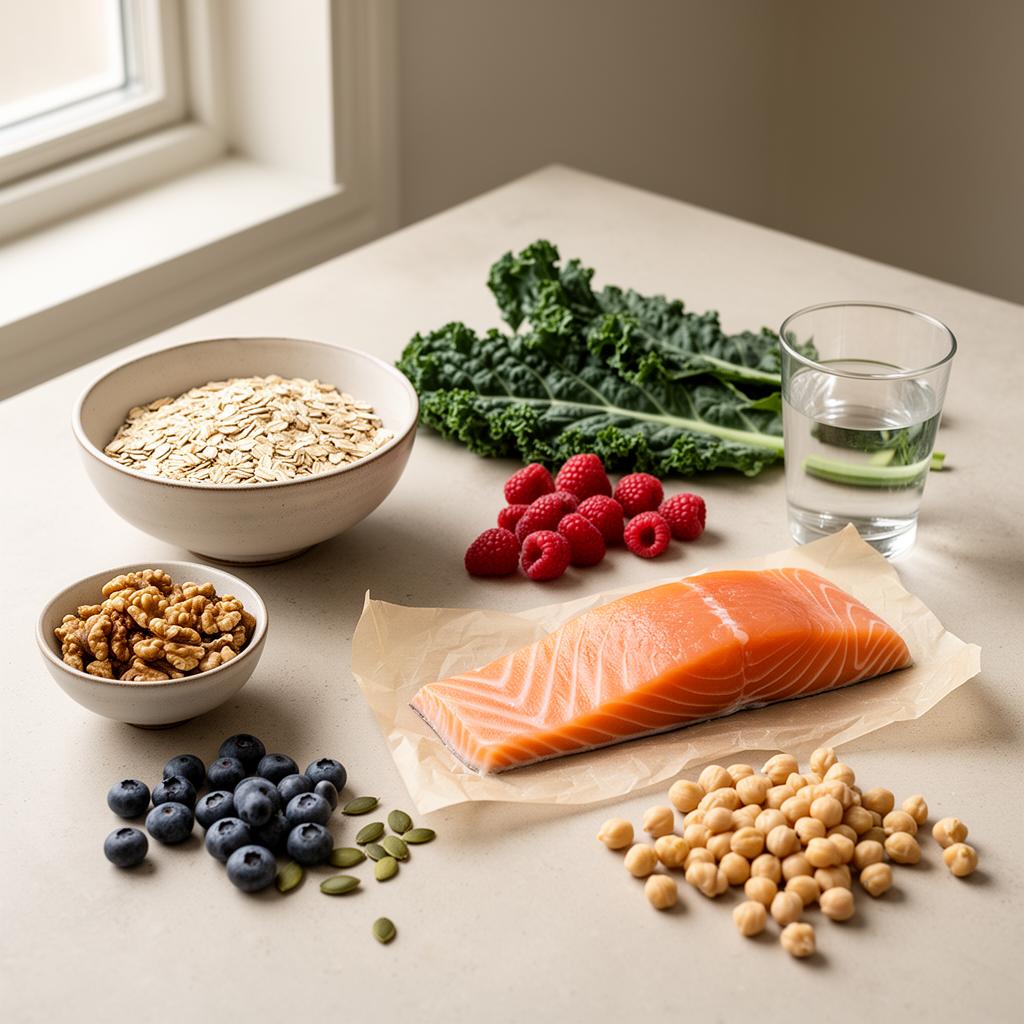
Prevention
Much of what influences the risk of lifestyle-related disease later in life comes down to habits built over time. A healthy diet is one of the most well-documented forms of prevention we have.
7 min read

Physical activity
Physical activity and diet are closely connected. What you eat affects how much energy you have to move, and your activity level affects how your body uses the nutrients you consume.
6 min read
No two people are alike.
That is why we do not start with a diet – we start by getting to know you. SmartEating adapts advice and meals to your body, goals and daily life, so healthy choices become easier to live with over time.
