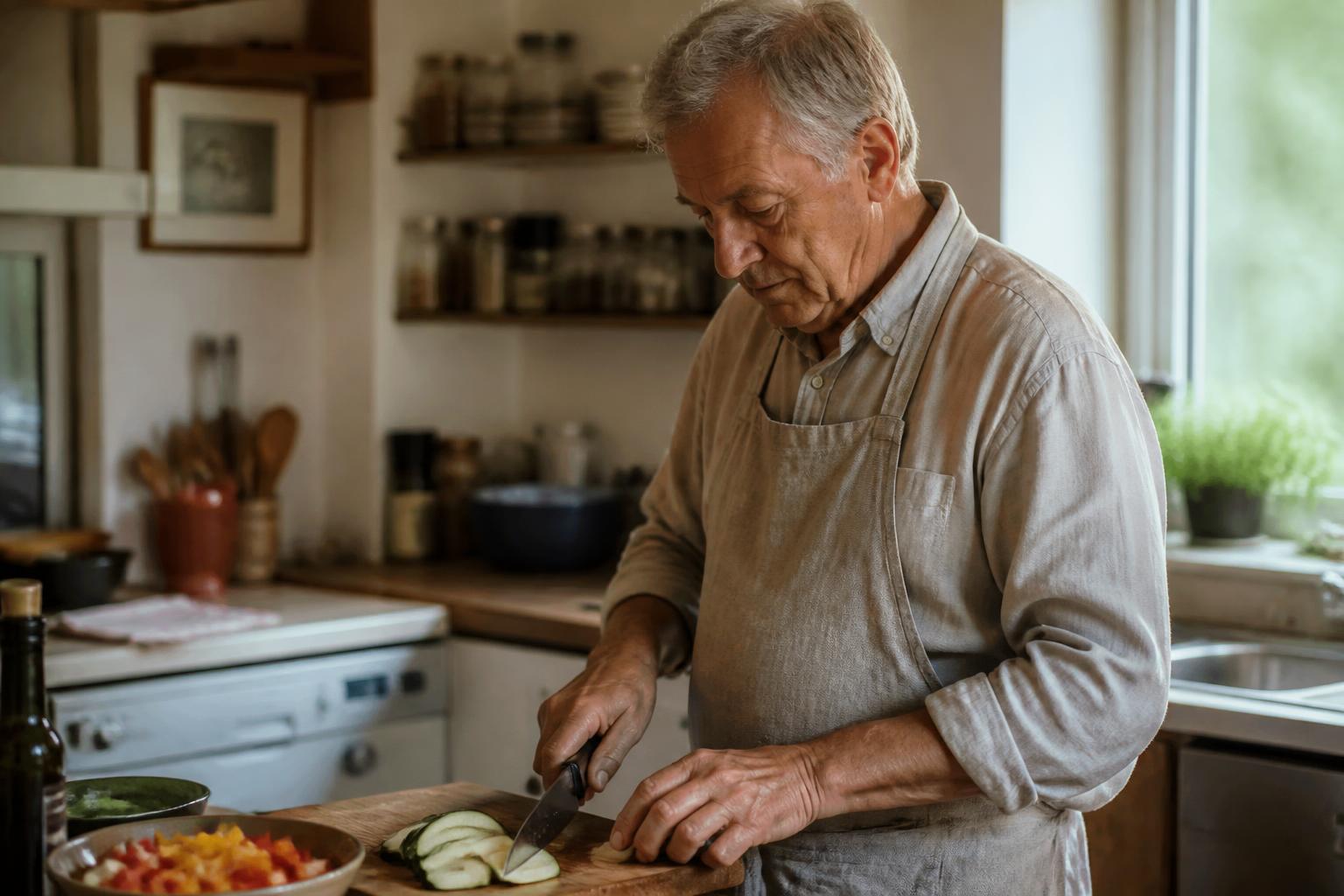
Older adults
With age, the body's composition and needs change, and the focus should increasingly shift toward preserving muscle mass, skeletal health, and adequate nutrient intake, even as appetite often declines somewhat.
Quality-assured by Eugenie Meijn, Autorisert helsepersonell
What is this?
With age, muscle mass and appetite often gradually decline, while the need for certain nutrients, such as protein, calcium, and vitamin D, remains high or even increases compared with earlier in life. This makes it important to prioritise nutrient-dense food over food with low nutritional value, especially if appetite is reduced.
Protein plays a particularly important role for older adults, since adequate intake, ideally spread evenly across the day's meals, helps preserve muscle mass and function. Combined with physical activity, this can slow age-related muscle loss.
Reduced sense of thirst, changes in taste, and any chewing or swallowing difficulties can also affect food intake in older adults, and it may therefore be necessary to adapt texture, flavour, and meal structure to ensure sufficient intake of both food and fluids.
Why does it matter?
Adequate nutrition in older adults helps maintain muscle strength, balance, immune function, and the ability to manage daily life independently, while reducing the risk of falls, hospitalisation, and longer recovery times during illness.
Undernutrition is a real risk in this age group, especially with reduced appetite, illness, or social isolation, and early attention to diet can contribute to better quality of life and function over time.
Key focus areas
Protein
Helps preserve muscle mass and function; should be spread evenly across meals throughout the day.
Calcium and vitamin D
Important for skeletal health and for reducing the risk of osteoporosis and fractures.
Fluid intake
The sense of thirst declines with age, making conscious fluid intake especially important.
Nutrient-dense food
With reduced appetite, priority should go to food with high nutritional content per portion.
Vitamin B12
Absorption can decline with age, and some older adults may need supplements.
Adapted texture
With chewing or swallowing difficulties, adapting the texture of food can support better and safer intake.
What does the research say?
Research shows that adequate, evenly distributed protein intake, combined with strength training, can help preserve muscle mass and physical function in older adults better than diet or exercise alone.
Studies suggest that undernutrition is underdiagnosed in older adults, especially those living at home, and that early identification of reduced appetite or weight loss can prevent more serious consequences such as weakened immune function and increased fall risk.
Research has also examined the link between vitamin D status and skeletal health in older adults, where adequate intake, ideally combined with calcium, appears beneficial for reducing fracture risk.
Common misconceptions
«Older adults need less nutrition because they move less.»
Although energy needs may decrease somewhat, the need for many nutrients, such as protein, calcium, and vitamin D, remains high or increases with age.
«Weight loss is a natural and harmless part of ageing.»
Unintentional weight loss in older adults should always be taken seriously and investigated, since it can be a sign of undernutrition or underlying illness.
«It's too late to build muscle at an old age.»
Research shows that older adults can build and preserve muscle mass through a combination of adequate protein intake and strength training, even at an advanced age.
Who should pay extra attention?
- Unintentional weight loss or persistently reduced appetite in older adults should always be followed up by a doctor.
- Chewing or swallowing difficulties should be assessed by a healthcare professional to ensure safe and adequate food intake.
- Older adults with multiple chronic conditions should receive individually tailored dietary guidance.
- Social isolation can affect appetite and food intake, and should be considered in follow-up care.
- Watch for signs of dehydration, especially during hot periods or illness.
Frequently asked questions
Why is protein especially important for older adults?+
Protein helps preserve muscle mass and function, which is crucial for balance, strength, and the ability to manage daily life independently with age.
How can appetite be maintained at an older age?+
Regular, smaller meals, good company during meals, and attention to flavour and presentation can help maintain appetite, even as it generally declines.
Do older adults need supplements?+
Vitamin D and possibly vitamin B12 may be relevant for some older adults, depending on diet, sun exposure, and absorption. This should be assessed individually with a doctor.
Is it dangerous to lose weight as an older adult?+
Unintentional weight loss can be a sign of undernutrition or illness and should always be investigated by a doctor, unlike planned and controlled weight loss.
Keep reading

Adults
In adulthood, nutrition is largely about maintaining good health, stable energy, and preventing lifestyle-related conditions over time. Needs are relatively stable, but individual factors such as activity level, life stage, and health status play a role.
6 min read
Protein
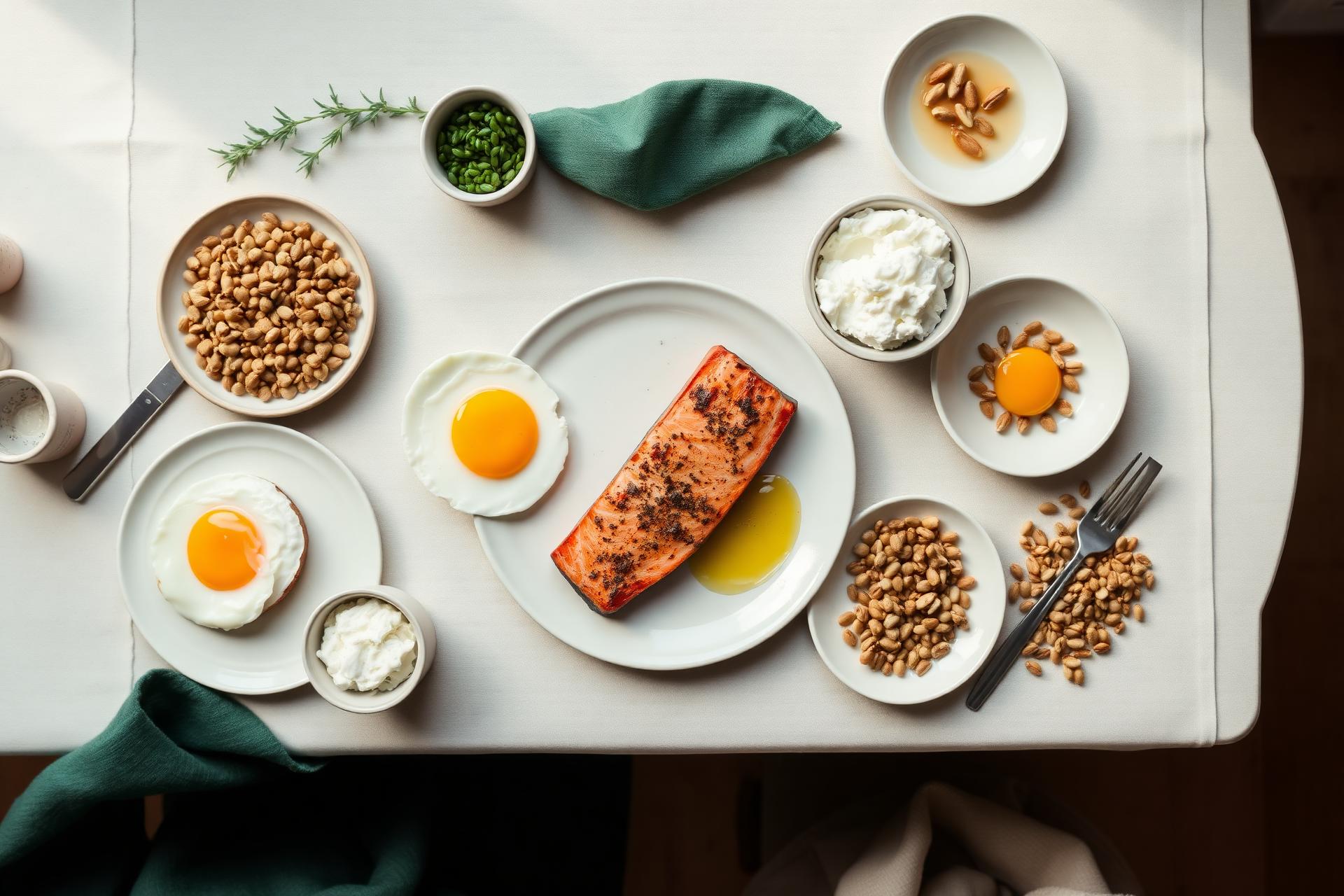
Protein is the building block of muscles, skin, enzymes and hormones, and one of the nutrients that gives the most satiety. Most people get enough protein through a varied diet, but needs can shift with age, activity level and life stage.
6 min read
Vitamins and minerals
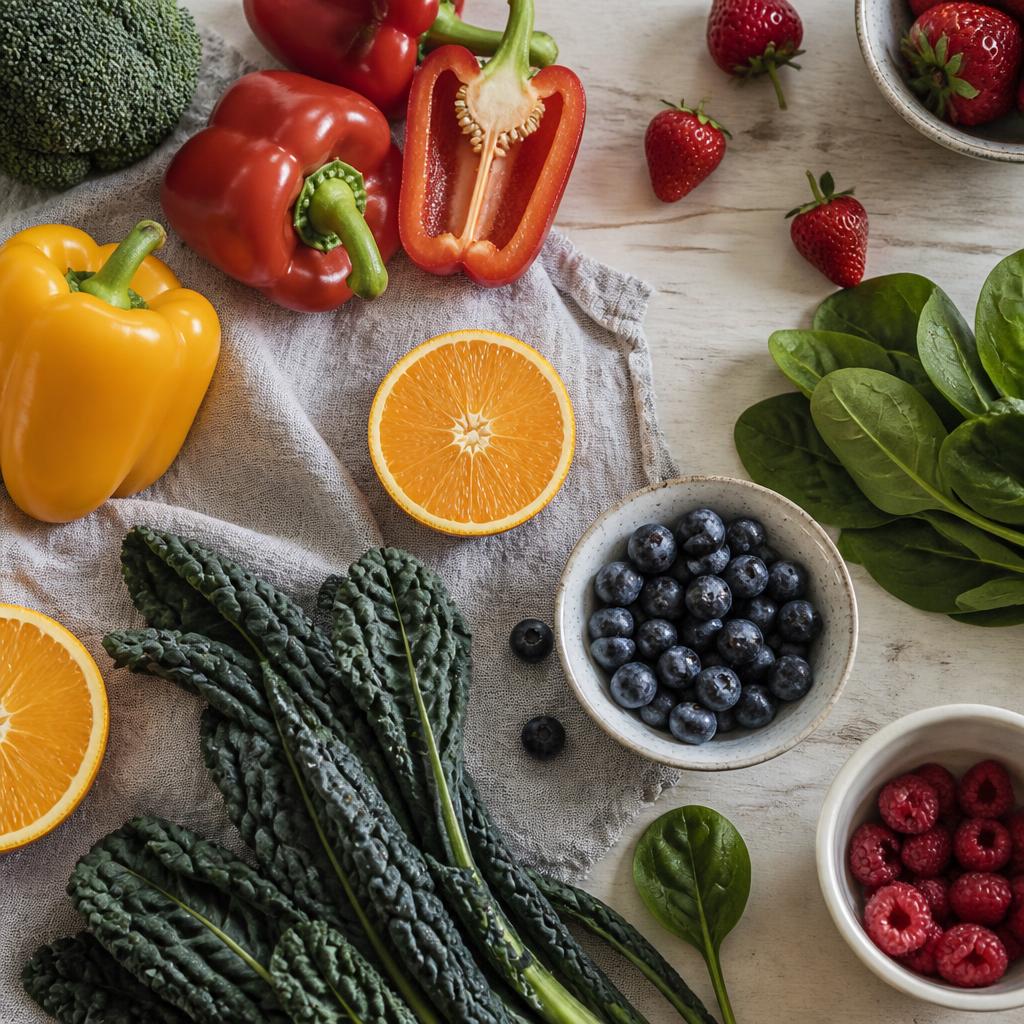
Vitamins and minerals are micronutrients the body needs in small amounts, but they are essential for nearly all bodily functions. A varied diet with plenty of vegetables, fruit, whole grains and good protein sources usually covers the need without supplements.
7 min read
No two people are alike.
That is why we do not start with a diet – we start by getting to know you. SmartEating adapts advice and meals to your body, goals and daily life, so healthy choices become easier to live with over time.