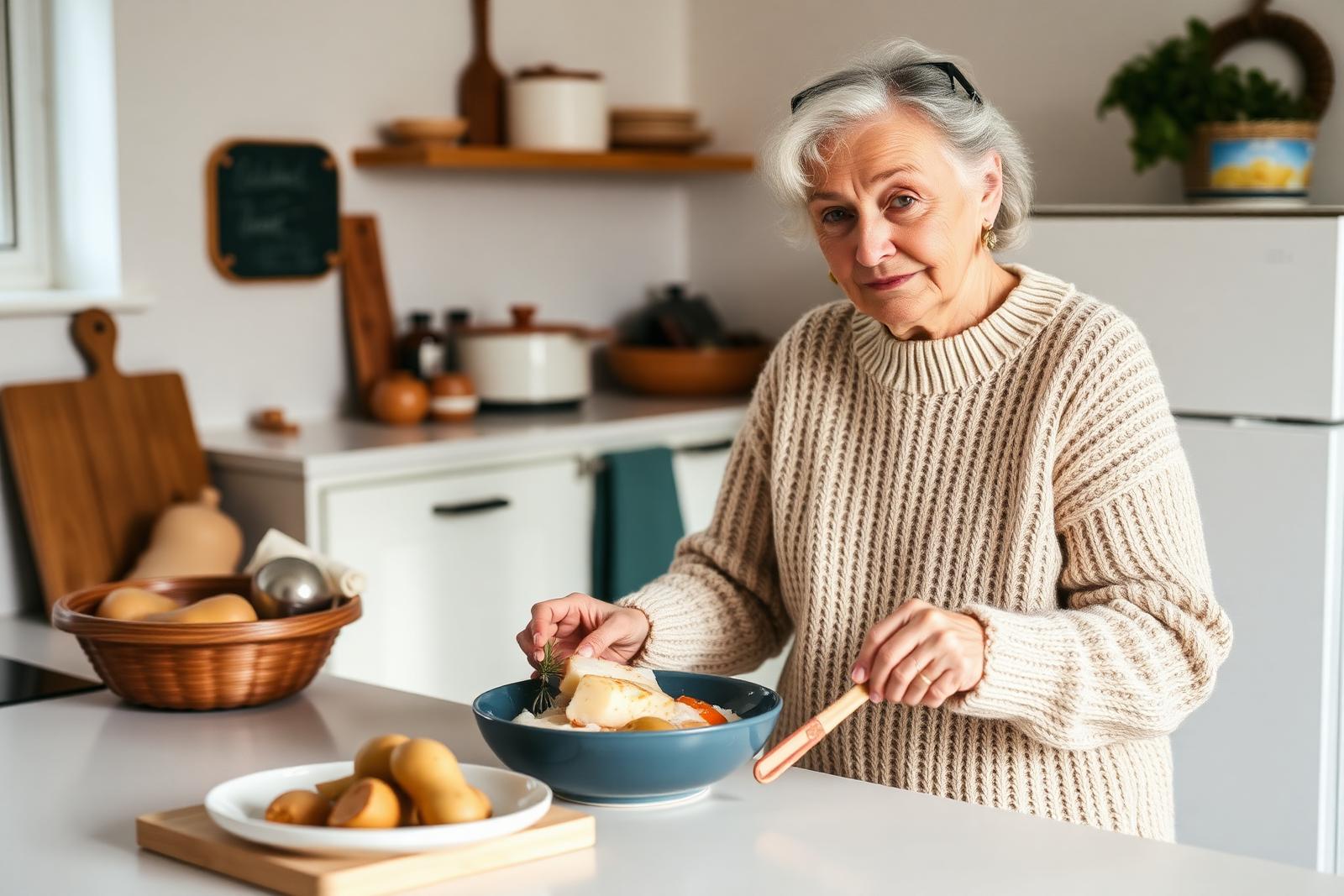
Everyday health in older adults
With age, appetite, taste and body composition change — but the need for nutrition does not shrink. A diet with enough protein and energy is one of the strongest tools for keeping strength, balance and independence.
In short
What is everyday health in later life?
Everyday health is about having enough energy, strength and capacity for what you actually want to do — shop for yourself, manage stairs, take part socially and recover quickly from a cold.
Diet is one of the strongest modifiable factors. Enough protein, energy, fluid and vitamin D means the body copes better and bounces back faster after illness.
It isn't about eating 'strictly', but about eating nutrient-dense enough in the meals you do manage.
Glossary
- Sarcopenia
- Age-related loss of muscle mass and strength.
- Nutrient-dense food
- Food with a lot of nutrition per portion — key when you eat little.
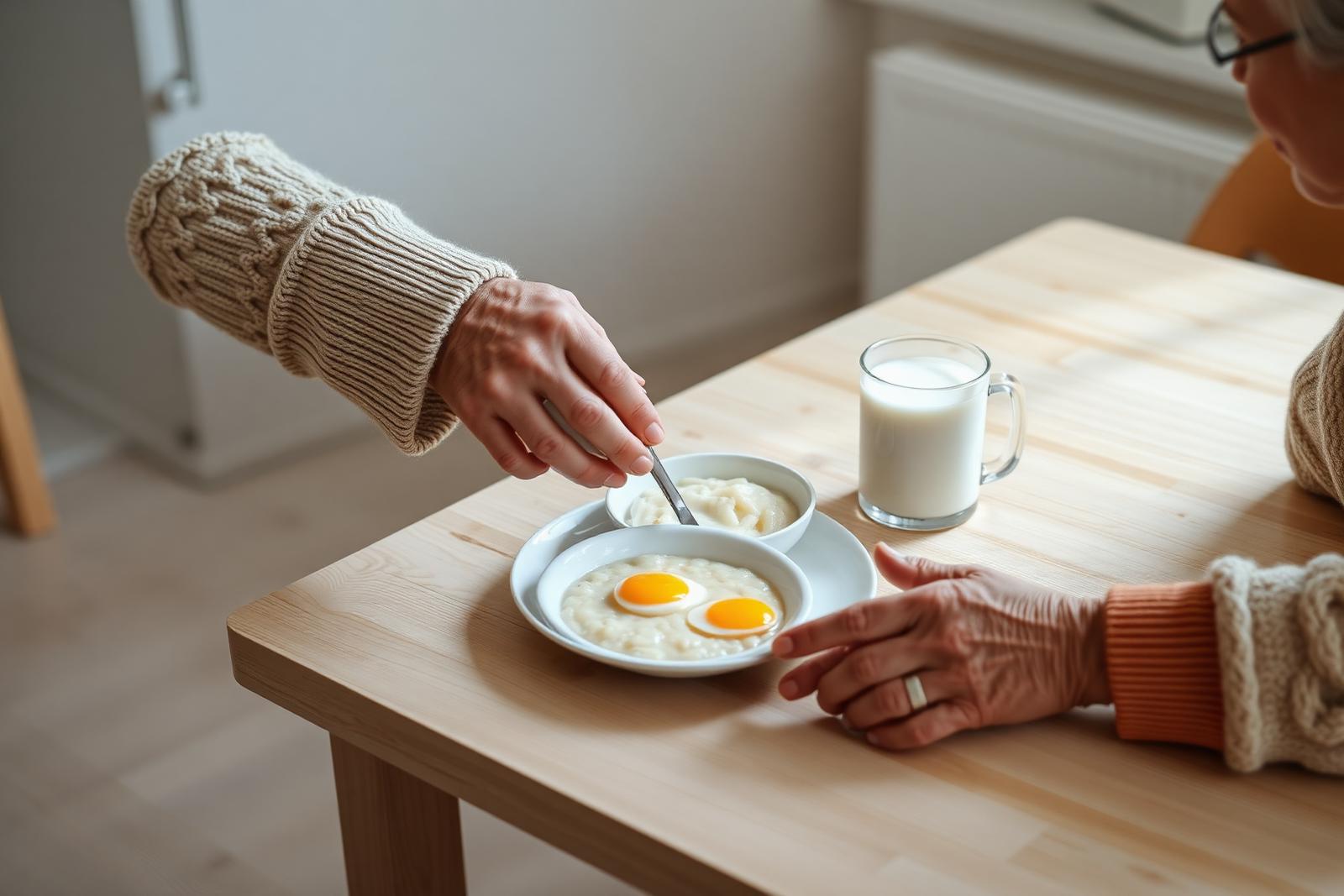
Does this sound familiar?
This might sound like your situation
The changes usually come gradually, first noticed as less energy and slightly less strength.
- You live at home and cook for yourself
- You recently became alone and cook hot meals less often
- You take several regular medications that affect appetite
- You're a relative who wants to help without taking over
- You want to stay fit and keep walking or training
SmartEating recommends
What makes the biggest difference?
These are the factors that usually make the biggest difference day to day.
Protein in every meal
Eggs, fish, dairy, meat or legumes at breakfast, lunch and dinner — not just at dinner.
Strength training twice a week
Training plus protein is the only combination that actually rebuilds muscle.
Vitamin D all year
A supplement is recommended for most older adults in the Nordics, for both bone and muscle function.
Enough fluid
Thirst weakens with age. Fixed drinking points work better than waiting to feel thirsty.
Keep an eye on weight
Stable weight is a good sign. Unintentional loss should be addressed early.
When should you see a doctor?
- Unintentional weight loss of more than 5 percent over six months
- Swallowing difficulties or coughing during meals
- Persistent nausea, vomiting or abdominal pain
- Increasing fatigue, dizziness or repeated falls
SmartEating does not replace medical assessment, but can give you practical dietary support.
Common questions
What people ask us most often.
Should older adults eat more protein than younger ones?
Yes. The need per kilo of body weight is higher, partly because the body uses protein less efficiently. Spreading it through the day matters as much as the total.
Is it too late to start strength training?
No. Strength can be built at any age, and the effect of training combined with enough protein is well documented even in the oldest age groups.
Do I need a vitamin D supplement?
Most older adults in the Nordics are advised to take vitamin D, especially through winter. Your doctor can assess the dose if needed.
Personal nutrition
No two people with everyday health in older adults are the same
Some train a lot, some have several symptoms at once, some are pregnant, some have low values on blood tests and some have a busy family life.
That is why people in the same situation need different advice. SmartEating AI learns your situation over time and adapts suggestions to your body, goals and everyday life.
A clinical dietitian calculates what you actually need in energy and protein, and finds solutions that match your appetite and daily life.
In SmartEating you get simple meal suggestions and a shopping list, so there is less to think about and it's easier to get enough.
READ MORE
The knowledge behind the advice
Older adults
With age, the body's composition and needs change, and the focus should increasingly shift toward preserving muscle mass, skeletal health, and adequate nutrient intake, even as appetite often declines somewhat.
Muscle health
Muscles aren't just important for strength and performance — they play a central role in metabolism, balance and independence throughout life. Good muscle health is built over time, through diet and movement together.
Physical activity
Physical activity and diet are closely connected. What you eat affects how much energy you have to move, and your activity level affects how your body uses the nutrients you consume.
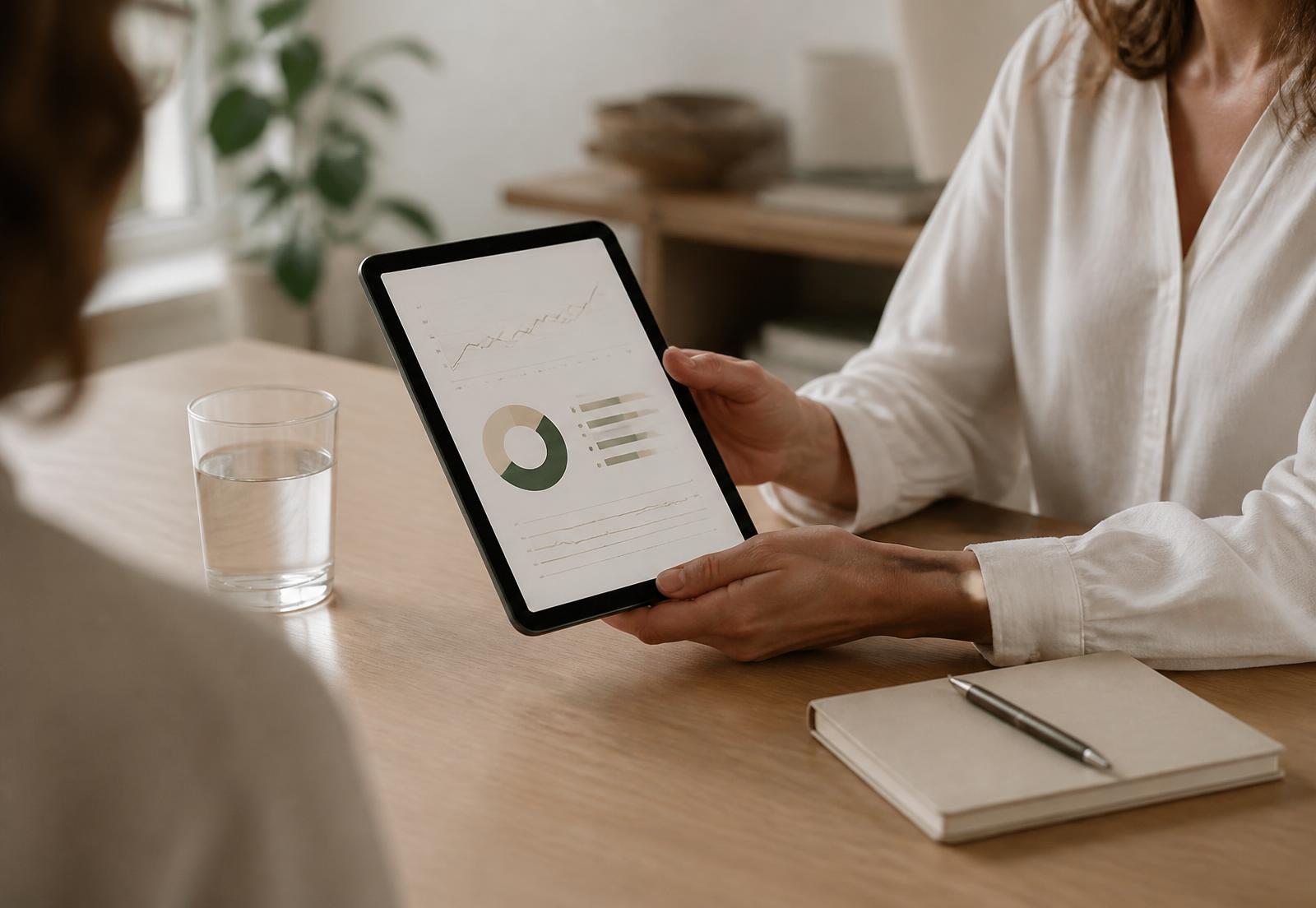
Assessment
A digital form before the session so the specialist knows your situation.
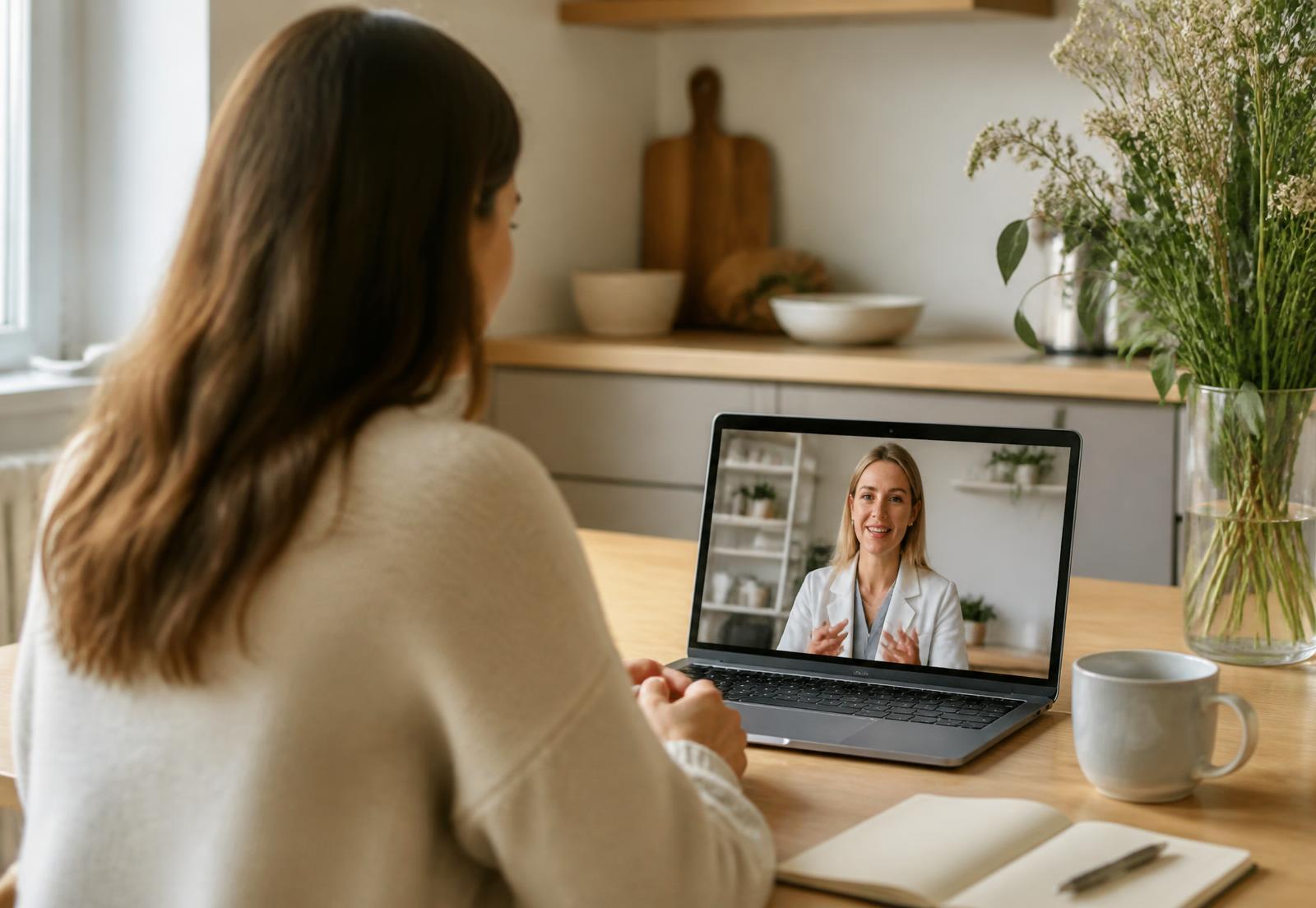
Kick-off conversation
60 minutes online or at a partner clinic.
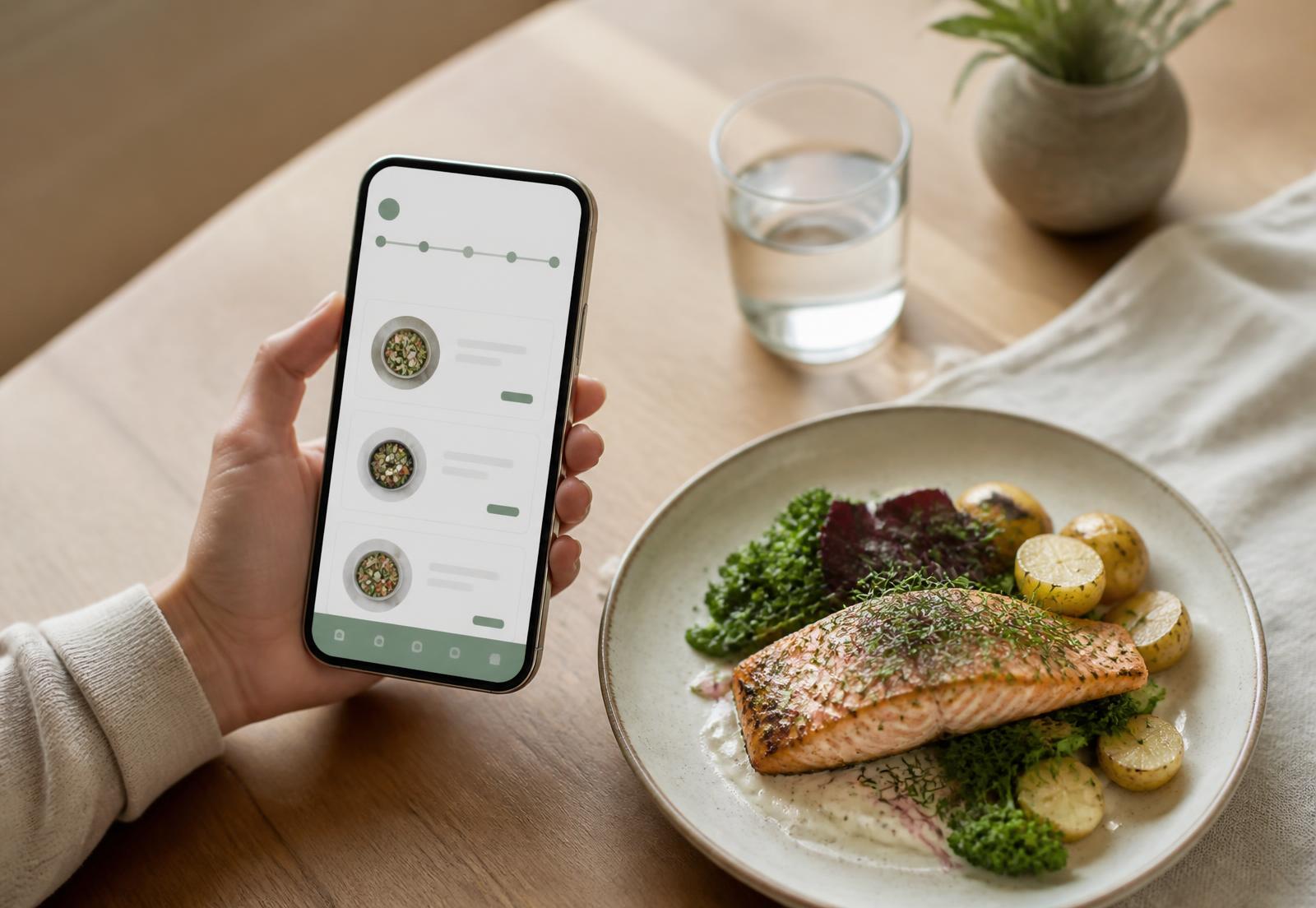
Personal plan
A concrete plan in SmartEating — food, structure and goals tailored to you.
Ready to get help with everyday health in older adults?
We'll connect you with a licensed clinical dietitian who understands your situation.

Related topics