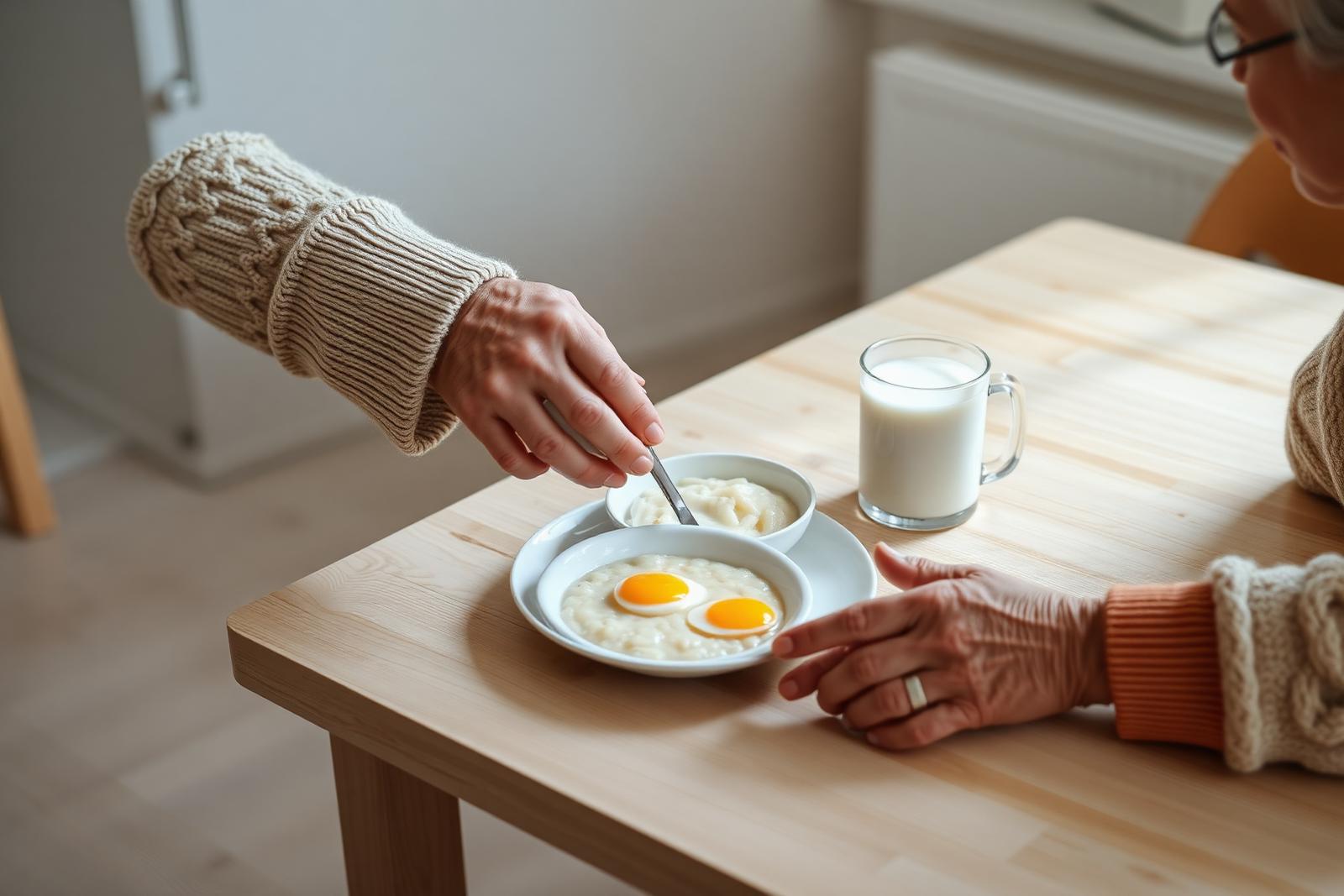
Malnutrition in older adults
Malnutrition rarely arrives suddenly. It shows up as smaller portions, skipped meals and looser clothes — and it weakens strength, immunity and the ability to recover after illness.
In short
What is malnutrition?
Malnutrition means that intake of energy, protein or other nutrients is lower than the body needs over time. It causes loss of muscle mass, reduced function and a higher risk of complications.
You can be malnourished even with a normal or high body weight — it is the change and the nutrient content that matter, not the number on the scale alone.
The earlier it is spotted, the easier it is to reverse. After a long period of weight loss, far more is needed to rebuild.
Glossary
- Enrichment
- Adding cream, oil, butter, egg or protein powder for more nutrition in the same portion.
- Oral nutritional supplement
- A ready-made drink with a lot of energy and protein in a small volume.
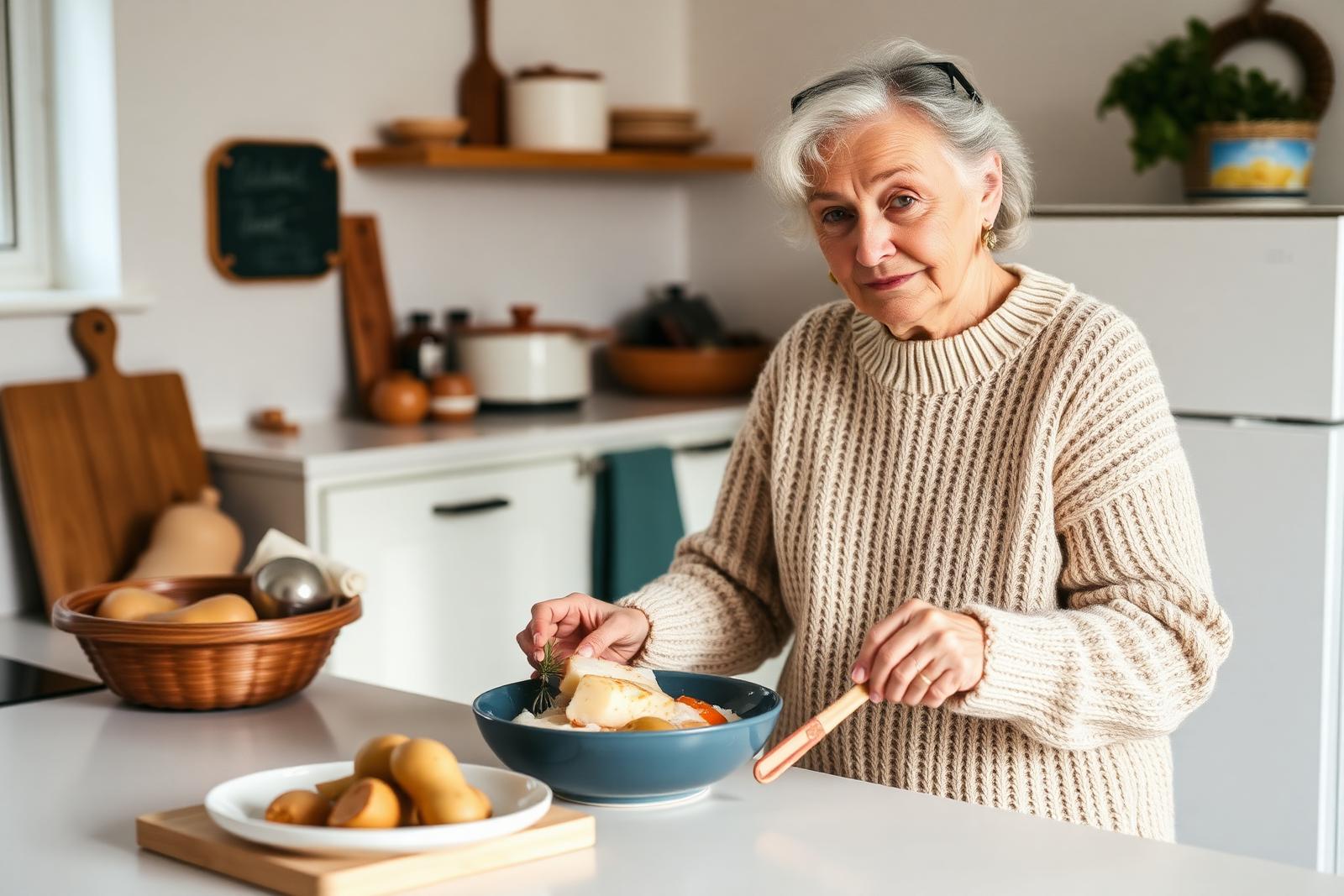
Does this sound familiar?
This might sound like your situation
Unintentional weight loss, low appetite and reduced function are the clearest signals — and they are closely linked.
- You have recently been discharged from hospital
- You live alone and rarely cook a hot meal
- You are having cancer treatment or another draining illness
- You are a relative seeing food left on the plate
- Home care is involved, but food is still difficult
SmartEating recommends
What makes the biggest difference?
With low appetite the strategy is the opposite of general advice: more nutrition in less volume.
Enrich the food
Cream in the porridge, butter in the mash, egg in the sauce — same portion, far more energy and protein.
Many small meals
6–8 small meals often add up to more than three large ones when appetite is low.
Drinks with nutrition
Milk, cocoa or a nutritional drink rather than water and coffee with meals.
Prioritise protein
Protein is what protects muscle mass when energy intake is low.
Weigh weekly
Same scale, same day, same clothes — it makes changes visible early.
Keep the meal simple
Pre-cut food, fixed times and company at the table increase intake.
When should you see a doctor?
- Rapid or persistent unintentional weight loss
- Swallowing difficulties, coughing or choking at meals
- Fever, recurring infections or wounds that won't heal
- Confusion, more falls or markedly reduced function
Malnutrition should be medically assessed. Nutrition follow-up comes in addition to, not instead of, medical care.
Common questions
What people ask us most often.
Is losing weight dangerous for older adults?
Unintentional weight loss in later life is almost always a warning sign. It is rarely fat that goes first — it is muscle, which weakens function and immunity.
Are nutritional drinks necessary?
Not always. Enriched ordinary food often covers the need. Nutritional drinks are a good supplement when appetite is very low or needs are high.
Can relatives take part in the follow-up?
Yes, and it is often an advantage. Relatives usually do the shopping and cooking, and the plan becomes more realistic with them involved.
Personal nutrition
No two people with malnutrition in older adults are the same
Some train a lot, some have several symptoms at once, some are pregnant, some have low values on blood tests and some have a busy family life.
That is why people in the same situation need different advice. SmartEating AI learns your situation over time and adapts suggestions to your body, goals and everyday life.
A clinical dietitian maps what is actually eaten, calculates the need and sets up a concrete plan with enrichment, meal rhythm and, if needed, nutritional drinks.
Relatives and home care get practical advice they can follow, and the plan is adjusted as weight and condition change.
READ MORE
The knowledge behind the advice
Older adults
With age, the body's composition and needs change, and the focus should increasingly shift toward preserving muscle mass, skeletal health, and adequate nutrient intake, even as appetite often declines somewhat.
Protein
Protein is the building block of muscles, skin, enzymes and hormones, and one of the nutrients that gives the most satiety. Most people get enough protein through a varied diet, but needs can shift with age, activity level and life stage.
Calories and energy
Calories measure the energy in food and drink, and energy balance is a fundamental principle of weight development. But counting calories alone says little about food quality, satiety or health effects.

Assessment
A digital form before the session so the specialist knows your situation.

Kick-off conversation
60 minutes online or at a partner clinic.
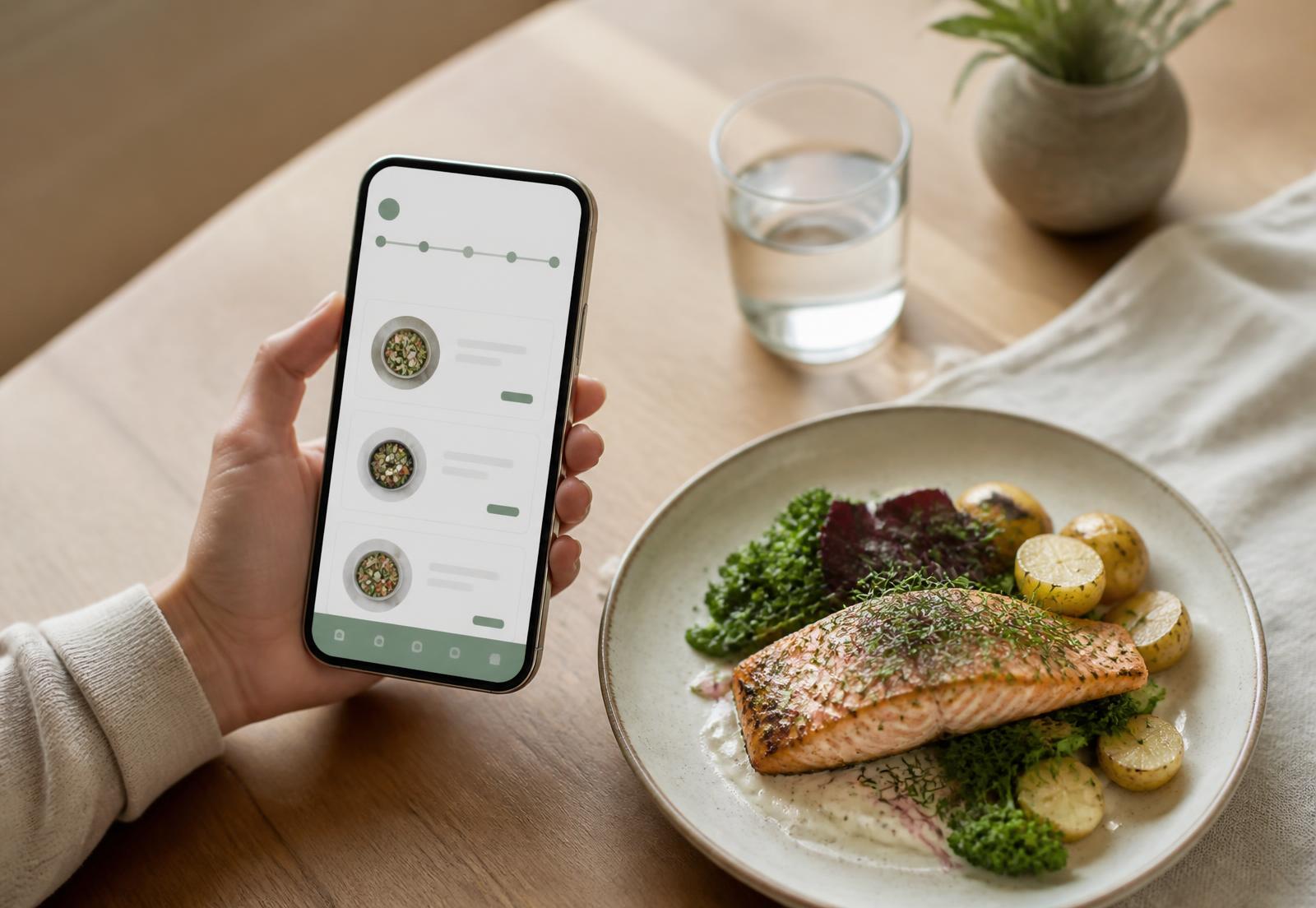
Personal plan
A concrete plan in SmartEating — food, structure and goals tailored to you.
Ready to get help with malnutrition in older adults?
We'll connect you with a licensed clinical dietitian who understands your situation.

Related topics