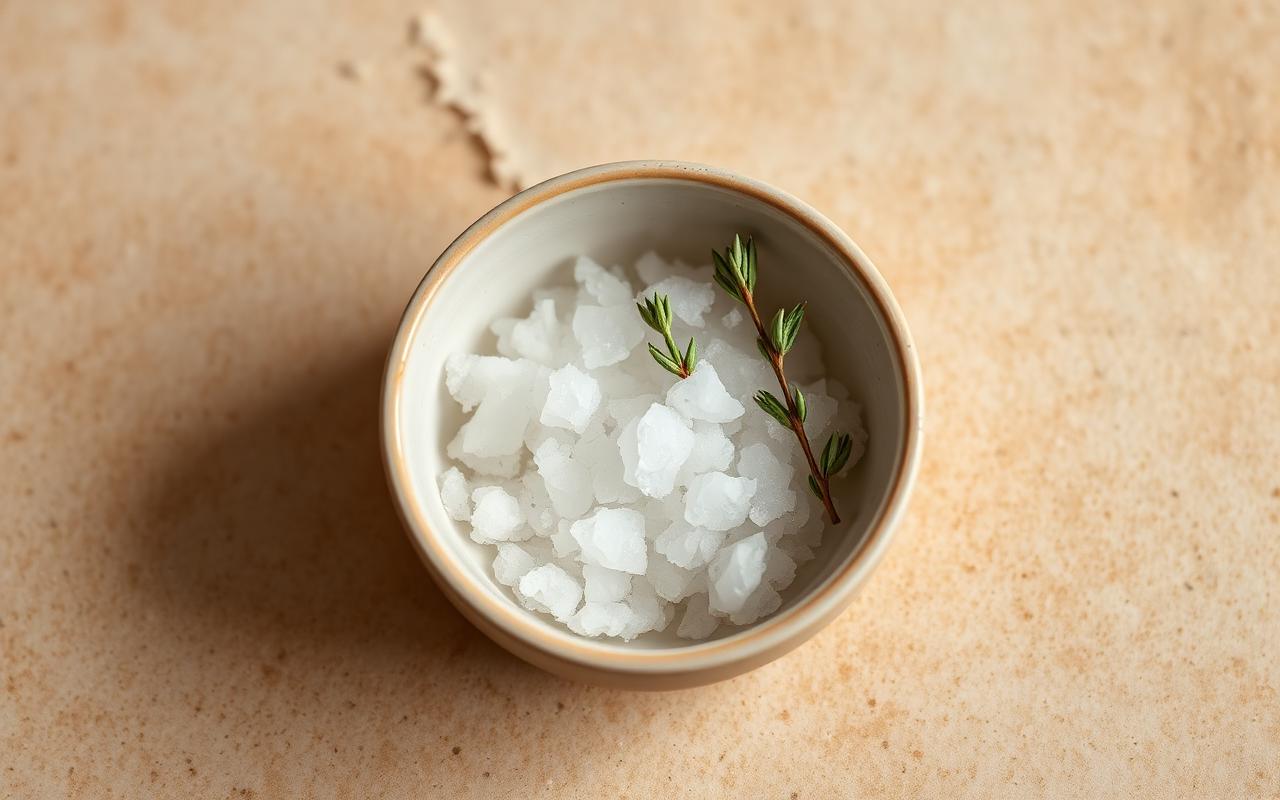
How much salt is too much?
Health authorities recommend a maximum of 6 grams of salt per day for adults, but most people eat considerably more than this, mainly from processed food. A high salt intake over time is linked to an increased risk of high blood pressure.
What is this?
Salt consists of sodium and chloride, and sodium is the compound that most affects blood pressure and fluid balance in the body. The body needs a certain amount of sodium to function normally, but that need is far lower than the average intake in many Western countries today.
Most of the salt in a typical diet doesn't come from the salt shaker at the table, but from processed food such as bread, cold cuts, ready meals, snacks and cheese. This makes it difficult to reduce salt intake simply by salting your own food less.
Why does it matter?
Being mindful of salt intake matters because a persistently high intake is one of the strongest diet-related risk factors for high blood pressure, which in turn increases the risk of heart attack and stroke. Reducing salt intake is therefore one of the most effective dietary changes for cardiovascular health at a population level.
Good sources
Check salt in ready-made food
Check nutrition labels — under 0.3 grams of salt per 100 grams is considered low, over 1.5 grams is considered high.
Cut back on ready-made sauces and stock
These are often surprisingly high in salt and can be partly replaced with herbs and spices.
Watch bread and cold cuts
Bread and processed meat products are among the biggest sources of salt in a typical diet, even though they don't taste particularly salty.
Season with herbs and spices
Use garlic, lemon, chilli and fresh herbs to add flavour without increasing salt content.
What does the research say?
Studies show a clear link between high salt intake and elevated blood pressure, and population-level research suggests that reducing salt intake can help lower rates of cardiovascular disease over time. This association is among the best documented in nutrition research.
Some research points to individual variation in salt sensitivity — some people's blood pressure responds more strongly to salt intake than others, partly for genetic reasons and in people with existing high blood pressure or kidney disease.
Common misconceptions
«You need to stop using the salt shaker to reduce salt intake.»
Most salt intake comes from processed food, not salt added at home, so that's where the biggest impact lies.
«Sea salt and other 'natural' salts are healthier than table salt.»
All types of salt are mainly sodium chloride, and the health effect is essentially the same regardless of type.
«Salt is only a concern for people with high blood pressure.»
A high salt intake over time can contribute to developing high blood pressure even in people with currently normal readings.
Who should pay extra attention?
- People with high blood pressure or kidney disease should be especially mindful of salt intake in consultation with a doctor.
- Children should have a lower salt intake than adults, adjusted for age and energy needs.
- Watch for 'hidden' salt in bread, cheese, cold cuts and ready meals, not just obviously salty food like chips.
- Very low salt intake is also not necessary or recommended for healthy people without specific conditions.
Frequently asked questions
How much salt is 6 grams in practice?+
6 grams of salt is roughly a teaspoon, but the vast majority comes from the food you eat, not what you add yourself.
Is it important to use iodised salt?+
Yes, iodised salt is an important source of iodine in many diets, especially for people who eat little fish and dairy.
Can too little salt also be harmful?+
Yes, in rare cases very low sodium intake can cause imbalance, but this is of little relevance for most people eating a varied diet.
Keep reading
Salt
Salt, or sodium chloride, is necessary for the body's fluid balance and nerve function, but most people in Norway eat significantly more salt than recommended. A high salt intake over time is associated with elevated blood pressure.
5 min read
Prevention
Much of what influences the risk of lifestyle-related disease later in life comes down to habits built over time. A healthy diet is one of the most well-documented forms of prevention we have.
7 min read
Fibre
Fibre comes from plants and plays a key role in digestion, blood sugar regulation and a healthy gut microbiome. Most people in Norway eat less fibre than recommended, and it is often one of the easiest places to start when improving your diet.
6 min read
No two people are alike.
That is why we do not start with a diet – we start by getting to know you. SmartEating adapts advice and meals to your body, goals and daily life, so healthy choices become easier to live with over time.