Salt
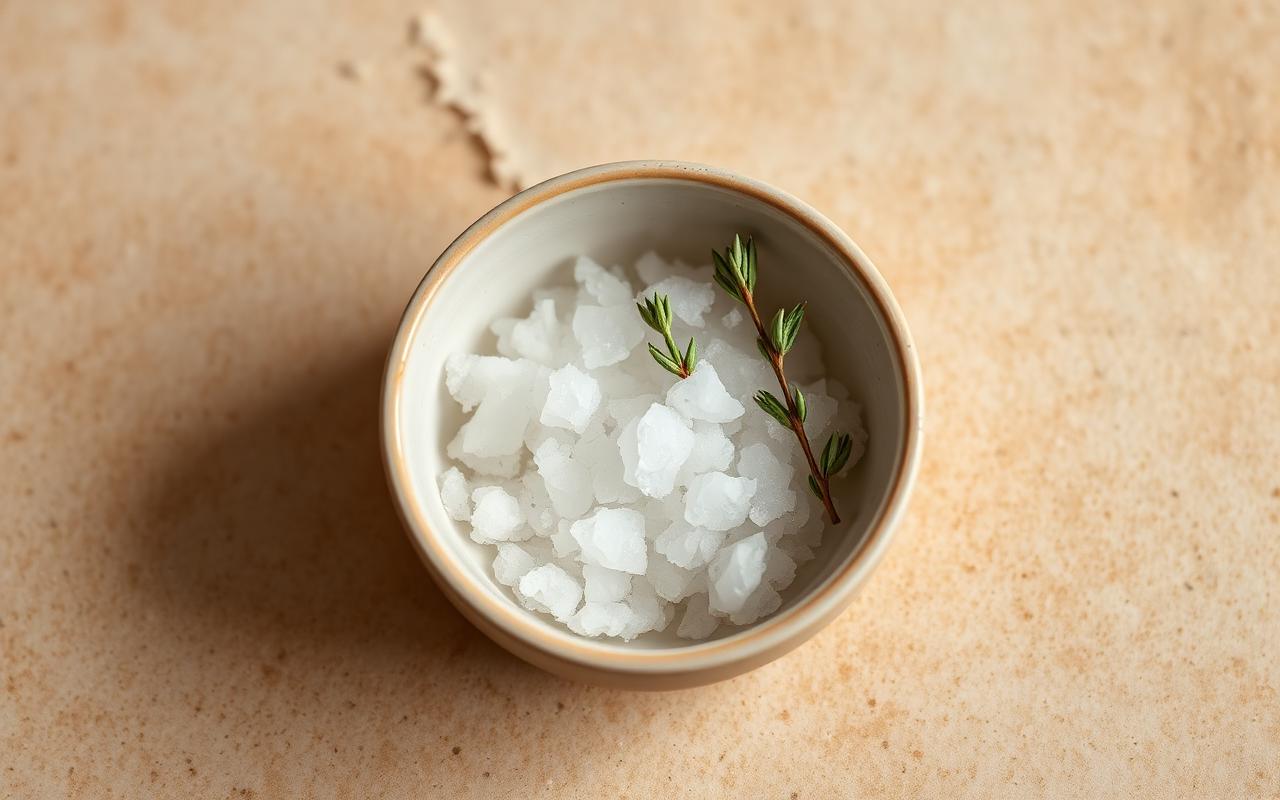
Salt, or sodium chloride, is necessary for the body's fluid balance and nerve function, but most people in Norway eat significantly more salt than recommended. A high salt intake over time is associated with elevated blood pressure.
What is this?
Salt is made up of sodium and chloride, where sodium has the most impact on health. Sodium is necessary for fluid balance, nerve impulses and muscle function, but the body only needs small amounts to meet this need.
Most of the salt intake in a Western diet doesn't come from the salt shaker at home, but from processed food such as bread, cold cuts, ready meals, sauces and snacks. This makes it harder to keep track of your own salt intake than many people think.
Why does it matter?
A high salt intake over time is one of the best-documented risk factors for elevated blood pressure, which in turn increases the risk of heart attack and stroke. Reducing salt intake is therefore one of the most effective dietary changes for cardiovascular health for many people.
Norwegian health authorities recommend a maximum salt intake of 6 grams per day for adults, but the average intake in Norway is well above this, mainly due to processed food.
How to keep your salt intake down
Fresh ingredients
Fruit, vegetables and unprocessed meat and fish naturally contain little salt.
Home-cooked food
Cooking from scratch gives better control over the salt content of the meal.
Herbs and spices
Can be used to add flavour without increasing salt content.
Low-salt bread and cold cuts
Many manufacturers now offer versions with reduced salt content.
What does the research say?
There is good evidence that reduced salt intake lowers blood pressure, especially in people with already elevated blood pressure, and this is one of the most solid relationships in nutrition research.
Studies show that most of the population's salt intake comes from processed food rather than salting at the table, making product choices more important than the salt shaker for most people.
Research suggests that a gradual reduction of salt in the diet over time allows taste buds to adapt, so that food with less salt eventually tastes sufficiently flavourful.
Common misconceptions
«You'll get too little salt if you don't salt your food yourself.»
Most people get more than enough salt through processed food, and very few need to add extra salt to meet their needs.
«Sea salt and coarse salt are healthier than regular table salt.»
All types of salt contain sodium in roughly the same amount, and there is no good evidence that sea salt provides health benefits over regular salt.
«Salt only affects blood pressure in older people.»
Although the risk increases with age, a high salt intake can affect blood pressure in people of all ages, especially with genetic predisposition.
Who should pay extra attention?
- People with high blood pressure, who often see especially good effects from reducing salt intake
- People with kidney disease, who should follow individual advice on salt intake
- Those who eat a lot of ready meals and processed food
- People with heart failure, who should follow specific recommendations from healthcare professionals
Frequently asked questions
How much salt should I eat per day?+
Norwegian health authorities recommend a maximum of 6 grams of salt per day for adults, but most people in Norway eat considerably more than this, mainly through processed food.
Why is my salt intake so high when I don't add much salt myself?+
Most salt intake comes from processed food such as bread, cold cuts, ready meals and snacks, not from the salt shaker at home, so it's worth checking ingredient lists.
Is all salt equally unhealthy?+
Yes, different types of salt such as sea salt, table salt and coarse salt contain sodium in roughly the same amount, and it's the sodium content that matters for blood pressure.
How can I reduce my salt intake without food becoming bland?+
Use herbs, spices, citrus and garlic to add flavour, and choose low-salt bread, cold cuts and ready meals where available.
Keep reading
How much salt is too much?
Health authorities recommend a maximum of 6 grams of salt per day for adults, but most people eat considerably more than this, mainly from processed food. A high salt intake over time is linked to an increased risk of high blood pressure.
4 min read
Prevention
Much of what influences the risk of lifestyle-related disease later in life comes down to habits built over time. A healthy diet is one of the most well-documented forms of prevention we have.
7 min read
What is ultra-processed food?
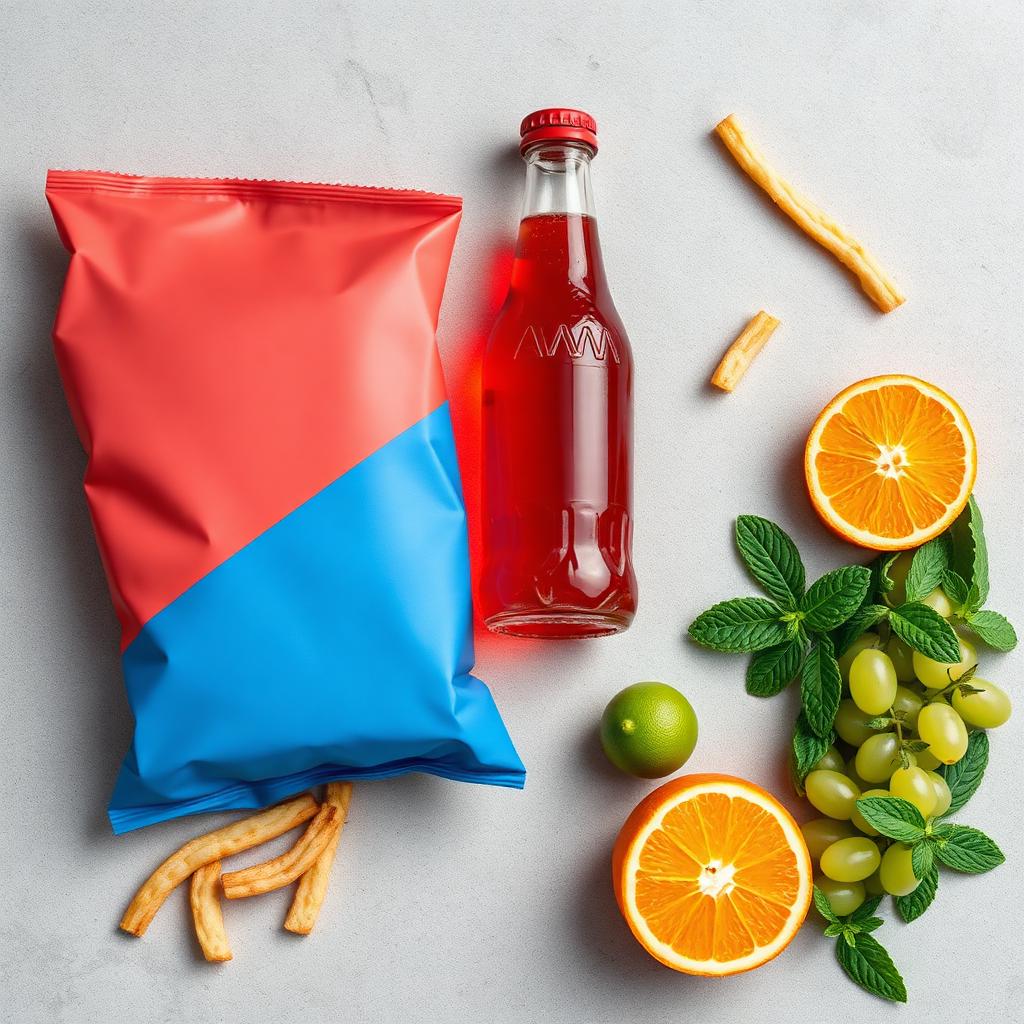
Ultra-processed food is industrially manufactured products made with ingredients and additives you'd rarely find in a home kitchen, such as emulsifiers, flavour enhancers and industrial fats. Examples include ready meals, soft drinks, sweets and some breakfast cereals.
5 min read
No two people are alike.
That is why we do not start with a diet – we start by getting to know you. SmartEating adapts advice and meals to your body, goals and daily life, so healthy choices become easier to live with over time.