Iodine
Iodine is a mineral the body needs to make thyroid hormones, which govern metabolism and are essential for brain development in the foetus and young children. In Norway, iodine is one of the nutrients where both too little and too much can cause problems — and where your diet matters a great deal.
What is this?
Iodine is a trace element the body cannot produce itself. The thyroid gland uses iodine to make the hormones thyroxine and triiodothyronine, which regulate metabolism, temperature, energy turnover and growth.
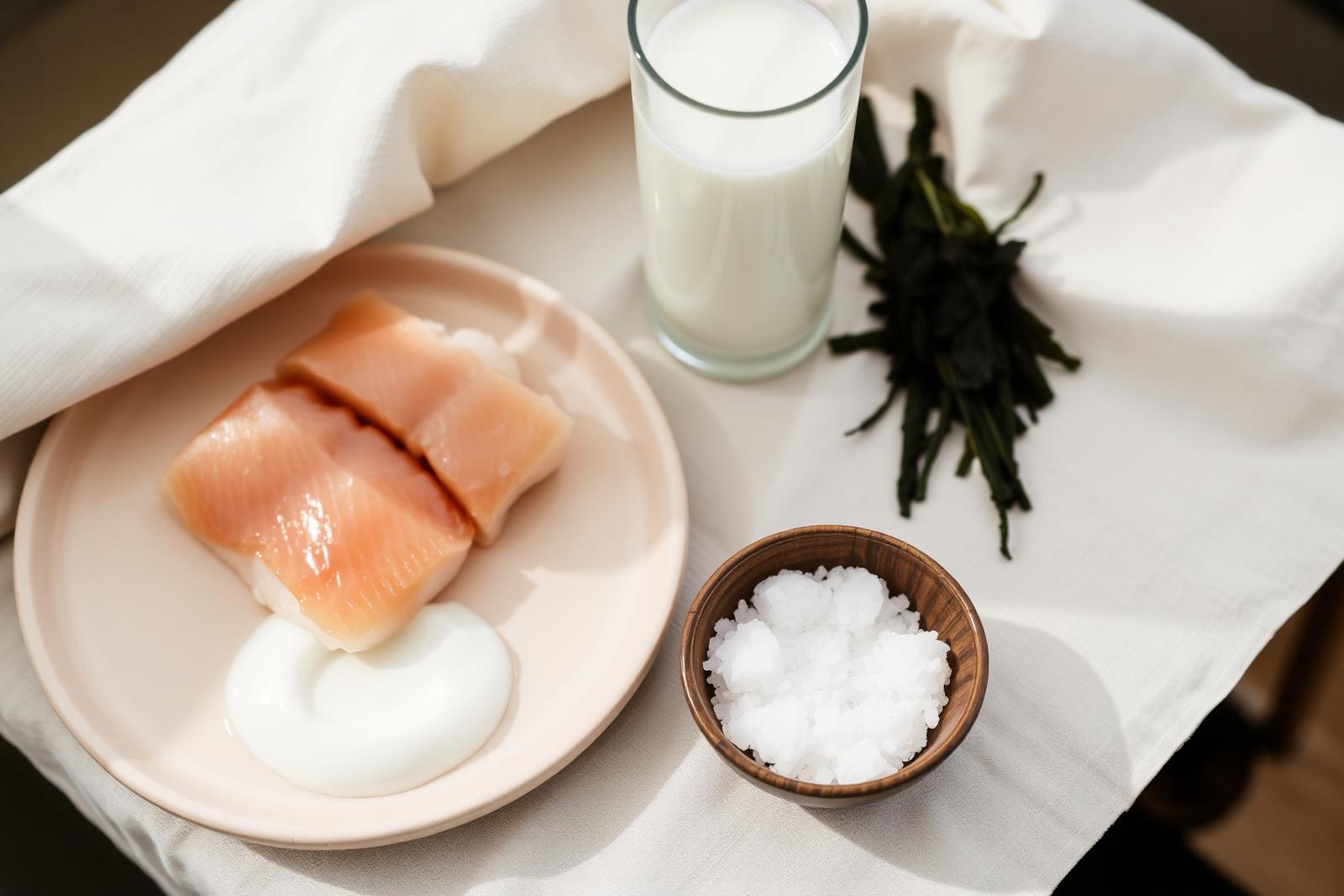
The most important iodine sources in a Nordic diet are white fish such as cod and saithe, milk and yoghurt, and iodised salt. Milk contributes because Norwegian cattle feed is fortified with iodine, which quietly makes dairy an important source for many people.
Seaweed and algae can contain a great deal of iodine, but the amount varies enormously between species and batches. Some products contain so little that they barely contribute, while others deliver many times the recommended daily intake in a single meal.
Why does it matter?
Iodine deficiency lowers thyroid hormone production, which over time can cause fatigue, feeling cold, weight gain and an enlarged thyroid. Adequate iodine matters especially during pregnancy and breastfeeding, because deficiency can affect the child's brain development.
At the same time, a very high iodine intake can disturb the thyroid and cause both under- and overactivity, particularly in people who already have thyroid disease. Iodine is a good example of a nutrient where more is not better — the range is what counts.
Norwegian surveys have shown that young women, pregnant women and people who eat little fish and dairy can have a low iodine intake. Cutting out both dairy and fish removes the two largest sources at once.
Good iodine sources
White fish
Cod, saithe and haddock are among the richest iodine sources in a Nordic diet.
Milk and yoghurt
Contribute steadily through the week for those who use dairy daily.
Iodised salt
Salt labelled with iodine gives a small but steady contribution. Still use salt in moderation.
Eggs
Provide a moderate amount of iodine alongside protein and B vitamins.
Supplements
An iodine supplement may be relevant on a vegan diet, in pregnancy, or with little fish and dairy — ideally after an assessment.
Seaweed and algae
Can provide plenty of iodine, but content varies widely. Know the product before using it regularly.
What does the research say?
Norwegian surveys suggest that a substantial share of young women and pregnant women have an iodine intake below recommendations, mainly because they eat little white fish and little dairy.
Research on plant-based diets shows that vegans have consistently lower iodine status than people who eat fish and dairy, unless they deliberately use iodine supplements or iodine-rich algae.
Analyses of seaweed products have shown very large variation in iodine content between species, and that some brown algae such as kombu can deliver extremely high doses in small portions.
Common misconceptions
«Sea salt is a good source of iodine.»
Ordinary sea salt contains little iodine. Only salt that has iodine added contributes meaningfully.
«Seaweed automatically covers iodine needs on a vegan diet.»
It depends entirely on species and amount. Some algae provide too little to cover needs, others so much that intake becomes too high.
«More iodine speeds up your metabolism.»
Iodine beyond your needs does not improve metabolism and may instead disturb the thyroid.
Who should pay extra attention?
- Pregnant and breastfeeding women, who have an increased need for iodine
- People eating vegan or vegetarian without dairy
- Young women who eat little fish and milk
- People who use seaweed and algae regularly, where intake can become too high
- People with known thyroid disease, who should have individual guidance
Frequently asked questions
Can I get enough iodine on a vegan diet?+
Yes, but it takes a conscious choice. Without fish and dairy the two most important sources disappear, and most people will need iodised salt, a fortified plant drink or an iodine supplement. Algae can contribute, but only if you know how much iodine the product actually contains.
Is seaweed a safe source of iodine?+
It depends on the species. If you use algae low in iodine, your iodine status can still end up too low. If you use a lot of iodine-rich algae such as kombu, intake can go far beyond what is safe. Look for products that state their iodine content, and use them regularly in small amounts.
How do I know if I'm getting too little iodine?+
A low iodine intake often causes no clear symptoms until it has lasted a while. A dietary review with a clinical dietitian gives a good indication, and your doctor can assess thyroid tests if needed.
Should I take an iodine supplement?+
A supplement can make sense if you eat little fish and dairy, are pregnant or breastfeeding, or eat vegan. If you have thyroid disease, the dose should be assessed individually with your doctor.
Keep reading
Vitamins and minerals
Vitamins and minerals are micronutrients the body needs in small amounts, but they are essential for nearly all bodily functions. A varied diet with plenty of vegetables, fruit, whole grains and good protein sources usually covers the need without supplements.
7 min read
Fish and Seafood
Fish and other seafood are key sources of high-quality protein and the polyunsaturated omega-3 fatty acids EPA and DHA. Regular fish intake is one of the most well-documented recommendations in Norwegian and international dietary guidance.
6 min read

Dairy Products
Dairy products such as milk, yoghurt and cheese have traditionally been an important part of the Norwegian diet, and are among the best sources of calcium and high-quality protein. At the same time, there is significant variation within the group, making it useful to understand the differences.
6 min read
No two people are alike.
That is why we do not start with a diet – we start by getting to know you. SmartEating adapts advice and meals to your body, goals and daily life, so healthy choices become easier to live with over time.