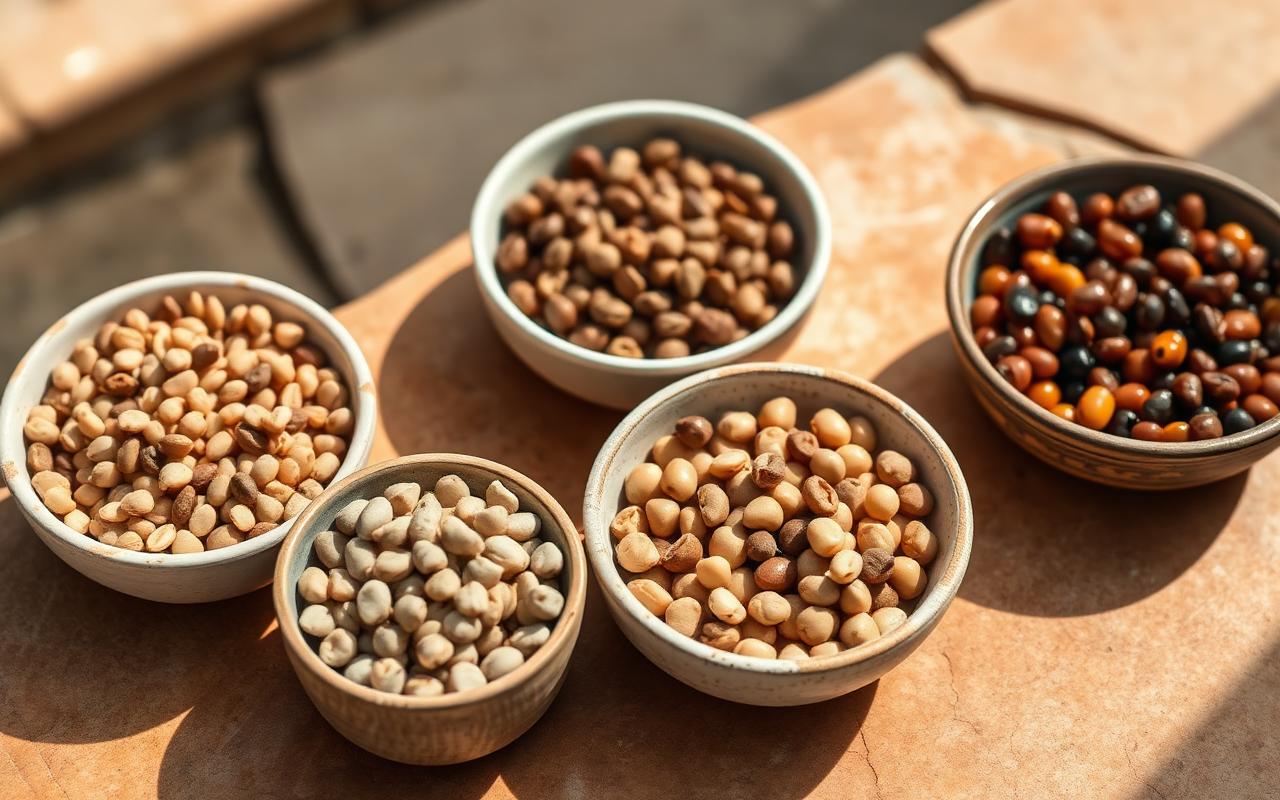
Legumes
Legumes such as beans, lentils and chickpeas are among the most nutrient-dense and sustainable foods available. They combine plant-based protein with abundant fibre, and are a valuable food group whether you eat a lot of meat or very little.
What is this?
Legumes include beans, lentils, chickpeas and peas, and have for millennia been a central part of the diet in many cultures. They are relatively inexpensive, keep well dried or canned, and are easy to include in many types of dishes.
This food group stands out for combining a high protein content with a high fibre content in the same food — a combination rarely found elsewhere. Legumes also provide iron, folate, magnesium, potassium and zinc.
Legumes can be used as a main ingredient in stews and soups, as a side dish, in salads, or mashed into spreads such as hummus, and fit well into both traditional Norwegian and international cooking.
Why does it matter?
The fibre in legumes, including soluble fibre, contributes to good fullness and a steadier blood sugar response after meals. This makes legumes a favourable carbohydrate source, particularly for those seeking better blood sugar control.
Legumes are also among the best plant-based sources of protein and iron, making them especially valuable in vegetarian and vegan diets, but also as a healthy, affordable addition for those who eat meat.
How to get it into your diet
In stews and soups
Beans and lentils add substance and texture to stews, and are a simple way to add both protein and fibre.
Canned legumes
Ready-cooked chickpeas, beans and lentils from a can are quick to use and require no preparation.
As hummus or spreads
Mashed chickpeas or beans blended with oil and spices make a nutritious spread or dip.
In salads
Cold lentils or chickpeas add protein and make the salad more filling as a main meal.
As a partial meat substitute
Mix legumes into mince or curry to reduce the amount of meat and increase fibre content.
Dried legumes
These are the cheapest to buy but require soaking and cooking before use — consider preparing a larger batch for several meals.
What does the research say?
There is good evidence that regular intake of legumes is associated with lower risk of cardiovascular disease, partly through effects on blood pressure and cholesterol levels. This is linked to the high fibre content and favourable fat profile of these foods.
Studies on blood sugar regulation show that legumes produce a lower and steadier blood sugar response compared with many other carbohydrate sources, making them relevant both for general health and for people with elevated blood sugar.
Research on diet and longevity often highlights legumes as a recurring component of diets associated with good health over time, including in studies of regions with a high proportion of healthy older adults.
Common misconceptions
«Legumes always cause a lot of gas.»
Some people may experience this at first, but it often decreases as legumes are eaten regularly and the gut microbiome adapts to the increased fibre intake.
«You must combine legumes with grains in the same meal to get complete protein.»
It isn't necessary to combine them within a single meal — the body can assemble amino acids from different meals over the course of a day.
«Canned beans are less nutritious than dried ones.»
Canned legumes retain most of their nutritional value and are a complete, practical alternative to dried varieties.
Who should pay extra attention?
- Raw or insufficiently cooked dried beans can contain naturally occurring harmful compounds — it's important to follow cooking instructions carefully, particularly for kidney beans.
- People with IBS may in some cases react to legumes due to their FODMAP content, and may need to adjust type and amount in consultation with a healthcare professional.
- When transitioning to a diet with more legumes, it's recommended to increase intake gradually to avoid stomach discomfort.
- Canned varieties can contain added salt — rinse them before use to reduce the salt content.
Frequently asked questions
How often should I eat legumes?+
The Norwegian Directorate of Health recommends legumes several times a week as part of a varied diet, ideally replacing some of the meat.
Are legumes as good as meat for protein?+
Legumes provide good plant-based protein, but have a somewhat different amino acid profile than meat. A varied diet with several protein sources meets your needs well.
Why do beans give me gas?+
This is due to fibre and carbohydrates that are broken down by gut bacteria and produce gas. This often decreases as the body adjusts to a higher fibre intake.
Can children eat legumes?+
Yes, legumes are a great and nutritious food for children, and can be prepared well-cooked or mashed to make them easy to eat.
Keep reading
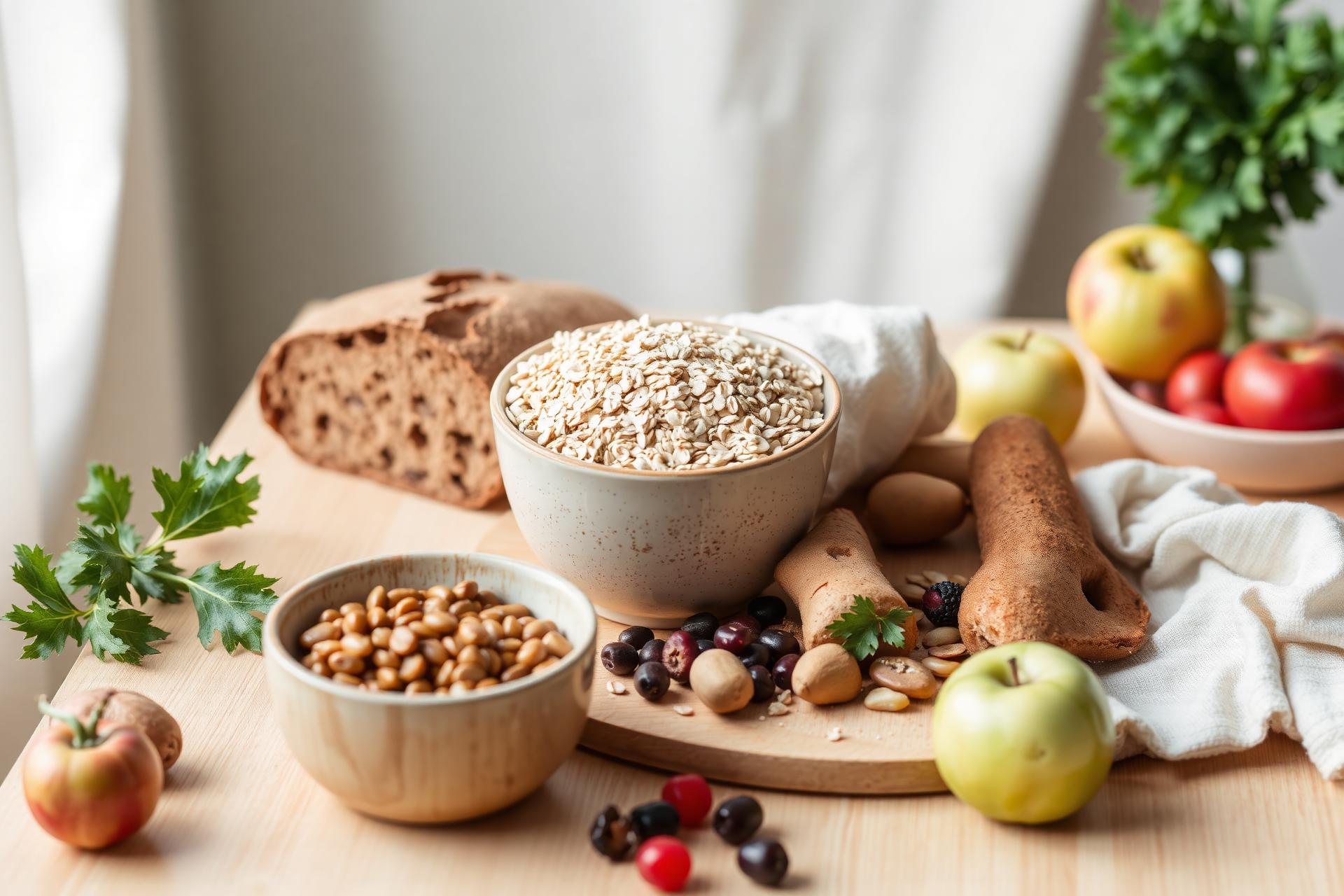
Fibre
Fibre comes from plants and plays a key role in digestion, blood sugar regulation and a healthy gut microbiome. Most people in Norway eat less fibre than recommended, and it is often one of the easiest places to start when improving your diet.
6 min read
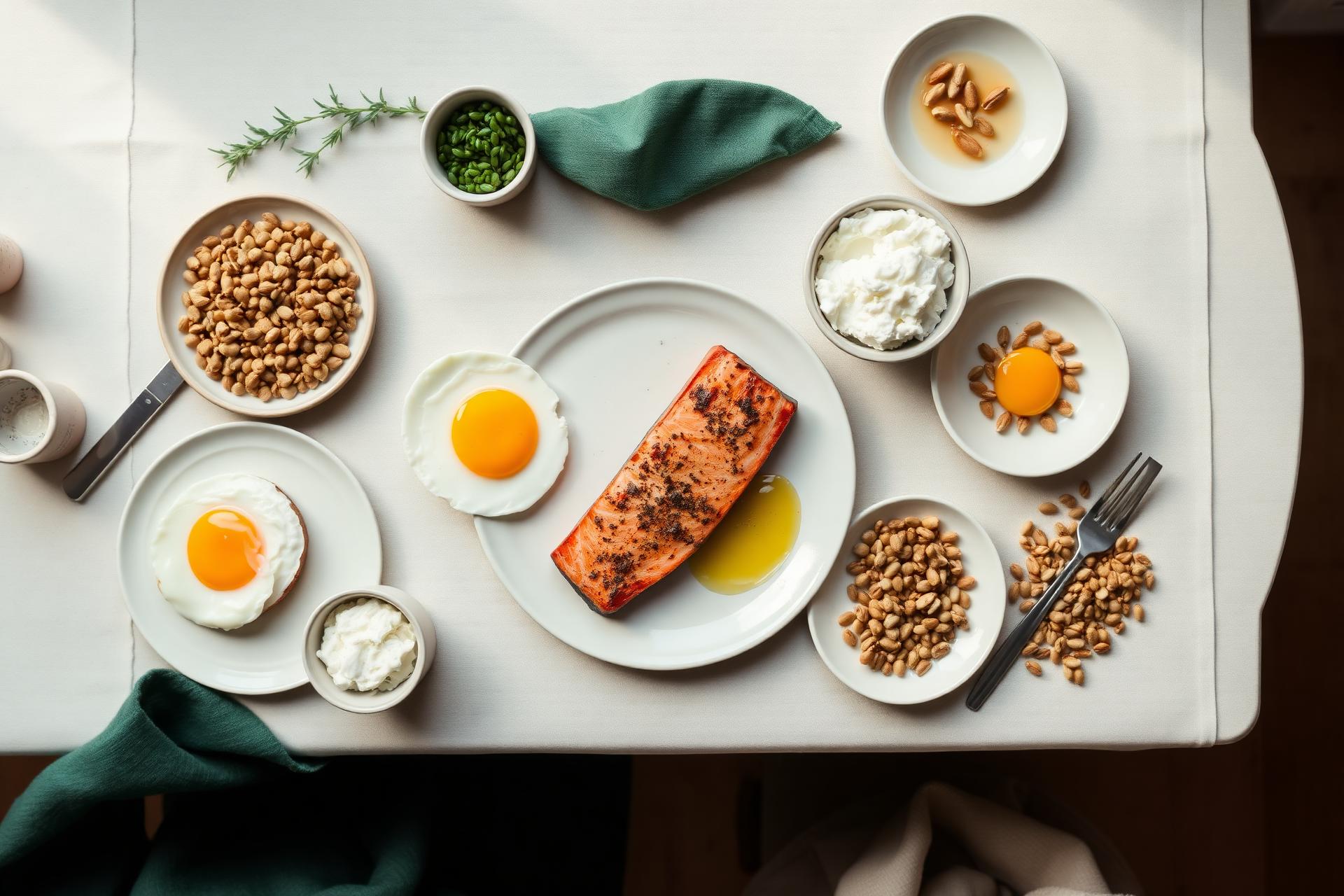
Protein
Protein is the building block of muscles, skin, enzymes and hormones, and one of the nutrients that gives the most satiety. Most people get enough protein through a varied diet, but needs can shift with age, activity level and life stage.
6 min read
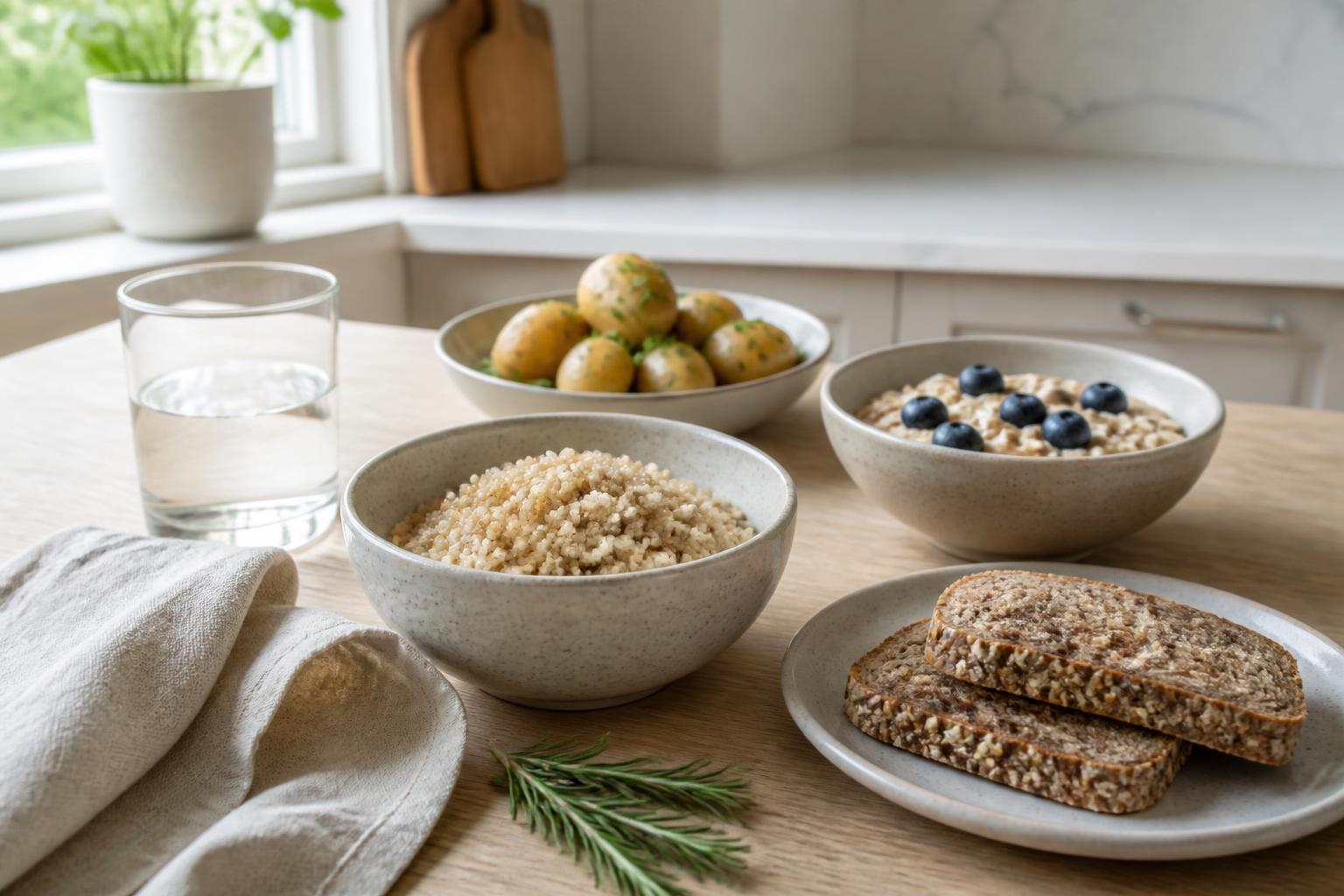
Carbohydrates
Carbohydrates are the body's main energy source and are found in everything from fruit and vegetables to bread, pasta and sugar. The quality of the carbohydrate source matters far more for health than the amount alone.
6 min read
No two people are alike.
That is why we do not start with a diet – we start by getting to know you. SmartEating adapts advice and meals to your body, goals and daily life, so healthy choices become easier to live with over time.
