Vegetarian diet
With a bit of structure, a vegetarian diet is both nutritious and simple. We help with protein, iron, B12 and making sure your meals are enjoyable.
In short
What makes a good vegetarian diet?
A vegetarian diet is well documented as health-promoting — when it's varied.
The key is enough protein from multiple sources, and deliberate coverage of iron, B12, iodine and omega-3.
Well composed, it can be both nutritious and simple.
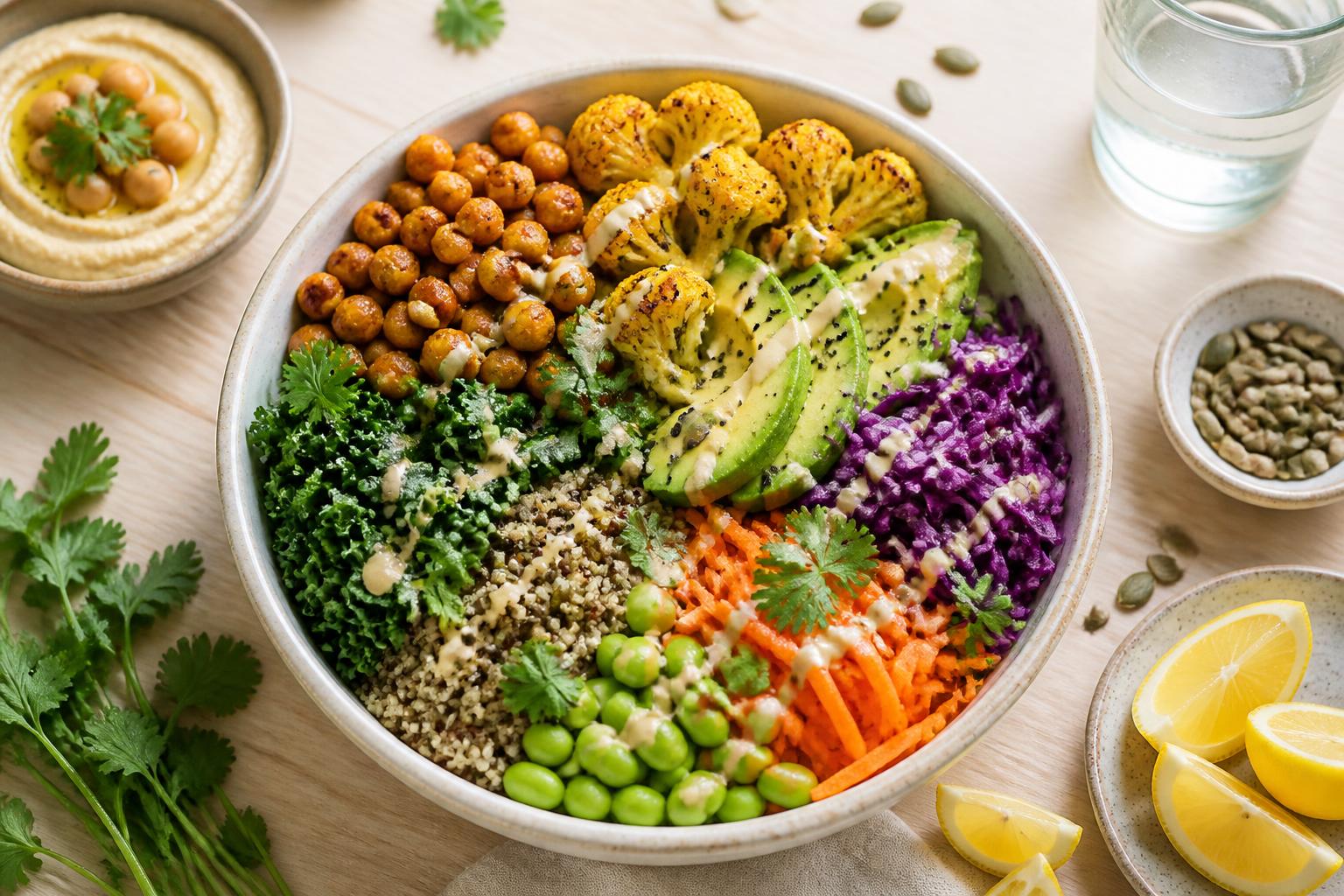
Does this sound familiar?
This might sound like your situation
Iron, B12, vitamin D, iodine and omega-3 can become low if the diet isn't planned.
- You've switched and want to do it properly
- Dinners have become repetitive
- You're unsure about iron and protein
- Your blood tests show low levels
- You want the whole family's meals to work
SmartEating recommends
What makes the biggest difference?
A vegetarian diet is easy to make both nutritious and enjoyable with a few deliberate habits.
Protein variety
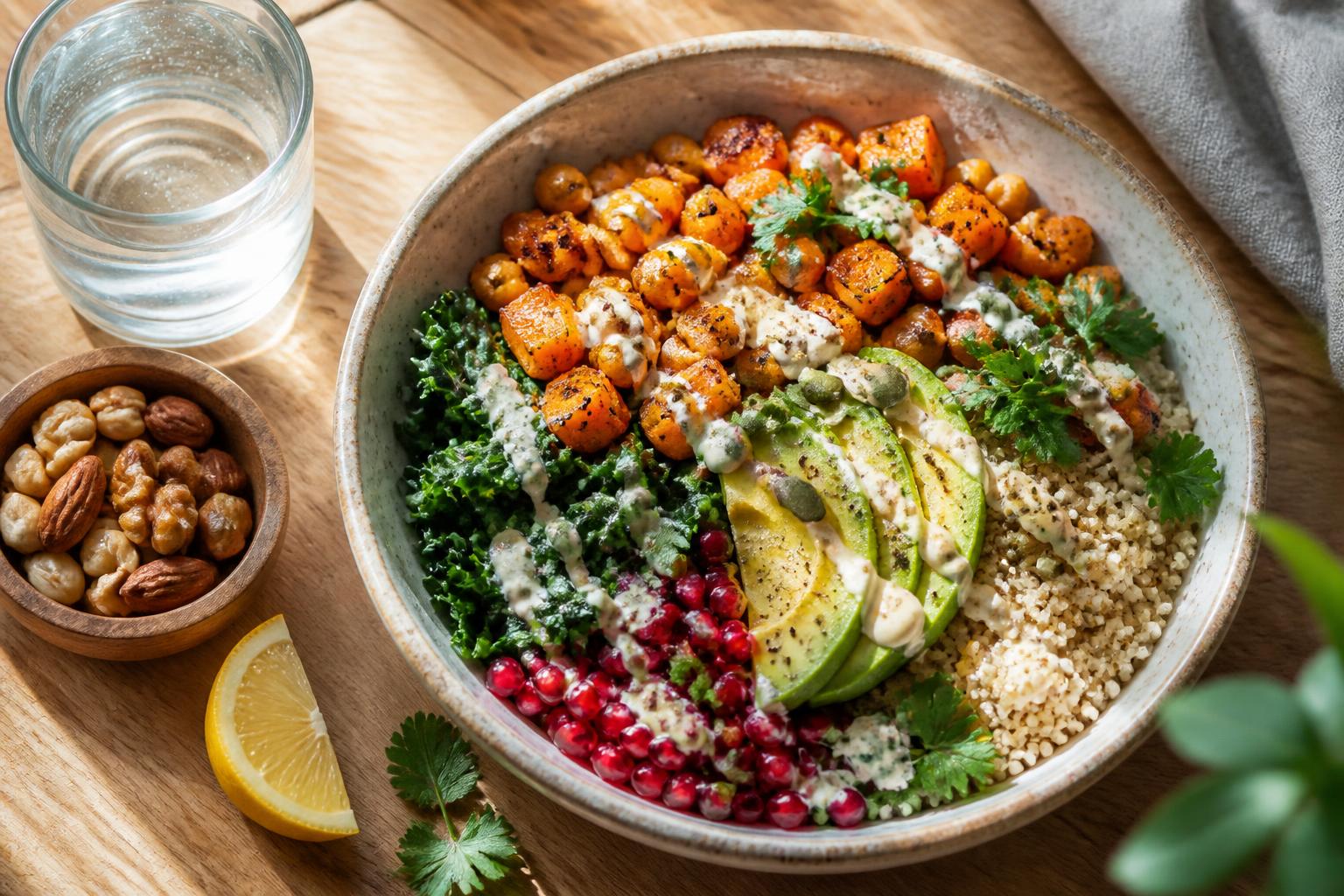
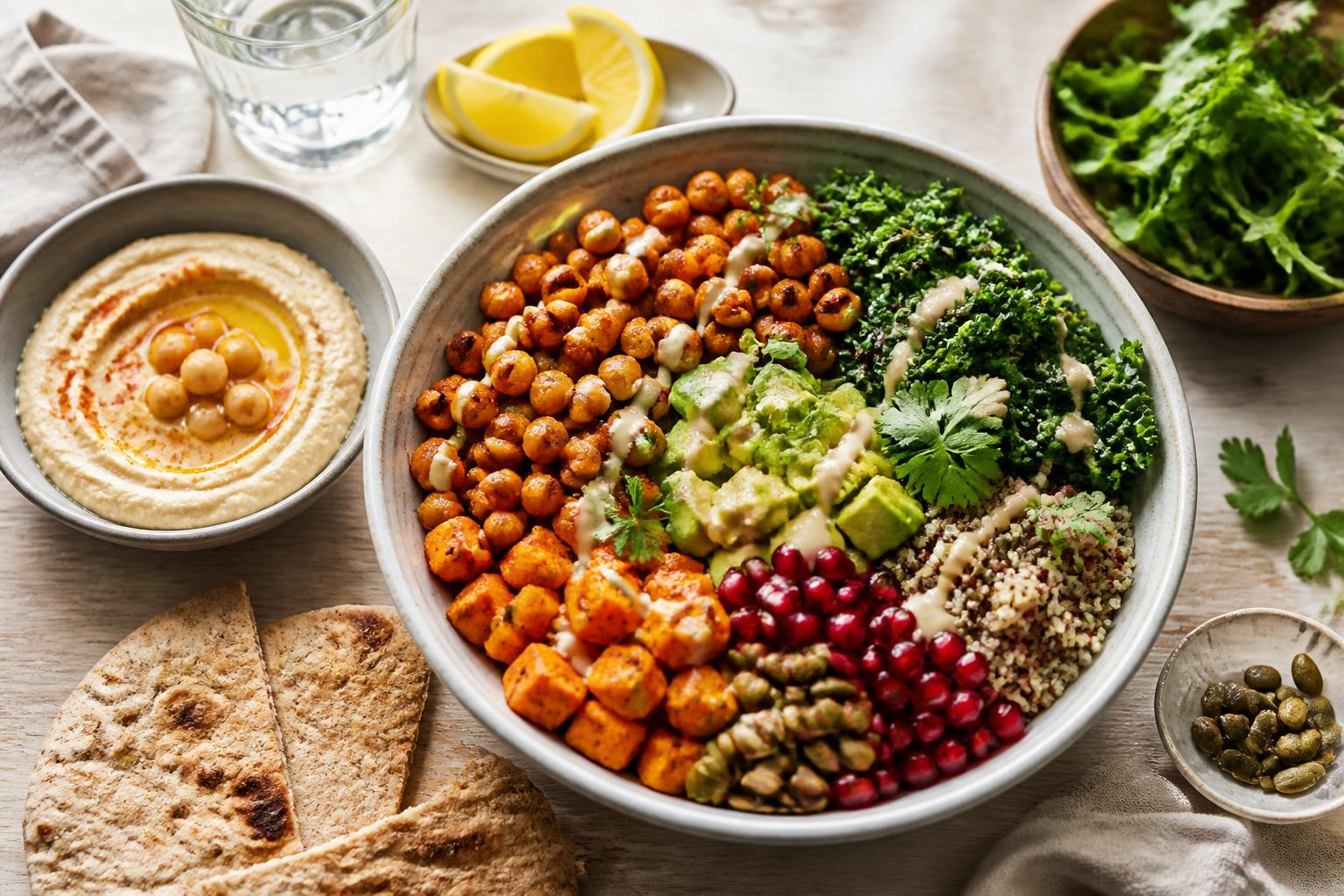
Combining legumes, eggs, dairy and tofu across the week covers protein needs well.
Iron with vitamin C
Pairing plant iron sources with vitamin C-rich food improves absorption noticeably.
B12 coverage
Egg and dairy usually provide enough, but intake should be checked if these are limited.
Iodine sources
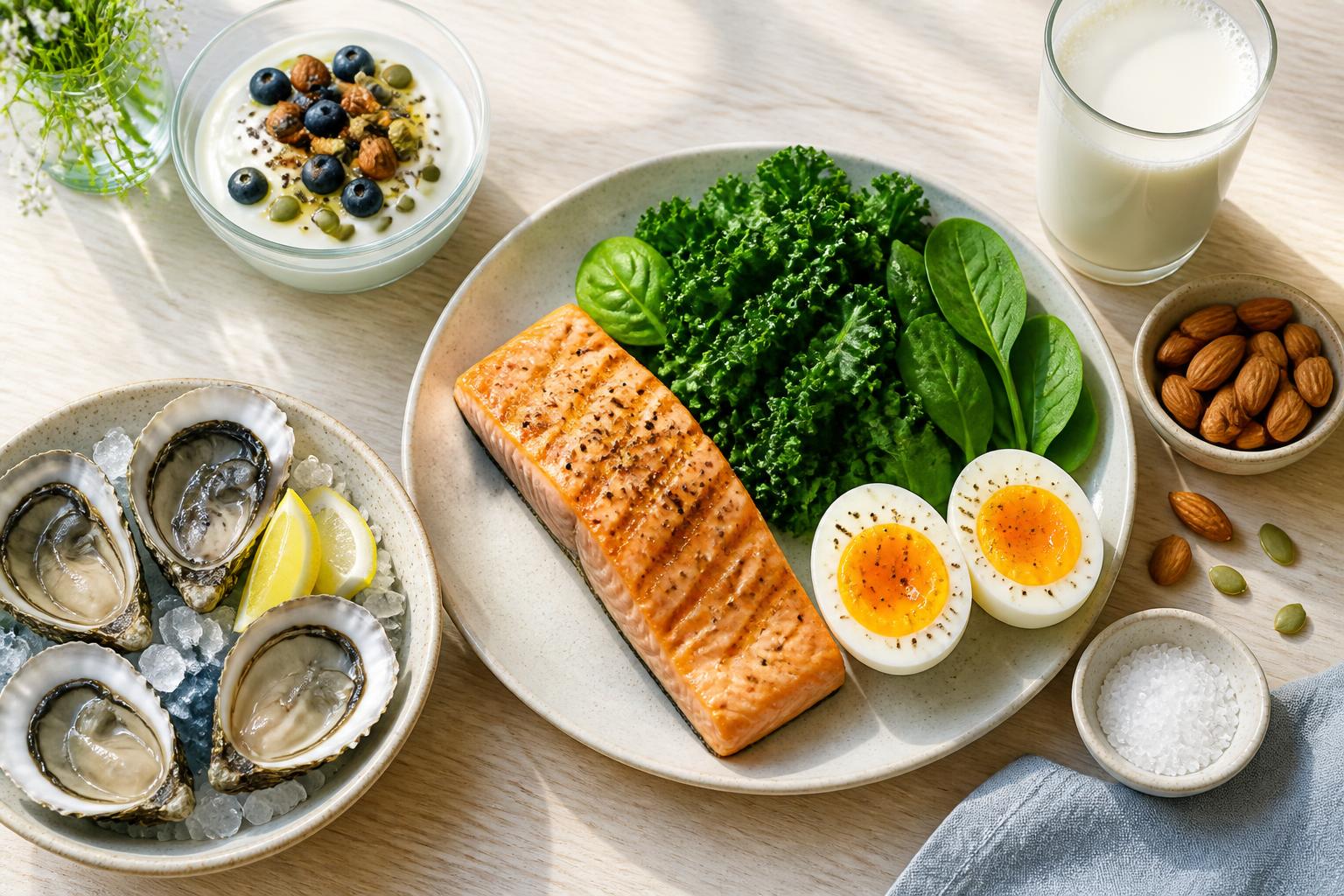
Dairy, iodised salt or a supplement help avoid a common gap in vegetarian diets.
Omega-3 balance
Rapeseed oil, walnuts or an algae-DHA supplement support heart and brain health.
When should you check your blood tests?
Regular tests are recommended — especially if you're fatigued.
- Fatigue or low energy
- Pregnancy or breastfeeding
- Coexisting chronic illness
- High-level training
- Transitioning from a meat-based diet
Blood tests are ordered by your GP — we use them in the plan.
Common questions
What people ask us most often.
Do I need supplements?
B12 is recommended on a strict vegetarian/vegan diet. Iron may be needed — we assess it.
Personal nutrition
No one with vegetarian diet is exactly the same
Age, everyday life, activity level, other conditions and what you actually enjoy eating determine what works for you.
That's why two people in the same situation need different advice. SmartEating AI learns your situation over time and tailors suggestions to your body, goals and everyday life.
- You've switched and want to do it properly
- Dinners have become repetitive
- You're unsure about iron and protein
- Your blood tests show low levels
- You want the whole family's meals to work
We build a vegetarian diet that covers your nutritional needs without much extra work.
SmartEating has recipes and a shopping list tailored to your diet.
A dietitian can secure the balance — especially in vulnerable phases.
READ MORE
The knowledge behind the advice
Legumes
Legumes such as beans, lentils and chickpeas are among the most nutrient-dense and sustainable foods available. They combine plant-based protein with abundant fibre, and are a valuable food group whether you eat a lot of meat or very little.
Protein
Protein is the building block of muscles, skin, enzymes and hormones, and one of the nutrients that gives the most satiety. Most people get enough protein through a varied diet, but needs can shift with age, activity level and life stage.
Vitamins and minerals
Vitamins and minerals are micronutrients the body needs in small amounts, but they are essential for nearly all bodily functions. A varied diet with plenty of vegetables, fruit, whole grains and good protein sources usually covers the need without supplements.

Assessment
A digital form before the session so the specialist knows your situation.

Kick-off conversation
60 minutes online or at a partner clinic.
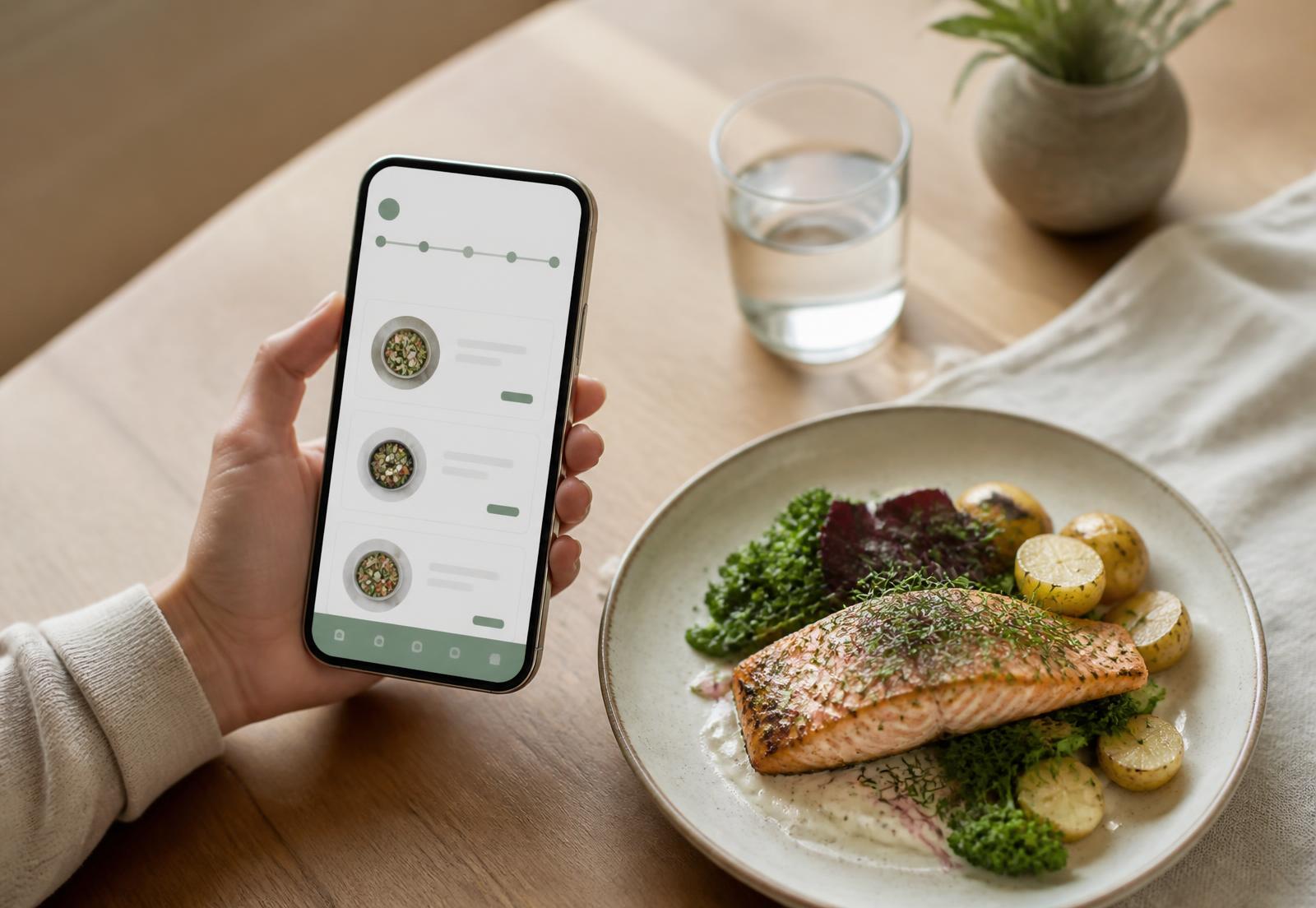
Personal plan
A concrete plan in SmartEating — food, structure and goals tailored to you.
Ready to get help with vegetarian diet?
We'll connect you with a licensed clinical dietitian who understands your situation.

Related topics