Vegetarian and vegan sports nutrition
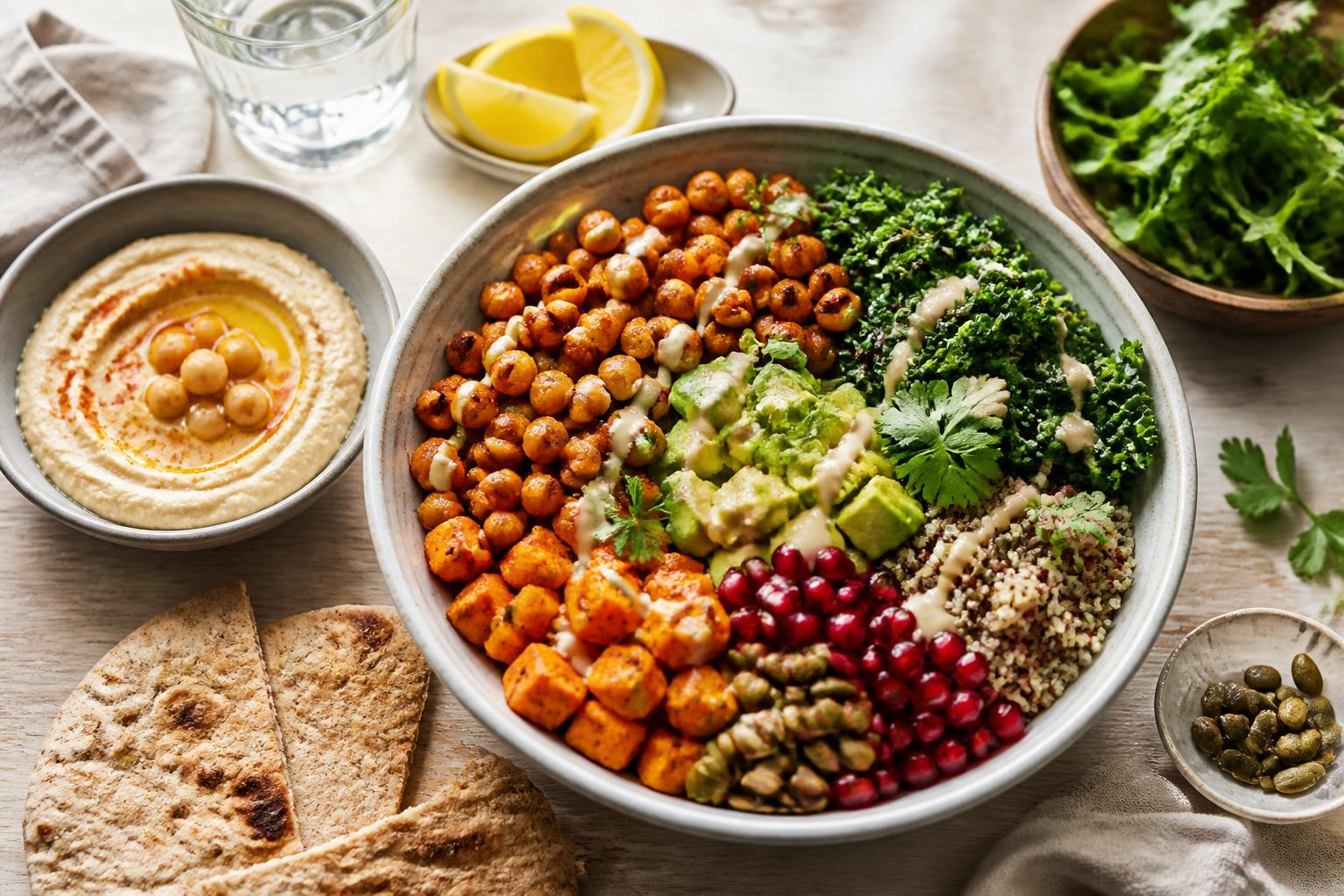
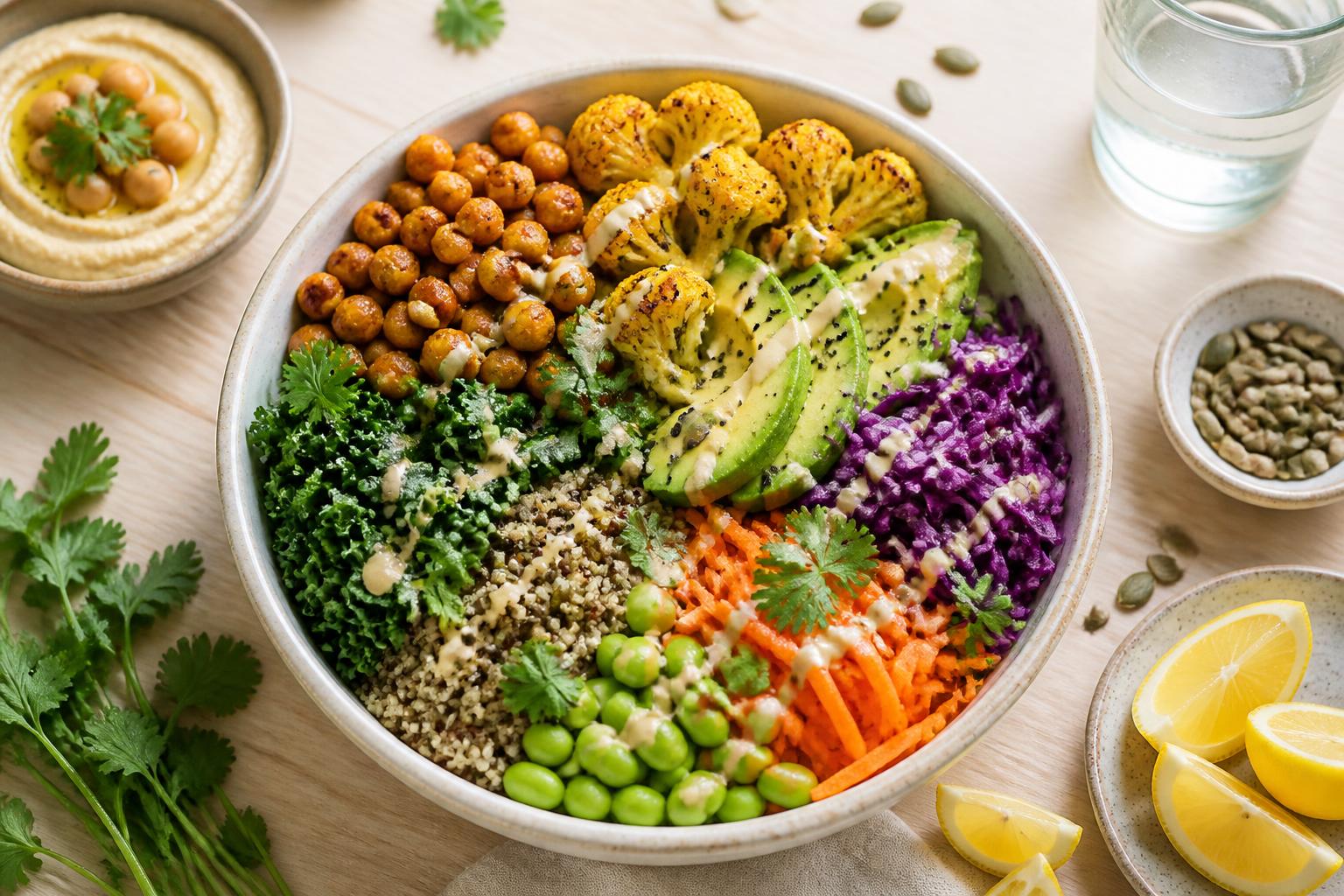
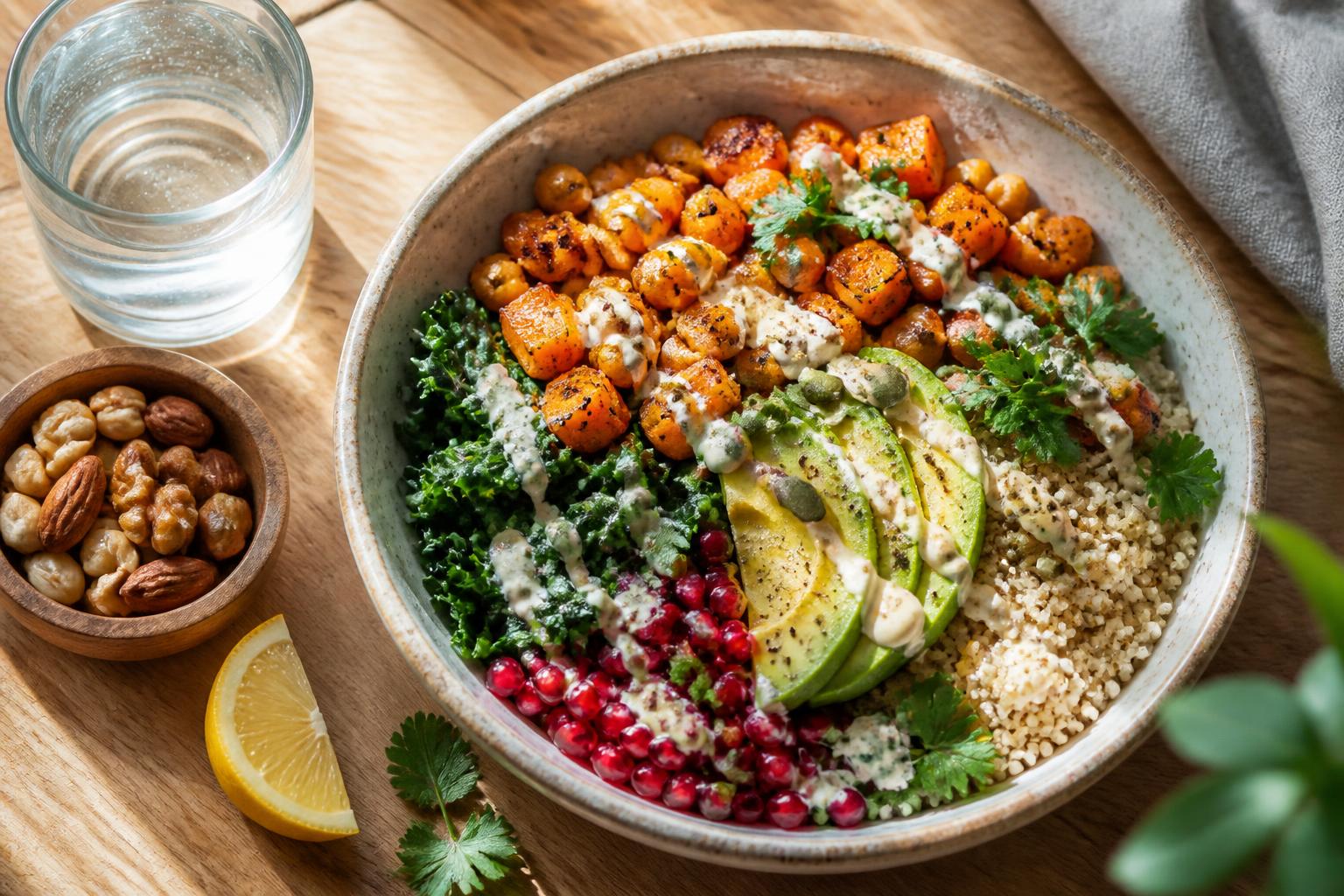
A plant-based diet works excellently in sport — when done right. We look after protein, iron, B12, omega-3 and total energy.
In short
Can a vegetarian diet support top performance?
Yes — many world-class athletes are vegetarian or vegan.
It requires planning: enough protein from several sources, good iron intake, and good coordination around training.
With structure in place, there's no performance loss.
Does this sound familiar?
This might sound like your situation
Protein, iron, B12, zinc and omega-3 can become low if the diet isn't planned.
- You train a lot and eat plant-based
- You're unsure whether your protein intake is enough
- You're in doubt about iron, B12 and omega-3
- You have less energy than before switching
- You want to combine your beliefs with performance
SmartEating recommends
What makes the biggest difference?
These nutrients need deliberate attention to keep a plant-based athlete performing well.
Protein variety
Combine sources like legumes, soy and grains to reach 1.4–2.0 g/kg.
Iron absorption
Pair plant iron with vitamin C and avoid coffee or tea with meals.
B12 supplementation
Not reliably available from plants alone; supplement year-round.
Omega-3 from algae
An algae-based DHA supplement replaces the fish source of omega-3.
Zinc and iodine
Often low without dairy or fish; check intake and blood levels.
When should you get blood tests?
Regular blood tests are recommended for athletes on a plant-based diet.
- For fatigue or plateaus
- Annual check of iron, ferritin, B12, D
- For pregnancy
- When switching to veganism
- For missed periods
Blood tests are ordered through your GP — we interpret and use them in the plan.
Common questions
What people ask us most often.
Can I build muscle as a vegan?
Yes — it just takes a bit more structure.
Personal nutrition
No one with vegetarian and vegan sports nutrition is exactly the same
Age, everyday life, activity level, other diagnoses and what you actually like to eat determine what works for you.
That's why people with the same starting point need different advice. SmartEating AI learns your situation over time and tailors suggestions to your body, goals and daily life.
- You train a lot and eat plant-based
- You're unsure whether your protein intake is enough
- You're in doubt about iron, B12 and omega-3
- You have less energy than before switching
- You want to combine your beliefs with performance
We build a varied, protein-rich plan that works with your training.
SmartEating has plant-based recipes and shopping lists.
A dietitian can make sure no nutrients are missed.
READ MORE
The knowledge behind the advice
Legumes
Legumes such as beans, lentils and chickpeas are among the most nutrient-dense and sustainable foods available. They combine plant-based protein with abundant fibre, and are a valuable food group whether you eat a lot of meat or very little.
Protein
Protein is the building block of muscles, skin, enzymes and hormones, and one of the nutrients that gives the most satiety. Most people get enough protein through a varied diet, but needs can shift with age, activity level and life stage.
Carbohydrates
Carbohydrates are the body's main energy source and are found in everything from fruit and vegetables to bread, pasta and sugar. The quality of the carbohydrate source matters far more for health than the amount alone.

Assessment
A digital form before the session so the specialist knows your situation.

Kick-off conversation
60 minutes online or at a partner clinic.
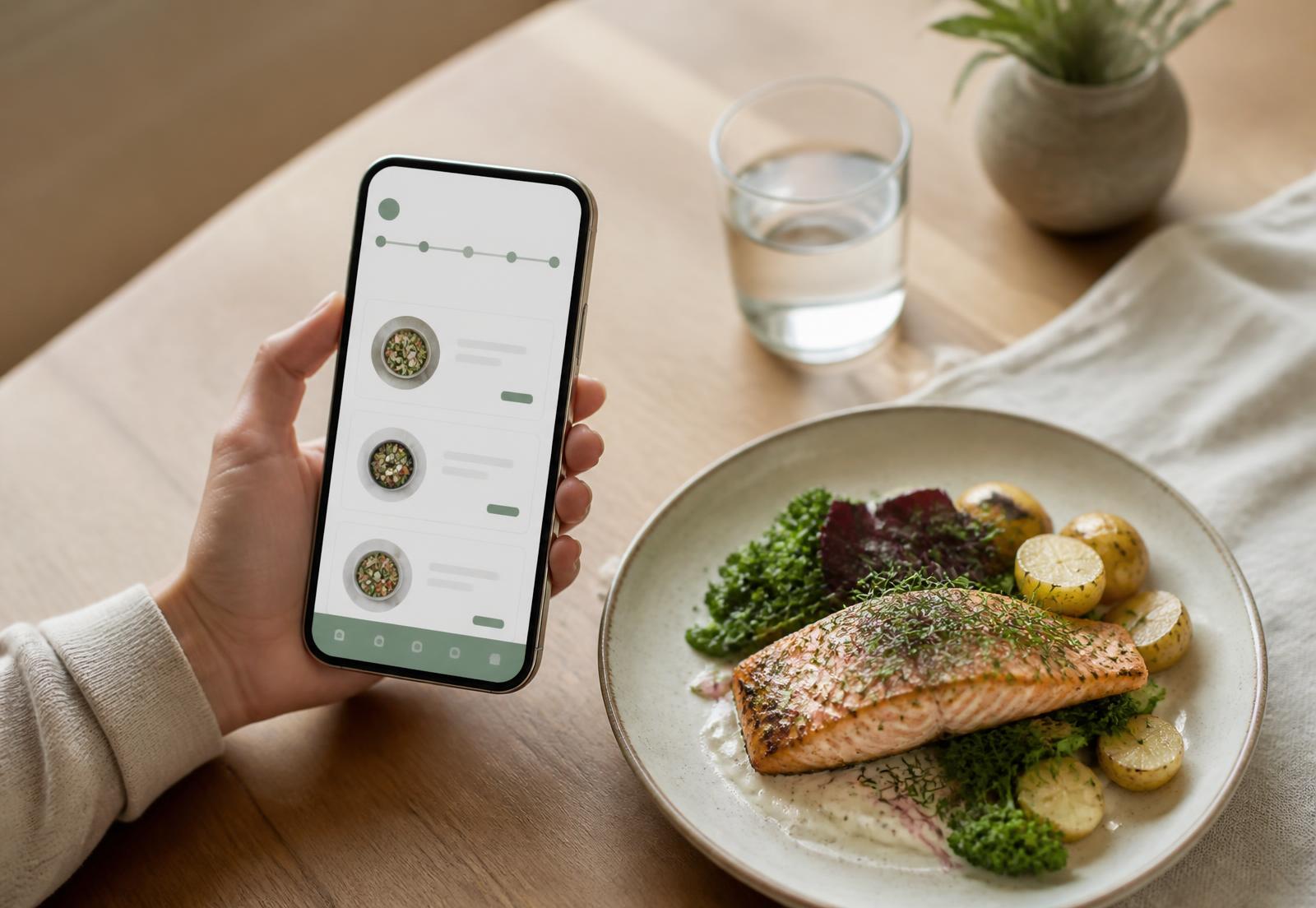
Personal plan
A concrete plan in SmartEating — food, structure and goals tailored to you.
Ready to get help with vegetarian and vegan sports nutrition?
We'll connect you with a licensed clinical dietitian who understands your situation.

Related topics