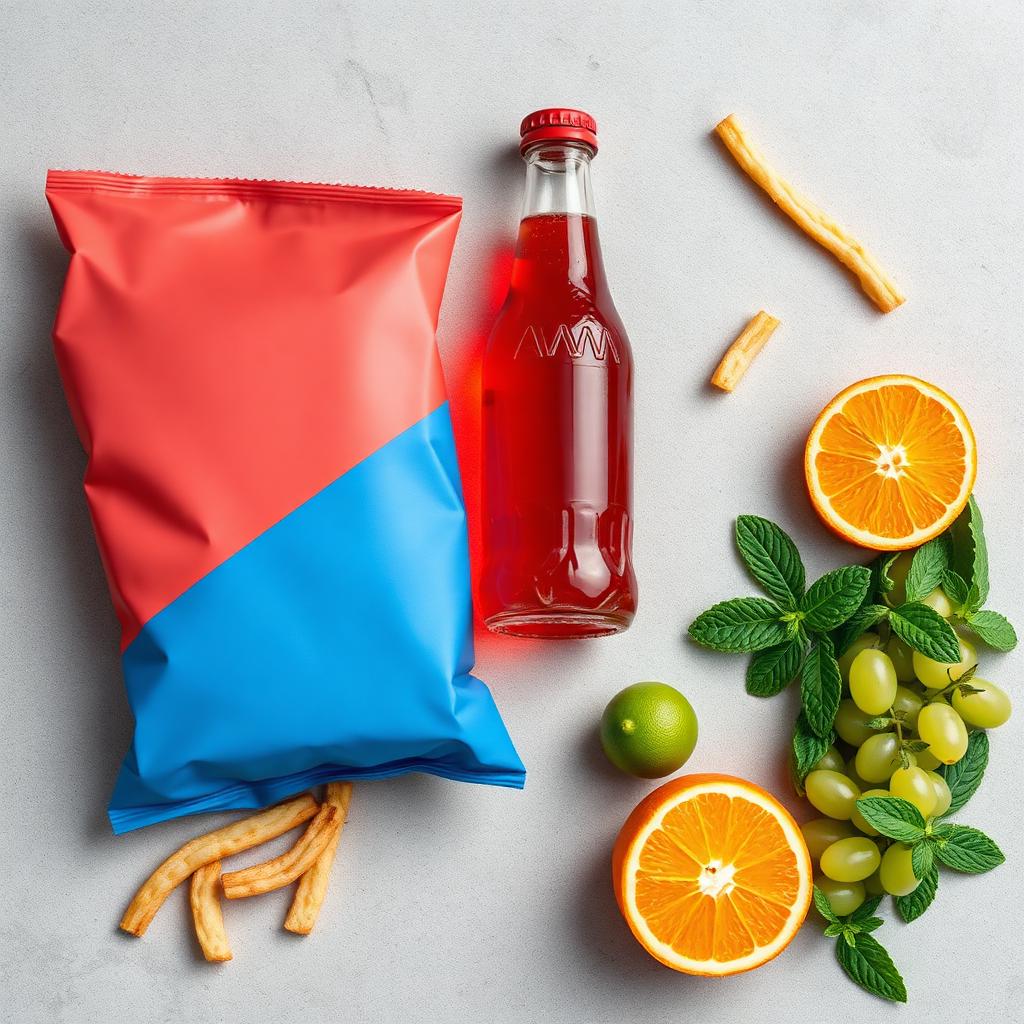
What is ultra-processed food?
Ultra-processed food is industrially manufactured products made with ingredients and additives you'd rarely find in a home kitchen, such as emulsifiers, flavour enhancers and industrial fats. Examples include ready meals, soft drinks, sweets and some breakfast cereals.
What is this?
The term ultra-processed food comes from a classification called the NOVA system, which divides foods into four groups by degree of processing: unprocessed or minimally processed foods, processed culinary ingredients, processed foods, and ultra-processed foods. The latter category is characterised by long ingredient lists containing substances rarely used in home cooking, added for texture, shelf life and flavour.
Examples of ultra-processed food include soft drinks, packaged pastries, sausages, ready meals, sweets, snacks and some plant-based meat substitutes. Not all processed food is ultra-processed — pre-washed salad or frozen fish, for example, is processed but not ultra-processed.
Why does it matter?
This matters because a high intake of ultra-processed food often displaces nutrient-dense foods like vegetables, whole grains and lean protein sources, and because such products are often high in sugar, salt and fat at once while being engineered to be highly palatable, which can contribute to higher total energy intake.
Good sources
Read the ingredient list
A very long list of unfamiliar additives is a sign that a product is ultra-processed.
Build your diet around whole foods
Let vegetables, whole grains, legumes, fish and other minimally processed food make up the bulk of your diet.
Use processed food as a helper, not a mainstay
Canned beans, frozen fish and whole grain pasta are convenient processed foods that fit well into a healthy diet.
Reduce gradually, not obsessively
It's not necessary to eliminate all ultra-processed food entirely — focus on making sure it doesn't dominate your diet.
What does the research say?
Studies show a link between high intake of ultra-processed food and increased risk of overweight, type 2 diabetes and certain cardiovascular diseases, even after adjusting for total calorie intake in some studies. Research suggests this is partly because such food often has a texture and composition that makes it easy to consume more energy without feeling correspondingly full.
There is ongoing debate in the research community about whether it's the degree of processing itself, or the nutrient content (high sugar, salt, fat and low fibre), that is the main driver behind these associations, and research on this continues.
Common misconceptions
«Anything processed is unhealthy.»
Many processed foods, like frozen vegetables, canned beans and whole grain bread, are healthy and convenient parts of a diet.
«Ultra-processed food is always easy to recognise by taste.»
Many ultra-processed products are specifically designed to taste natural and homemade, even though the ingredient list tells a different story.
«A single additive makes food dangerous.»
It's the overall pattern of your diet, not isolated ingredients, that matters most for health.
Who should pay extra attention?
- People with a high intake of ready-made food should be especially mindful of hidden sugar and salt.
- Children are a group where high intake of ultra-processed food is particularly concerning for diet and growth.
- Products marketed as 'healthy' can still be heavily processed — check the ingredient list.
- Swapping everything out too quickly can feel overwhelming — gradual changes tend to be more sustainable.
Frequently asked questions
Is store-bought whole grain bread ultra-processed?+
It varies — some commercial breads have a simple ingredient list and count as processed, while others contain many additives and count as ultra-processed.
Are plant-based meat substitutes ultra-processed?+
Many are, since they often contain isolated proteins, flavour enhancers and binders, but they can still fit into a varied diet in moderate amounts.
Does this mean I have to cook everything from scratch?+
No, it's about the overall pattern of your diet — using some processed products as shortcuts is fine as long as the bulk of your diet is nutrient-dense.
Keep reading
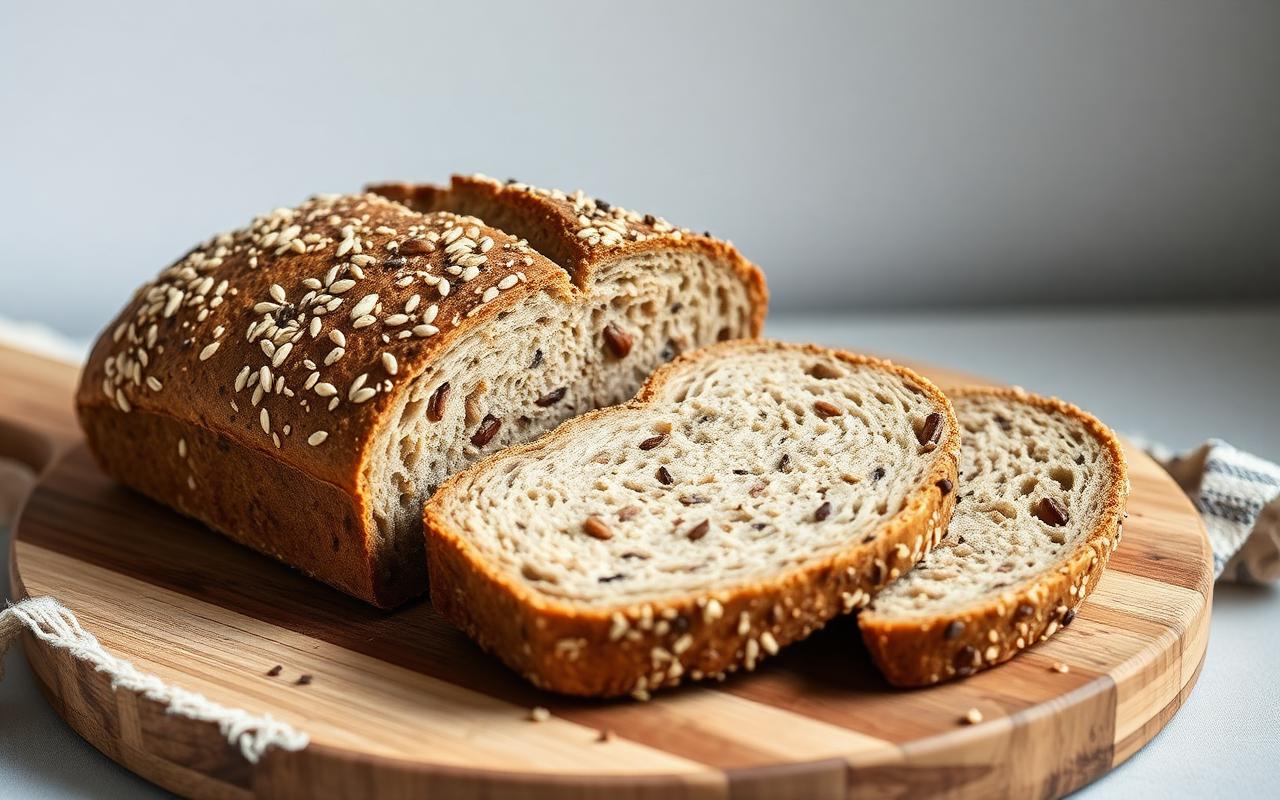
Wholegrains
Wholegrains are grain products in which the entire kernel — bran, germ and endosperm — is preserved, unlike refined grain products where the most nutrient-rich parts are removed. Wholegrains are among the food groups with the clearest documented link to good health.
5 min read
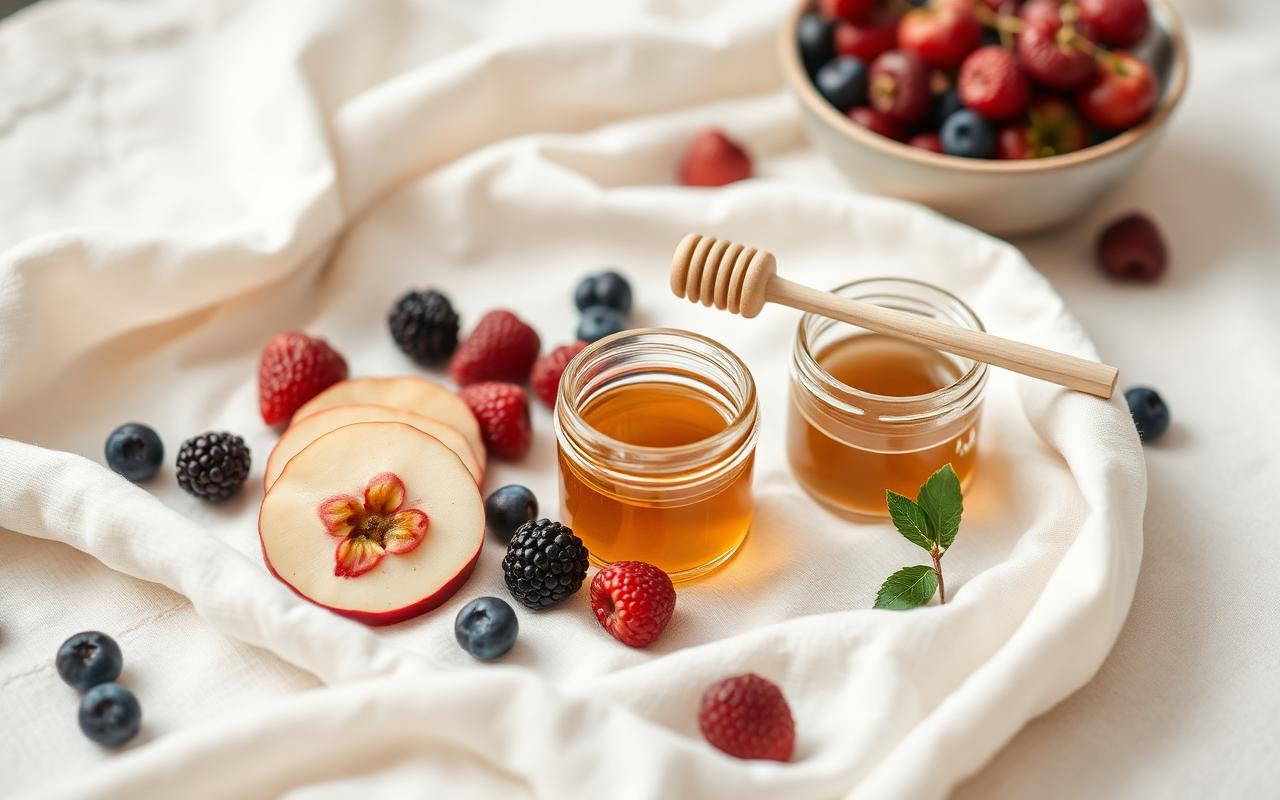
Sugar
Sugar is a natural part of many foods, but a high intake of added sugar is associated with increased risk of several health problems. Understanding the difference between natural and added sugar makes it easier to make informed choices.
5 min read
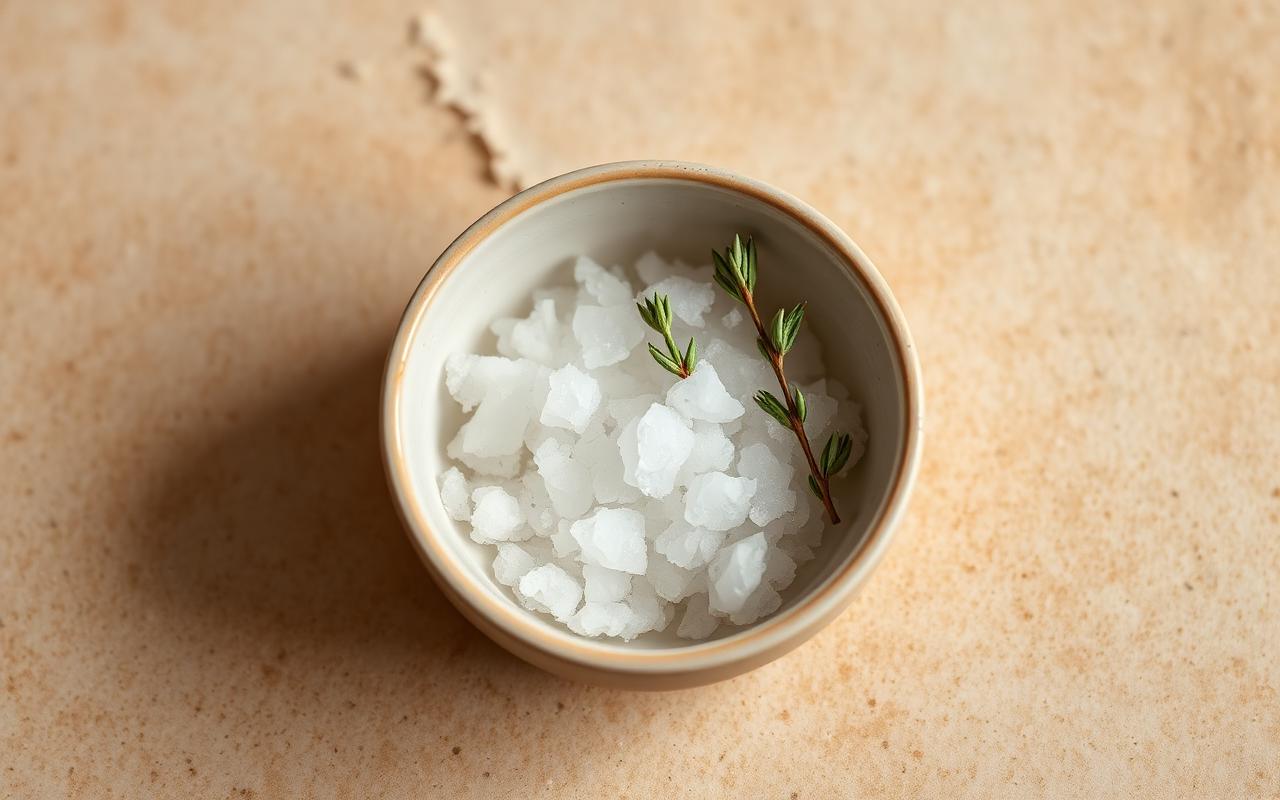
Salt
Salt, or sodium chloride, is necessary for the body's fluid balance and nerve function, but most people in Norway eat significantly more salt than recommended. A high salt intake over time is associated with elevated blood pressure.
5 min read
No two people are alike.
That is why we do not start with a diet – we start by getting to know you. SmartEating adapts advice and meals to your body, goals and daily life, so healthy choices become easier to live with over time.