
Meal structure
For many people, getting meal structure right has a bigger effect than choosing individual foods. We build a rhythmic diet that fits your everyday life.
In short
What is good meal structure?
Meal structure is about when you eat, how much, and what you combine — not strict rules.
For blood sugar and appetite, regularity is often more important than perfect food choices.
Good structure is the kind you can maintain on a day that isn't perfect.

Does this sound familiar?
This might sound like your situation
Steadier energy, fewer sugar cravings, better sleep and more stable blood sugar readings.
- Days start without breakfast and end with overeating
- You get hungry and unstable between meals
- Shift work makes fixed times difficult
- You snack a lot without planning it
- You want a rhythm that fits your workday
SmartEating recommends
What makes the biggest difference?
Good meal structure rests on a few habits that matter more than any single food choice.
Regular meal timing
Eating at roughly the same times each day steadies hunger and energy.
Protein at every meal
Protein supports fullness and reduces the urge to snack between meals.
Fibre-rich choices
Whole grains, legumes and vegetables slow digestion and smooth energy levels.
Planned snacks over grazing
Deciding snacks in advance prevents unplanned, frequent eating.
Flexibility within the rhythm
A structure that bends around work and family is easier to keep long-term.
When should you get help?
Simple measures help many people — but some need closer guidance.
- For diabetes or prediabetes
- For weight loss or gain
- For shift work
- For disordered eating behaviour
- For chronic fatigue
In illness, structure is always combined with medical follow-up.
Common questions
What people ask us most often.
Is intermittent fasting a good idea?
For some — but not for everyone with diabetes. We assess this individually together with your doctor.
Personal nutrition
No one with meal structure is exactly the same
Age, everyday life, activity level, other diagnoses and what you actually like to eat determine what works for you.
That's why people with the same starting point need different advice. SmartEating AI learns your situation over time and tailors suggestions to your body, goals and daily life.
- Days start without breakfast and end with overeating
- You get hungry and unstable between meals
- Shift work makes fixed times difficult
- You snack a lot without planning it
- You want a rhythm that fits your workday
SmartEating builds your meal plan around a sensible rhythm — automatically.
Shopping lists and recipes match the rhythm.
A dietitian can tailor the structure to work, family and training.
READ MORE
The knowledge behind the advice
Protein
Protein is the building block of muscles, skin, enzymes and hormones, and one of the nutrients that gives the most satiety. Most people get enough protein through a varied diet, but needs can shift with age, activity level and life stage.
What is ultra-processed food?
Ultra-processed food is industrially manufactured products made with ingredients and additives you'd rarely find in a home kitchen, such as emulsifiers, flavour enhancers and industrial fats. Examples include ready meals, soft drinks, sweets and some breakfast cereals.
Carbohydrates
Carbohydrates are the body's main energy source and are found in everything from fruit and vegetables to bread, pasta and sugar. The quality of the carbohydrate source matters far more for health than the amount alone.

Assessment
A digital form before the session so the specialist knows your situation.

Kick-off conversation
60 minutes online or at a partner clinic.
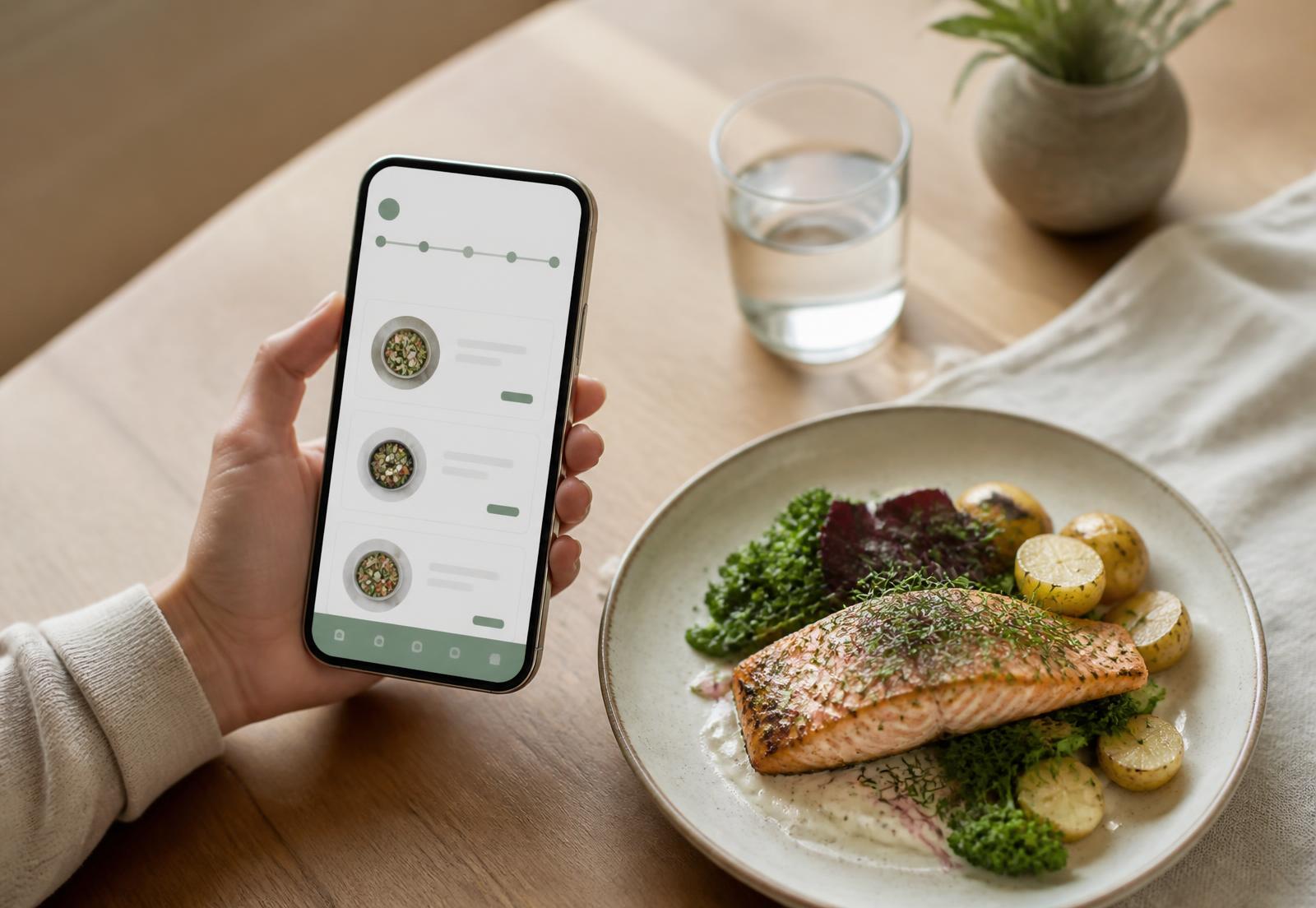
Personal plan
A concrete plan in SmartEating — food, structure and goals tailored to you.
Ready to get help with meal structure?
We'll connect you with a licensed clinical dietitian who understands your situation.

Related topics