
Clinical dietitian
Randi Irene Norheim
Randi has more than 20 years of experience in clinical nutrition, patient care, product development and outreach. She helps people make nutrition advice concrete, understandable and doable in everyday life.
Why many choose Randi
- Clinical dietitian and authorised healthcare personnel
- Over 20 years of experience from clinics and the health industry
- Digital follow-up across Norway
- Specialist in diabetes, weight and metabolic health
- Practical advice tailored to your everyday life
Randi is a clinical dietitian with more than 20 years of experience from clinics, the health industry, product development and digital nutrition.
She has worked with individual patient care, group follow-up, teaching healthcare professionals and developing nutrition products and digital services.
She has particular experience with overweight, underweight, diabetes, cardiovascular disease, gastrointestinal challenges and preventive nutrition work.
Randi is committed to making nutrition knowledge practical — the goal isn't just to give advice, but to develop solutions the user can actually follow over time.
“My goal isn't to give perfect nutrition advice. The goal is to find solutions that work in real, everyday life.”
Areas of expertise
- Experience
- More than 20 years of experience from clinics, industry, product development and digital nutrition.
- Education
- Master's in clinical nutrition, University of Oslo
- Location
- Digital
How a consultation works
- 1
Assessment
We get to know you, your goals and your everyday life.
- 2
Personal plan
You receive recommendations tailored to you and your situation.
- 3
Follow-up
We adjust the plan along the way, in close dialogue with you.
- 4
Lasting habits
The goal is solutions that work over time.
Articles by Randi
Professional content written and quality-assured in SmartEating's knowledge library.
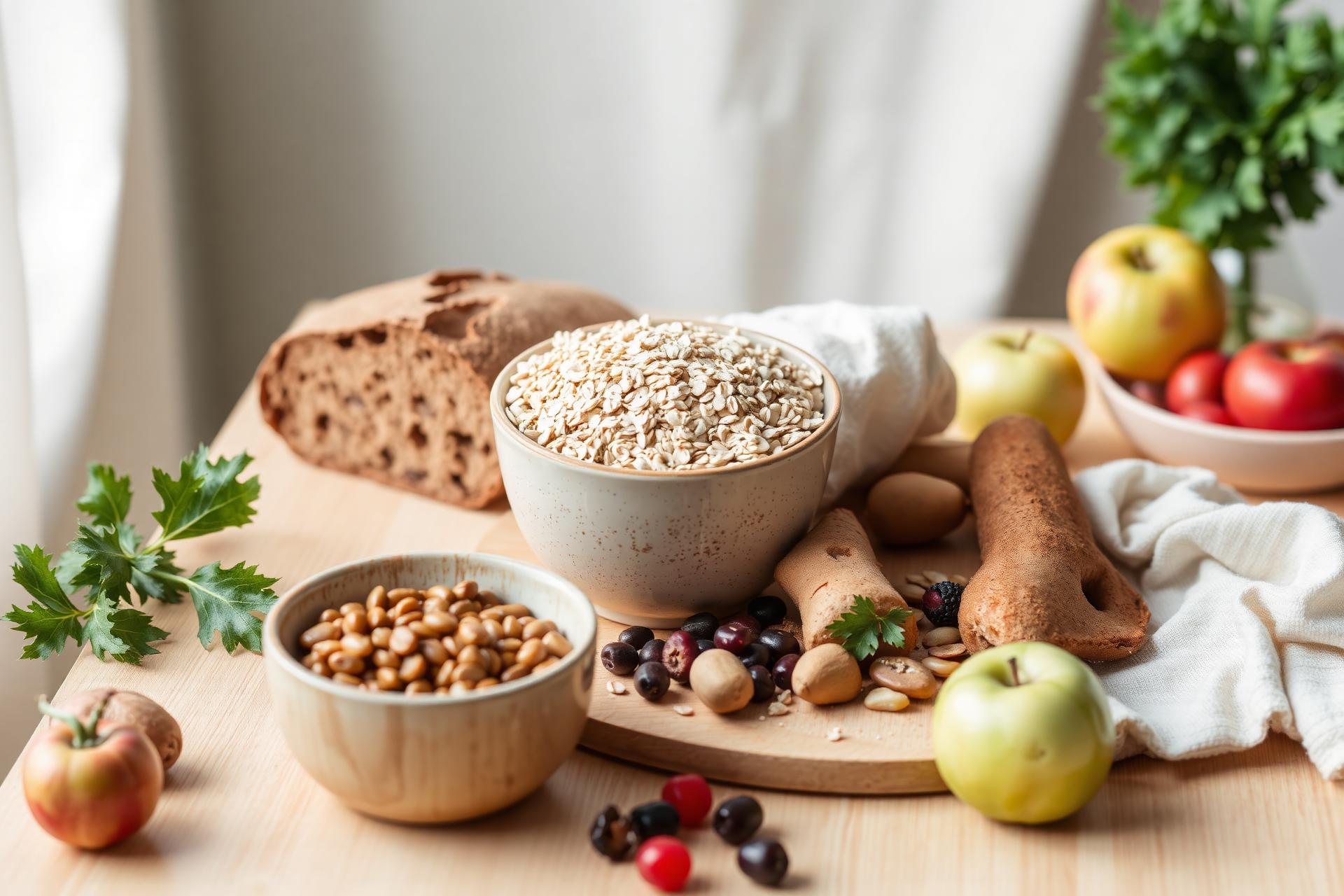
Fibre
Fibre comes from plants and plays a key role in digestion, blood sugar regulation and a healthy gut microbiome. Most people in Norway eat less fibre than recommended, and it is often one of the easiest places to start when improving your diet.
6 min read

Protein
Protein is the building block of muscles, skin, enzymes and hormones, and one of the nutrients that gives the most satiety. Most people get enough protein through a varied diet, but needs can shift with age, activity level and life stage.
6 min read
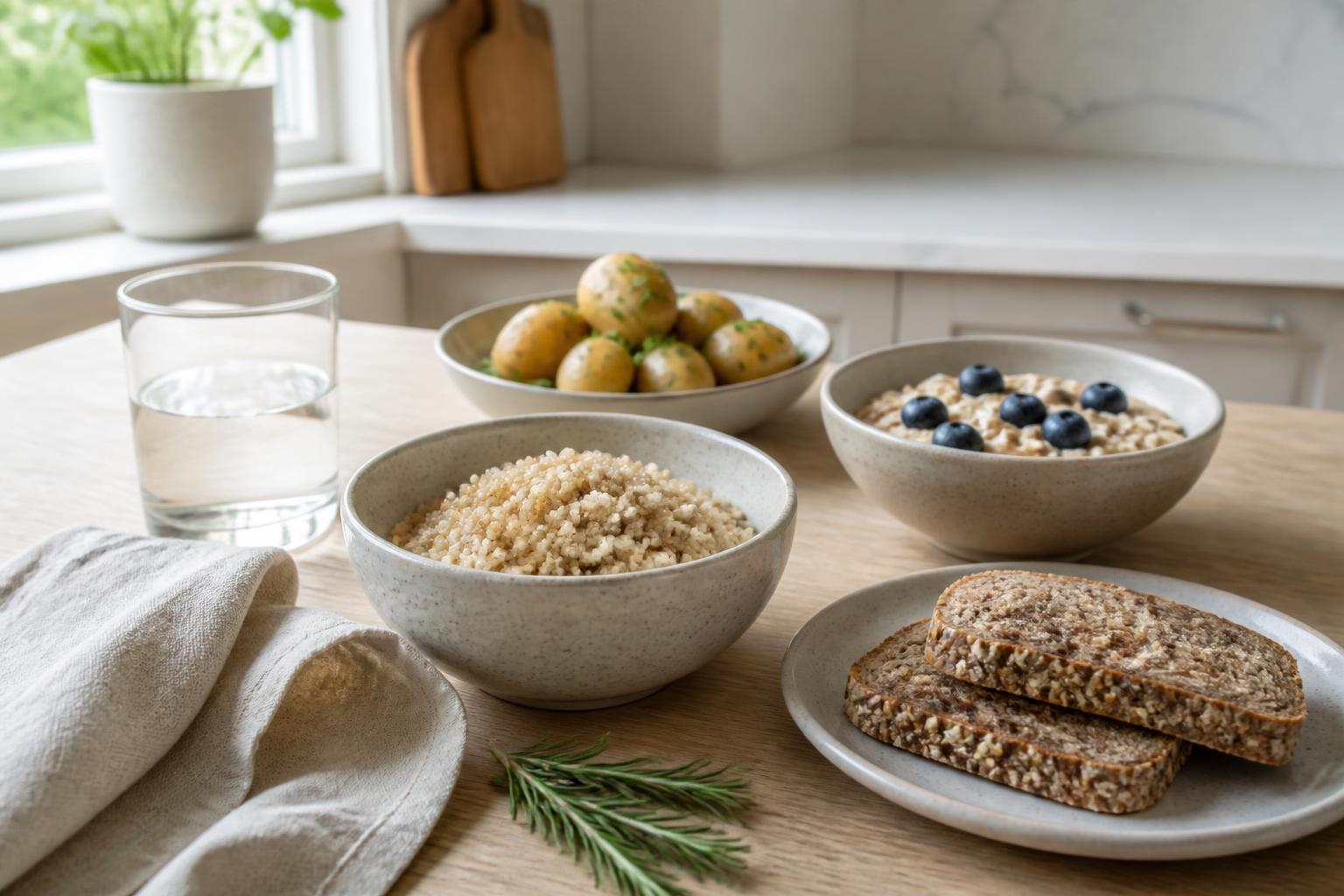
Carbohydrates
Carbohydrates are the body's main energy source and are found in everything from fruit and vegetables to bread, pasta and sugar. The quality of the carbohydrate source matters far more for health than the amount alone.
6 min read

What does glycaemic index mean?
Glycaemic index (GI) is a measure of how quickly a food raises blood sugar compared with pure glucose. Foods with a low GI produce a steadier rise in blood sugar, while foods with a high GI cause a faster, sharper rise.
4 min read
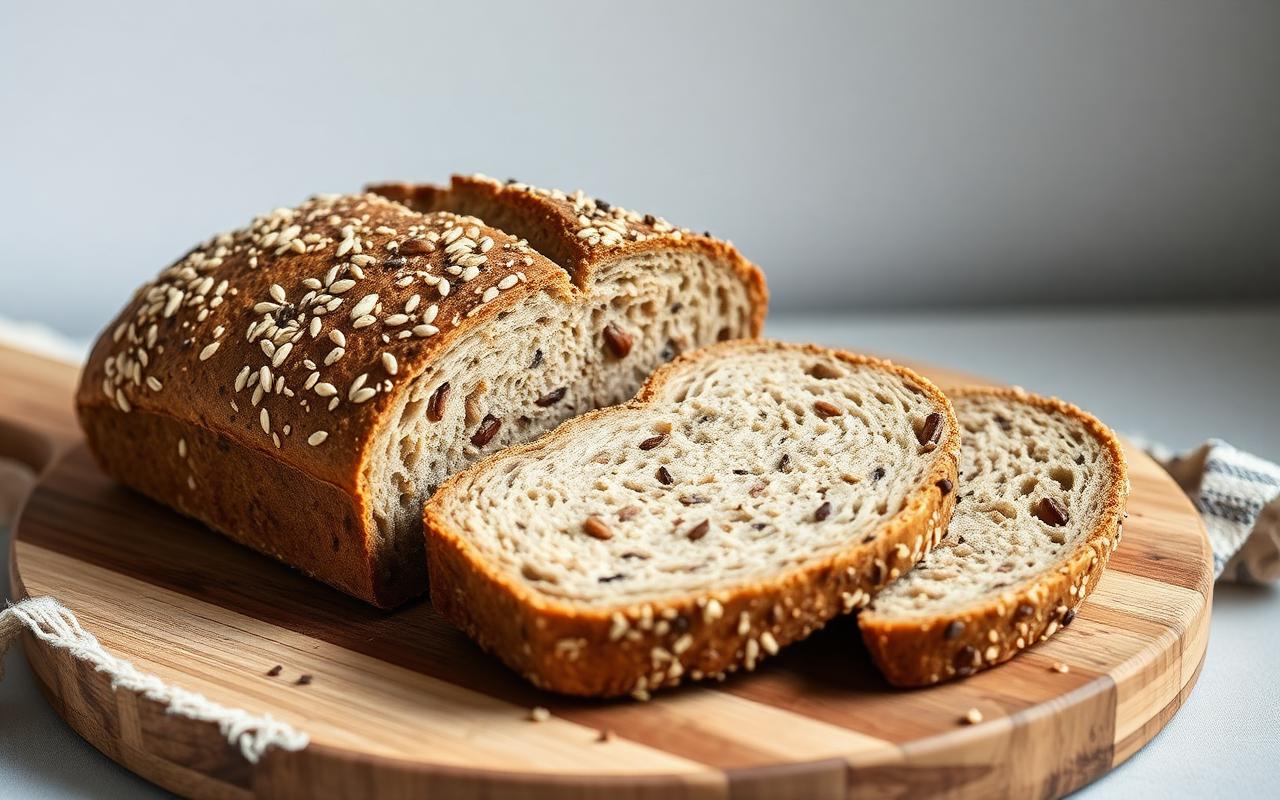
Wholegrains
Wholegrains are grain products in which the entire kernel — bran, germ and endosperm — is preserved, unlike refined grain products where the most nutrient-rich parts are removed. Wholegrains are among the food groups with the clearest documented link to good health.
5 min read

Is sugar dangerous?
Sugar in moderate amounts is not dangerous for most healthy people, but a high and sustained intake of added sugar is linked to increased risk of overweight, tooth decay and metabolic disease. What matters most is the total amount over time, not sugar in individual meals.
4 min read
Quick five
- Favourite food
- A good homemade fish soup — with plenty of vegetables.
- Best nutrition advice
- Don't strive for perfection. Small, lasting changes beat grand efforts that don't last.
- What motivates you?
- Seeing people gain energy and confidence in everyday life — not just better numbers on a test.
- When you're not working?
- You'll usually find me outdoors on a walk, or in the kitchen with family and friends.
- A book or podcast you recommend
- I often recommend podcasts about behaviour and habits — understanding why we do what we do is underrated.