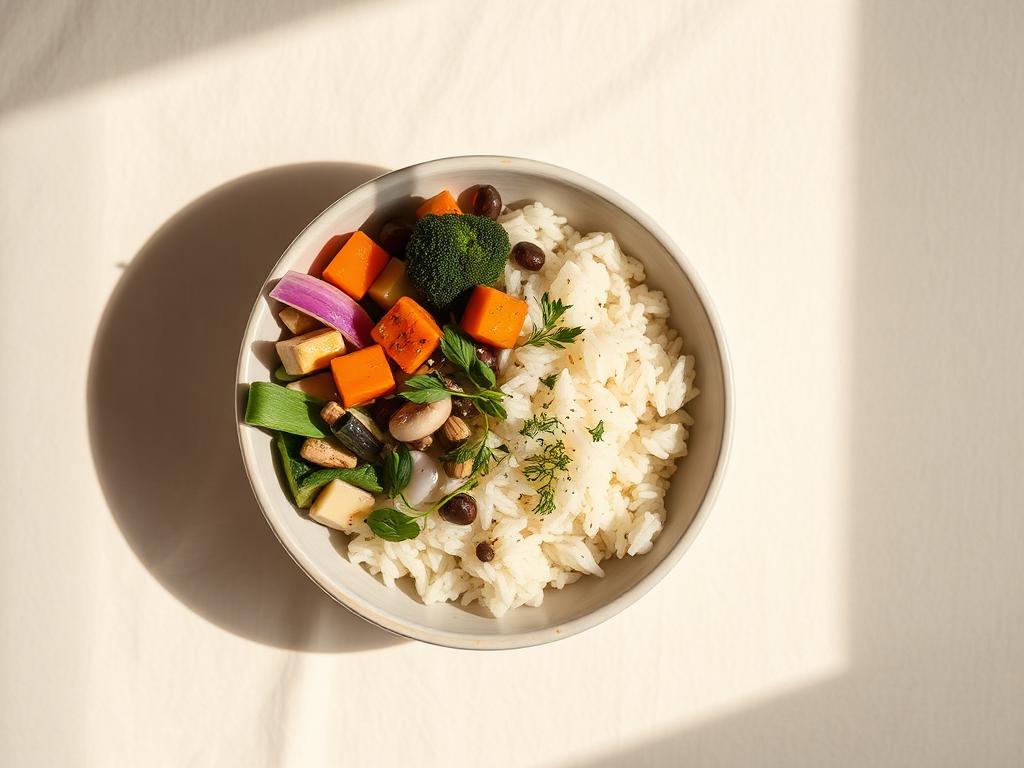
Calories and energy
Calories measure the energy in food and drink, and energy balance is a fundamental principle of weight development. But counting calories alone says little about food quality, satiety or health effects.
What is this?
A calorie, or more precisely a kilocalorie, is a unit describing how much energy the body can extract from food and drink. All foods contain energy to varying degrees, depending on their content of protein, fat, carbohydrates and alcohol, the only nutrients that provide energy.
Protein and carbohydrates provide four kilocalories per gram, fat provides nine kilocalories per gram, and alcohol provides seven kilocalories per gram. Energy needs vary from person to person and are influenced by age, sex, body size, activity level and life stage.
Energy balance is about the relationship between the energy you eat and the energy your body uses. Over time, a sustained energy surplus leads to weight gain, while a sustained deficit leads to weight loss.
Why does it matter?
Understanding energy balance can be useful for understanding weight development over time, but it's not sufficient on its own to assess whether a diet is healthy. Two meals with the same calorie content can have very different effects on satiety, blood sugar and nutritional content.
Focusing on food quality, not just calorie count, often gives better long-term results for both weight and health, because nutrient-dense food provides better satiety and a healthier diet overall.
Good sources
Vegetables
Low calorie content and high volume give good satiety with little energy.
Lean protein sources
Fish, chicken and legumes provide satiety without unnecessarily high energy content.
Whole grains
Provide steady energy release and satiety over time.
Healthy fat in moderate amounts
Nuts and olive oil provide energy and essential fatty acids, but should be portioned mindfully.
What does the research say?
Research suggests that high-volume, low-energy-density foods, such as vegetables and fruit, contribute to better satiety regulation than energy-dense, processed foods with the same calorie content.
There is good evidence that the body's energy expenditure adapts somewhat to large and sustained changes in intake, which explains why very restrictive diets are often hard to maintain over time.
Studies show that lack of sleep and stress can affect appetite-regulating hormones and thereby make it harder to maintain energy balance, underscoring that weight control is about more than just calories in and out.
Common misconceptions
«All calories are equal, regardless of source.»
Even though energy content is measured the same way, the composition of food affects satiety, blood sugar and nutritional status very differently.
«You have to count calories to lose weight.»
Many people achieve good results by focusing on food quality, portion size and satiety cues, without counting calories precisely.
«Low calorie content automatically means healthy.»
Some low-calorie products are heavily processed and give little satiety or nutrition, while some more energy-dense foods, like nuts, are very nutrient-rich.
Who should pay extra attention?
- People with a history of eating disorders, who should avoid strict calorie counting and instead seek professional guidance
- Those wanting to change their weight, who should prioritise food quality over calorie count alone
- Athletes with high energy needs, who should ensure enough energy for performance and recovery
- Older adults with reduced appetite, who may need closer monitoring of energy intake
Frequently asked questions
Do I need to count calories to lose weight?+
No, it's not necessary for everyone. Many succeed well by focusing on food quality, portion size and satiety instead of exact calorie counting.
Why do some foods provide more satiety than others with the same calorie content?+
Foods with high volume, lots of fibre or protein, such as vegetables and lean protein sources, often give better satiety than energy-dense, processed foods with the same calorie content.
How many calories do I need per day?+
This varies a lot depending on age, sex, body size and activity level. A clinical nutritionist or doctor can provide a more individual assessment if needed.
Can I eat too few calories?+
Yes, a sustained too-low energy intake can lead to insufficient nutrient intake, fatigue and eventually loss of muscle mass. It's important to get enough energy tailored to your needs.
Keep reading
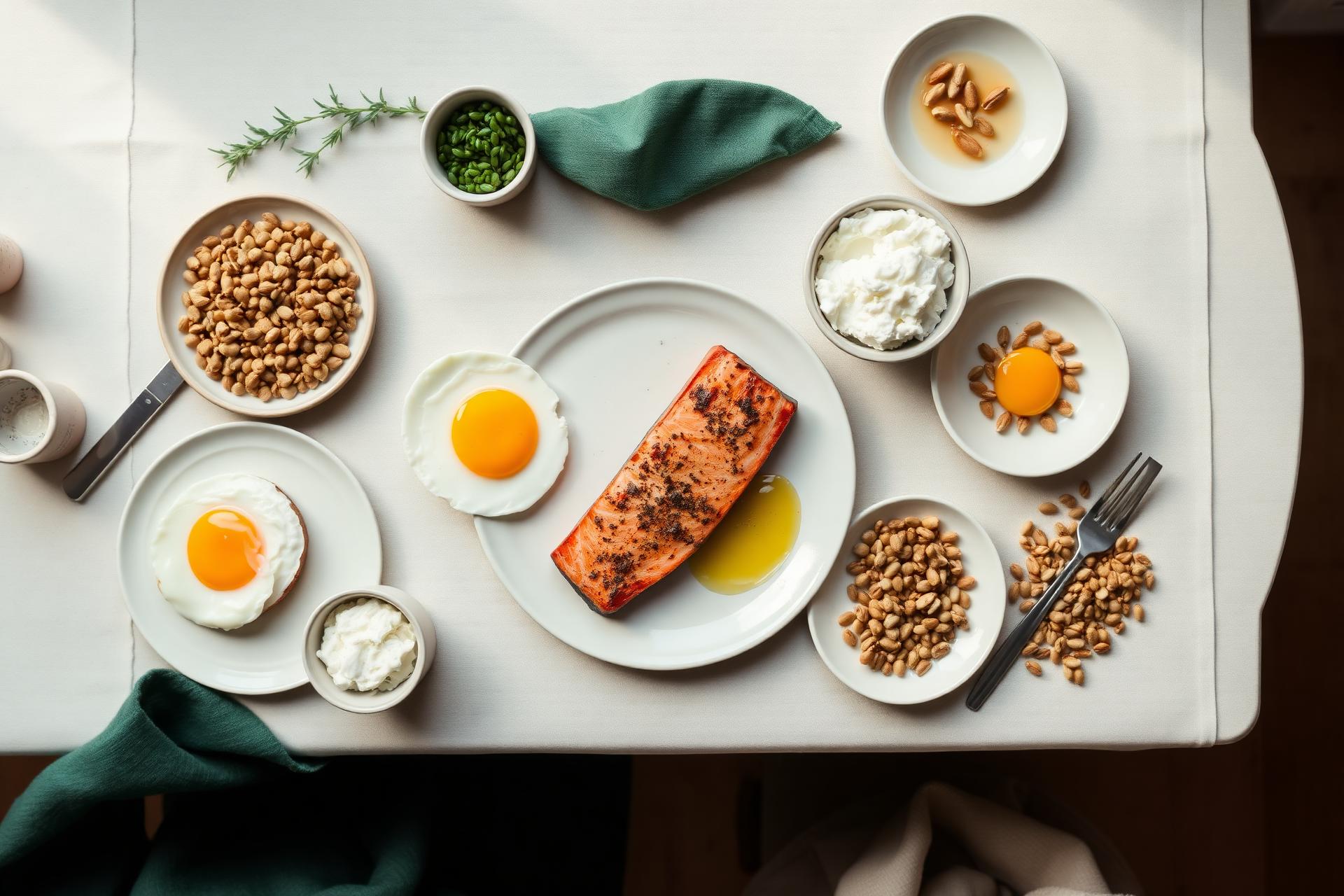
Protein
Protein is the building block of muscles, skin, enzymes and hormones, and one of the nutrients that gives the most satiety. Most people get enough protein through a varied diet, but needs can shift with age, activity level and life stage.
6 min read
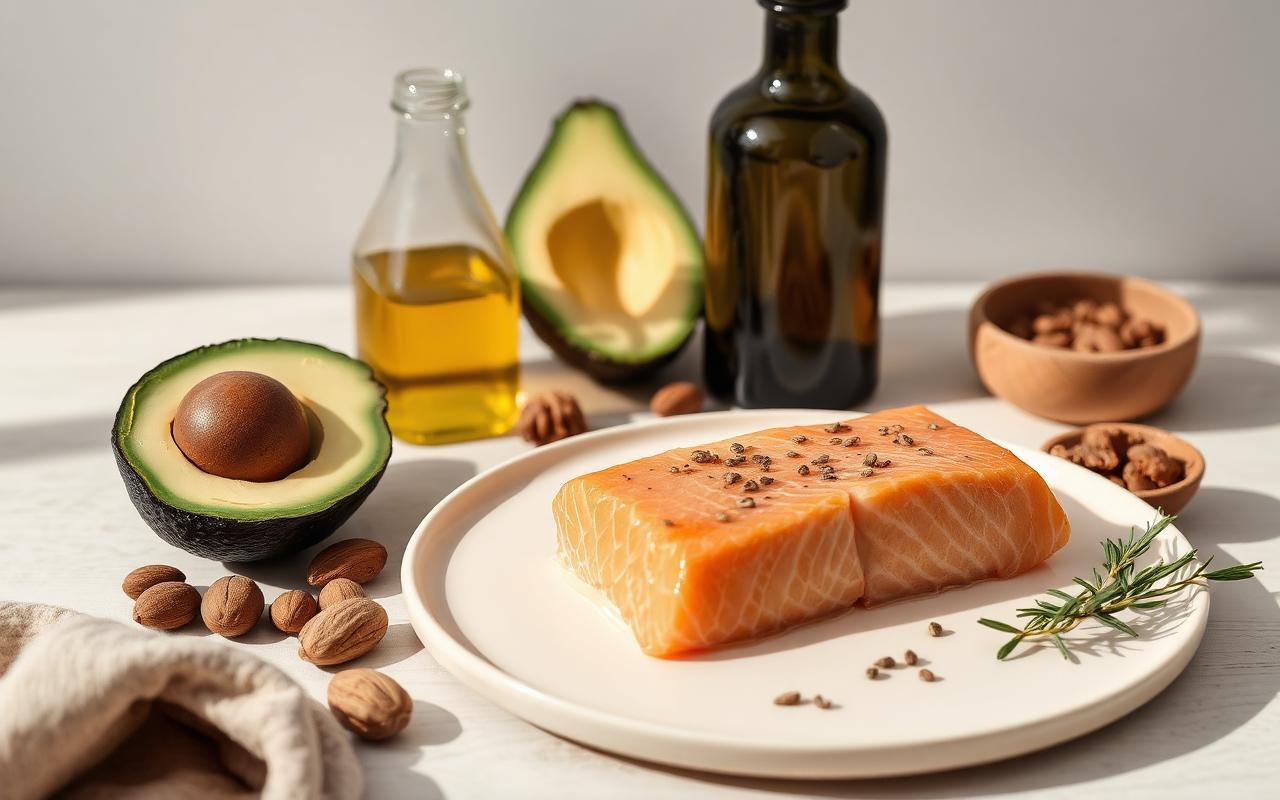
Fat
Fat is a concentrated energy source and necessary for absorbing fat-soluble vitamins, cell membranes and hormone production. Not all fat is equal, and the type of fat you eat matters more for health than the total amount.
6 min read
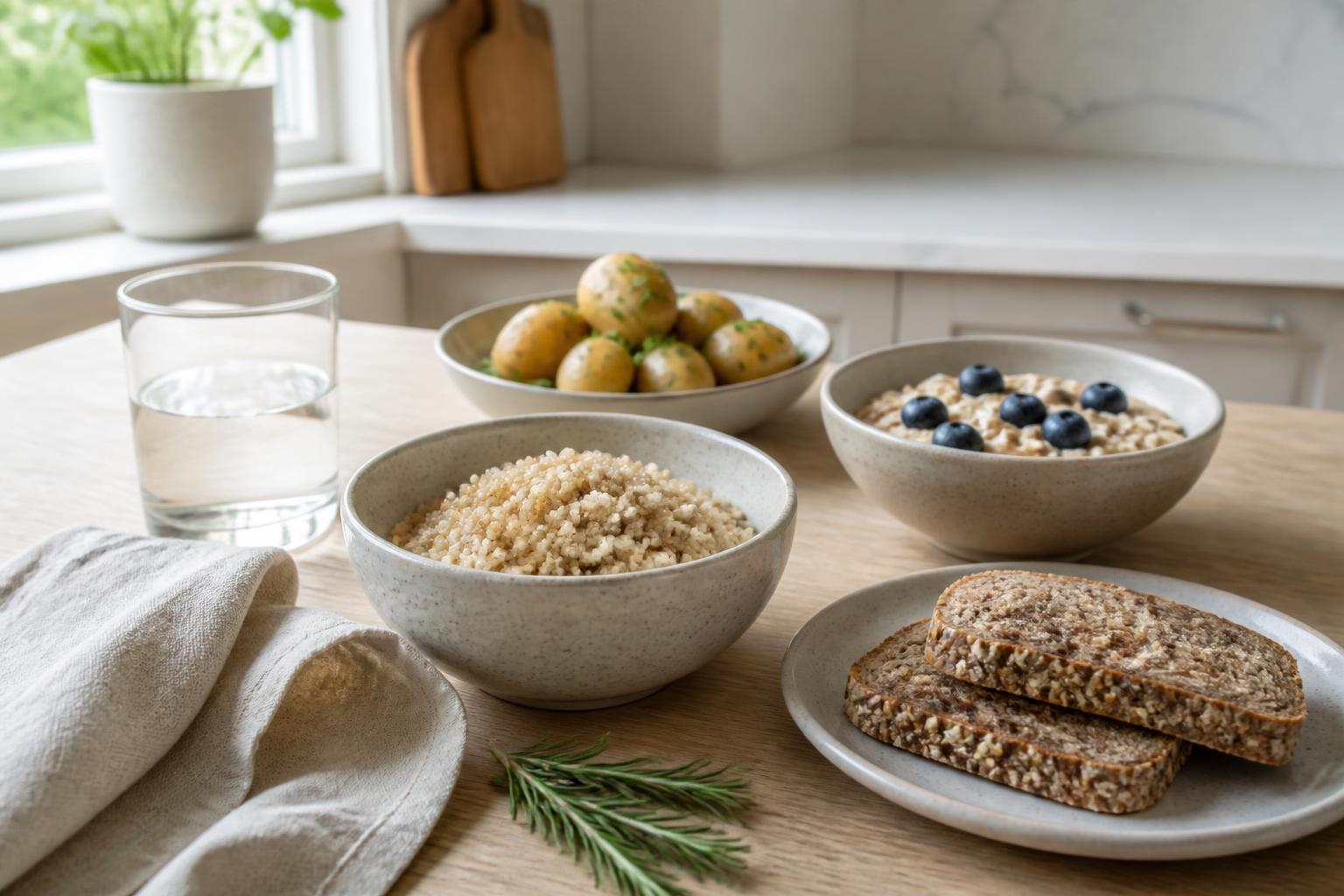
Carbohydrates
Carbohydrates are the body's main energy source and are found in everything from fruit and vegetables to bread, pasta and sugar. The quality of the carbohydrate source matters far more for health than the amount alone.
6 min read
No two people are alike.
That is why we do not start with a diet – we start by getting to know you. SmartEating adapts advice and meals to your body, goals and daily life, so healthy choices become easier to live with over time.