Lasting weight loss
Lose weight in a way that works with everyday life. A clinical dietitian helps you build habits that stick — SmartEating makes the plan easy to follow.
Medically reviewed by Eugenie Meijn, clinical dietitian
In short
What is lasting weight loss?
Lasting weight loss isn't about quick fixes — it's about changes you can keep up year after year.
For most people that means steady energy intake, a nutritionally complete diet, adequate sleep and everyday movement.
The goal is lower weight without losing quality of life along the way.
Does this sound familiar?
This might sound like your situation
Weight gain itself rarely causes acute symptoms, but is often felt as lower energy, worse sleep or reduced mobility.
- You've lost and regained weight several times
- Life is busy, and evenings often turn chaotic around food
- You know a lot about nutrition but can't make it stick over time
- Motivation comes in bursts and fades when results are slow
- You want a plan that survives work, family, holidays and festive days
SmartEating recommends
What makes the biggest difference?
These are the factors that make the biggest difference for lasting weight loss.
Protein at every meal
May help preserve muscle mass and keeps you fuller for longer through the day.
Fibre-rich carbohydrates
Vegetables, legumes and whole grains improve fullness and blood sugar stability.
Regular meal rhythm
Reduces impulsive snacking and evening overeating.
Sleep and stress
Poor sleep and chronic stress raise appetite and cravings.
Everyday activity
Walking and daily movement matter more for weight than single workouts.
When should you talk to a doctor?
Most people can safely get started on their own, but some situations call for a medical assessment first.
- Rapid, unexplained weight change
- BMI above 35 or coexisting conditions
- Use of medications that affect weight
- A previous eating disorder
- Pregnancy or breastfeeding
A clinical dietitian can build a plan together with your doctor, but doesn't replace medical follow-up.
Common questions
What people ask us most often.
How fast does it go?
The pace depends on your starting weight and where you begin. A calm pace is easier to keep — rapid loss often leads to rapid regain. Your dietitian sets a realistic goal together with you.
Do I have to count calories?
No. Many get the best results from structure, meal rhythm and the right composition of their diet. Logging is a tool — not a requirement.
Does this work if I use Wegovy or Mounjaro?
Yes. We adapt the plan while your appetite is low. But solid knowledge of nutrition, structure and activity is what makes it work over time. See our dedicated page on medications.
Personal nutrition
No one with lasting weight loss is exactly the same
Age, everyday life, activity level, other conditions and what you actually enjoy eating determine what works for you.
That's why two people in the same situation need different advice. SmartEating AI learns your situation over time and tailors suggestions to your body, goals and everyday life.
- You've lost and regained weight several times
- Life is busy, and evenings often turn chaotic around food
- You know a lot about nutrition but can't make it stick over time
- Motivation comes in bursts and fades when results are slow
- You want a plan that survives work, family and holidays
We work with behaviour and habits — calories are not the most important thing. We build a plan you recognise yourself in, not a generic diet.
SmartEating structures your meals, provides recipes and a shopping list, and helps you see what actually works for you.
A clinical dietitian can adjust the plan along the way and help you through plateaus and setbacks.
We work with behaviour and habits — calories are not the most important thing. The goal is lasting change, not a quick drop followed by a rebound.
READ MORE
The knowledge behind the advice
Protein
Protein is the building block of muscles, skin, enzymes and hormones, and one of the nutrients that gives the most satiety. Most people get enough protein through a varied diet, but needs can shift with age, activity level and life stage.
Calories and energy
Calories measure the energy in food and drink, and energy balance is a fundamental principle of weight development. But counting calories alone says little about food quality, satiety or health effects.
Fibre
Fibre comes from plants and plays a key role in digestion, blood sugar regulation and a healthy gut microbiome. Most people in Norway eat less fibre than recommended, and it is often one of the easiest places to start when improving your diet.

Assessment
A digital form before the session so the specialist knows your situation.

Kick-off conversation
60 minutes online or at a partner clinic.
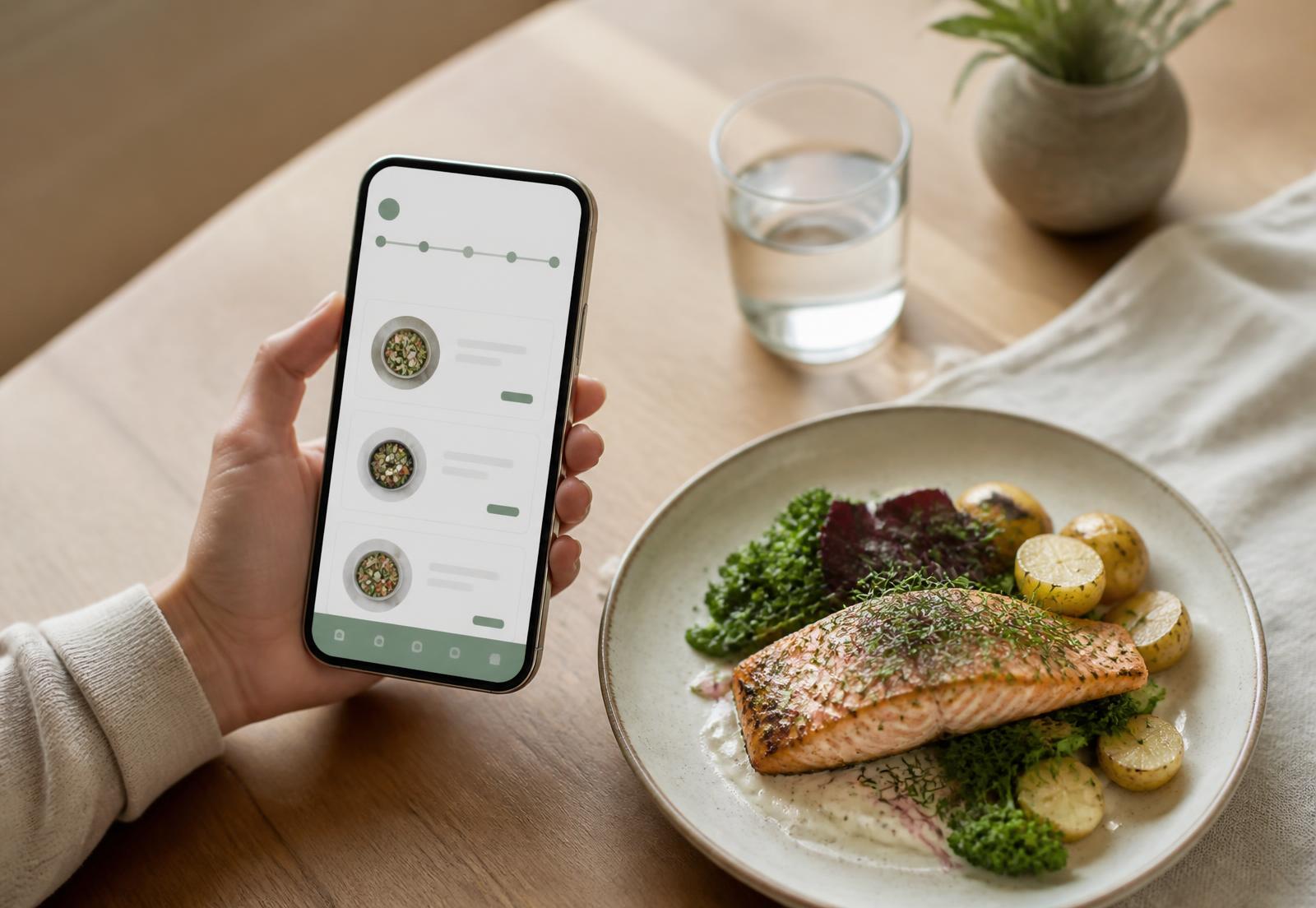
Personal plan
A concrete plan in SmartEating — food, structure and goals tailored to you.
Ready to get help with lasting weight loss?
We'll connect you with a licensed clinical dietitian who understands your situation.

Related topics