Fat
Fat is a concentrated energy source and necessary for absorbing fat-soluble vitamins, cell membranes and hormone production. Not all fat is equal, and the type of fat you eat matters more for health than the total amount.
What is this?
Fat is the most energy-dense macronutrient, providing nine kilocalories per gram, more than double that of protein and carbohydrates. Fat is mainly divided into saturated, unsaturated and trans fat, and these types affect the body differently.
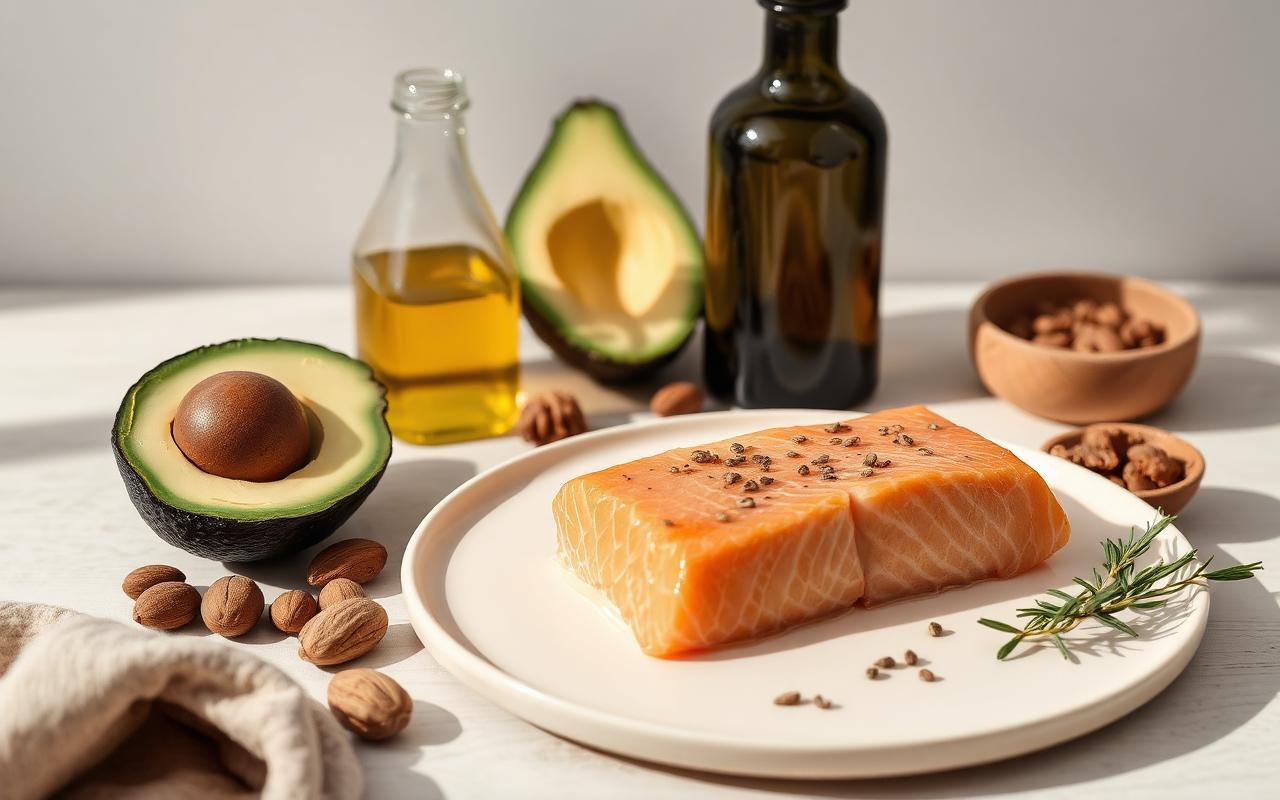
Unsaturated fat, found in olive oil, avocado, nuts, seeds and oily fish, is considered beneficial and should make up the majority of fat intake. Saturated fat, found in butter, full-fat dairy and processed meat among others, should be limited. Trans fat, mainly formed through industrial hardening of oil, should be avoided as much as possible.
Fat is also necessary for absorbing the fat-soluble vitamins A, D, E and K, and serves as a building block in cell membranes and certain hormones.
Why does it matter?
Fat is an important and necessary part of the diet, not something to avoid. Unsaturated fat, especially omega-3 from oily fish, is associated with good cardiovascular health and matters for brain function.
The type of fat you eat has proven to matter more for health than the total amount of fat in the diet. Replacing saturated fat with unsaturated fat is associated with a better cholesterol profile and lower risk of cardiovascular disease.
Good sources
Oily fish
Salmon, mackerel and herring provide omega-3 fatty acids with documented health benefits.
Olive oil and rapeseed oil
Good sources of unsaturated fat, ideal for cooking and dressings.
Avocado
Provides unsaturated fat along with fibre and potassium.
Nuts and seeds
Almonds, walnuts and flaxseed provide healthy fat in small, satisfying portions.
Full-fat dairy in moderate amounts
Can be part of a balanced diet, but shouldn't dominate fat intake.
What does the research say?
There is good evidence that replacing saturated fat with unsaturated fat reduces the risk of cardiovascular disease, mainly through a more favourable cholesterol profile.
Research suggests that omega-3 from oily fish has a beneficial effect on heart health, and Norwegian dietary guidelines recommend fish for dinner several times a week for this reason.
Studies consistently show that trans fat, especially industrially produced trans fat, increases the risk of cardiovascular disease, and many countries have introduced strict limits on its use.
Common misconceptions
«Low-fat food is always the healthiest choice.»
Low-fat products are often higher in added sugar or starch to compensate for taste, and are not automatically healthier than versions with natural fat content.
«All fat is equally unhealthy and should be avoided.»
Unsaturated fat from fish, nuts and plant oils is beneficial for health and should be part of the daily diet.
«Coconut oil is a healthy replacement for other cooking oils.»
Coconut oil is high in saturated fat, and there is no good evidence that it provides the same health benefits as unsaturated oils.
Who should pay extra attention?
- People with high cholesterol, who should prioritise unsaturated fat over saturated
- Those who eat little fish, who should consider other omega-3 sources or supplements in consultation with a doctor
- People with gallbladder disease or fat-related digestive issues
- Those following very low-fat diets, which can lead to insufficient intake of fat-soluble vitamins
Frequently asked questions
Should I avoid fat to lose weight?+
No, fat is a necessary part of the diet. What matters most for weight control is total energy intake and food quality, not eliminating fat entirely.
Which fat is healthiest?+
Unsaturated fat from fish, nuts, seeds and plant oils like olive oil is considered the healthiest choice and should make up the majority of fat intake.
Is butter unhealthy?+
Butter is high in saturated fat and should be used in moderate amounts. Replacing part of your butter use with unsaturated oils can be beneficial for heart health.
How much fat should I eat per day?+
Fat should make up a significant part of energy intake, typically around 25-40 percent according to Nordic dietary guidelines, with emphasis on unsaturated sources.
Keep reading
Fish and Seafood
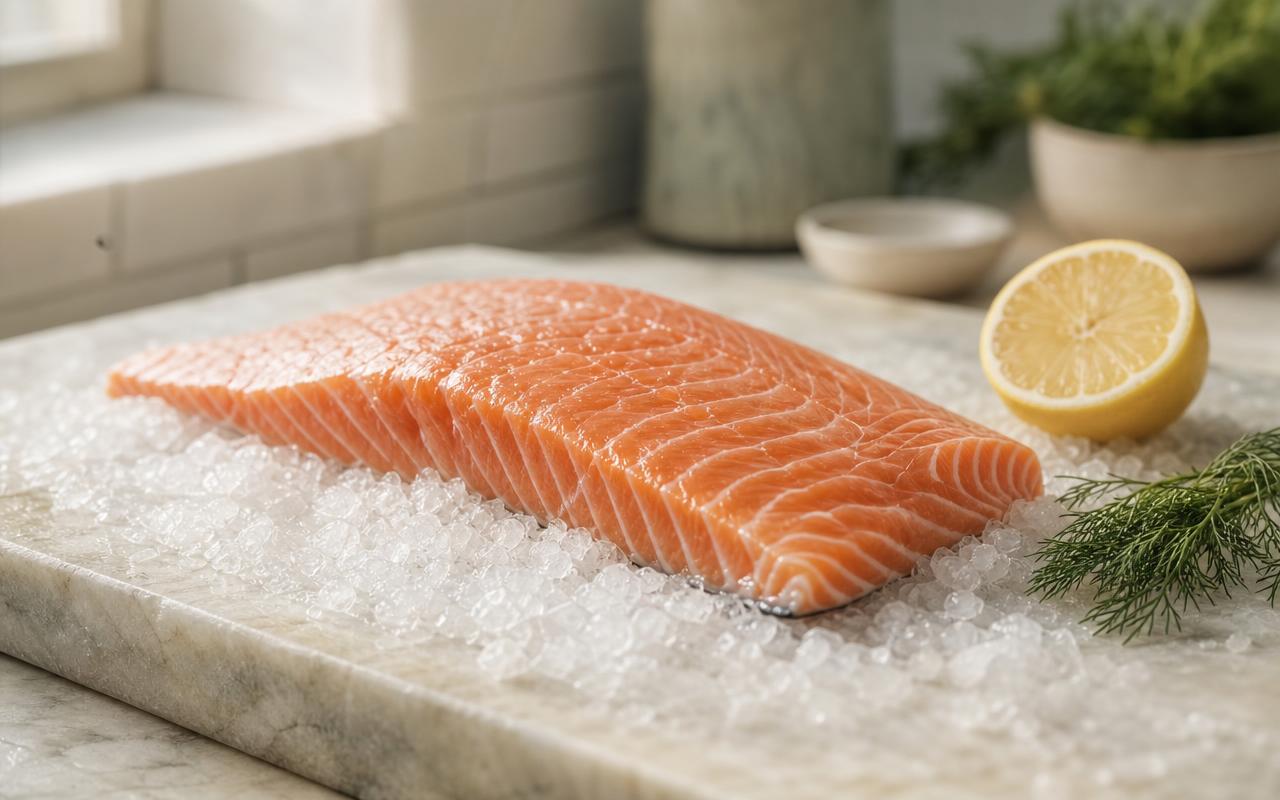
Fish and other seafood are key sources of high-quality protein and the polyunsaturated omega-3 fatty acids EPA and DHA. Regular fish intake is one of the most well-documented recommendations in Norwegian and international dietary guidance.
6 min read
Protein
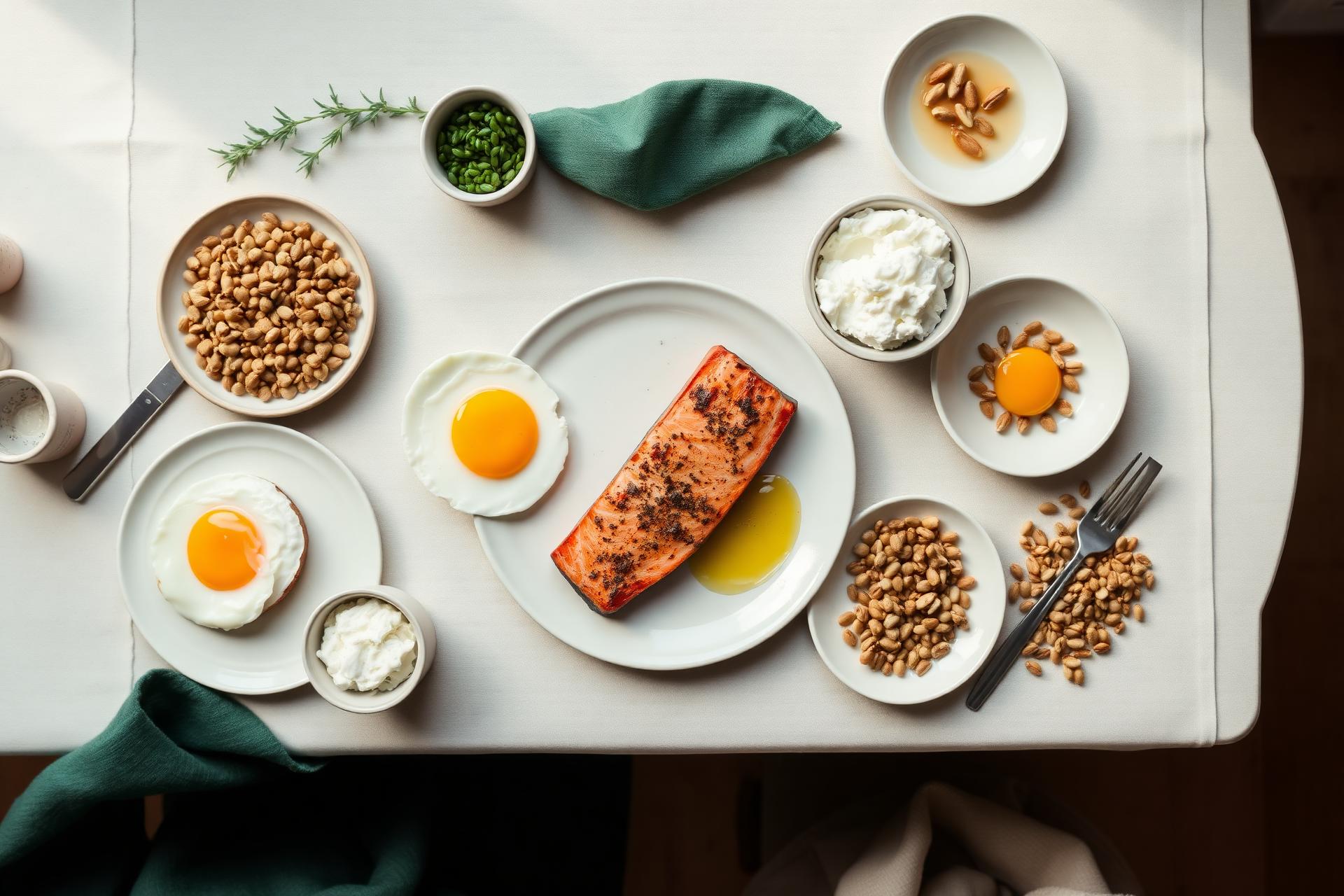
Protein is the building block of muscles, skin, enzymes and hormones, and one of the nutrients that gives the most satiety. Most people get enough protein through a varied diet, but needs can shift with age, activity level and life stage.
6 min read
Prevention
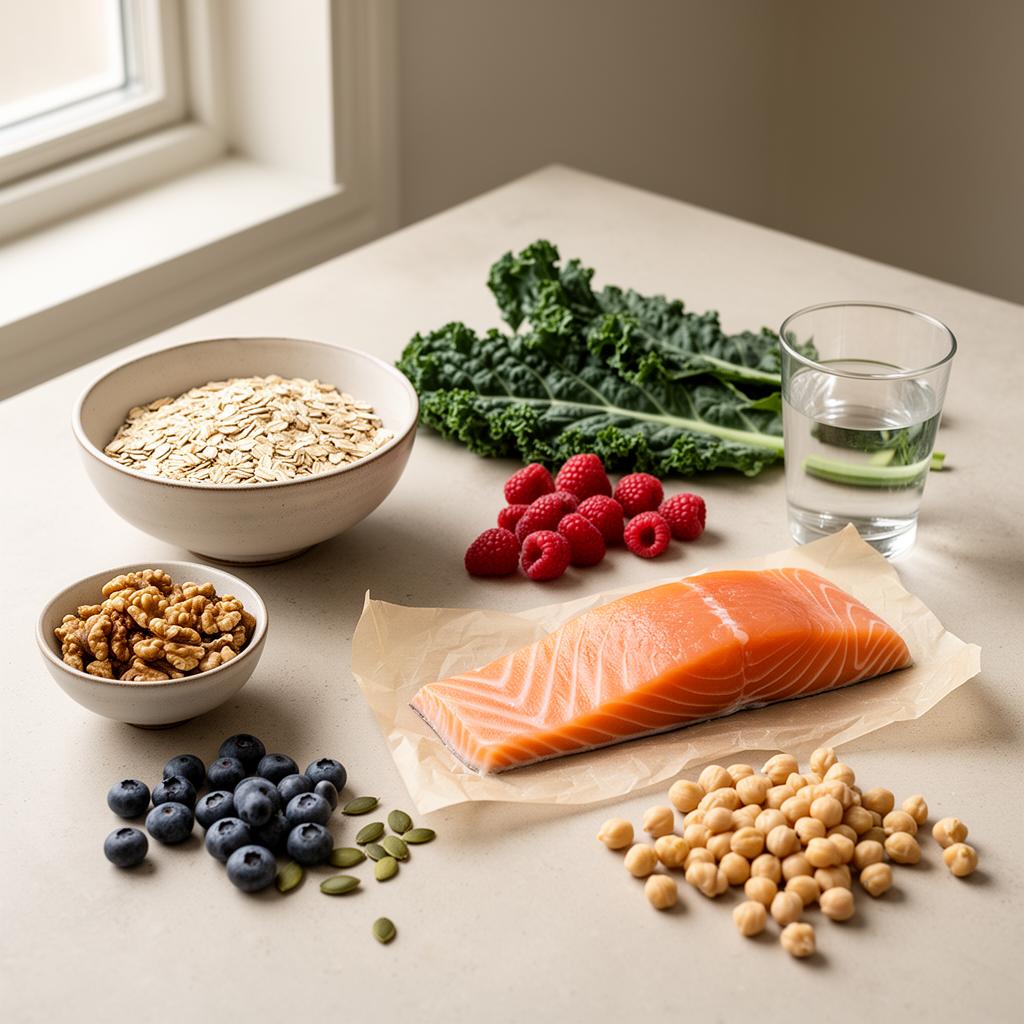
Much of what influences the risk of lifestyle-related disease later in life comes down to habits built over time. A healthy diet is one of the most well-documented forms of prevention we have.
7 min read
No two people are alike.
That is why we do not start with a diet – we start by getting to know you. SmartEating adapts advice and meals to your body, goals and daily life, so healthy choices become easier to live with over time.
