
Nutrition with intellectual disability
Food, routines and independence are closely linked. With the right adaptations, the diet can become both more nutritious and more empowering — for the person and for those who help.
In short
What is this about?
People with an intellectual disability have the same nutritional needs as everyone else, but the route there can differ. Sensitivity to taste and texture, a need for routine, medication and lower activity levels all affect what and how much is eaten.
Many also have several helpers around them. The plan therefore has to be concrete and consistent enough to be followed whoever is on shift.
Good adaptation gives better nutritional status, steadier weight and often calmer meals.
Glossary
- Sensory sensitivity
- Strong reactions to taste, smell, temperature or texture.
- Visual support
- Pictures or boards showing what is eaten and when.
Does this sound familiar?
This might sound like your situation
The challenges are often as much about frameworks, routines and cooperation as about the food itself.
- You are parents who want a plan that lasts
- The person lives in supported housing with several staff
- Weight has increased steadily over several years
- Meals outside the home become difficult
- You want more independence around food
SmartEating recommends
What makes the biggest difference?
What gives the most effect is usually about systems, not individual foods.
One shared plan
Written, simple and available to everyone involved — family, housing and day services.
Fixed meal rhythm
The same times every day reduce snacking and improve appetite at meals.
Expand carefully
New foods are introduced in small steps alongside familiar food, without pressure.
Secure the nutrients
With a very monotonous diet, iron, vitamin D, calcium and fibre deserve special attention.
Participation builds mastery
Shopping, setting the table or cooking together increases both appetite and independence.
Track weight regularly
Regular weighing catches changes before they become large.
When should a doctor be contacted?
- Rapid weight change in either direction
- Swallowing difficulties, repeated airway infections or coughing at meals
- Persistent constipation or abdominal pain
- Suspicion that medication is affecting appetite or weight
With complex needs, nutrition follow-up should take place alongside the doctor and other health services.
Common questions
What people ask us most often.
Can relatives and staff take part in the consultation?
Yes. It is often an advantage that those who shop and cook are present, so the plan becomes realistic and consistent.
What if the person only eats a few foods?
We first make sure nutritional needs are covered by what is actually eaten, then expand carefully in small steps.
How do we handle weight gain from medication?
We adjust energy intake without cutting nutrients, and look at activity and meal rhythm. Medication changes are assessed by a doctor.
Personal nutrition
No two people with nutrition with intellectual disability are the same
Some train a lot, some have several symptoms at once, some are pregnant, some have low values on blood tests and some have a busy family life.
That is why people in the same situation need different advice. SmartEating AI learns your situation over time and adapts suggestions to your body, goals and everyday life.
A clinical dietitian assesses whether the diet covers the need, and builds a plan practical enough for everyone around to follow.
We emphasise clear frameworks, gradual expansion of foods and solutions that give more independence where possible.
READ MORE
The knowledge behind the advice
Vitamins and minerals
Vitamins and minerals are micronutrients the body needs in small amounts, but they are essential for nearly all bodily functions. A varied diet with plenty of vegetables, fruit, whole grains and good protein sources usually covers the need without supplements.
Legumes
Legumes such as beans, lentils and chickpeas are among the most nutrient-dense and sustainable foods available. They combine plant-based protein with abundant fibre, and are a valuable food group whether you eat a lot of meat or very little.
Protein
Protein is the building block of muscles, skin, enzymes and hormones, and one of the nutrients that gives the most satiety. Most people get enough protein through a varied diet, but needs can shift with age, activity level and life stage.

Assessment
A digital form before the session so the specialist knows your situation.

Kick-off conversation
60 minutes online or at a partner clinic.
Personal plan
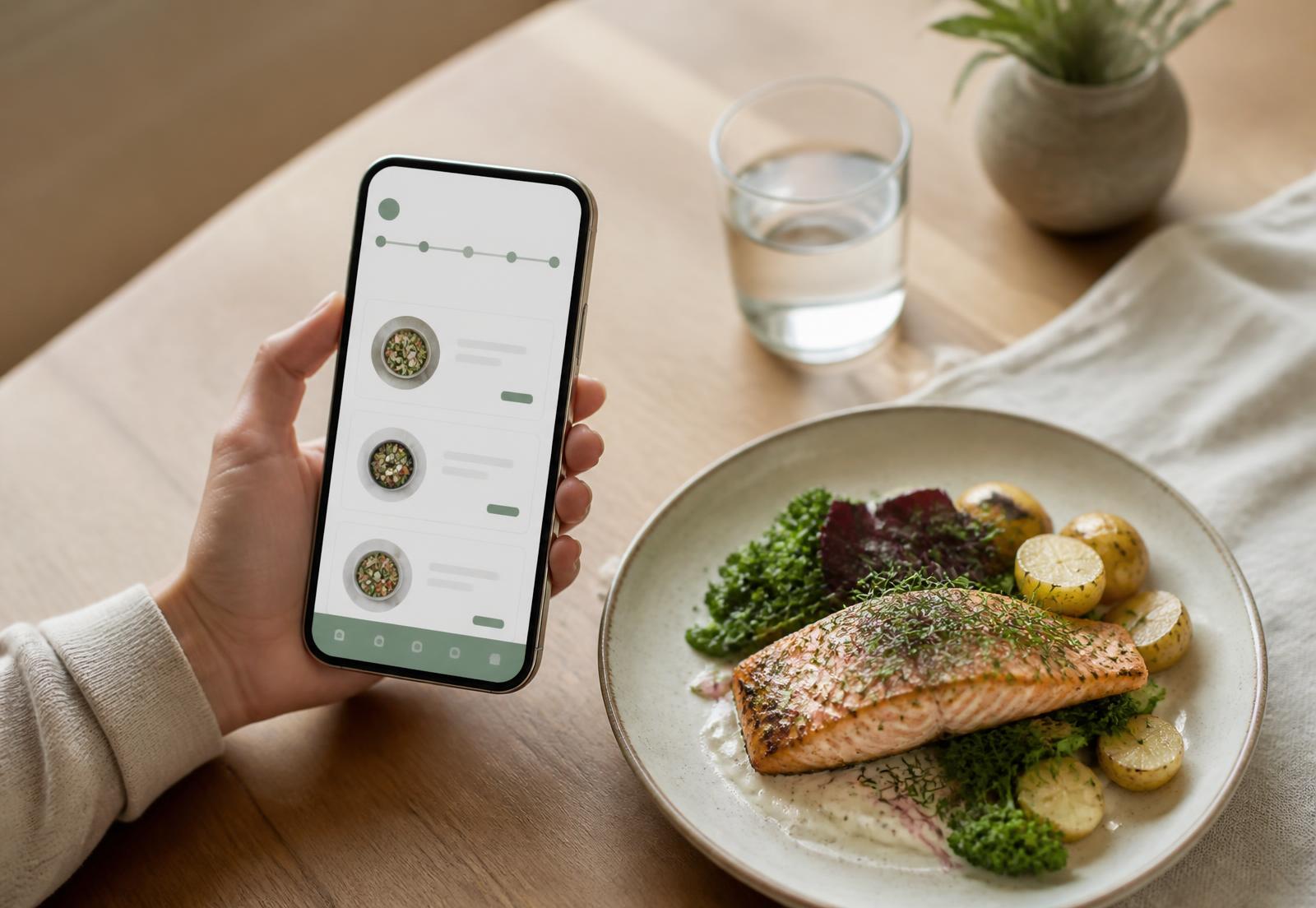
A concrete plan in SmartEating — food, structure and goals tailored to you.
Ready to get help with nutrition with intellectual disability?
We'll connect you with a licensed clinical dietitian who understands your situation.

Related topics