Type 2 diabetes
With targeted diet, activity and structure, many people can lower HbA1c significantly — sometimes combined with medication, sometimes without.
In short
What is type 2 diabetes?
Type 2 diabetes is a chronic condition where the body no longer regulates blood sugar well enough. It's often caused by a combination of insulin resistance and reduced insulin production.
Symptoms can include fatigue, increased thirst, frequent urination and recurring infections — but many people discover the condition through routine tests.
Diet, weight, activity and sleep are among the strongest tools we have — often combined with, sometimes without, medication.

Does this sound familiar?
This might sound like your situation
Many people have few clear symptoms and discover the condition through blood tests.
- You've just been diagnosed and want to act now
- HbA1c has crept up despite good intentions
- You're unsure how many carbohydrates you can eat
- Evenings are where the plan falls apart
- You want to reduce risk without living on restrictions
SmartEating recommends
What makes the biggest difference?
These are the areas that matter most for keeping HbA1c under control in type 2 diabetes.
Weight and body composition
Losing 5–10 percent of body weight often improves blood sugar substantially.
Carbohydrate quality
Whole grains, legumes and vegetables cause a slower, steadier rise than refined starch and sugar.
Meal rhythm
Regular meals reduce large swings and late-day overeating.
Physical activity
Muscle use increases insulin sensitivity, even without weight loss.
Sleep and stress
Poor sleep and high stress both raise insulin resistance.
When should you contact a doctor?
Type 2 diabetes should always be followed up by a doctor and diabetes team.
- For a new diagnosis
- When changing medications
- For low readings (hypoglycaemia) if you use insulin or sulfonylurea
- For routine checks (HbA1c, blood pressure, kidneys, eyes, feet)
- If you're worried about complications
A clinical dietitian can help with diet and lifestyle, but does not replace medical treatment.
Common questions
What people ask us most often.
Can diabetes be reversed?
Type 2 can go into remission for many people — especially with weight loss early in the course.
Do I have to cut out all sugar?
No. We work with the overall picture, not single foods alone.
Personal nutrition
No one with type 2 diabetes is exactly the same
Age, everyday life, activity level, other diagnoses and what you actually like to eat determine what works for you.
That's why people with the same starting point need different advice. SmartEating AI learns your situation over time and tailors suggestions to your body, goals and daily life.
- You've just been diagnosed and want to act now
- HbA1c has crept up despite good intentions
- You're unsure how many carbohydrates you can eat
- Evenings are where the plan falls apart
- You want to reduce risk without living on restrictions
The goal is better numbers, fewer swings and more everyday energy — without a "diabetes diet" no one can stick to.
SmartEating provides structure for meals, carbohydrate distribution and a log connected to activity and readings.
A clinical dietitian can build a concrete plan based on HbA1c, medications and your everyday life, and work with your diabetes team.
READ MORE
The knowledge behind the advice
Carbohydrates
Carbohydrates are the body's main energy source and are found in everything from fruit and vegetables to bread, pasta and sugar. The quality of the carbohydrate source matters far more for health than the amount alone.
Is sugar dangerous?
Sugar in moderate amounts is not dangerous for most healthy people, but a high and sustained intake of added sugar is linked to increased risk of overweight, tooth decay and metabolic disease. What matters most is the total amount over time, not sugar in individual meals.
Fibre
Fibre comes from plants and plays a key role in digestion, blood sugar regulation and a healthy gut microbiome. Most people in Norway eat less fibre than recommended, and it is often one of the easiest places to start when improving your diet.
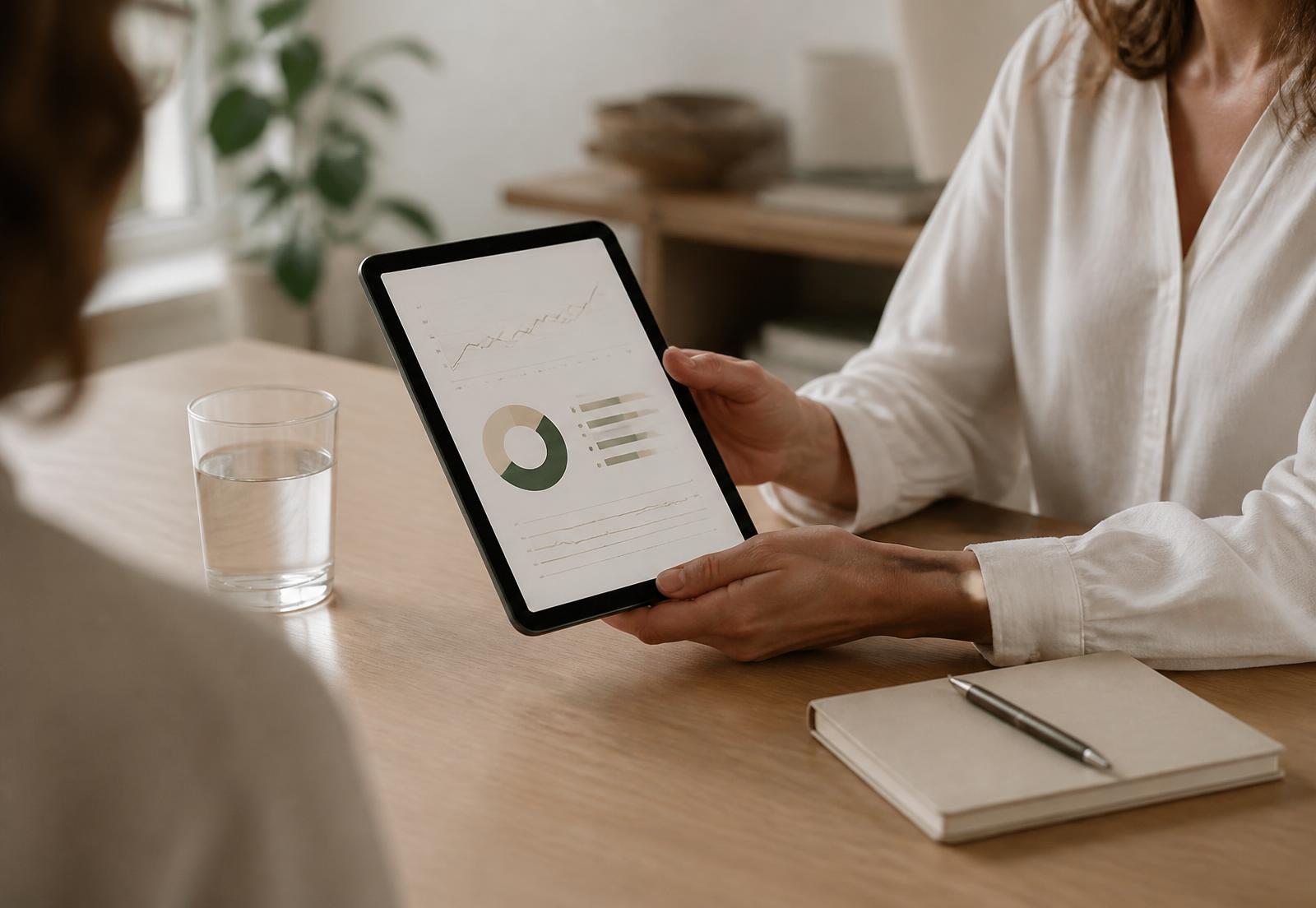
Assessment
A digital form before the session so the specialist knows your situation.

Kick-off conversation
60 minutes online or at a partner clinic.
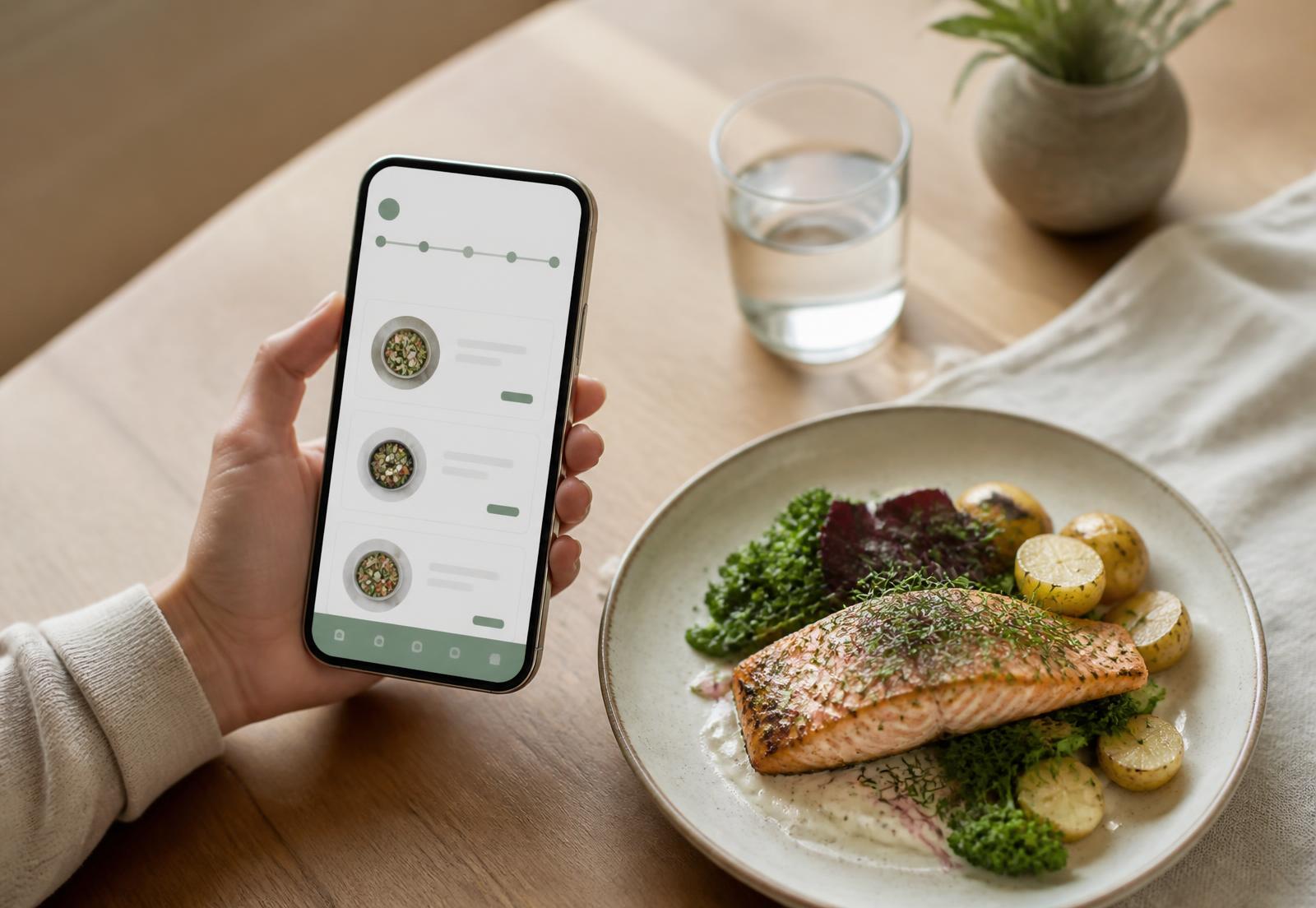
Personal plan
A concrete plan in SmartEating — food, structure and goals tailored to you.
Ready to get help with type 2 diabetes?
We'll connect you with a licensed clinical dietitian who understands your situation.

Related topics