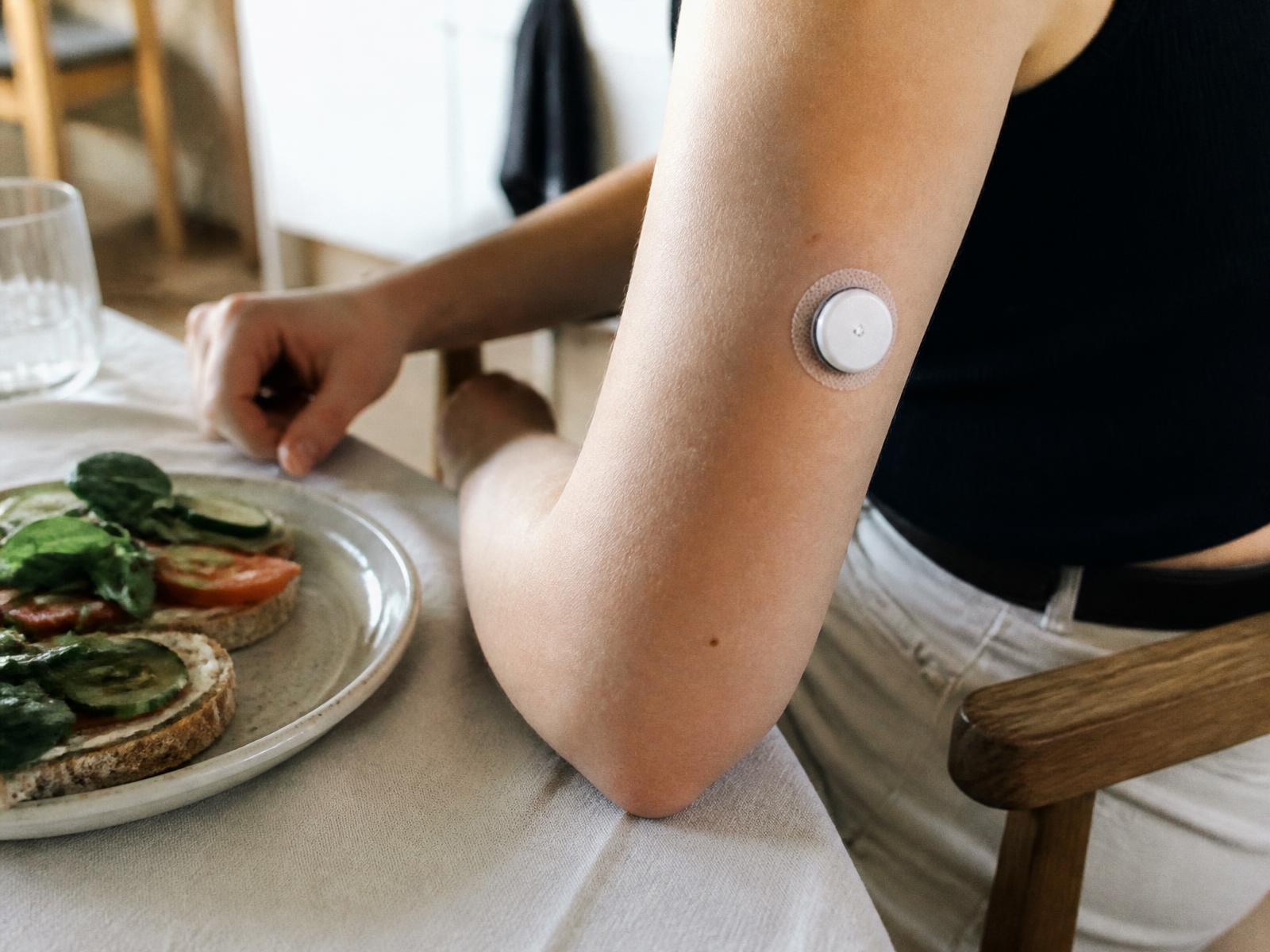
Type 1 diabetes
We work on carbohydrate estimation, meal structure and activity planning — so blood sugar becomes more predictable.
In short
What is type 1 diabetes?
Type 1 diabetes is an autoimmune disease where the pancreas no longer produces insulin.
Treatment is lifelong insulin — and good nutrition knowledge gives steadier blood sugar and less worry.
The goal isn't perfect readings, but a safe everyday life with good variety in food.

Does this sound familiar?
This might sound like your situation
With type 1 diabetes, blood sugar swings, carbohydrate estimation and physical activity are daily challenges.
- You don't quite hit the right insulin dose for meals
- Blood sugar swings more around exercise
- You're unsure about carbohydrate estimation in practice
- Nighttime lows or morning rises worry you
- You want more predictable days without counting everything
SmartEating recommends
What makes the biggest difference?
For type 1 diabetes, these factors matter most for predictable blood sugar and dosing.
Accurate carbohydrate counting
The foundation for correct mealtime insulin doses.
Fat and protein in meals
Large, mixed meals raise blood sugar more slowly and for longer, and may need a split dose.
Timing around activity
Exercise can lower blood sugar for many hours afterwards, so timing and snacks matter.
Consistent meal patterns
Similar meals at similar times make dose adjustments easier to learn.
Stress, illness and hormones
These commonly increase insulin needs independent of food.
When should you talk to your diabetes team?
Nutrition never replaces the diabetes team — it strengthens it.
- For repeated hypos or high readings
- For pregnancy or planning
- When switching to a pump or CGM
- For changes in weight or activity level
- For coexisting coeliac disease or other autoimmune conditions
We work closely with your diabetes team — we never change dosages.
Common questions
What people ask us most often.
Do you also work with children?
Yes. See also Children and family.
Personal nutrition
No one with type 1 diabetes is exactly the same
Age, everyday life, activity level, other diagnoses and what you actually like to eat determine what works for you.
That's why people with the same starting point need different advice. SmartEating AI learns your situation over time and tailors suggestions to your body, goals and daily life.
- You don't quite hit the right insulin dose for meals
- Blood sugar swings more around exercise
- You're unsure about carbohydrate estimation in practice
- Nighttime lows or morning rises worry you
- You want more predictable days without counting everything
We help you estimate carbohydrates in meals you actually eat.
SmartEating gives you an overview, recipes and insights alongside CGM data.
A dietitian can fine-tune everyday life — especially around exercise, pregnancy and life changes.
READ MORE
The knowledge behind the advice
Carbohydrates
Carbohydrates are the body's main energy source and are found in everything from fruit and vegetables to bread, pasta and sugar. The quality of the carbohydrate source matters far more for health than the amount alone.
What does glycaemic index mean?
Glycaemic index (GI) is a measure of how quickly a food raises blood sugar compared with pure glucose. Foods with a low GI produce a steadier rise in blood sugar, while foods with a high GI cause a faster, sharper rise.
Protein
Protein is the building block of muscles, skin, enzymes and hormones, and one of the nutrients that gives the most satiety. Most people get enough protein through a varied diet, but needs can shift with age, activity level and life stage.

Assessment
A digital form before the session so the specialist knows your situation.

Kick-off conversation
60 minutes online or at a partner clinic.
Personal plan
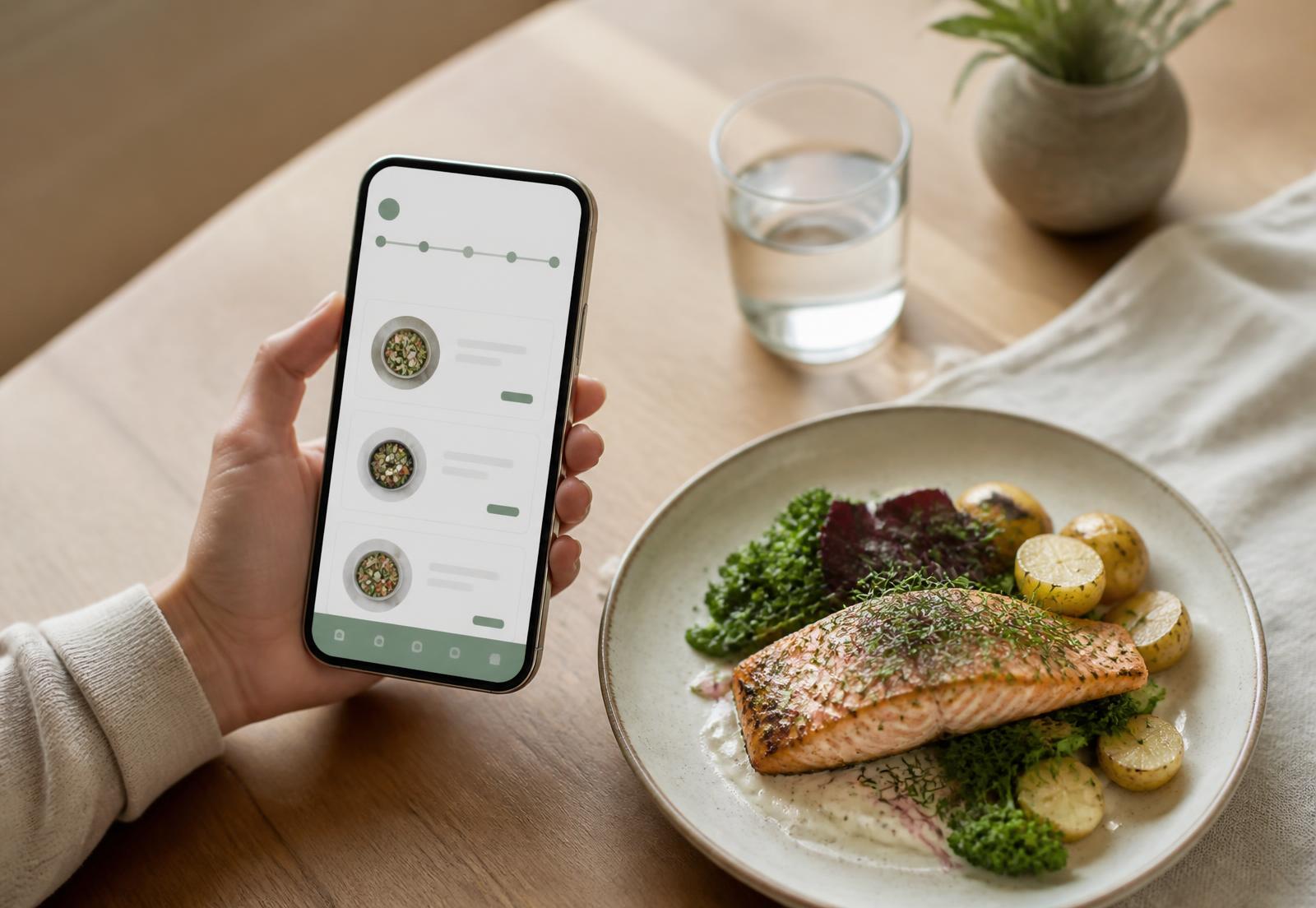
A concrete plan in SmartEating — food, structure and goals tailored to you.
Ready to get help with type 1 diabetes?
We'll connect you with a licensed clinical dietitian who understands your situation.

Related topics