PCOS
With an insulin-sensitive diet, the right amount of protein and good meal structure, many people with PCOS can experience noticeable improvement — in weight, skin and cycle.
In short
What is PCOS?
PCOS (polycystic ovary syndrome) is a hormonal and metabolic condition affecting many women of reproductive age.
The condition is characterised by a combination of irregular ovulation, elevated levels of male hormones and often insulin resistance.
Treatment is always individual and is as much about the whole picture — weight, cycle, skin, mood and fertility — as about individual values.

Does this sound familiar?
This might sound like your situation
PCOS is a complex condition and presents differently from person to person.
- Your period is irregular or absent
- You've been told to lose weight, but without a plan
- Blood sugar fluctuates and you get hungry shortly after eating
- You experience skin changes or unwanted hair growth
- You're planning pregnancy and want to prepare your body
SmartEating recommends
What makes the biggest difference?
PCOS responds well to a few consistent habits rather than strict rules.
Insulin sensitivity
Balanced meals with fibre and protein help keep insulin and blood sugar steadier.
Regular meal rhythm
Eating at consistent times reduces cravings and supports hormone balance.
Carbohydrate quality
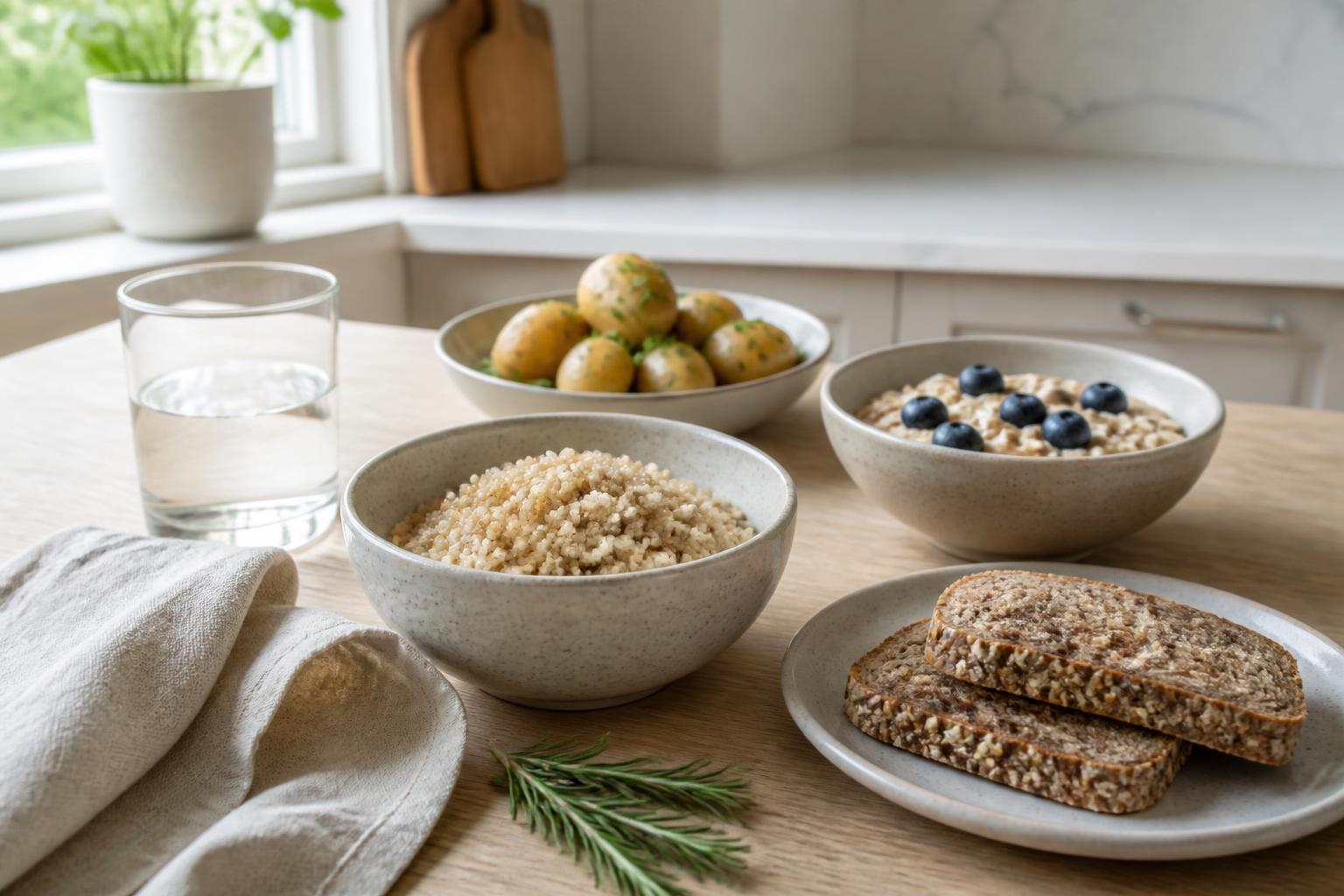
Wholegrains, legumes and fruit are gentler on blood sugar than refined carbs.
Movement and strength
Regular activity, including strength training, improves insulin sensitivity over time.
Sleep and stress
Poor sleep and high stress can worsen both cycle and skin symptoms.
When should you contact a doctor?
PCOS always requires medical assessment and follow-up.
- Suspected PCOS or irregular periods
- Difficulty getting pregnant
- Signs of insulin resistance or high blood sugar
- Pronounced skin issues or hair growth
- Symptoms of depression or low mood
A clinical dietitian can help with diet and lifestyle, but doesn't replace gynaecological or medical follow-up.
Common questions
What people ask us most often.
Is low carb necessary?
Not necessarily. We work with quality and distribution — not just carbohydrate amount.
Can diet restore my cycle?
Often, yes — especially with concurrent weight loss and better insulin sensitivity.
Personal nutrition
No one with PCOS is exactly the same
Age, everyday life, activity level, other conditions and what you actually enjoy eating determine what works for you.
That's why two people in the same situation need different advice. SmartEating AI learns your situation over time and tailors suggestions to your body, goals and everyday life.
- Your period is irregular or absent
- You've been told to lose weight, but without a plan
- Blood sugar fluctuates and you get hungry shortly after eating
- You experience skin changes or unwanted hair growth
- You're planning pregnancy and want to prepare your body
The goal isn't a "PCOS diet", but a diet that fits your body, your goals and your everyday life.
SmartEating helps you structure meals, with recipes that support stable blood sugar and good energy.
A clinical dietitian can prioritise weight, cycle or fertility and collaborate with a gynaecologist or endocrinologist.
READ MORE
The knowledge behind the advice
Iodine
Iodine is a mineral the body needs to make thyroid hormones, which govern metabolism and are essential for brain development in the foetus and young children. In Norway, iodine is one of the nutrients where both too little and too much can cause problems — and where your diet matters a great deal.
Vitamins and minerals
Vitamins and minerals are micronutrients the body needs in small amounts, but they are essential for nearly all bodily functions. A varied diet with plenty of vegetables, fruit, whole grains and good protein sources usually covers the need without supplements.
Fish and Seafood
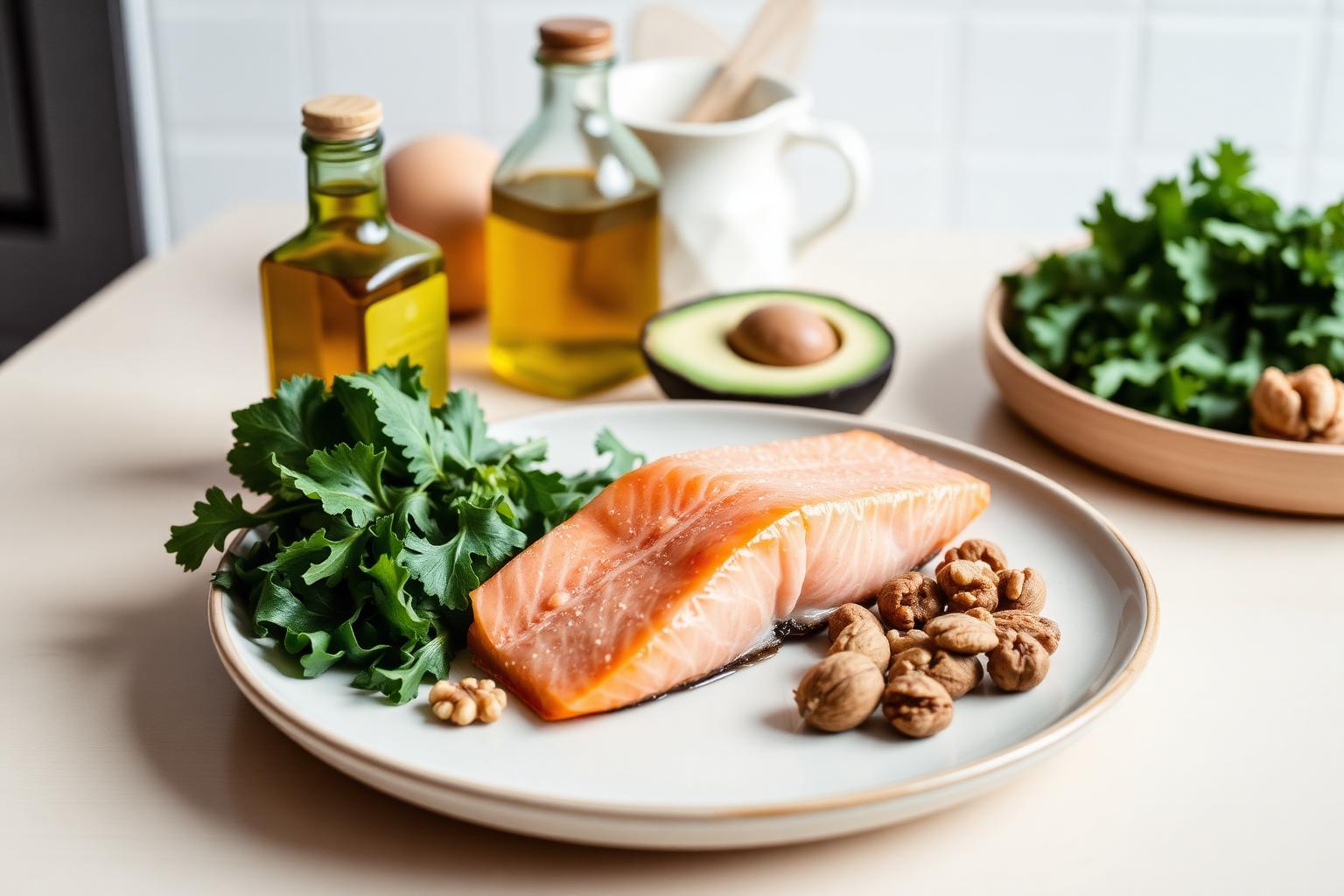
Fish and other seafood are key sources of high-quality protein and the polyunsaturated omega-3 fatty acids EPA and DHA. Regular fish intake is one of the most well-documented recommendations in Norwegian and international dietary guidance.
Assessment
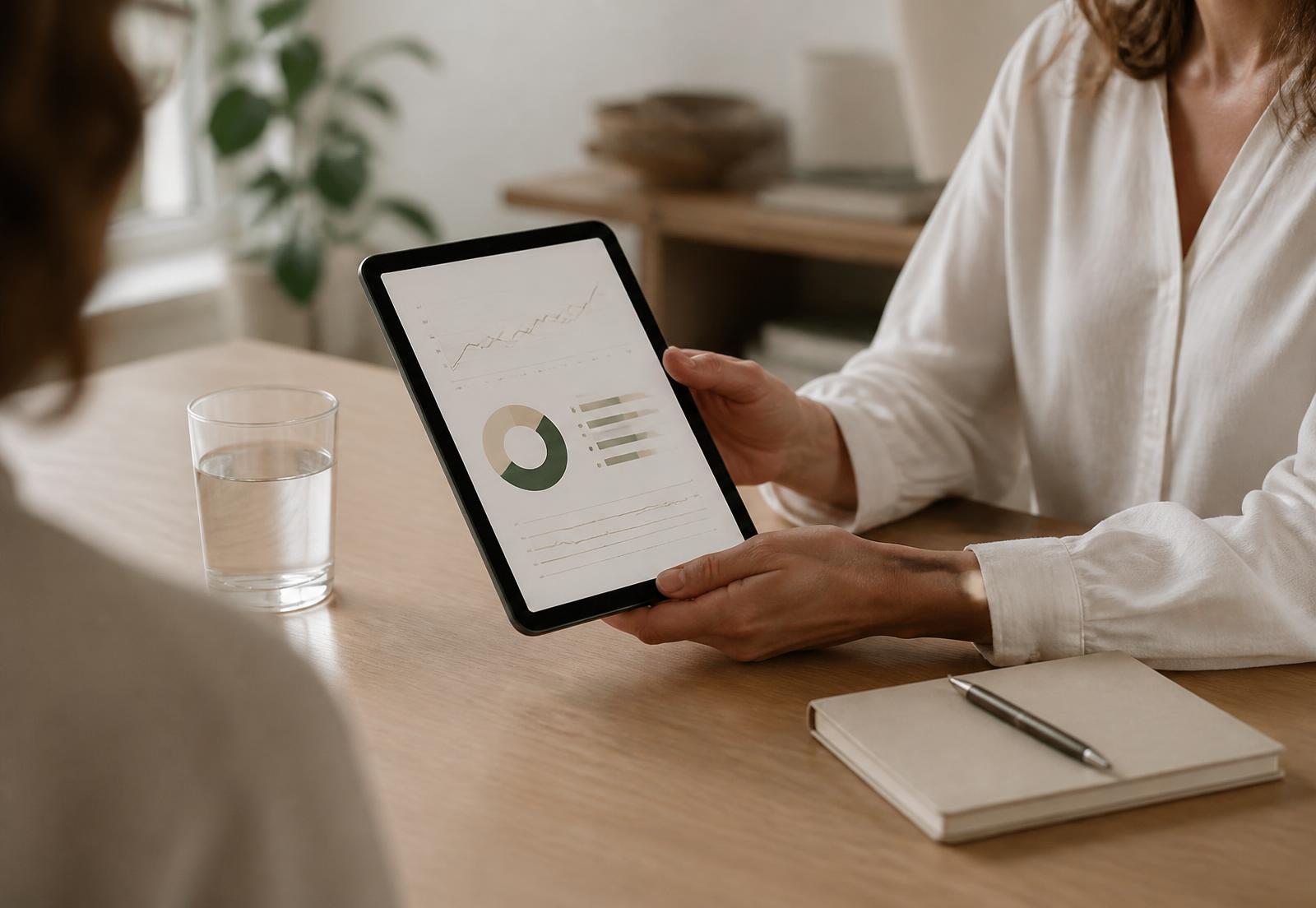
A digital form before the session so the specialist knows your situation.

Kick-off conversation
60 minutes online or at a partner clinic.
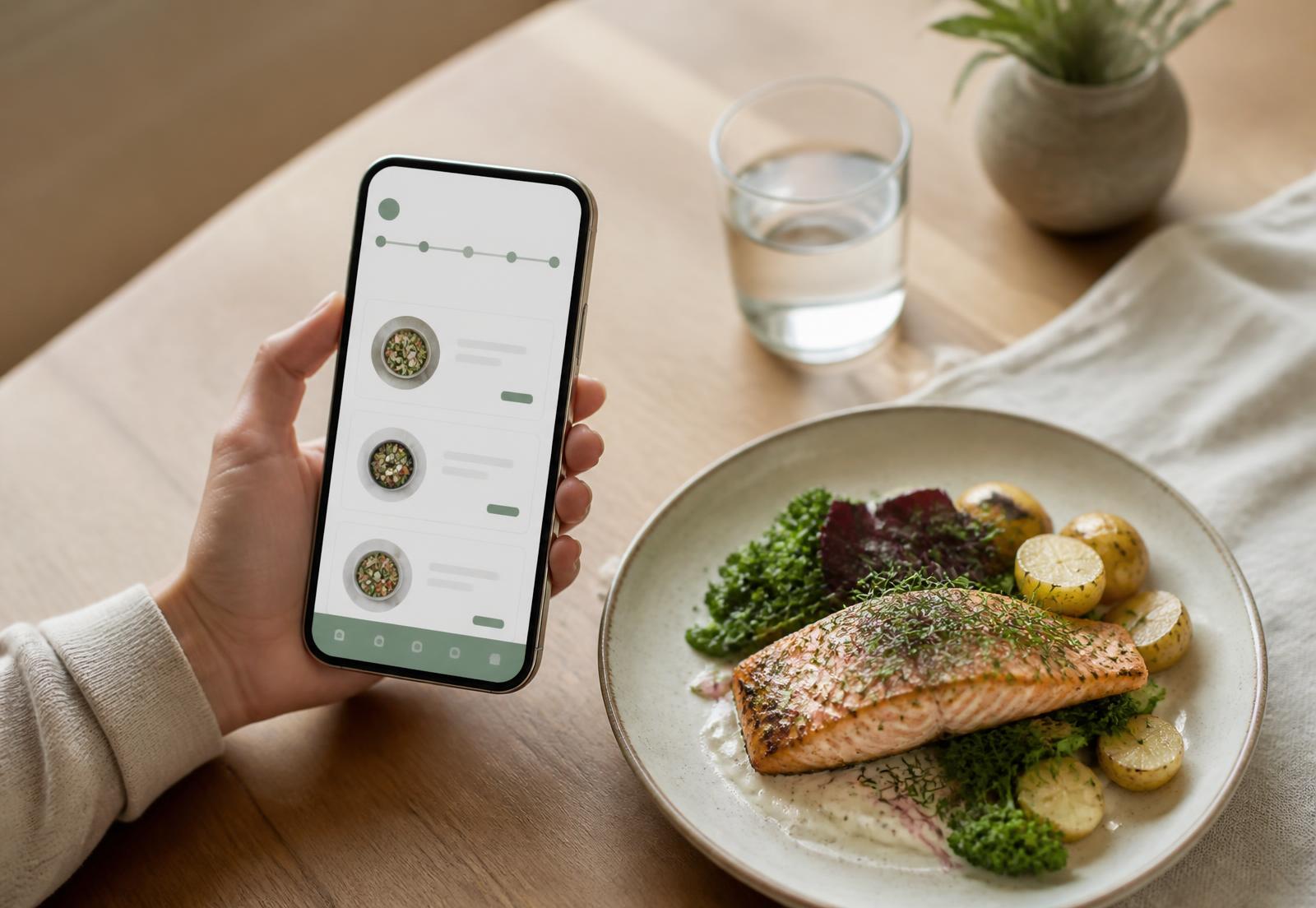
Personal plan
A concrete plan in SmartEating — food, structure and goals tailored to you.
Ready to get help with PCOS?
We'll connect you with a licensed clinical dietitian who understands your situation.

Related topics