Lower your cholesterol with diet
The right dietary changes can lower LDL cholesterol by 10–15% — often in combination with treatment from your doctor.
In short
What is high cholesterol?
Cholesterol is a fatty substance the body uses to build cell membranes and hormones. We need it — but elevated levels over time increase the risk of cardiovascular disease.
A blood test measures total cholesterol, LDL ("the harmful one"), HDL ("the beneficial one") and triglycerides. LDL is the most important single measure of risk.
Heredity, diet, activity, weight and lifestyle all influence the levels. For many, targeted changes can make a clear difference — often combined with treatment from a doctor.

Does this sound familiar?
This might sound like your situation
High cholesterol usually causes no symptoms, but is picked up through blood tests.
- Your blood tests showed elevated levels, and you want to do something yourself
- Your doctor has recommended dietary changes, but without specific detail
- There's heart disease in your close family
- You're unsure which fat sources you should actually choose
- You want to avoid or complement medication with real dietary changes
SmartEating recommends
What makes the biggest difference?
These dietary factors have the strongest documented effect on LDL cholesterol.
Saturated fat
Replacing butter and fatty meat with unsaturated fat is the single most effective dietary change for LDL.
Soluble fibre
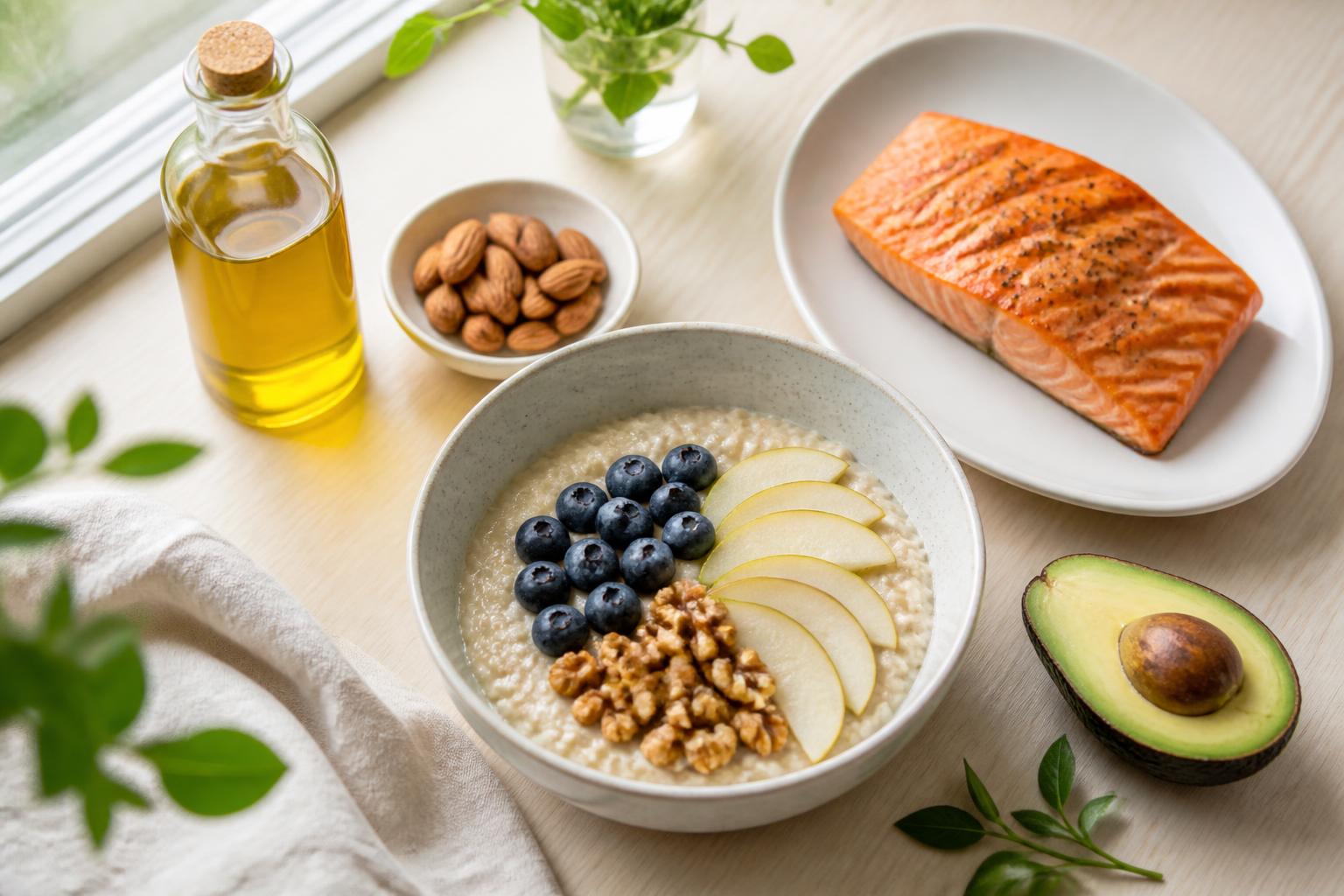
Oats, legumes and fruit bind cholesterol in the gut and lower LDL.
Unsaturated fats
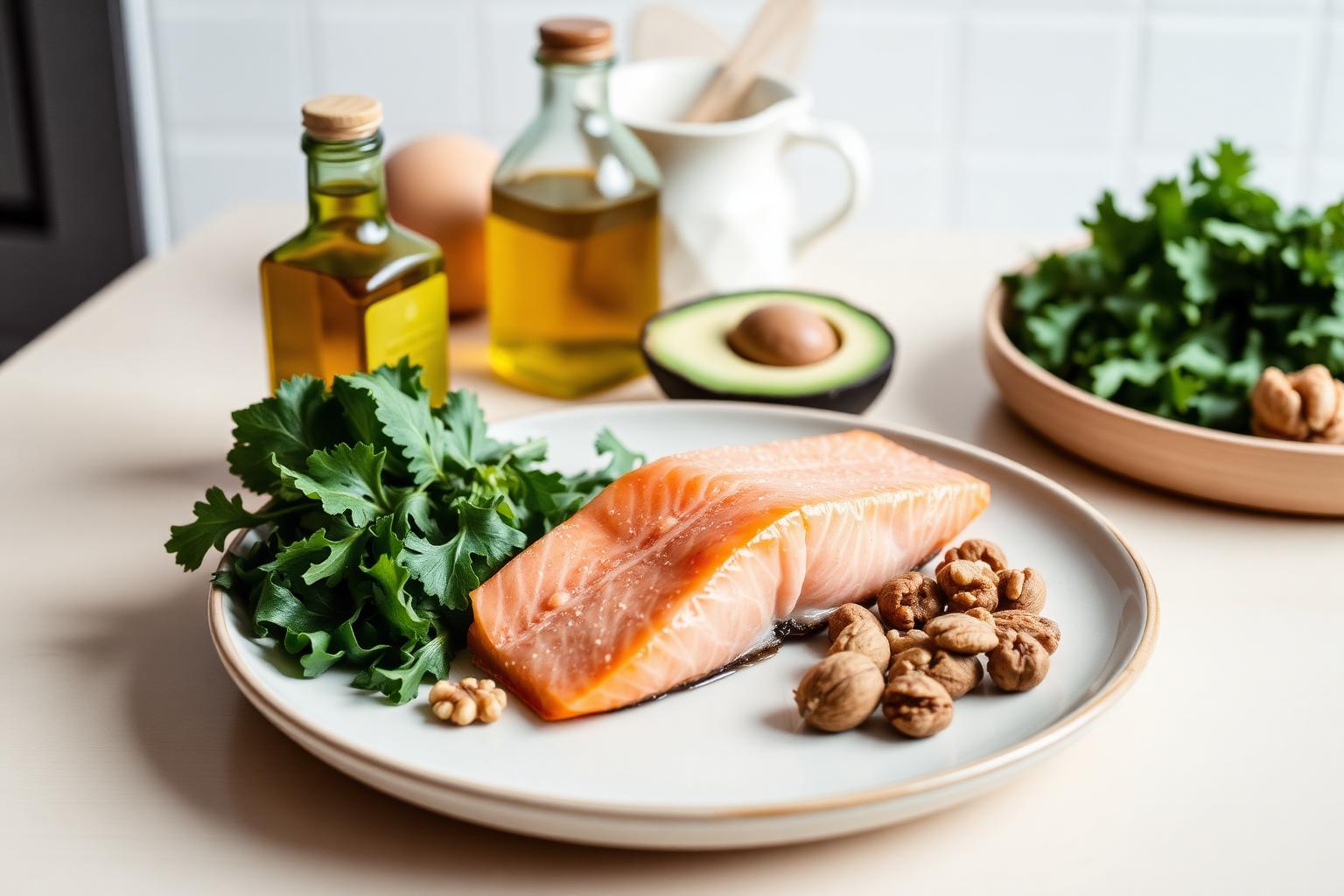
Oily fish, nuts and vegetable oils improve the overall fat composition of your diet.
Weight and activity
Excess weight and inactivity tend to raise LDL and triglycerides together.
Alcohol and added sugar
High intake mainly raises triglycerides rather than LDL.
When should you contact a doctor?
Treatment and follow-up of high cholesterol should always be assessed by a doctor.
- Previous cardiovascular disease
- Family history of heart attack at a young age
- Very high values on routine tests
- Diabetes or other metabolic conditions
- Assessment of the need for statins or other medications
A clinical dietitian can help with diet and follow-up, but doesn't replace medical treatment.
Common questions
What people ask us most often.
Can diet replace statins?
Sometimes. For others it's an important complement. Always discuss this with your doctor.
How much can LDL drop from diet alone?
Studies show 10–15% with a consistent combination of fibre, nuts, plant sterols and less saturated fat.
Personal nutrition
No one with lower your cholesterol with diet is exactly the same
Age, everyday life, activity level, other conditions and what you actually enjoy eating determine what works for you.
That's why two people in the same situation need different advice. SmartEating AI learns your situation over time and tailors suggestions to your body, goals and everyday life.
- Your blood tests showed elevated levels, and you want to do something yourself
- Your doctor has recommended dietary changes, but without specific detail
- There's heart disease in your close family
- You're unsure which fat sources you should actually choose
- You want to avoid or complement medication with real dietary changes
The goal is to reduce the risk of cardiovascular disease over time — not short-term numbers alone. Studies show that the right dietary changes can lower LDL by around 10–15%.
We work on the whole picture: more fibre, more unsaturated fat, less saturated fat, a healthy weight and activity. The changes should be liveable for many years.
SmartEating provides structure and recipes for everyday life. A clinical dietitian can build a concrete plan based on your blood tests and collaborate with your GP.
READ MORE
The knowledge behind the advice
Fat
Fat is a concentrated energy source and necessary for absorbing fat-soluble vitamins, cell membranes and hormone production. Not all fat is equal, and the type of fat you eat matters more for health than the total amount.
Fish and Seafood
Fish and other seafood are key sources of high-quality protein and the polyunsaturated omega-3 fatty acids EPA and DHA. Regular fish intake is one of the most well-documented recommendations in Norwegian and international dietary guidance.
Nuts
Nuts are energy-dense yet highly nutritious, providing a good combination of healthy fats, protein, fibre and minerals. Despite their high fat content, nuts are associated with favourable health effects when eaten as part of a varied diet.

Assessment
A digital form before the session so the specialist knows your situation.

Kick-off conversation
60 minutes online or at a partner clinic.
Personal plan
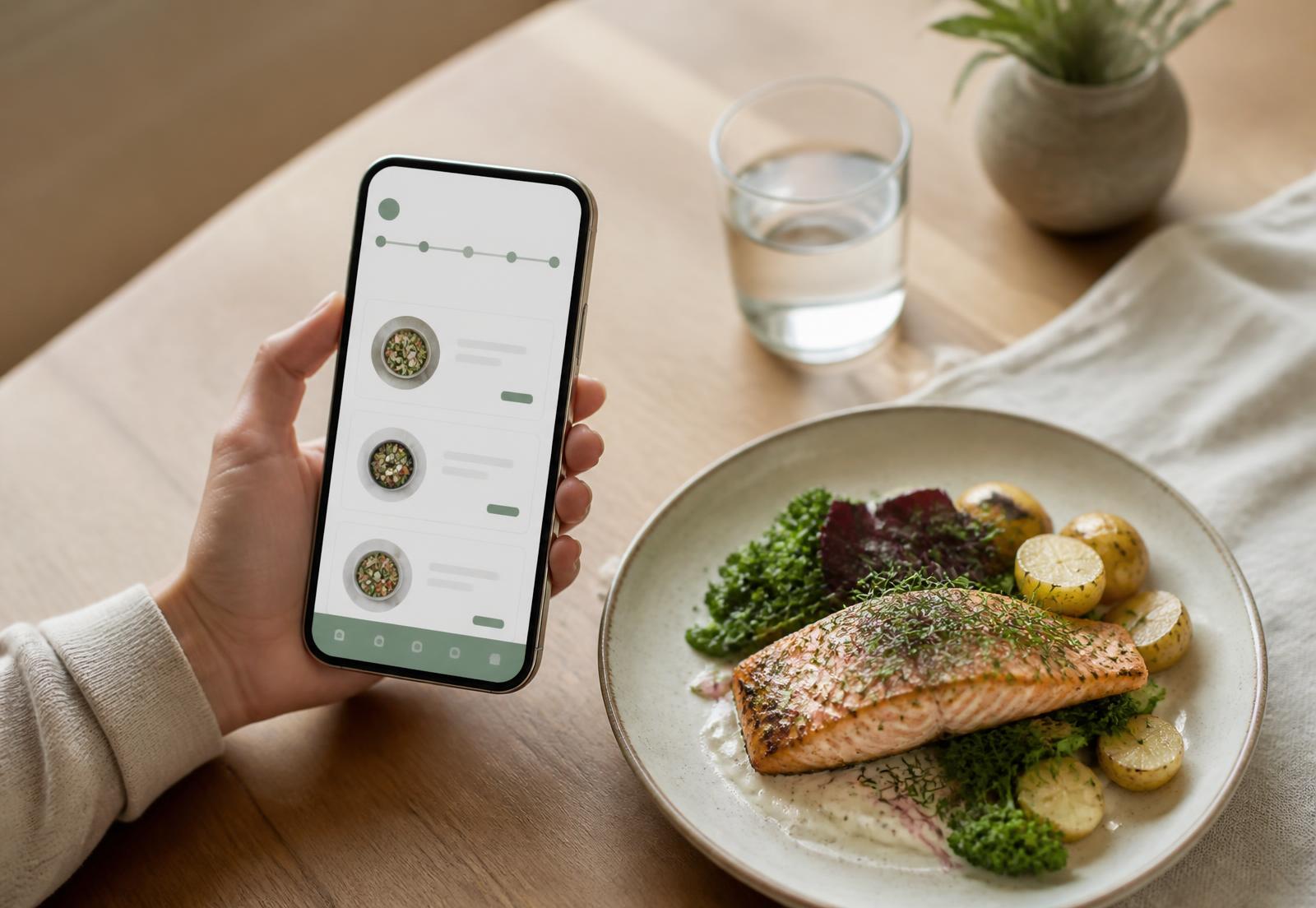
A concrete plan in SmartEating — food, structure and goals tailored to you.
Ready to get help with lower your cholesterol with diet?
We'll connect you with a licensed clinical dietitian who understands your situation.

Related topics