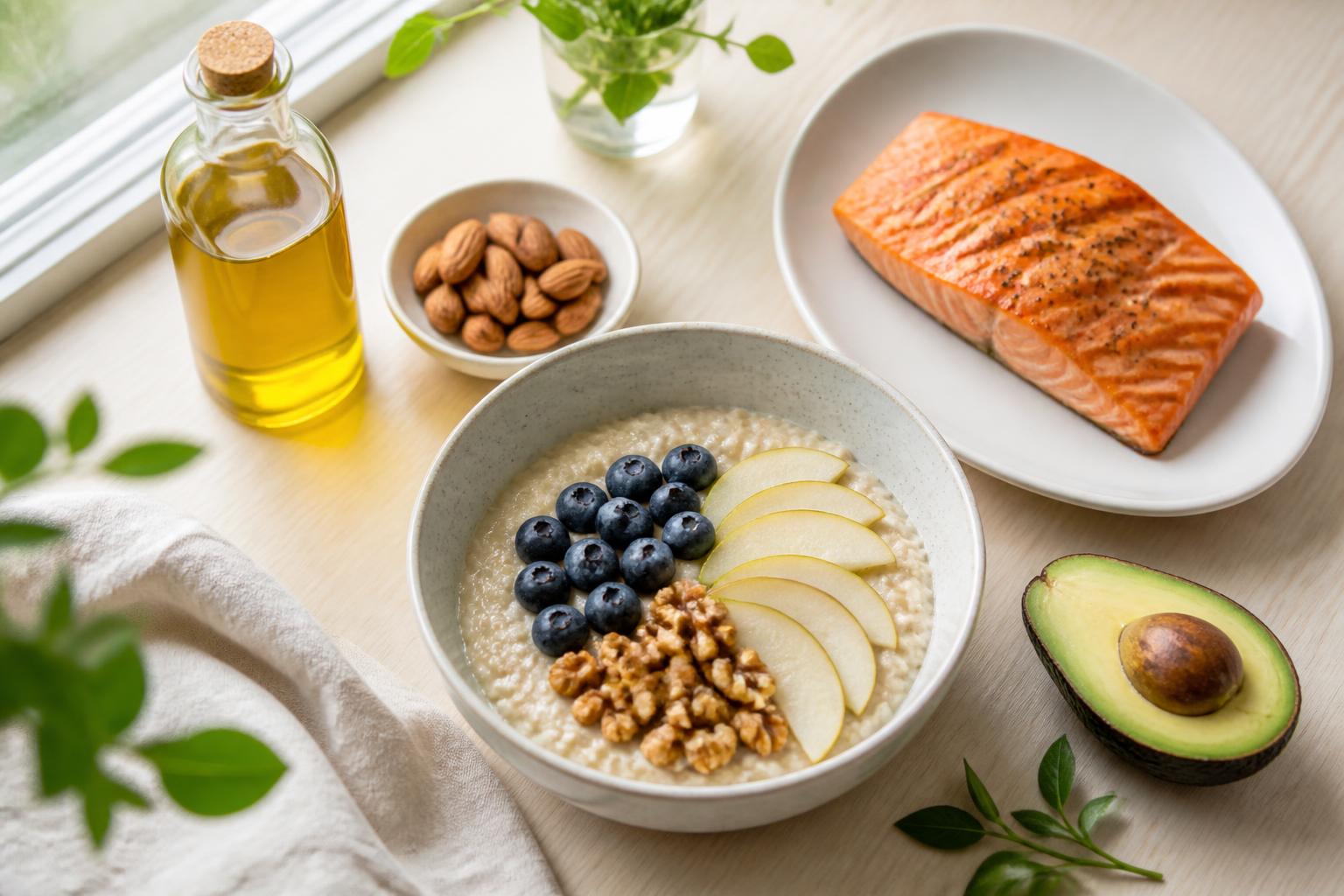
Fatty liver (MASLD)
Fatty liver is common and often reversible with diet and lifestyle. We help you with concrete steps that actually work.
In short
What is fatty liver?
Fatty liver (MASLD, formerly called non-alcoholic fatty liver) means too much fat is stored in liver cells. Most people have no symptoms, but over time it can develop into inflammation and scarring.
The most common cause is overweight, insulin resistance and a diet high in sugar and processed food. Good news: the condition is often reversible with lifestyle changes.
Glossary
- MASLD
- Metabolic dysfunction-associated steatotic liver disease — the new name for non-alcoholic fatty liver.
- Insulin resistance
- When the body responds poorly to insulin — often linked to fatty liver.
Does this sound familiar?
This might sound like your situation
If one or more of these sound familiar, personal follow-up can make the path forward clearer.
- Your doctor has found elevated liver values
- You've been told you have fatty liver and want to act
- You're unsure what you can eat
- You want to lose weight safely
- You want to understand the connection to blood sugar
SmartEating recommends
What makes the biggest difference?
These are the factors that matter most for reversing fatty liver.
Moderate weight loss
Losing 7 to 10% of body weight is the single most effective measure against fatty liver.
Less sugar and soda
Liquid sugar is converted directly to fat in the liver and should be the first thing to cut.
Whole grains and fibre
Slow carbohydrates improve insulin sensitivity, which reduces fat storage in the liver.
Regular physical activity
Exercise helps the liver burn fat, even without major weight loss.
Limiting alcohol
Alcohol adds an extra burden on a liver already storing excess fat.
When should you be followed up?
Fatty liver should be monitored by a doctor if:
- You have elevated liver values over time
- You have other risk factors (diabetes, overweight)
- You're unsure of the extent
Ultrasound and blood tests are used to assess the condition.
Common questions
What people ask us most often.
Can fatty liver disappear?
Yes, for many the condition is fully reversible with weight loss and dietary changes.
What should I avoid?
Sugary drinks, heavily processed food and alcohol burden the liver most.
Why is sugar harmful to the liver?
Fructose is converted to fat in the liver at high intake — especially from soda and juice.
Does weight loss help?
Yes, 7–10% weight reduction can normalise liver values in many people.
Is fatty liver dangerous?
For most it's harmless, but some develop inflammation (MASH) which can cause scarring. Follow-up is important.
What's the connection to diabetes?
Fatty liver and insulin resistance are closely linked — many have both.
Personal nutrition
No one with fatty liver (MASLD) is exactly the same
Fatty liver is closely linked to insulin resistance and weight. Your plan must fit your body and your everyday life.
SmartEating AI helps you with concrete meals and habits that support liver health.
- You want to lose weight safely and permanently
- You want to reduce sugar and processed food
- You want to improve insulin sensitivity
- You want to track progress
Fatty liver is often reversible with weight loss and dietary changes — 7–10% weight reduction can normalise liver values.
We help you with a realistic plan that fits your everyday life, not a strict diet.
Fatty liver is treated with lifestyle — weight loss, diet and activity. We build on NNR 2023 and documented research.
READ MORE
The knowledge behind the advice
Sugar
Sugar is a natural part of many foods, but a high intake of added sugar is associated with increased risk of several health problems. Understanding the difference between natural and added sugar makes it easier to make informed choices.
Carbohydrates
Carbohydrates are the body's main energy source and are found in everything from fruit and vegetables to bread, pasta and sugar. The quality of the carbohydrate source matters far more for health than the amount alone.
Fat
Fat is a concentrated energy source and necessary for absorbing fat-soluble vitamins, cell membranes and hormone production. Not all fat is equal, and the type of fat you eat matters more for health than the total amount.

Assessment
A digital form before the session so the specialist knows your situation.

Kick-off conversation
60 minutes online or at a partner clinic.
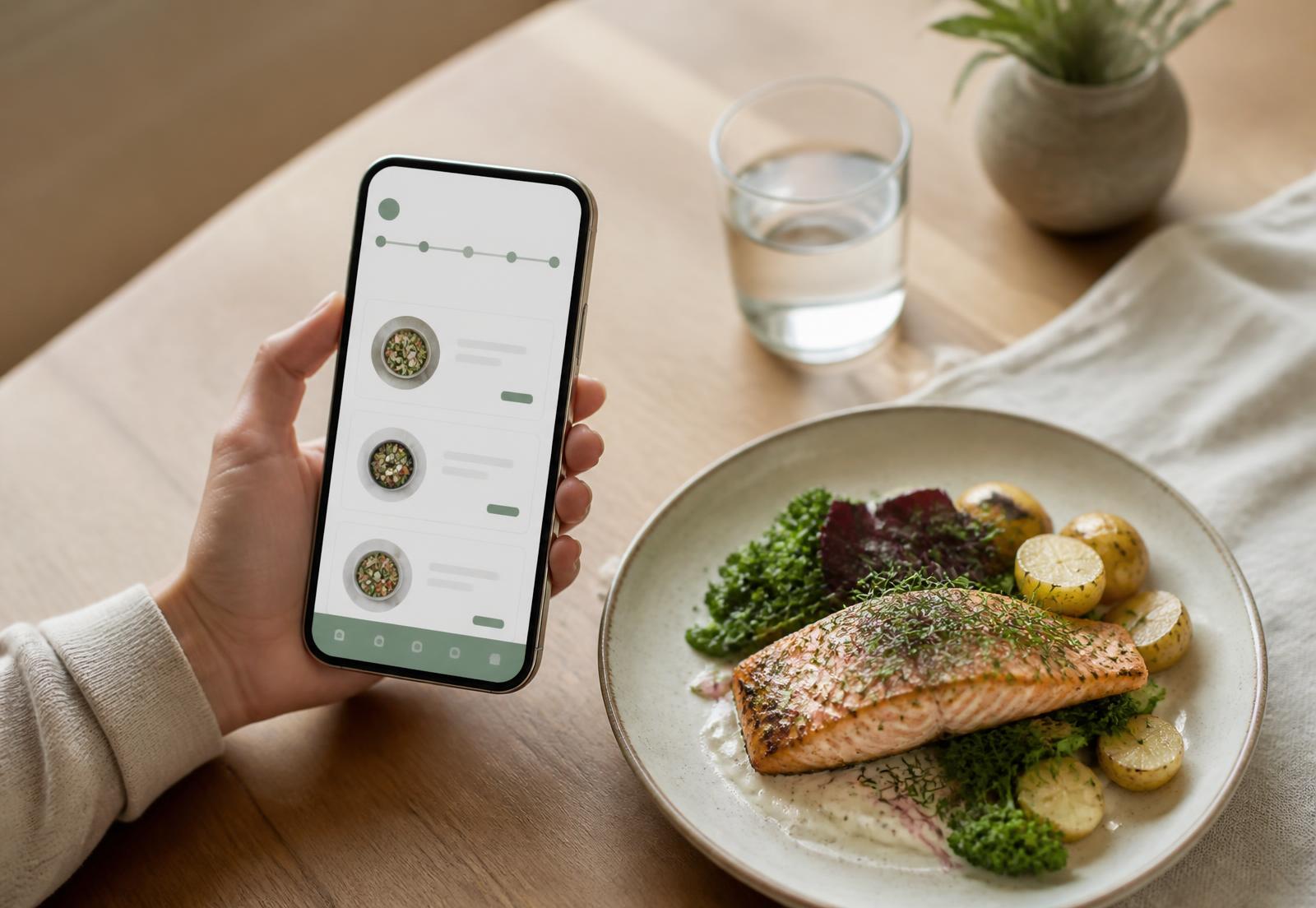
Personal plan
A concrete plan in SmartEating — food, structure and goals tailored to you.
Ready to get help with fatty liver (MASLD)?
We'll connect you with a licensed clinical dietitian who understands your situation.

Related topics