Fibre and digestion
Fibre supports bowel function and is part of a varied, health-supporting diet. The type, amount and pace of change matter, especially if your gut is sensitive.
In short
What is dietary fibre?
Dietary fibre includes plant carbohydrates that are not fully digested in the small intestine. Different fibres affect stool consistency, gut bacteria and digestion in different ways.
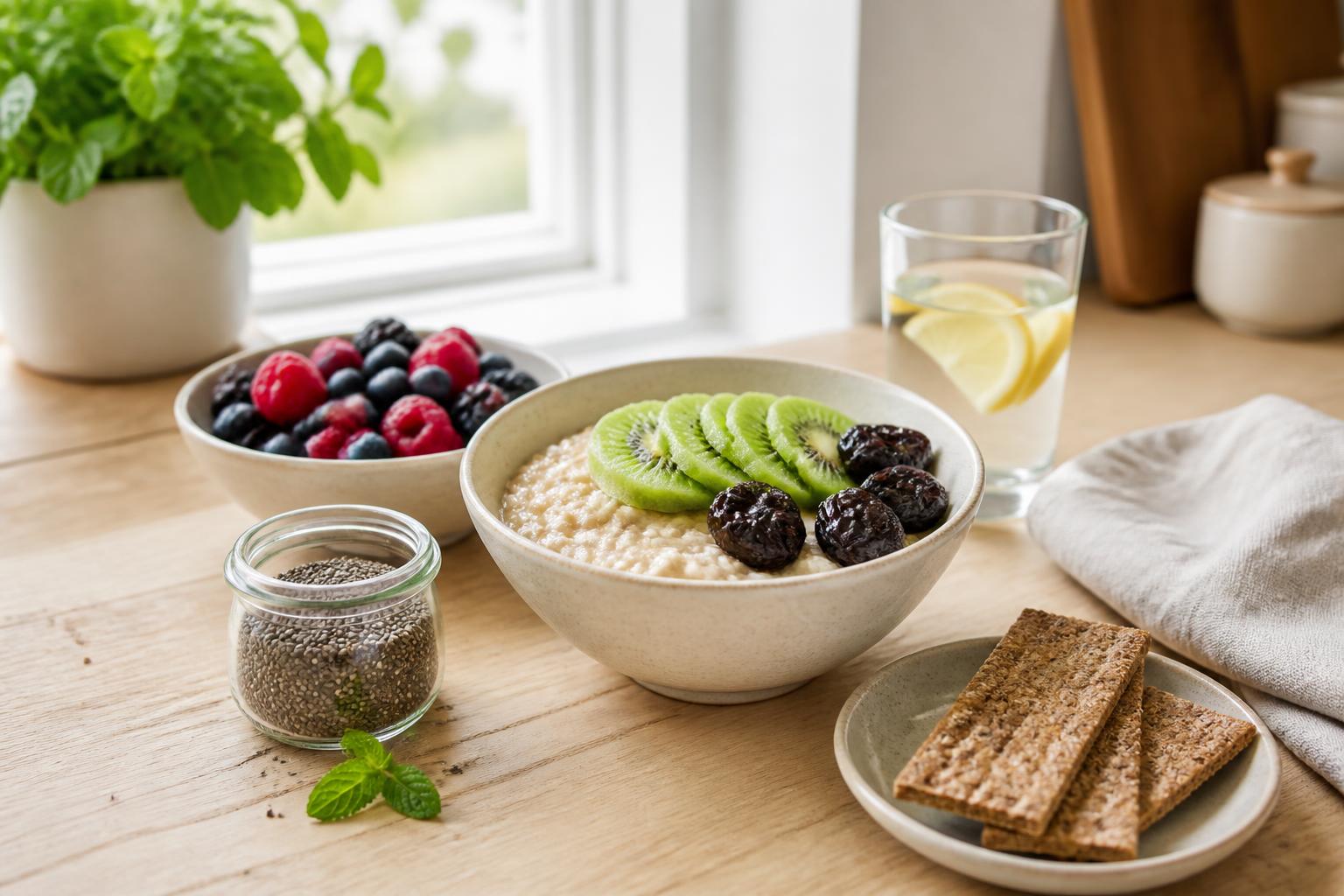
Wholegrains, legumes, vegetables, fruit, nuts and seeds contribute fibre. Population targets are useful guides, but someone with IBS or a medical condition may need a different approach.
Glossary
- Soluble fibre
- Fibre that dissolves in water; some forms create a gel and can help stool consistency.
- Insoluble fibre
- Fibre that adds bulk to stool; not every type suits every sensitive gut.
- Resistant starch
- Starch that escapes digestion in the small intestine and can be used by gut bacteria.

Does this sound familiar?
This might sound like your situation
If one or more of these sound familiar, personal follow-up can make the path forward clearer.
- You want more wholegrains and legumes in everyday meals
- You have been advised to increase fibre
- You get bloating when changing your diet
- You have IBS and are unsure which fibre to choose
SmartEating recommends
What makes the biggest difference?
Start with tolerable changes rather than the largest possible increase.
Increase gradually
Changing fibre intake quickly can increase gas and discomfort. Introduce changes gradually and drink enough fluid.
Choose suitable sources
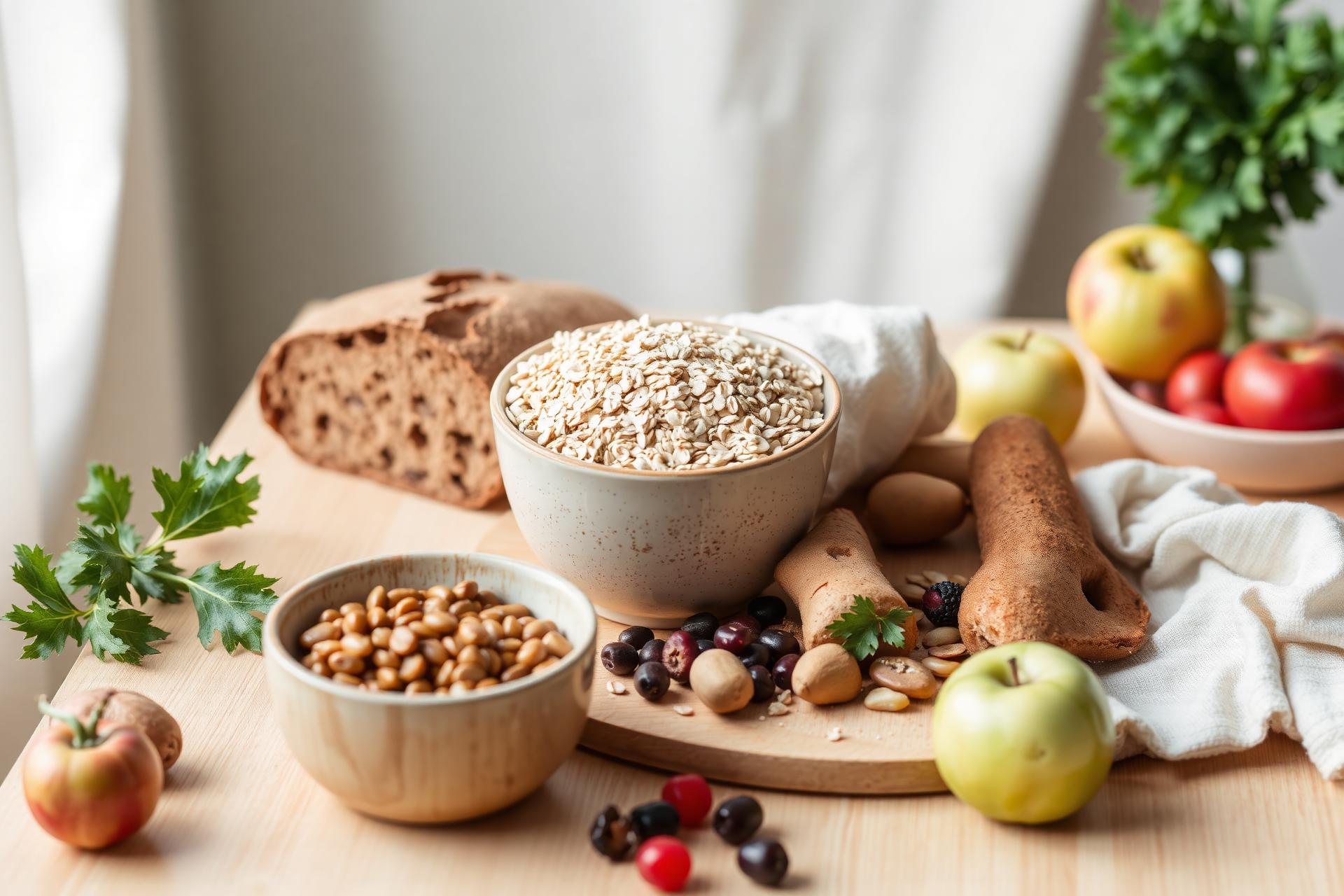
Oats, wholegrain bread, vegetables and legumes are useful options. In IBS, soluble fibre may be more helpful than coarse bran.
Look at the whole diet
Whole foods supply nutrients as well as fibre. Small changes across meals can be easier to maintain than a supplement alone.
Adapt for symptoms
Persistent pain, severe symptoms or a known bowel condition deserve individual advice. Do not keep increasing fibre if it makes symptoms worse.
When to seek medical advice
- Blood in stool or unexplained weight loss
- Persistent changes in bowel habits
- Severe abdominal pain, vomiting or inability to pass stool or gas
Fibre advice does not replace assessment of persistent or severe bowel symptoms.
Common questions
What people ask us most often.
How much fibre do adults need?
NNR 2023 recommends at least 3 grams per megajoule of dietary energy, corresponding to approximately 25 grams daily for women and 35 grams for men at reference energy intakes. These are population guides; clinical needs can differ.
Why does fibre sometimes cause bloating?
Some fibres are fermented by gut bacteria and produce gas, especially after a rapid increase. Gradual changes may help. IBS can require attention to fibre type as well as amount.
Which fibre can help with IBS?
Soluble fibre is often more helpful than insoluble fibre such as bran. Responses vary; discuss suitable food choices or supplements with a clinician rather than restricting many foods yourself.
Can fibre help constipation?
For many people, adequate fibre and fluid can help. Increase fibre gradually. Persistent symptoms, pain or bleeding need assessment rather than repeated dietary changes alone.
Can fibre support cholesterol management?
Some soluble fibres can help lower LDL cholesterol as part of a suitable overall diet. This does not replace prescribed treatment or assessment of cardiovascular risk.
Are fibre supplements necessary?
Not for everyone. Whole foods provide other nutrients too. A supplement may help in some circumstances, but the type and amount should suit your symptoms and medical needs.
Personal nutrition
The right fibre is not the same for everyone
What suits you depends on your current intake, symptoms and any diagnosed bowel condition.
General planning can help you find wholegrain and legume recipes. A clinical dietitian can help select fibre types and amounts when symptoms make this difficult.
A few repeatable food choices can make increasing fibre simpler.
Clinical support can help when a sensitive gut needs more than general meal ideas.
READ MORE
The knowledge behind the advice
Fibre
Fibre comes from plants and plays a key role in digestion, blood sugar regulation and a healthy gut microbiome. Most people in Norway eat less fibre than recommended, and it is often one of the easiest places to start when improving your diet.
Oats
Oats are a wholegrain product that have long been a staple of Norwegian cooking, and are receiving increasing attention for their favourable nutritional profile. They are an affordable, versatile and filling source of fibre, carbohydrates, and several vitamins and minerals.
Legumes
Legumes such as beans, lentils and chickpeas are among the most nutrient-dense and sustainable foods available. They combine plant-based protein with abundant fibre, and are a valuable food group whether you eat a lot of meat or very little.

Choose your starting point
Explore general meal planning or request contact with a clinical dietitian.

Clarify what is available
App access and clinical support are separate. A clinician checks whether support can be offered where you live.

Discuss your everyday life
Preferences, routines and any individual clinical needs are explored at the appropriate next stage.
Ready to get help with fibre and digestion?
We'll connect you with a licensed clinical dietitian who understands your situation.

Related topics