
Safe nutrition before and after bariatric surgery
After gastric bypass or sleeve surgery, everything changes — from portion sizes to nutrient absorption. We follow you closely — before, during and long after the operation.
In short
What does bariatric surgery require of your diet?
Bariatric surgery changes both the size of the stomach and how the body absorbs nutrients.
To protect muscle mass and avoid deficiencies, you need denser meals, more protein and lifelong supplements.
Good follow-up significantly reduces the risk of relapse.

Does this sound familiar?
This might sound like your situation
After bariatric surgery, capacity and absorption change — deficiencies in protein, B12, iron and vitamin D are common if the diet isn't adjusted.
- You're facing surgery and want to prepare well
- You've just had surgery and are unsure about portions and consistency
- Your weight has started creeping back up after a few years
- You forget or can't tolerate the supplements you're meant to take
- You want to ensure enough protein and nutrients in small meals
SmartEating recommends
What makes the biggest difference?
These are the priorities that protect your health most after bariatric surgery.
Protein first
60 to 90 grams a day is the single most important factor for protecting muscle mass.
Lifelong supplements
B12, vitamin D, iron and calcium are usually needed indefinitely to avoid deficiencies.
Small, frequent meals
Match the reduced stomach capacity and improve tolerance.
Fluids between meals
Drinking during meals fills the small stomach and displaces food.
Long-term follow-up
Regular checks catch weight regain and deficiencies early.
When should you contact a doctor?
Bariatric surgery requires lifelong medical follow-up.
- Unexpected weight loss or weight gain
- Repeated vomiting or stomach problems
- Fatigue and suspected deficiencies
- Pregnancy or planning pregnancy
- Difficulty swallowing or pain
Blood tests and follow-up are done by a doctor — the diet is planned with a dietitian.
Common questions
What people ask us most often.
How early can I start follow-up?
Preferably before the operation. That's when you learn what will work for the rest of your life.
Do you replace the surgeon?
No. We work on nutrition and collaborate with the surgical team when needed.
Personal nutrition
No one with safe nutrition before and after bariatric surgery is exactly the same
Age, everyday life, activity level, other conditions and what you actually enjoy eating determine what works for you.
That's why two people in the same situation need different advice. SmartEating AI learns your situation over time and tailors suggestions to your body, goals and everyday life.
- You're facing surgery and want to prepare well
- You've just had surgery and are unsure about portions and consistency
- Your weight has started creeping back up after a few years
- You forget or can't tolerate the supplements you're meant to take
- You want to ensure enough protein and nutrients in small meals
We tailor the plan to the phase you're in — liquid, soft, normal — and to which operation you've had.
SmartEating provides small, protein-rich meals and reminders about supplements and fluids.
The dietitian adjusts the plan based on blood tests, weight and everyday life in the years that follow.
READ MORE
The knowledge behind the advice
Protein
Protein is the building block of muscles, skin, enzymes and hormones, and one of the nutrients that gives the most satiety. Most people get enough protein through a varied diet, but needs can shift with age, activity level and life stage.
Carbohydrates
Carbohydrates are the body's main energy source and are found in everything from fruit and vegetables to bread, pasta and sugar. The quality of the carbohydrate source matters far more for health than the amount alone.
Calories and energy
Calories measure the energy in food and drink, and energy balance is a fundamental principle of weight development. But counting calories alone says little about food quality, satiety or health effects.

Assessment
A digital form before the session so the specialist knows your situation.

Kick-off conversation
60 minutes online or at a partner clinic.
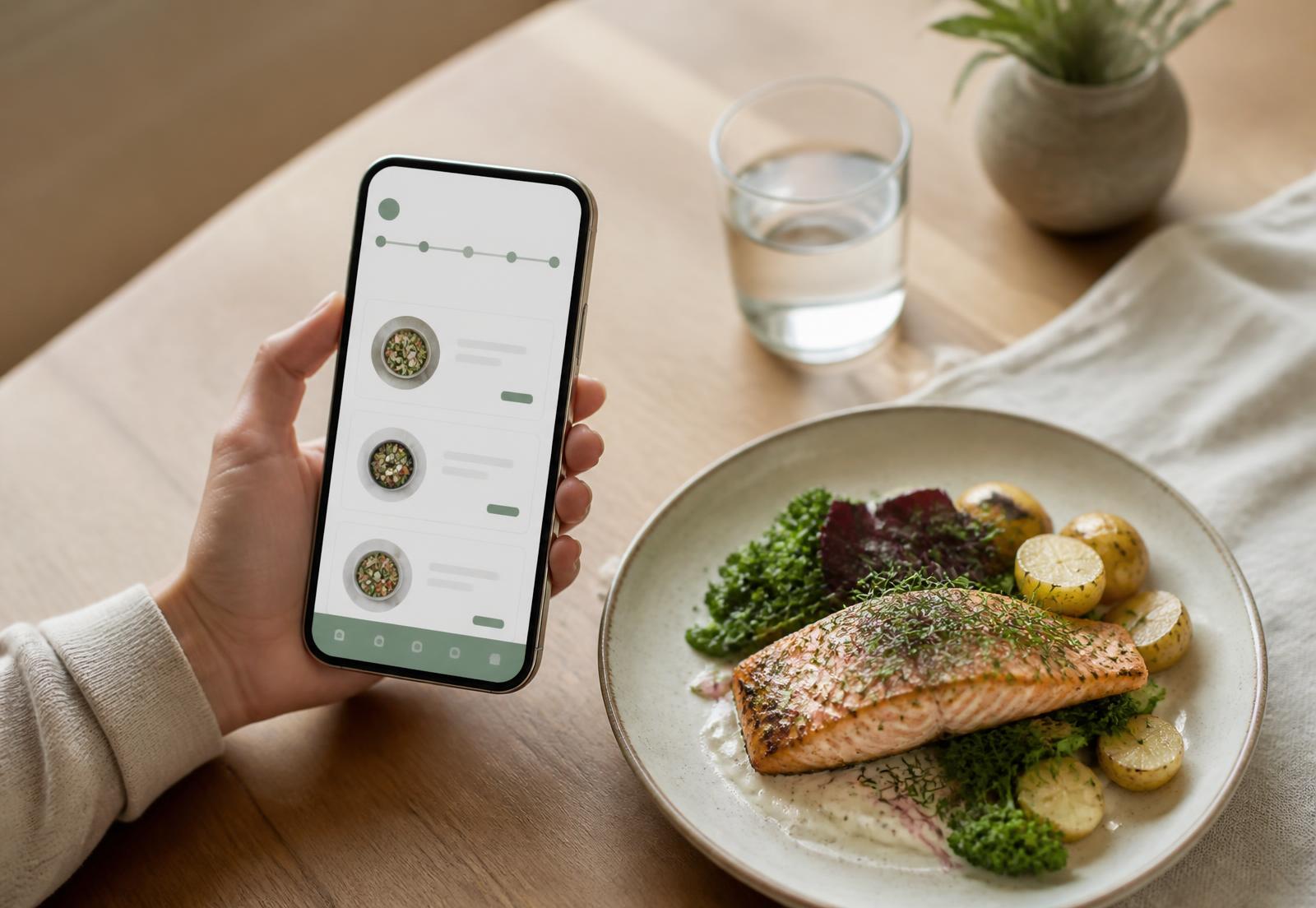
Personal plan
A concrete plan in SmartEating — food, structure and goals tailored to you.
Ready to get help with safe nutrition before and after bariatric surgery?
We'll connect you with a licensed clinical dietitian who understands your situation.

Related topics