Protein and satiety
Protein helps maintain the body's tissues and can make meals more satisfying. A varied diet can provide it without turning every meal into a calculation.
In short
What is protein?
Proteins are made from amino acids. The body uses them to maintain muscles and other tissues and to make enzymes and many signalling molecules. Some amino acids must come from food.
The Nordic Nutrition Recommendations 2023 give a protein reference intake of 0.83 grams per kilogram of body weight per day for healthy adults, alongside an energy range of 10–20 percent. These are population reference values, not an individual prescription. Needs can differ in later life, during pregnancy, with training or during illness.
Glossary
- Essential amino acids
- Amino acids the body cannot make in sufficient amounts and must obtain from food.
- Satiety
- The feeling of fullness that helps shape when you want to eat again.

Does this sound familiar?
This might sound like your situation
If one or more of these sound familiar, personal follow-up can make the path forward clearer.
- You feel hungry again soon after meals
- You want to maintain strength as you get older
- You eat plant-based food and wonder whether you get enough protein
- You want useful meal ideas rather than another supplement
SmartEating recommends
What makes the biggest difference?
Consider the whole meal and your circumstances, not protein alone.
Include a source you enjoy
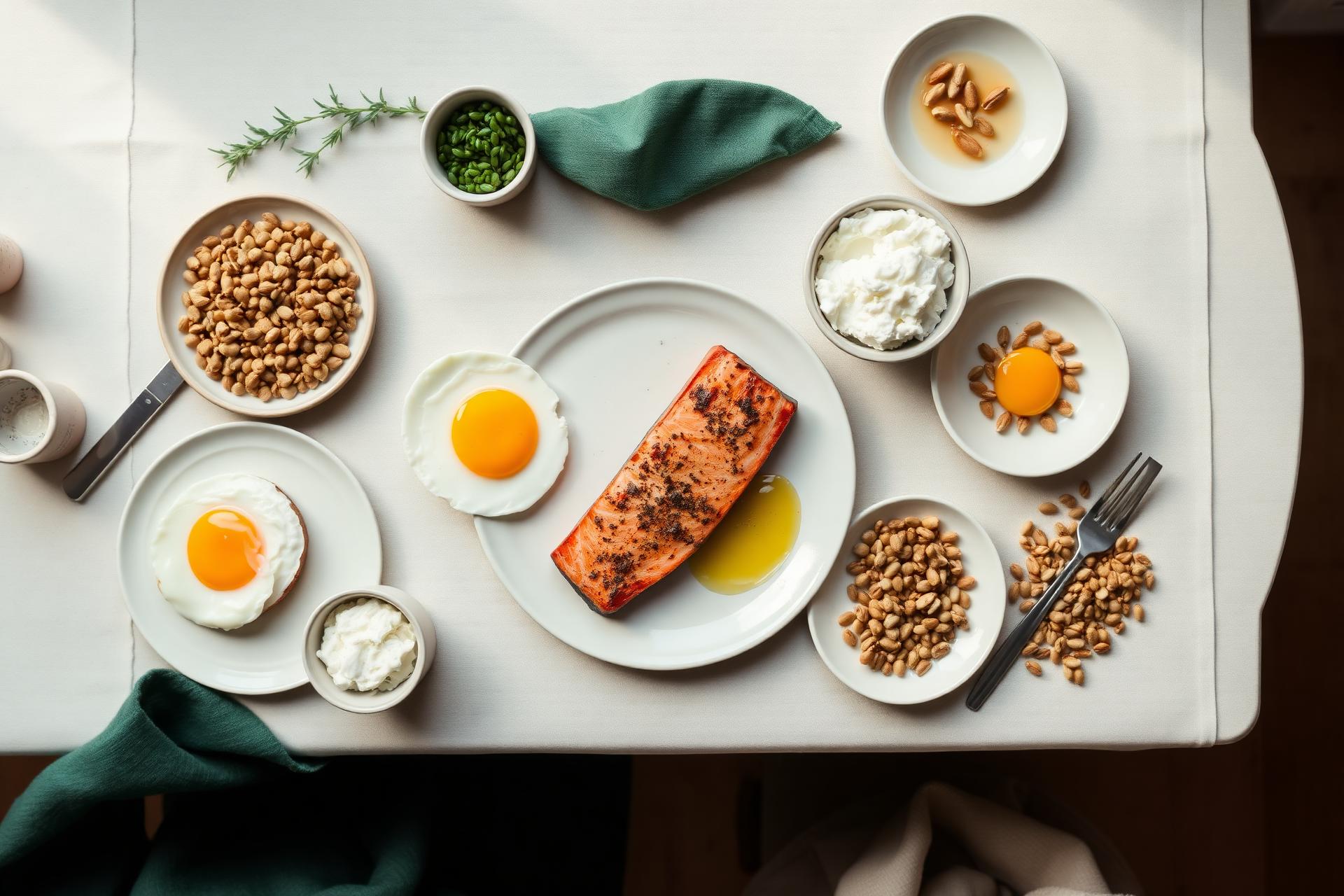
Beans, lentils, tofu, eggs, fish and dairy can all contribute. Include suitable sources across the day rather than relying on a single evening meal.
Keep plant foods varied
A varied plant-based diet can supply essential amino acids. There is no need to combine every source within one meal.
Keep fibre and energy in the picture
Protein does not replace vegetables, wholegrains or enough food overall. Fullness also depends on fibre, meal size and eating patterns.
Get individual advice when needed
Illness, kidney disease, a very limited diet or loss of appetite may change what is appropriate. Discuss these with a clinician rather than choosing a high-protein target yourself.
When to seek individual advice
- Known kidney disease or a prescribed protein restriction
- Unintentional weight loss, poor appetite or difficulty eating
Population nutrition recommendations do not replace individual medical advice.
Common questions
What people ask us most often.
How much protein do adults need?
NNR 2023 gives 0.83 grams per kilogram per day as a reference intake for healthy adults, alongside a range of 10–20 percent of dietary energy. Needs are not identical for everyone; age, health and activity matter.
Does protein help you feel full?
Protein can contribute to fullness, but it is only one part of a satisfying meal. Studies of higher-protein diets suggest possible benefits for fullness, with limitations in the evidence. A high-protein diet is not a guarantee of weight loss.
Can a plant-based diet provide enough protein?
Yes. A varied diet with legumes, grains, nuts and other suitable foods can meet protein needs. A very limited food range or low overall intake may need individual assessment.
Do I need protein powder?
Usually not if your ordinary food meets your needs. Supplements can be convenient in some circumstances, but they do not replace a varied diet or assessment of a nutritional problem.
Is more protein always better?
No. More is not automatically useful, and recommendations for healthy adults should not be applied to someone with kidney disease or another condition requiring dietary treatment. Discuss your needs with your healthcare team.
Why do protein needs change with age?
Maintaining muscle and function becomes especially important in later life. NNR 2023 recommends a higher protein energy range for older adults; adequate energy and suitable activity also matter.
Personal nutrition
Protein needs are individual
Age, activity, health and food preferences affect both your needs and the meals that fit your life.
General meal planning can help with ideas and shopping. A clinical dietitian can assess nutritional needs when health conditions or a restricted diet make them more complex.
- You want varied protein sources
- You need practical plant-based meal ideas
- You want professional assessment of your intake
Simple changes can make it easier to include varied protein sources.
General planning supports meal ideas; clinical assessment is separate and may be appropriate when health affects your needs.
Our reference framework includes NNR 2023, with attention to varied sources and individual circumstances.
READ MORE
The knowledge behind the advice
Protein
Protein is the building block of muscles, skin, enzymes and hormones, and one of the nutrients that gives the most satiety. Most people get enough protein through a varied diet, but needs can shift with age, activity level and life stage.
How much protein do I need?
Most adults need roughly 1.2–1.6 grams of protein per kilogram of body weight per day, depending on age, activity level and goals. If you are older or do a lot of strength training, your needs are likely at the higher end of that range.
Carbohydrates
Carbohydrates are the body's main energy source and are found in everything from fruit and vegetables to bread, pasta and sugar. The quality of the carbohydrate source matters far more for health than the amount alone.

Choose your starting point
Explore general meal planning or request contact with a clinical dietitian.

Clarify what is available
App access and clinical support are separate. A clinician checks whether support can be offered where you live.
Discuss your everyday life
Preferences, routines and any individual clinical needs are explored at the appropriate next stage.
Ready to get help with protein and satiety?
We'll connect you with a licensed clinical dietitian who understands your situation.

Related topics