Ulcerative colitis and Crohn's disease
With inflammatory bowel disease, nutrition is an important complement to medical treatment — both during calm periods and flare-ups.
In short
What is IBD?
IBD (inflammatory bowel disease) is a chronic inflammatory condition of the digestive tract that includes Crohn's disease and ulcerative colitis.
Treatment is medical — but diet plays an important role for symptoms, nutritional status and quality of life.
Needs change substantially between flare-ups and remission.
Does this sound familiar?
This might sound like your situation
With IBD (Crohn's and ulcerative colitis), you often alternate between calm periods and flare-ups with diarrhoea, stomach pain, blood and fatigue.
- You alternate between calm periods and flare-ups
- You're unsure what to eat when symptoms are at their worst
- Weight or muscle mass has dropped during flare periods
- You've cut out food for fear of triggering a flare-up
- You want to eat as normally as possible between flares
SmartEating recommends
What makes the biggest difference?
For IBD, nutrition needs differ sharply between remission and a flare, which is the key thing to plan around.
Phase-adapted eating
What you eat during a flare should look different from what you eat in remission.
Preventing nutrient deficiencies
Iron, B12, vitamin D and protein commonly run low and need regular checking.
Fibre tailored to tolerance
Type and amount of fibre should match your current phase and any strictures.
Working with your medical team
Diet supports medical treatment and should be coordinated with your gastroenterologist.
Planning around surgery
Bowel surgery or a stoma changes absorption and calls for its own nutrition plan.
When should you contact a doctor?
IBD should always be followed by a doctor and gastroenterologist.
- Blood in the stool or new symptoms
- Weight loss or severe fatigue
- Fever or severe pain
- Pregnancy or planning pregnancy
- Before changes in medication
We work closely with your medical treatment — not instead of it.
Common questions
What people ask us most often.
Do you replace my doctor?
No. We work on nutrition alongside your medical treatment.
Do some diets work better than others?
There's promising data on the Mediterranean diet and specific IBD adaptations. We tailor individually.
Personal nutrition
No one with ulcerative colitis and Crohn's disease is exactly the same
Age, everyday life, activity level, other conditions and what you actually enjoy eating determine what works for you.
That's why two people in the same situation need different advice. SmartEating AI learns your situation over time and tailors suggestions to your body, goals and everyday life.
- You alternate between calm periods and flare-ups
- You're unsure what to eat when symptoms are at their worst
- Weight or muscle mass has dropped during flare periods
- You've cut out food for fear of triggering a flare-up
- You want to eat as normally as possible between flares
We tailor the diet to the phase you're in, and to what you can actually tolerate.
SmartEating provides soft, nutrient-dense meals during flare-ups and a broader diet during remission.
A dietitian can prevent deficiencies and support you through surgery and treatment.
READ MORE
The knowledge behind the advice
Fibre
Fibre comes from plants and plays a key role in digestion, blood sugar regulation and a healthy gut microbiome. Most people in Norway eat less fibre than recommended, and it is often one of the easiest places to start when improving your diet.
Vegetables
Vegetables are one of the most recommended food groups in any diet, known for their low energy content and high content of vitamins, minerals, fibre and plant compounds. A varied and generous intake of vegetables is one of the clearest recommendations in nutrition.
Oats
Oats are a wholegrain product that have long been a staple of Norwegian cooking, and are receiving increasing attention for their favourable nutritional profile. They are an affordable, versatile and filling source of fibre, carbohydrates, and several vitamins and minerals.

Assessment
A digital form before the session so the specialist knows your situation.
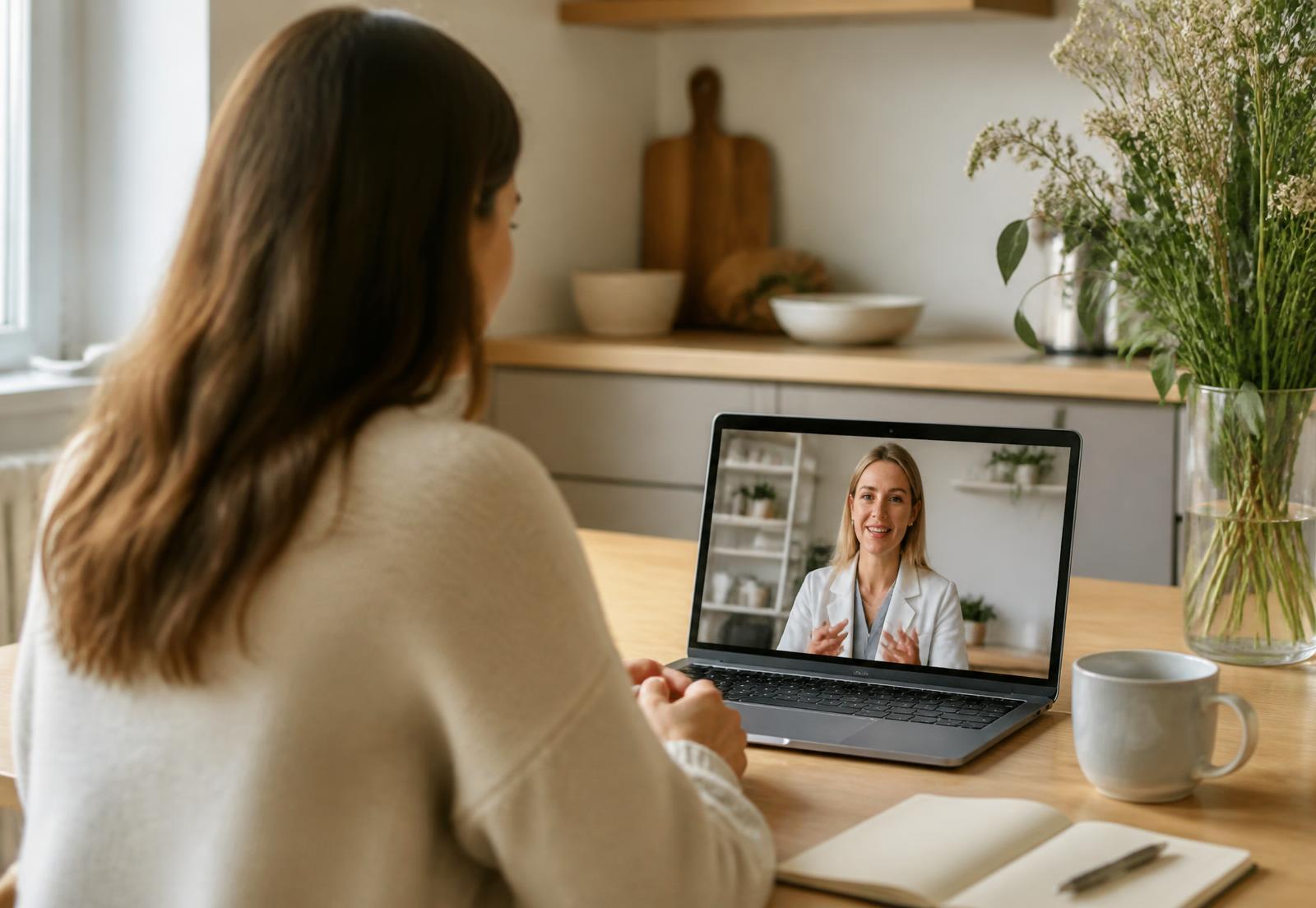
Kick-off conversation
60 minutes online or at a partner clinic.
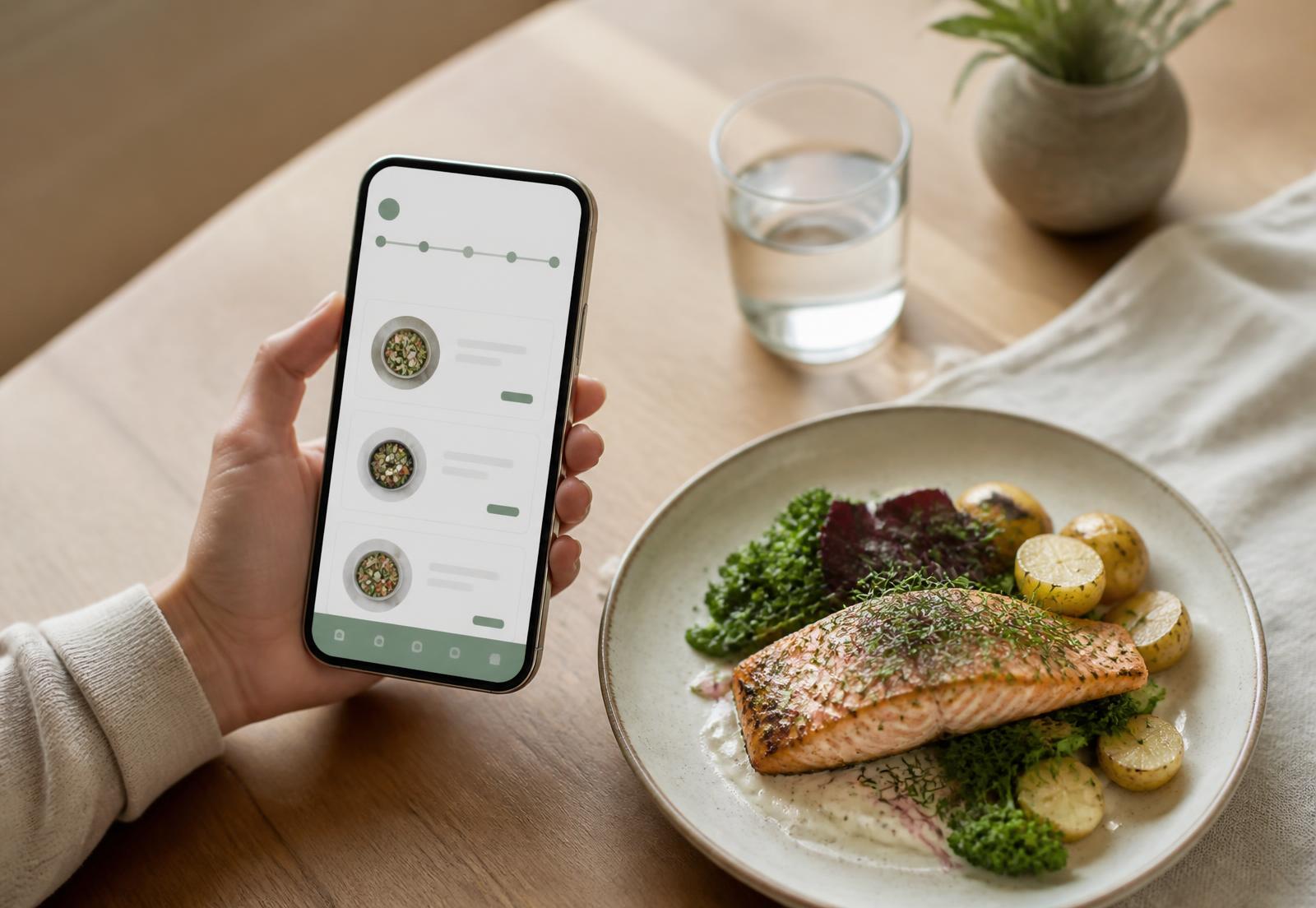
Personal plan
A concrete plan in SmartEating — food, structure and goals tailored to you.
Ready to get help with ulcerative colitis and Crohn's disease?
We'll connect you with a licensed clinical dietitian who understands your situation.

Related topics