Coeliac disease
With coeliac disease, gluten-free is for life. We make sure the diet stays nutritious, practical and enjoyable.
In short
What is coeliac disease?
Coeliac disease is an autoimmune condition where the immune system reacts to gluten — a protein found in wheat, barley and rye.
The reaction can damage the gut lining and reduce nutrient absorption. Symptoms vary and may include stomach pain, bloating, fatigue, anaemia or weight loss.
Treatment is a strict gluten-free diet for life. With proper follow-up, most people can live completely normally.

Does this sound familiar?
This might sound like your situation
The symptom picture varies and can change over time, especially after starting a gluten-free diet.
- You've recently been diagnosed and need to overhaul everything
- You eat gluten-free but still have symptoms
- You're unsure about cross-contamination at home and at work
- Travel, canteens and restaurants feel unsafe
- You want to know if you're getting enough iron, fibre and B vitamins
SmartEating recommends
What makes the biggest difference?
For coeliac disease, these factors decide whether the gut can heal and stay well.
Strict gluten-free routine
Consistency, not perfection on rare occasions, is what protects the gut lining.
Avoiding cross-contamination
Shared toasters, utensils or frying oil can carry enough gluten to cause a reaction.
Reading labels carefully
Gluten can hide in sauces, spice mixes and processed foods.
Nutrient balance
Fibre, iron and B vitamins need attention once wheat-based staples are removed.
Planning for social situations
Preparing ahead for travel, restaurants and gatherings reduces both risk and stress.
When should you contact a doctor?
Coeliac disease should always be diagnosed by a doctor before you change your diet.
- Suspected coeliac disease — don't start gluten-free before investigation
- Continued symptoms despite a strict gluten-free diet
- Unexplained weight loss or anaemia
- Growth failure in children
- Need for follow-up of blood tests and nutritional status
A clinical dietitian can help with diet and follow-up, but doesn't replace medical investigation and treatment.
Common questions
What people ask us most often.
Can I eat oats?
Pure, certified oats are tolerated by most, but should be introduced under controlled conditions.
What is cross-contamination?
It's when gluten-free food picks up small amounts of gluten via utensils, toasters, shared butter tubs or production. Separate utensils and good routines solve a lot.
Can I eat out?
Yes. Call ahead if you can, be clear that you have coeliac disease and ask how the food is prepared. Simple dishes with naturally gluten-free ingredients are safest.
Do I need supplements?
Not automatically. Iron, B12, folate and vitamin D should be assessed based on blood tests and diet — not on your own.
Can children with coeliac disease eat regular oats?
No, the oats must be certified gluten-free. They're usually introduced under controlled conditions once the gut has settled.
Why do I still have symptoms?
Common reasons: cross-contamination, coexisting IBS or lactose intolerance. We investigate in a structured way.
Personal nutrition
No two people with coeliac disease are quite the same
Some train a lot, some also have IBS, some are pregnant, some have low iron, and some need to get the whole family on board.
That's why people with the same diagnosis need different advice. SmartEating AI learns your situation over time and tailors suggestions to your body, goals and everyday life.
- You train a lot and need enough energy and carbohydrates
- You also have IBS or lactose intolerance
- You're pregnant or breastfeeding
- You have low iron or low B12
- You have a growing child with coeliac disease
The goal is not just a gluten-free diet, but one that's safe, nutritious and enjoyable to live with.
SmartEating makes label reading, recipes and shopping lists easier day-to-day, both at home and while travelling.
A clinical dietitian can ensure nutrient intake, map hidden gluten sources and advise on children in growth or pregnancy with coeliac disease.
READ MORE
The knowledge behind the advice
Fibre
Fibre comes from plants and plays a key role in digestion, blood sugar regulation and a healthy gut microbiome. Most people in Norway eat less fibre than recommended, and it is often one of the easiest places to start when improving your diet.
Vegetables
Vegetables are one of the most recommended food groups in any diet, known for their low energy content and high content of vitamins, minerals, fibre and plant compounds. A varied and generous intake of vegetables is one of the clearest recommendations in nutrition.
Oats
Oats are a wholegrain product that have long been a staple of Norwegian cooking, and are receiving increasing attention for their favourable nutritional profile. They are an affordable, versatile and filling source of fibre, carbohydrates, and several vitamins and minerals.

Assessment
A digital form before the session so the specialist knows your situation.

Kick-off conversation
60 minutes online or at a partner clinic.
Personal plan
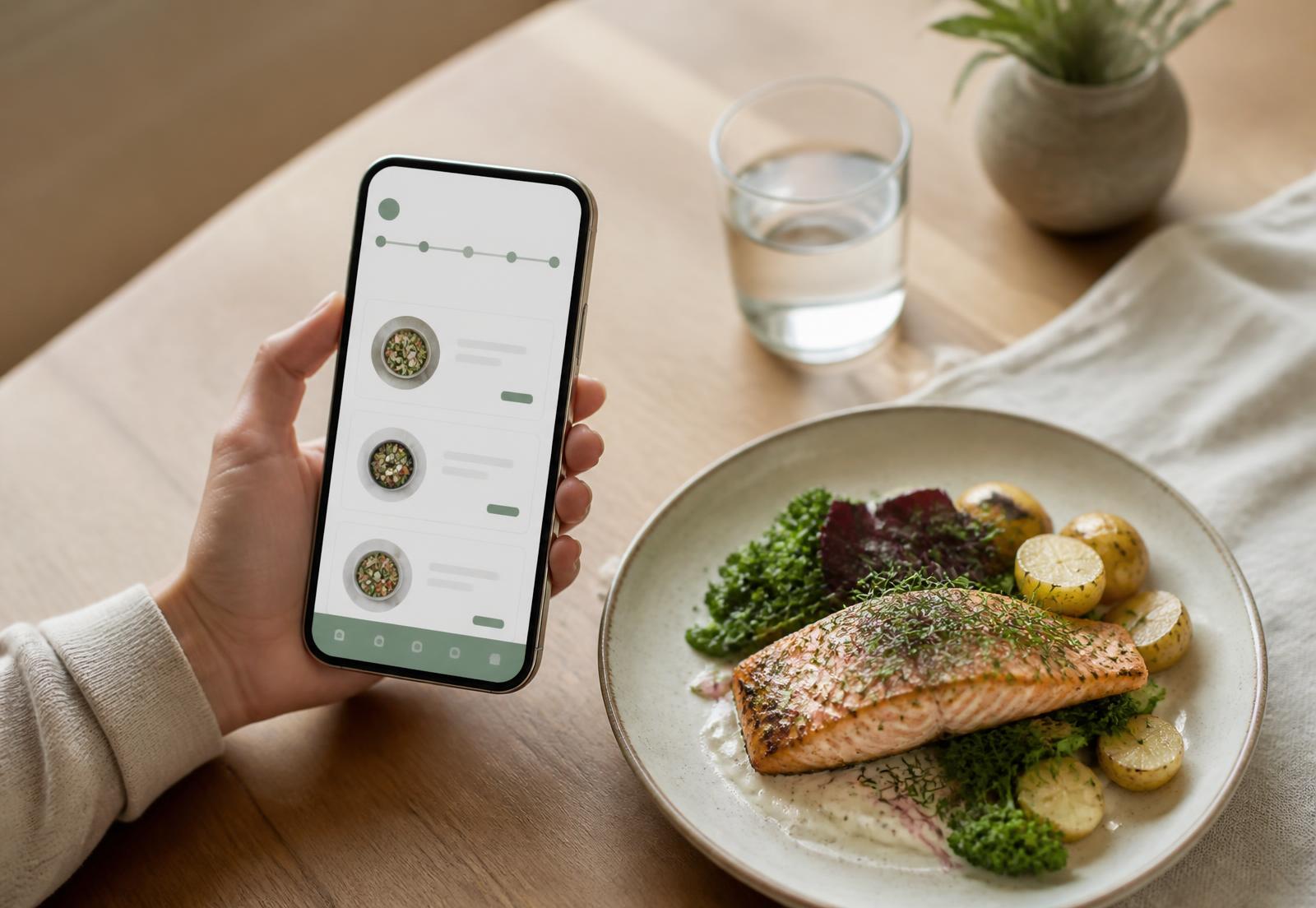
A concrete plan in SmartEating — food, structure and goals tailored to you.
Ready to get help with coeliac disease ?
We'll connect you with a licensed clinical dietitian who understands your situation.

Related topics