IBS
We use structured low FODMAP, trigger mapping and a safe reintroduction, so you get a gut that works — with as broad a diet as possible.
Short answer
IBS is a common gut condition that causes pain, bloating and changed bowel habits without damaging the gut.
Diet can often ease symptoms. Start with regular meals and simple changes; low FODMAP is a time-limited next step, ideally with a professional.
If you have blood in your stool, unexplained weight loss or symptoms that wake you at night, see a doctor first.
Updated 26 October 2026 · Professional review in progress
In short
What is IBS?
IBS, or irritable bowel syndrome, is a common functional condition of the stomach and intestines. It means the gut can cause significant discomfort even though tests show no visible disease or damage.
Common complaints are stomach pain, bloating, excess gas and changes in bowel habits. Some experience mostly diarrhoea, others constipation, while many alternate between the two.
Symptoms and their triggers vary from person to person. That's why individual mapping is often more important than following general advice or cutting out many foods on your own.

Does this sound familiar?
This might sound like your situation
The symptom picture varies from person to person, both in type and intensity.
- You plan your day around where the toilet is
- You've cut out more and more foods without your gut improving
- Social meals and restaurant visits create anxiety
- Symptoms fluctuate and you can't find the pattern
- You want a safe way to test foods again
SmartEating recommends
What makes the biggest difference?
For IBS, these are the factors that most consistently make a practical difference.
Trigger mapping
Track meals and symptoms for two to three weeks before changing your diet.
Regular meal rhythm
Eating at similar times each day steadies gut motility and reduces flare-ups.
FODMAP awareness
Learning which fermentable carbohydrates affect you most narrows the problem quickly.
Meal size and pace
Large or rushed meals often trigger more bloating and pain than small, calm ones.
Stress management
Short daily routines to lower stress can noticeably ease gut-brain symptoms.
In practice
How to get started in practice
The order below follows common practice: simple changes first, stricter steps only if needed.
1. Give your eating a rhythm
Have 3 main meals and 1–2 snacks at roughly regular times. Eat slowly and avoid very large portions.
2. Look at the common triggers
Coffee, alcohol, fizzy drinks, very spicy and very fatty food cause symptoms for many. Change one thing at a time for 1–2 weeks.
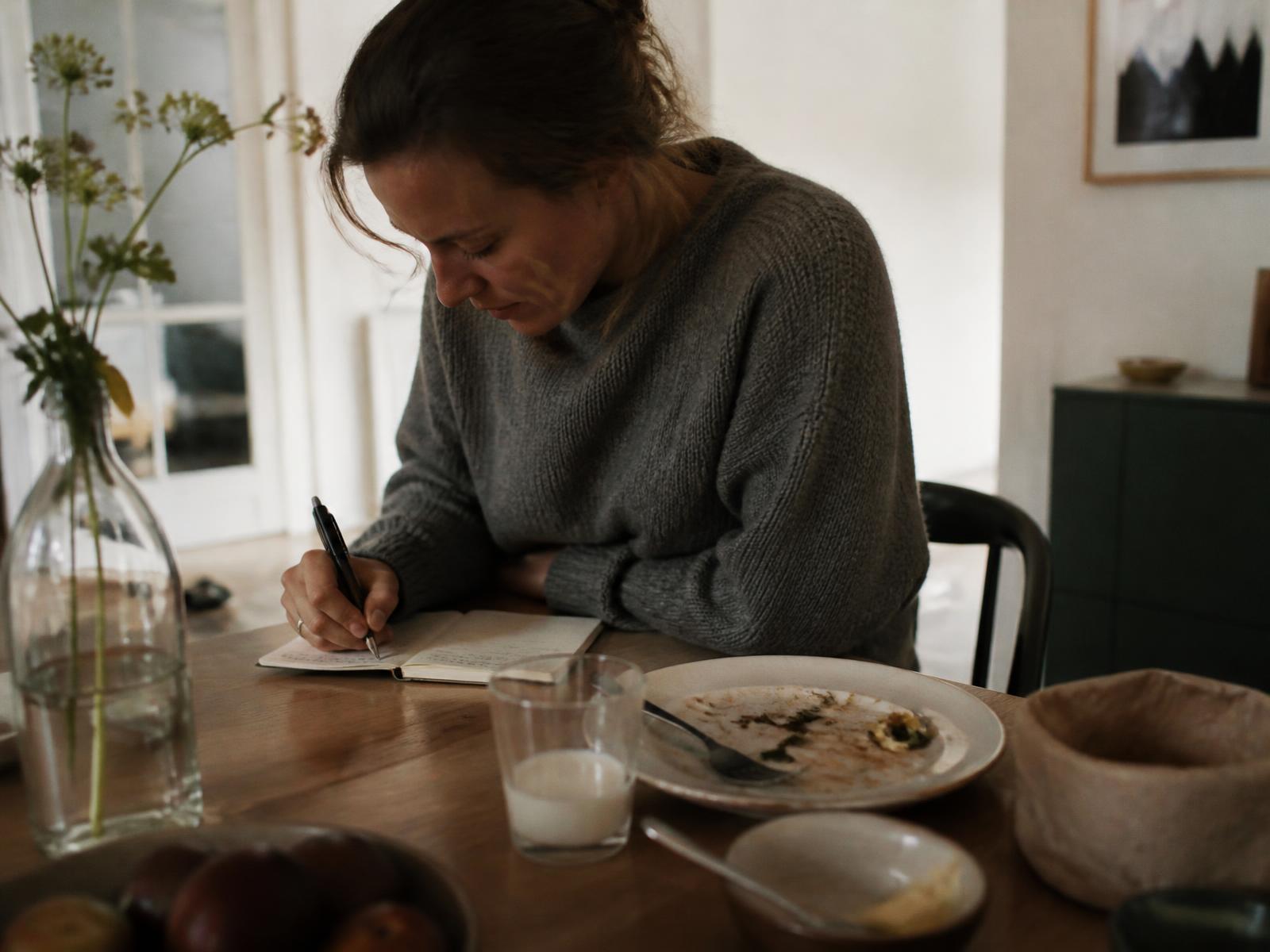
3. Keep a simple diary
Note meals, times, symptoms and sleep/stress for two weeks. Patterns are easier to see on paper than in memory.
4. Consider low FODMAP with support
The reduction phase usually lasts 2–6 weeks. Then one food group is tested at a time, so you don't cut out more than you need to.
When should you contact a doctor?
It's a good idea to contact a doctor if you have new or persistent stomach symptoms, or if they haven't previously been assessed.
- Blood in the stool
- Unexplained weight loss
- Fever
- Nighttime symptoms that wake you
- Persistent vomiting
- New symptoms at an older age
- Clearly reduced general condition
A clinical dietitian can help with diet and symptom mapping, but doesn't replace necessary medical investigation.
Common questions
What people ask us most often.
Is IBS dangerous?
IBS is not a dangerous disease and doesn't damage the gut, but the symptoms can be burdensome and affect quality of life. New or unclear symptoms should be assessed by a doctor.
Can diet help with IBS?
Many experience that targeted dietary changes can reduce symptoms. Measures should be tailored individually, since different people react to different foods and eating patterns.
Do I have to follow low FODMAP?
No. Low FODMAP is one possible tool and isn't necessary or right for everyone. When the diet is used, it should be carried out in a structured way and followed by reintroduction.
Do I have to permanently cut out many foods?
No. The goal is to find the broadest diet you can tolerate, not to live with unnecessary restrictions.
Should I see a doctor before booking an appointment?
With new or unclear symptoms, it's important to get a medical assessment. A clinical dietitian can then help with dietary treatment.
Can I start with the SmartEating app alone?
Yes. The app can provide structure, recipes and support. With severe, complex or long-lasting symptoms, individual follow-up can be helpful.
Personal nutrition
No one with IBS is exactly the same
Age, everyday life, activity level, other conditions and what you actually enjoy eating determine what works for you.
That's why two people in the same situation need different advice. SmartEating AI learns your situation over time and tailors suggestions to your body, goals and everyday life.
- You plan your day around where the toilet is
- You've cut out more and more foods without your gut improving
- Social meals and restaurant visits create anxiety
- Symptoms fluctuate and you can't find the pattern
- You want a safe way to test foods again
The goal of dietary treatment for IBS is not to cut out as much food as possible. The goal is to find out what actually affects your symptoms while keeping a varied and nutritious diet.
For some, structured low FODMAP treatment may be relevant. This consists of a time-limited reduction phase, followed by systematic reintroduction to find your individual tolerance.
SmartEating can help with structure, recipes and tracking. A clinical dietitian can contribute mapping, individual assessment and safe follow-up through the process.
READ MORE
The knowledge behind the advice
Fibre
Fibre comes from plants and plays a key role in digestion, blood sugar regulation and a healthy gut microbiome. Most people in Norway eat less fibre than recommended, and it is often one of the easiest places to start when improving your diet.
Vegetables
Vegetables are one of the most recommended food groups in any diet, known for their low energy content and high content of vitamins, minerals, fibre and plant compounds. A varied and generous intake of vegetables is one of the clearest recommendations in nutrition.
Oats
Oats are a wholegrain product that have long been a staple of Norwegian cooking, and are receiving increasing attention for their favourable nutritional profile. They are an affordable, versatile and filling source of fibre, carbohydrates, and several vitamins and minerals.

Assessment
A digital form before the session so the specialist knows your situation.

Kick-off conversation
60 minutes online or at a partner clinic.
Personal plan
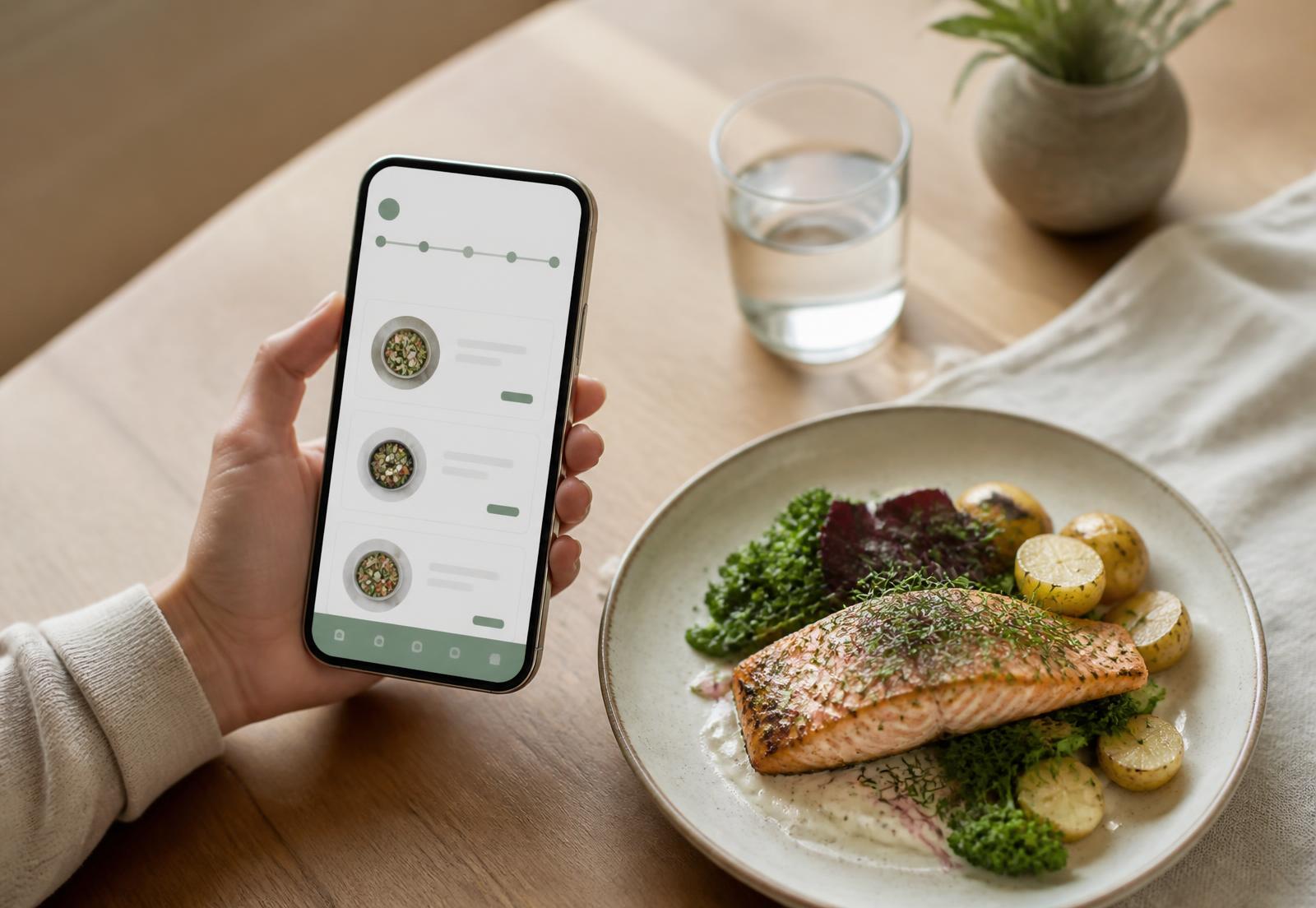
A concrete plan in SmartEating — food, structure and goals tailored to you.
Ready to get help with IBS?
We'll connect you with a licensed clinical dietitian who understands your situation.

Related topics