
Lactose intolerance
Most people can tolerate more lactose than they think. We find your limits so your diet can stay as broad as possible.
In short
What is lactose intolerance?
Lactose intolerance is a reduced ability to break down milk sugar (lactose) due to low levels of the enzyme lactase.
It's not an allergy — and most people can tolerate some lactose.
The goal is the widest possible range of food with the least possible discomfort.

Does this sound familiar?
This might sound like your situation
Bloating, gas, stomach pain and diarrhoea 30 minutes to 2 hours after dairy products.
- You get trouble after dairy products, but not always
- You've cut all dairy and miss the variety
- You're unsure how much you can actually tolerate
- You're worried about calcium and bone health
- You want to find your limit in practice
SmartEating recommends
What makes the biggest difference?
With lactose intolerance, finding your personal tolerance threshold matters more than cutting dairy completely.
Personal tolerance dose
Most people can handle small amounts of lactose spread through the day without symptoms.
Pairing with other food
Eating dairy alongside other foods slows digestion and lowers the chance of discomfort.
Low-lactose dairy choices
Aged cheese and yoghurt contain very little lactose and are often well tolerated.
Calcium and vitamin D intake
If dairy is reduced or cut, these nutrients need another reliable source.
Lactase enzyme use
Enzyme tablets can allow occasional dairy meals without planning ahead.
Ruling out other causes
Coeliac disease or IBS can cause similar symptoms and should be excluded if unsure.
When should you contact a doctor?
If the diagnosis is uncertain, coeliac disease and IBS should be ruled out first.
- Severe symptoms or weight loss
- Blood in the stool
- Symptoms before age 5
- Coexisting food intolerance
- No effect from cutting lactose
A dietitian can carry out structured trials.
Common questions
What people ask us most often.
Do I need to cut all milk?
No. Most people tolerate a little — and aged cheese, hard cheeses and yoghurt contain very little lactose.
Personal nutrition
No one with lactose intolerance is exactly the same
Age, everyday life, activity level, other conditions and what you actually enjoy eating determine what works for you.
That's why two people in the same situation need different advice. SmartEating AI learns your situation over time and tailors suggestions to your body, goals and everyday life.
- You get trouble after dairy products, but not always
- You've cut all dairy and miss the variety
- You're unsure how much you can actually tolerate
- You're worried about calcium and bone health
- You want to find your limit in practice
We find your personal tolerance threshold — and expand it as much as possible.
SmartEating has lactose-adapted recipes and a shopping list.
A dietitian ensures your calcium and vitamin D needs are met.
READ MORE
The knowledge behind the advice
Dairy Products
Dairy products such as milk, yoghurt and cheese have traditionally been an important part of the Norwegian diet, and are among the best sources of calcium and high-quality protein. At the same time, there is significant variation within the group, making it useful to understand the differences.
Vitamins and minerals
Vitamins and minerals are micronutrients the body needs in small amounts, but they are essential for nearly all bodily functions. A varied diet with plenty of vegetables, fruit, whole grains and good protein sources usually covers the need without supplements.
Legumes
Legumes such as beans, lentils and chickpeas are among the most nutrient-dense and sustainable foods available. They combine plant-based protein with abundant fibre, and are a valuable food group whether you eat a lot of meat or very little.

Assessment
A digital form before the session so the specialist knows your situation.

Kick-off conversation
60 minutes online or at a partner clinic.
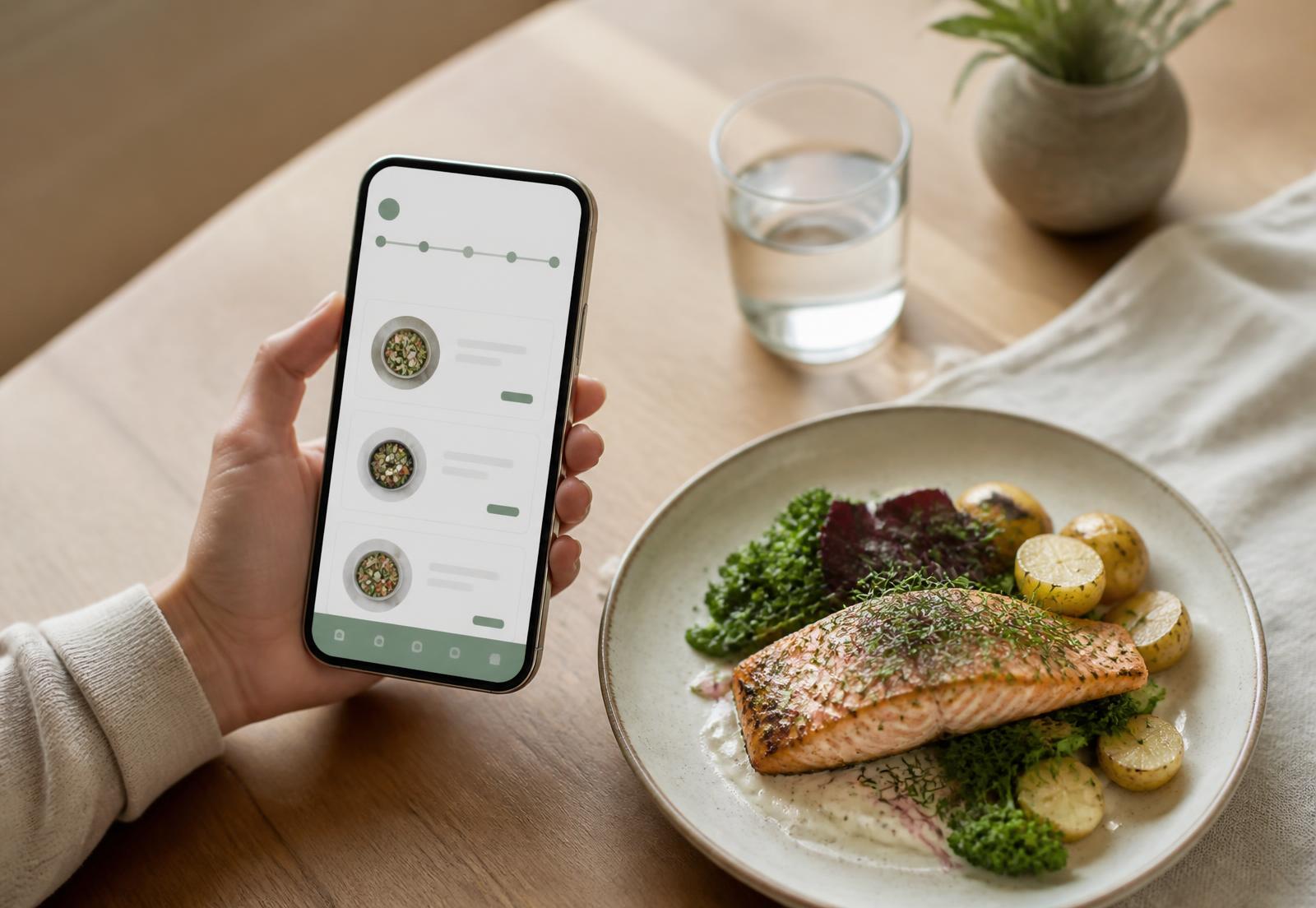
Personal plan
A concrete plan in SmartEating — food, structure and goals tailored to you.
Ready to get help with lactose intolerance?
We'll connect you with a licensed clinical dietitian who understands your situation.

Related topics