
Food allergies
We look after both safety and nutrition — so you don't end up with a narrower diet than necessary.
In short
What is a food allergy?
A food allergy is an immune reaction to a specific food protein. Symptoms can range from itching and rash to stomach pain, breathing difficulty and, in rare cases, anaphylaxis.
Food allergy differs from food intolerances, which don't involve the immune system in the same way, and from coeliac disease, which is an autoimmune condition.
Correct diagnosis and safe avoidance — without cutting more than necessary — is the key to a diet that's both safe and nutritious.

Does this sound familiar?
This might sound like your situation
Reactions vary in type and severity from person to person.
- You or your child has been diagnosed with an allergy
- You read labels and are still unsure
- You avoid more food than necessary to be safe
- Restaurants, kindergarten or school cause worry
- You want to know whether your diet meets your nutritional needs
SmartEating recommends
What makes the biggest difference?
For food allergies, safety comes first, but nutritional balance and daily life quality matter just as much.
Confirmed diagnosis
An allergist-confirmed diagnosis prevents unnecessary and unsafe guessing about what to avoid.
Label reading skills
Learning to spot allergens in ingredient lists, including hidden traces, is the core daily safety skill.
Nutrient compensation
Excluded foods must be replaced so protein, calcium, iron or other nutrients don't fall short.
Cross-reaction awareness
Knowing which related foods are risky and which are safe avoids overly broad restriction.
Emergency preparedness
An adrenaline pen and a written action plan should always be ready if anaphylaxis is a risk.
Social and travel planning
A little preparation for restaurants, school and travel reduces both risk and anxiety.
When should you contact a doctor?
Food allergies should always be investigated and followed up medically.
- Suspected food allergy — don't cut out entire food groups on your own
- Severe reactions (breathing difficulty, swelling, circulatory effects)
- New or unclear symptoms after meals
- Children with repeated rashes, stomach trouble or growth failure
- Need for an adrenaline pen and an action plan
A clinical dietitian can help with diet and safe avoidance, but doesn't replace medical investigation and treatment.
Common questions
What people ask us most often.
Can you grow out of an allergy?
Some — especially milk and egg in children. Others are lifelong.
Personal nutrition
No one with food allergies is exactly the same
Age, everyday life, activity level, other conditions and what you actually enjoy eating determine what works for you.
That's why two people in the same situation need different advice. SmartEating AI learns your situation over time and tailors suggestions to your body, goals and everyday life.
- You or your child has been diagnosed with an allergy
- You read labels and are still unsure
- You avoid more food than necessary to be safe
- Restaurants, kindergarten or school cause worry
- You want to know whether your diet meets your nutritional needs
The goal is both safety and breadth — keeping as much variety in the diet as possible within what's safe.
SmartEating tailors recipes, shopping lists and label reading to your allergens.
A clinical dietitian can map your nutritional status, manage cross-reactions and collaborate with an allergist.
READ MORE
The knowledge behind the advice
Vitamins and minerals
Vitamins and minerals are micronutrients the body needs in small amounts, but they are essential for nearly all bodily functions. A varied diet with plenty of vegetables, fruit, whole grains and good protein sources usually covers the need without supplements.
Legumes
Legumes such as beans, lentils and chickpeas are among the most nutrient-dense and sustainable foods available. They combine plant-based protein with abundant fibre, and are a valuable food group whether you eat a lot of meat or very little.
Protein
Protein is the building block of muscles, skin, enzymes and hormones, and one of the nutrients that gives the most satiety. Most people get enough protein through a varied diet, but needs can shift with age, activity level and life stage.

Assessment
A digital form before the session so the specialist knows your situation.

Kick-off conversation
60 minutes online or at a partner clinic.
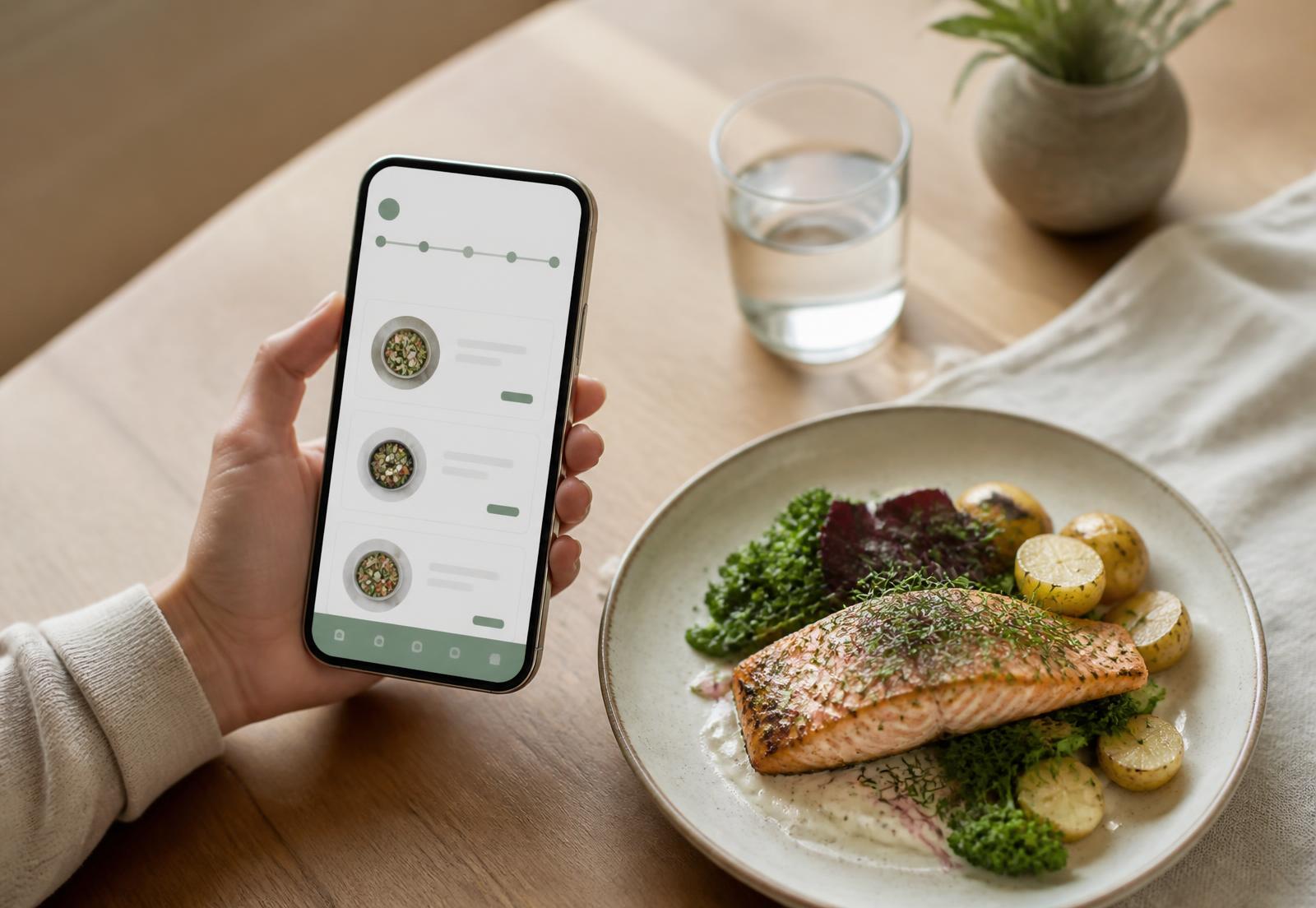
Personal plan
A concrete plan in SmartEating — food, structure and goals tailored to you.
Ready to get help with food allergies?
We'll connect you with a licensed clinical dietitian who understands your situation.

Related topics