Gut microbiome and gut health
Your gut flora affects digestion, immune function and probably much more. Diet is the most important tool for taking care of it.
In short
What is the gut microbiome?
The gut microbiome is the collection of bacteria and other microorganisms living in your gut. They help with digestion, produce vitamins and influence the immune system.
A varied diet with plenty of fibre, fermented food and plant-based foods appears to produce the most diverse and robust gut flora.
Glossary
- Microbiome
- All microorganisms living in and on the body — most in the gut.
- Fermented food
- Food processed by bacteria, e.g. yoghurt, kefir, kimchi and sauerkraut.
- Prebiotics
- Fibre that serves as food for gut bacteria.
- Probiotics
- Live bacteria added via food or supplements.

Does this sound familiar?
This might sound like your situation
If one or more of these sound familiar, personal follow-up can make the path forward clearer.
- You wonder if your gut flora is in balance
- You've had antibiotics and want to rebuild gut health
- You want to eat for better digestion and immunity
- You're unsure about probiotics and supplements
- You want concrete dietary advice, not just hype
SmartEating recommends
What makes the biggest difference?
For gut microbiome health, small consistent habits matter more than any single product.
Fibre variety
Eating many different plant foods each week feeds a wider range of gut bacteria.
Fermented foods
Yoghurt, kefir, kimchi and similar foods can support a diverse gut flora.
Limiting unnecessary antibiotics
Antibiotics reduce diversity temporarily, though the gut usually recovers over time.
Consistent eating pattern
Regular meals support a stable environment for gut bacteria to thrive.
Realistic expectations for supplements
Most probiotic supplements have limited proven effect compared with food-based diversity.
Common questions
What people ask us most often.
What's best for gut flora?
A varied diet with plenty of fibre, fermented food and plant-based foods — diversity is key.
Do probiotic supplements help?
The effect is debated. For most people, getting bacteria via fermented food is better.
How long does it take to change gut flora?
Dietary changes can affect gut flora in days to weeks, but lasting habits give lasting effects.
Can antibiotics destroy gut flora?
Antibiotics temporarily reduce diversity, but for most people the gut flora recovers on its own.
Are sauerkraut and kimchi good?
Yes, fermented food can contribute positively. Start with small amounts if you're not used to it.
Can gut flora affect weight?
Research suggests a connection, but it's not as simple as taking a supplement. Diet is key.
Personal nutrition
No one with gut microbiome and gut health is exactly the same
The gut flora is as individual as your fingerprint. What works varies.
SmartEating AI gives you concrete suggestions tailored to your habits and goals.
- You want to eat for a better microbiome
- You want concrete, research-based advice
- You want to know what's actually documented
- You want help building good habits
Diet is the most documented tool for influencing gut flora — and changes can happen in weeks.
We help you build a diet that supports your gut health, based on research — not hype.
We base gut health advice on NNR 2023 and documented research — not on supplement marketing.
READ MORE
The knowledge behind the advice
Fibre
Fibre comes from plants and plays a key role in digestion, blood sugar regulation and a healthy gut microbiome. Most people in Norway eat less fibre than recommended, and it is often one of the easiest places to start when improving your diet.
Dairy Products
Dairy products such as milk, yoghurt and cheese have traditionally been an important part of the Norwegian diet, and are among the best sources of calcium and high-quality protein. At the same time, there is significant variation within the group, making it useful to understand the differences.
Vegetables
Vegetables are one of the most recommended food groups in any diet, known for their low energy content and high content of vitamins, minerals, fibre and plant compounds. A varied and generous intake of vegetables is one of the clearest recommendations in nutrition.

Assessment
A digital form before the session so the specialist knows your situation.

Kick-off conversation
60 minutes online or at a partner clinic.
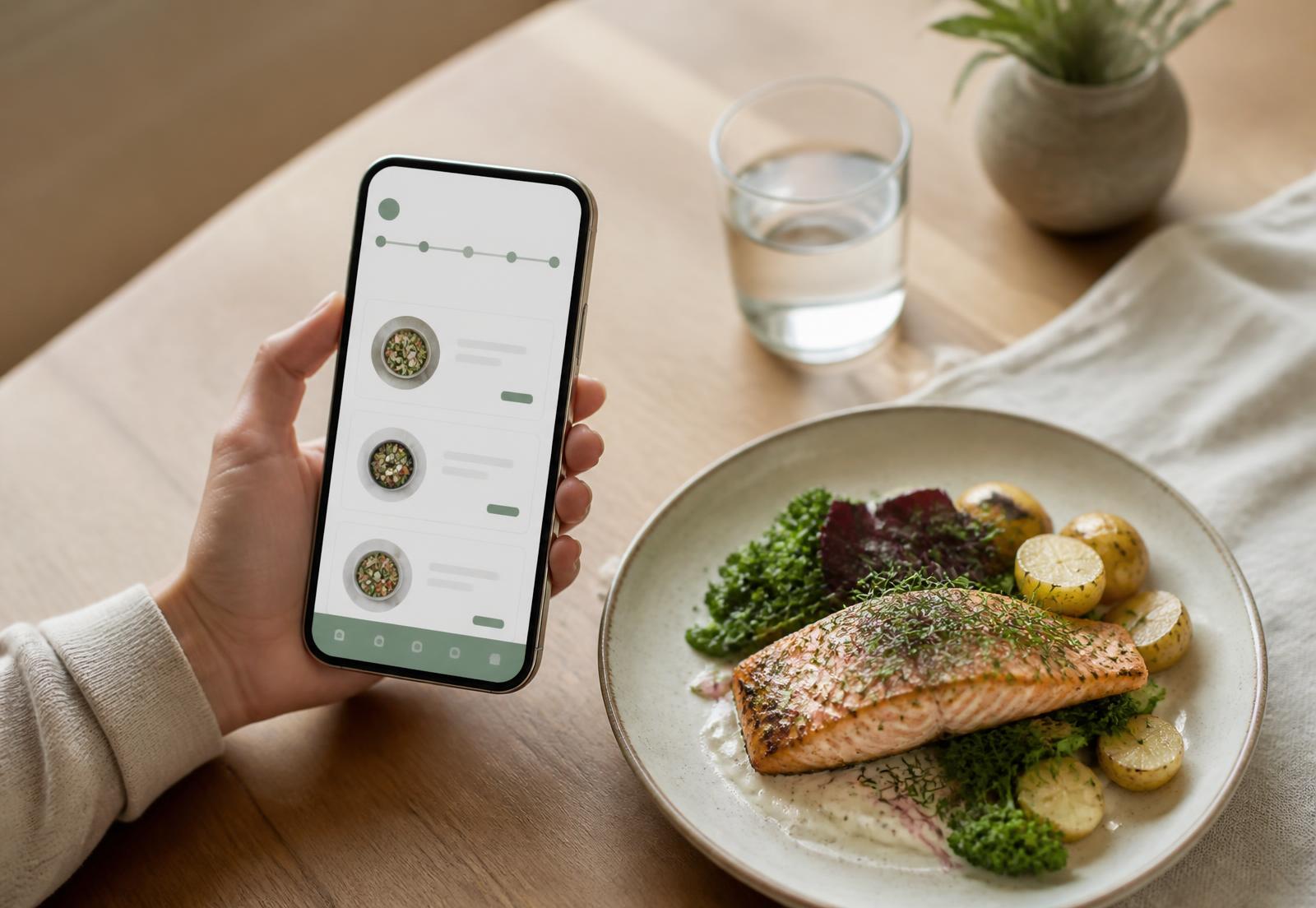
Personal plan
A concrete plan in SmartEating — food, structure and goals tailored to you.
Ready to get help with gut microbiome and gut health?
We'll connect you with a licensed clinical dietitian who understands your situation.

Related topics