Diarrhoea and loose stools
Frequent or loose stools can have many causes. We help you find the pattern and eat safely while you figure it out.
In short
What is diarrhoea?
Diarrhoea is frequent, loose or watery stools. Acute diarrhoea is often caused by infection or food poisoning and resolves within days.
Chronic diarrhoea lasts more than four weeks and can have many causes — from food intolerance to IBS or inflammatory bowel disease.
Glossary
- Dehydration
- Fluid loss that can cause dizziness and fatigue — important to replace during diarrhoea.
- ORS
- Oral rehydration solution — a salt and sugar mixture that helps the body absorb fluid.

Does this sound familiar?
This might sound like your situation
If one or more of these sound familiar, personal follow-up can make the path forward clearer.
- You plan your day around toilet access
- You're afraid to eat out or at others' homes
- You've tried cutting out foods without finding the pattern
- You're unsure if the symptoms are food-related
- You want concrete advice on what you can eat
SmartEating recommends
What makes the biggest difference?
For diarrhoea, the first priority is safety, then finding the underlying pattern.
Fluid and salt replacement
Replacing lost fluids and salts is the most urgent step, especially early on.
Ruling out infection
Most acute diarrhoea is infectious and resolves within a few days on its own.
Simple, easy-to-digest food
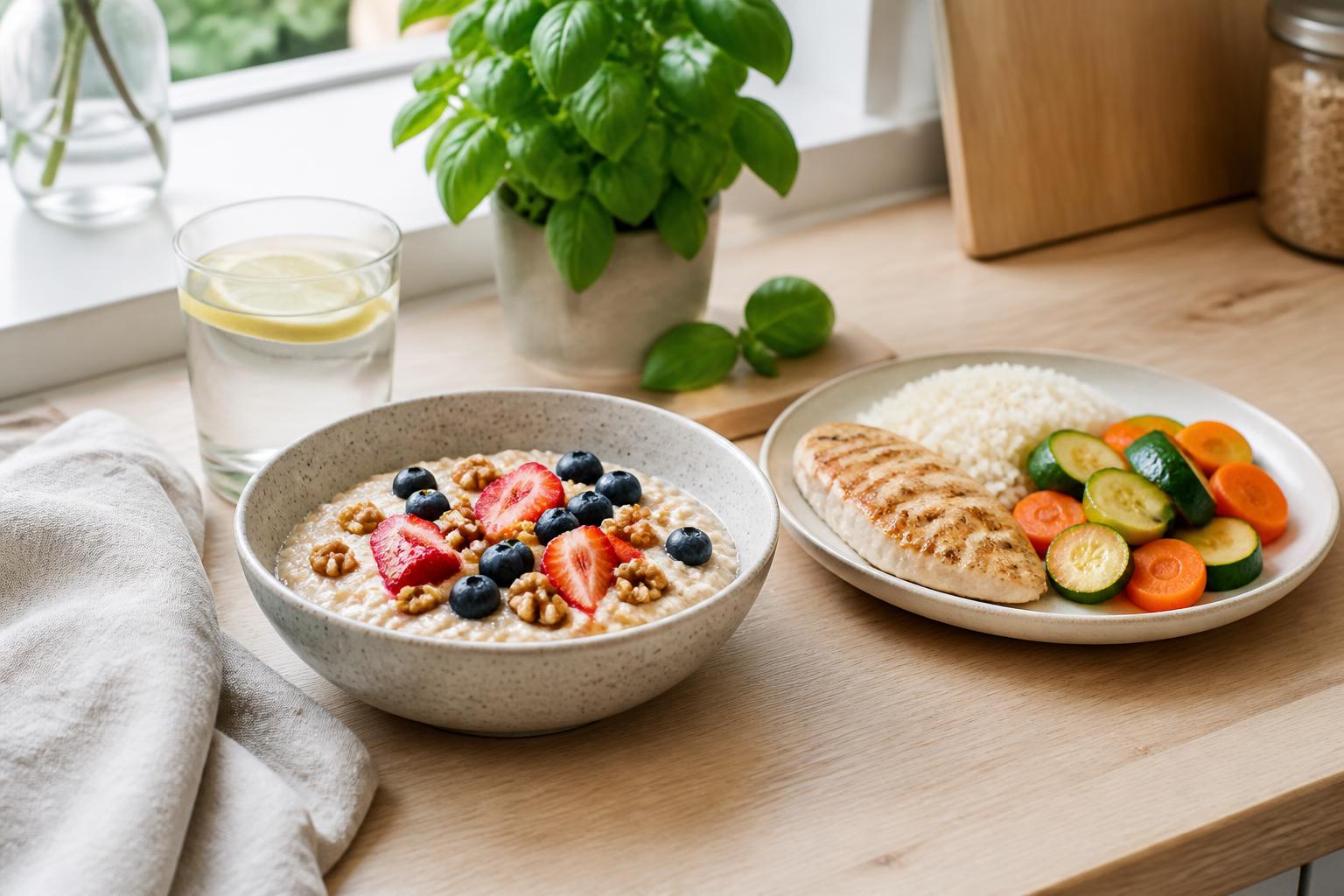
Rice, bananas and cooked vegetables are gentle on the gut while symptoms settle.
Checking for intolerances
Lactose, fructose and other sugars are common and testable causes of loose stools.
Tracking stress and timing
Noting when symptoms occur helps separate stress-related patterns from food-related ones.
When should you see a doctor?
See a doctor if you have:
- Blood in stools or high fever
- Diarrhoea lasting more than a few days
- Signs of dehydration — dizziness, dark urine, dry mouth
- Unintentional weight loss
Chronic diarrhoea should always be investigated.
Common questions
What people ask us most often.
What should I eat with diarrhoea?
Easy-to-digest food like rice, bananas, cooked vegetables and lean protein. Avoid fatty and spicy food.
Can lactose cause diarrhoea?
Yes, lactose intolerance is a common cause. A simple test can clarify this.
Why do I get diarrhoea from stress?
The gut and brain communicate closely. Stress can speed up the gut and cause loose stools.
How long is diarrhoea normal?
Acute diarrhoea usually resolves in 2–3 days. Lasting more than 4 weeks is chronic and should be investigated.
Can IBS cause diarrhoea?
Yes, IBS-D is a common variant where diarrhoea is the main symptom.
When should I see a doctor?
With blood in stools, fever, persistent symptoms or signs of dehydration.
Personal nutrition
No one with diarrhoea and loose stools is exactly the same
The cause of diarrhoea varies greatly. What helps one person doesn't necessarily help another.
SmartEating AI helps you find patterns in what you eat and how your gut reacts.
- You want to find out if symptoms are food-related
- You want safe food choices during this period
- You want to know when to see a doctor
- You want personalised tips
Eating right while finding the cause is important — you shouldn't cut out more than necessary.
A clinical dietitian helps you with mapping and safe food while the cause is being determined.
Diarrhoea first requires investigation of the cause. Dietary advice is tailored to the individual and based on the Norwegian Directorate of Health's guidelines.
READ MORE
The knowledge behind the advice
Fibre
Fibre comes from plants and plays a key role in digestion, blood sugar regulation and a healthy gut microbiome. Most people in Norway eat less fibre than recommended, and it is often one of the easiest places to start when improving your diet.
Vegetables
Vegetables are one of the most recommended food groups in any diet, known for their low energy content and high content of vitamins, minerals, fibre and plant compounds. A varied and generous intake of vegetables is one of the clearest recommendations in nutrition.
Oats
Oats are a wholegrain product that have long been a staple of Norwegian cooking, and are receiving increasing attention for their favourable nutritional profile. They are an affordable, versatile and filling source of fibre, carbohydrates, and several vitamins and minerals.

Assessment
A digital form before the session so the specialist knows your situation.

Kick-off conversation
60 minutes online or at a partner clinic.
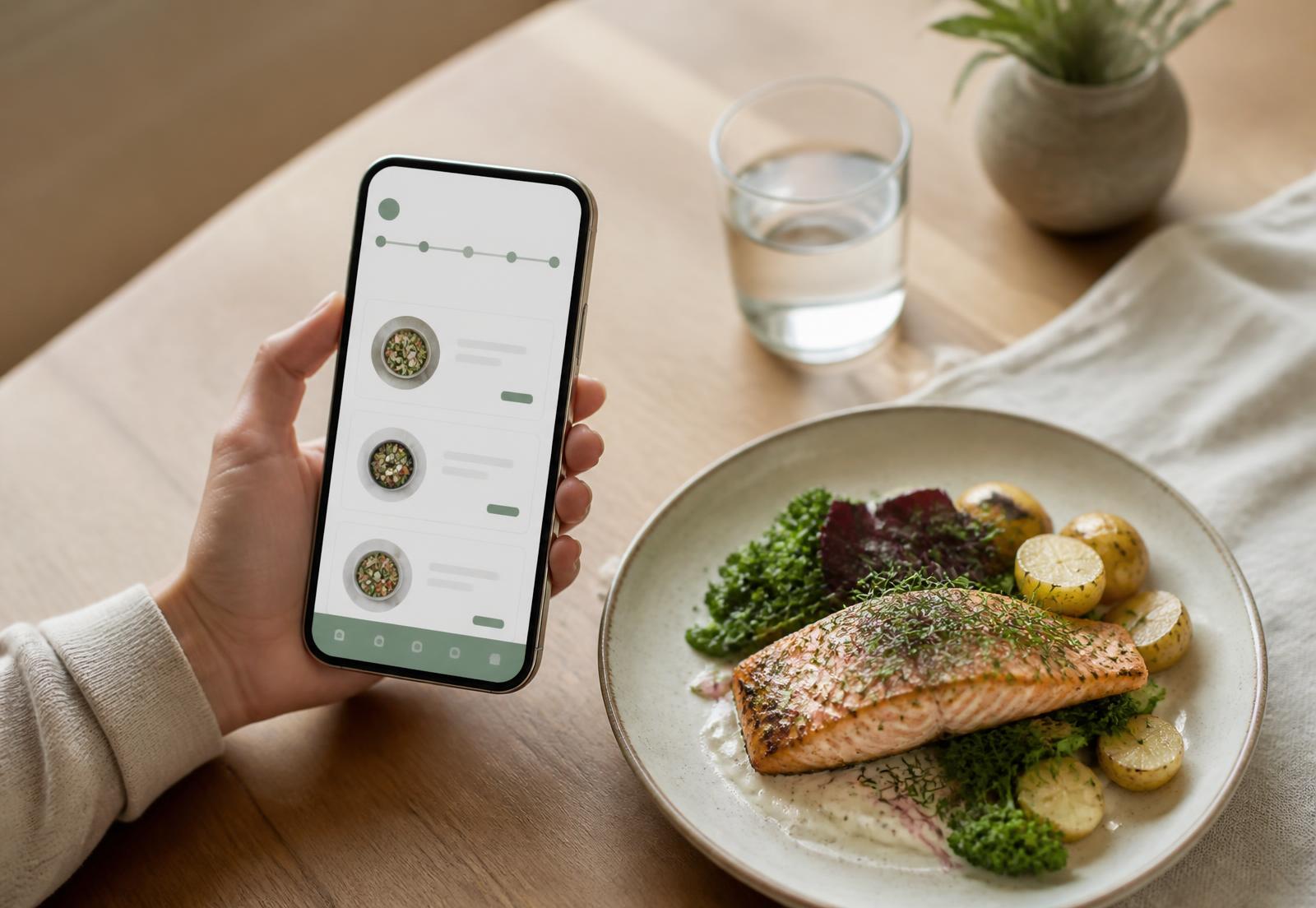
Personal plan
A concrete plan in SmartEating — food, structure and goals tailored to you.
Ready to get help with diarrhoea and loose stools?
We'll connect you with a licensed clinical dietitian who understands your situation.

Related topics