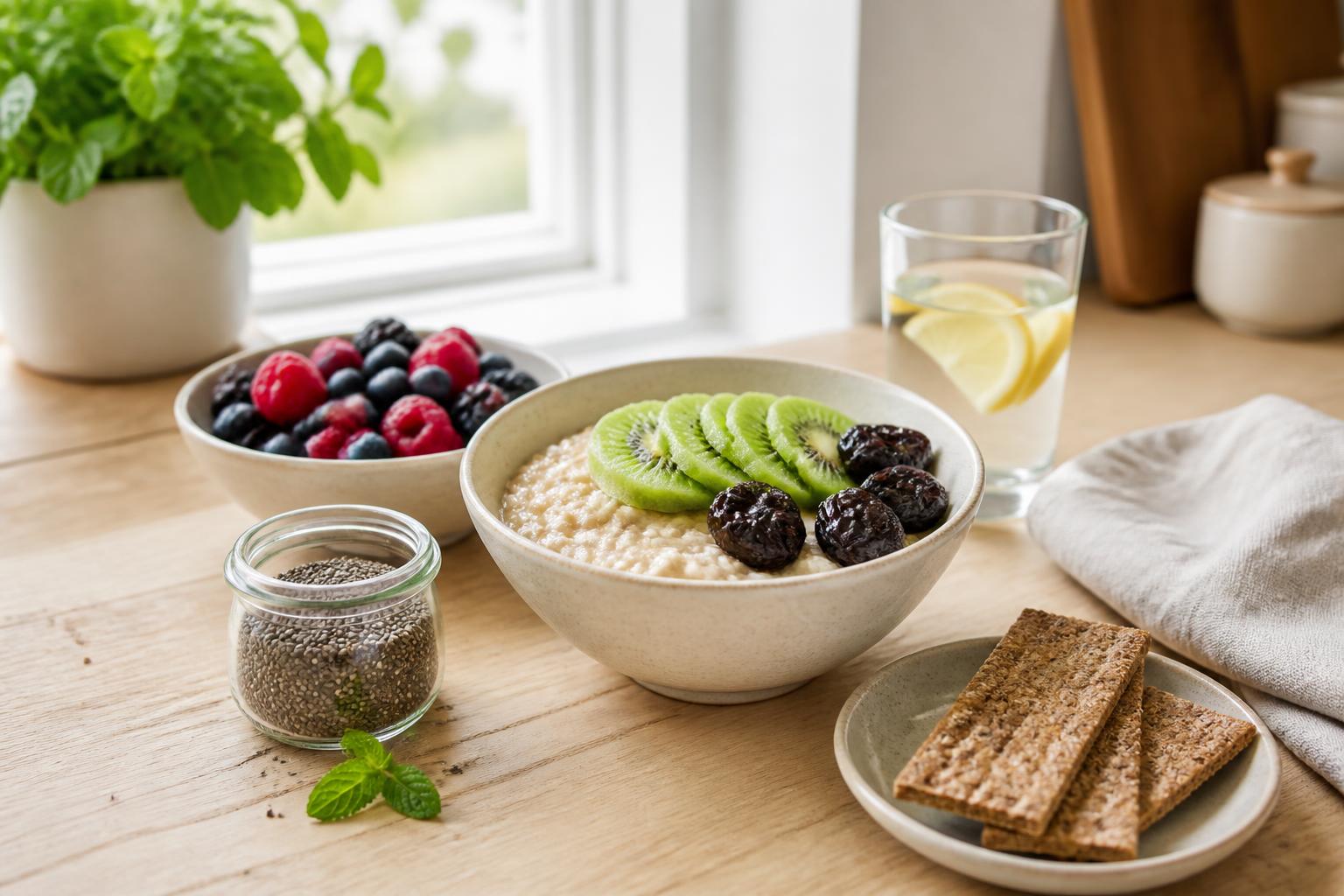
Sluggish bowels
We work with fibre, fluids, meal structure and everyday movement — not just laxatives.
In short
What is constipation?
Constipation is a common complaint where stools come infrequently, are hard or difficult to pass. For many it's chronic and affects everyday life more than they realise.
The causes are often complex: too little fibre or fluid, low activity, irregular meals, altered bowel function or medication side effects.
Good treatment is rarely about one single measure. It's about building a whole of diet, routines and movement that lets the gut work more smoothly.

Does this sound familiar?
This might sound like your situation
Symptoms can range from short periods to something that lasts over time.
- You use laxatives more often than you'd like
- Toilet visits take a long time and rarely give full relief
- You drink and eat fibre, but it doesn't help as expected
- Travel, shift work or busy days make it worse
- You want to find a routine that works without daily aids
SmartEating recommends
What makes the biggest difference?
For constipation, these are the levers that usually matter most, in order.
Fluid intake
Enough fluid through the day keeps stool soft enough to pass easily.
Fibre type and amount
Increasing fibre gradually, with enough fluid, improves regularity for most people.
Regular movement
Daily physical activity stimulates the gut's natural contractions.
Consistent meal times
Eating at similar times each day helps establish a predictable bowel rhythm.
Toilet routine
Responding promptly to the urge, especially after meals, supports the gut's natural signal.
When should you contact a doctor?
Contact a doctor if the constipation is new, severe, or has new accompanying symptoms.
- Blood in the stool
- Unexplained weight loss
- Severe pain
- A new and persistent change in bowel pattern
- Symptoms starting at an older age
Dietary treatment doesn't replace a medical investigation for unresolved bowel symptoms.
Common questions
What people ask us most often.
Is fibre alone the answer?
No. Fibre type, fluid, magnesium, movement and timing all play a role.
Personal nutrition
No one with sluggish bowels is exactly the same
Age, everyday life, activity level, other conditions and what you actually enjoy eating determine what works for you.
That's why two people in the same situation need different advice. SmartEating AI learns your situation over time and tailors suggestions to your body, goals and everyday life.
- You use laxatives more often than you'd like
- Toilet visits take a long time and rarely give full relief
- You drink and eat fibre, but it doesn't help as expected
- Travel, shift work or busy days make it worse
- You want to find a routine that works without daily aids
Many benefit from adjusting fibre type, fluid intake, meal rhythm and movement — step by step, not all at once.
SmartEating provides simple recipes, reminders and a log that makes it easier to see what actually works for you.
A clinical dietitian can build a plan that fits your everyday life and help you taper off laxatives safely.
READ MORE
The knowledge behind the advice
Fibre
Fibre comes from plants and plays a key role in digestion, blood sugar regulation and a healthy gut microbiome. Most people in Norway eat less fibre than recommended, and it is often one of the easiest places to start when improving your diet.
Oats
Oats are a wholegrain product that have long been a staple of Norwegian cooking, and are receiving increasing attention for their favourable nutritional profile. They are an affordable, versatile and filling source of fibre, carbohydrates, and several vitamins and minerals.
Vegetables
Vegetables are one of the most recommended food groups in any diet, known for their low energy content and high content of vitamins, minerals, fibre and plant compounds. A varied and generous intake of vegetables is one of the clearest recommendations in nutrition.

Assessment
A digital form before the session so the specialist knows your situation.

Kick-off conversation
60 minutes online or at a partner clinic.
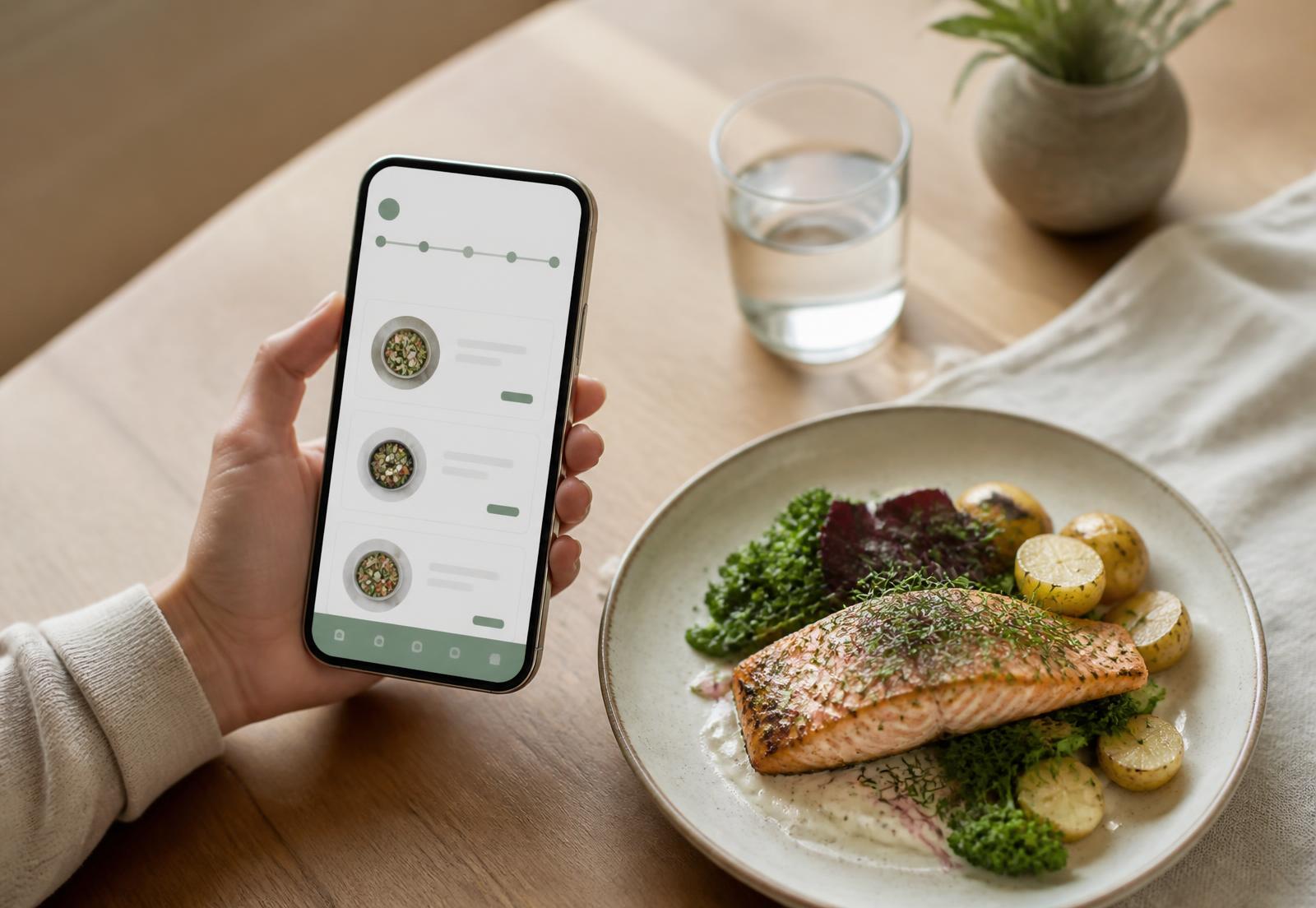
Personal plan
A concrete plan in SmartEating — food, structure and goals tailored to you.
Ready to get help with sluggish bowels?
We'll connect you with a licensed clinical dietitian who understands your situation.

Related topics