Inflammation and diet
Inflammation is part of the body's defence system. Eating patterns can support overall health, but no food or supplement can diagnose or cure an inflammatory condition.
In short
What does inflammation mean?
Inflammation is a normal response to injury or infection. Persistent inflammation can also occur in chronic disease. Low-grade inflammation is discussed in research on metabolic and cardiovascular health, but it is not something you can reliably identify from a list of vague symptoms.
Studies link some dietary patterns with differences in inflammatory markers. This does not mean a particular food treats an inflammatory disease, or that a blood test can tell you which diet to follow.
Glossary
- CRP
- C-reactive protein, a blood marker that can rise with inflammation. It does not identify a cause by itself.
- Inflammatory marker
- A laboratory measurement used in a broader clinical or research context.
Does this sound familiar?
This might sound like your situation
If one or more of these sound familiar, personal follow-up can make the path forward clearer.
- You want to understand claims about anti-inflammatory food
- You have an inflammatory condition and want to discuss nutrition
- You are unsure which claims have evidence
- You want practical food choices rather than supplement promises
SmartEating recommends
What makes the biggest difference?
Focus on health-supporting habits without turning food into treatment.
Choose a varied dietary pattern
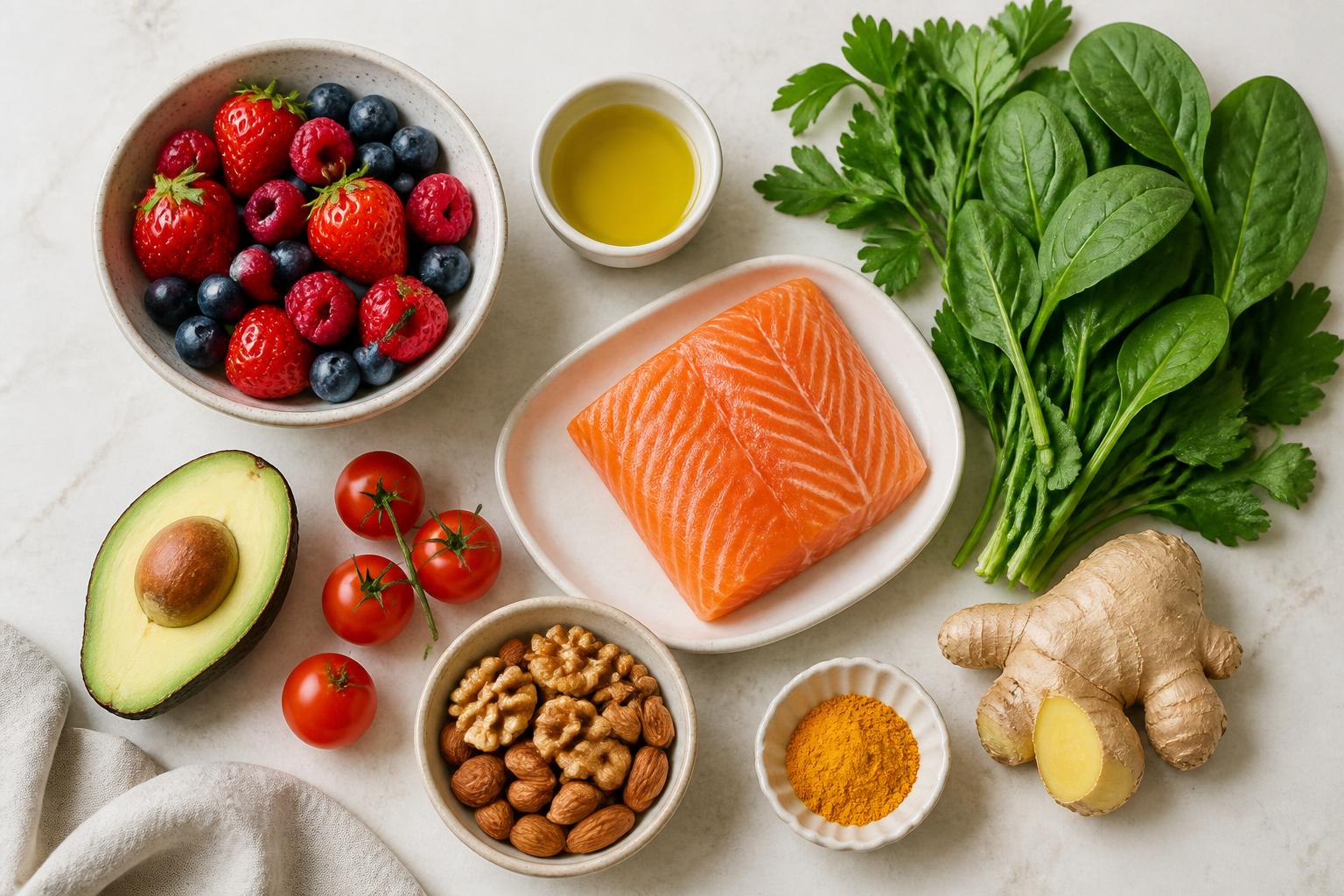
Vegetables, fruit, legumes, wholegrains, nuts and suitable fish or other protein sources can form a balanced pattern.
Consider fats in context
Unsaturated oils and nuts can replace some sources of saturated fat. The overall diet matters more than adding a single ingredient.
Be cautious with supplement claims
An effect on a laboratory marker does not establish that a supplement treats disease. Supplements can also interact with medicines.
Keep clinical care separate
Continue agreed medical treatment. A clinician can assess symptoms, interpret tests and discuss any condition-specific dietary needs.
Symptoms and blood tests need clinical context
- Persistent or worsening symptoms
- Concerns about an inflammatory disease or a raised test result
Do not stop prescribed medicines or infer a diagnosis from dietary advice or an isolated CRP result.
Common questions
What people ask us most often.
Is there an anti-inflammatory diet that cures disease?
No single diet is an established cure for inflammatory disease. Varied, health-supporting patterns can complement appropriate care, but claims about biomarkers should not be confused with proven treatment outcomes.
Which foods are a reasonable starting point?
Vegetables, fruit, legumes, wholegrains, nuts, suitable fish and unsaturated oils fit established dietary guidance. They work as part of an overall pattern, not as individual remedies.
What does a CRP test tell me?
CRP can indicate inflammation but does not identify its cause or location. A clinician interprets the result alongside symptoms and other findings; it is not a score for how healthy your diet is.
Should I take turmeric supplements?
Evidence for health benefits is not conclusive, and concentrated products can have risks and interact with medicines. Using a spice in cooking is different from taking a supplement. Ask your clinician before using one for a health condition.
Does a Mediterranean-style diet help?
It is an established heart-healthy pattern. Research on inflammatory markers does not mean it treats every inflammatory condition; individual disease management remains a clinical question.
Can food replace my prescribed treatment?
No. Discuss dietary changes with your healthcare team and continue agreed treatment. If symptoms persist or worsen, seek medical assessment rather than relying on a diet or supplement.
Personal nutrition
Your diagnosis and everyday diet are different questions
A varied eating pattern can support general health. A diagnosed inflammatory condition may also require specific medical and nutritional care.
General meal planning offers practical ideas, not treatment for inflammation. A clinical dietitian can work with your healthcare team when appropriate.
There is no single anti-inflammatory superfood.
We focus on a varied dietary pattern and distinguish general planning from individual clinical care.
READ MORE
The knowledge behind the advice
Fibre
Fibre comes from plants and plays a key role in digestion, blood sugar regulation and a healthy gut microbiome. Most people in Norway eat less fibre than recommended, and it is often one of the easiest places to start when improving your diet.
Vegetables
Vegetables are one of the most recommended food groups in any diet, known for their low energy content and high content of vitamins, minerals, fibre and plant compounds. A varied and generous intake of vegetables is one of the clearest recommendations in nutrition.
Oats
Oats are a wholegrain product that have long been a staple of Norwegian cooking, and are receiving increasing attention for their favourable nutritional profile. They are an affordable, versatile and filling source of fibre, carbohydrates, and several vitamins and minerals.

Choose your starting point
Explore general meal planning or request contact with a clinical dietitian.

Clarify what is available
App access and clinical support are separate. A clinician checks whether support can be offered where you live.
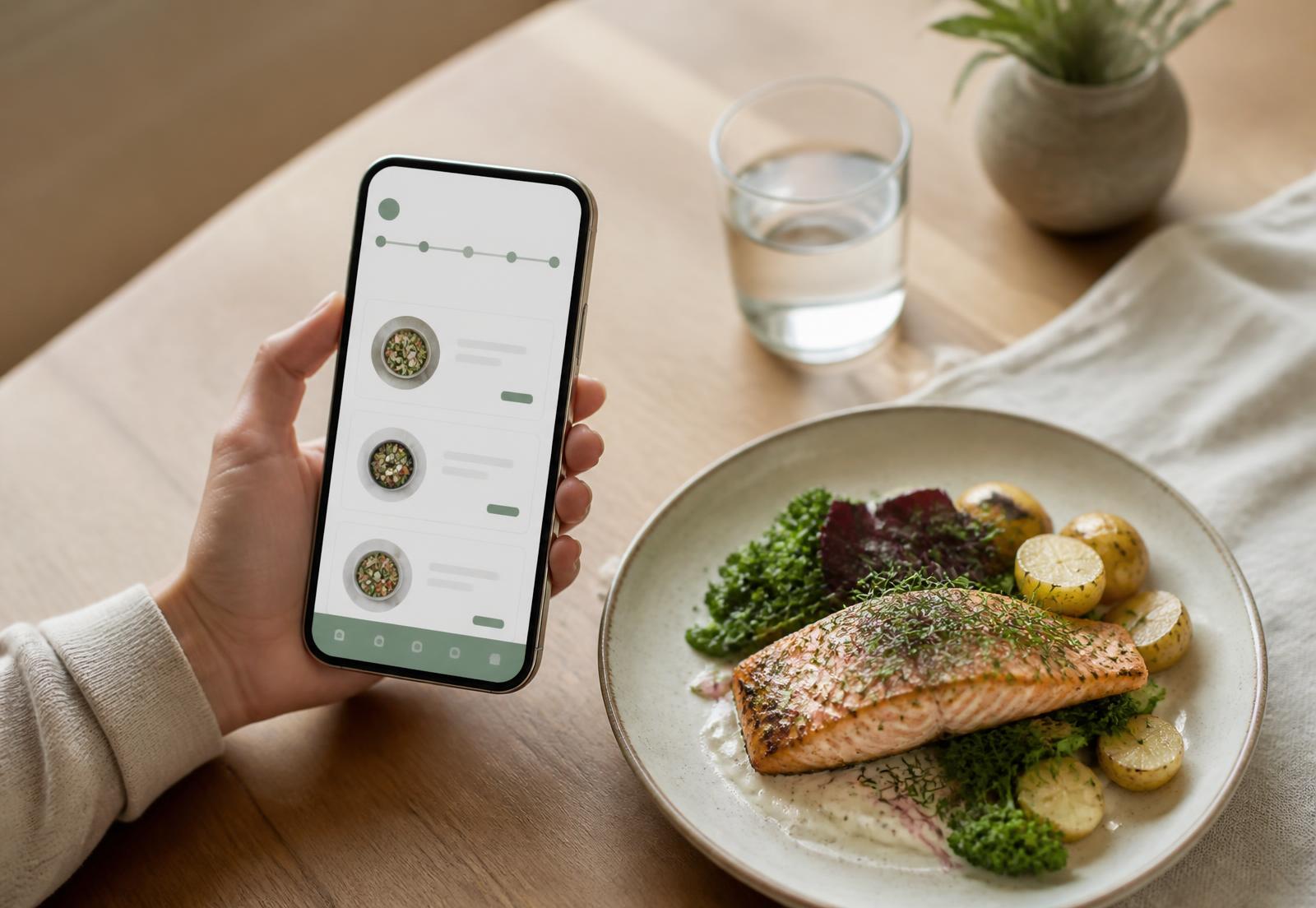
Discuss your everyday life
Preferences, routines and any individual clinical needs are explored at the appropriate next stage.
Ready to get help with inflammation and diet?
We'll connect you with a licensed clinical dietitian who understands your situation.

Related topics