Mediterranean diet
A Mediterranean-style eating pattern puts vegetables, legumes, wholegrains, nuts and unsaturated oils at the centre. Its principles can fit local food, budgets and preferences well beyond the Mediterranean.
In short
What is a Mediterranean-style diet?
It is a flexible eating pattern rather than a strict menu: plenty of plant foods, olive oil or other suitable unsaturated oils, fish and less red and processed meat. The whole pattern matters more than a single ingredient.
Cardiovascular evidence includes the corrected PREDIMED trial, carried out in adults at high cardiovascular risk in Spain. The findings support this pattern but do not guarantee the same outcome for every individual or prove a fixed extension of life.
Glossary
- Unsaturated fat
- A type of fat found in foods such as olive oil, nuts and fish. Replacing some saturated fat with unsaturated fat can support heart health.
- PREDIMED
- A Spanish dietary trial in people at high cardiovascular risk; its corrected report was published in 2018.

Does this sound familiar?
This might sound like your situation
If one or more of these sound familiar, personal follow-up can make the path forward clearer.
- You want a flexible heart-healthy pattern
- You have high cholesterol or blood pressure
- You want more plant foods without strict rules
- You need ideas using affordable, familiar ingredients
SmartEating recommends
What makes the biggest difference?
Use the principles in food you actually enjoy.
Make plant foods routine
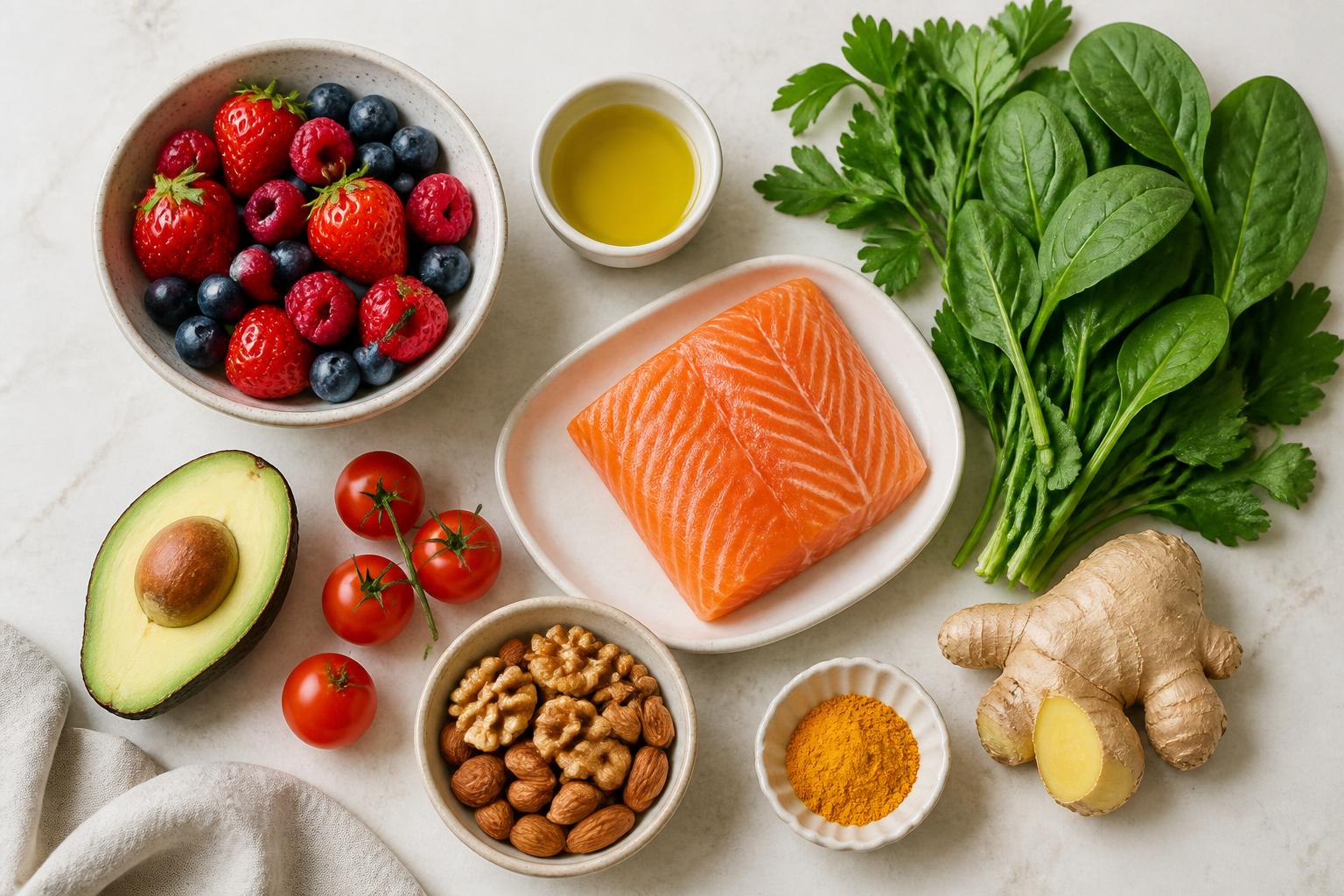
Include vegetables, fruit, legumes and wholegrains in everyday meals. Frozen and suitable canned foods can be practical choices.
Use unsaturated fats
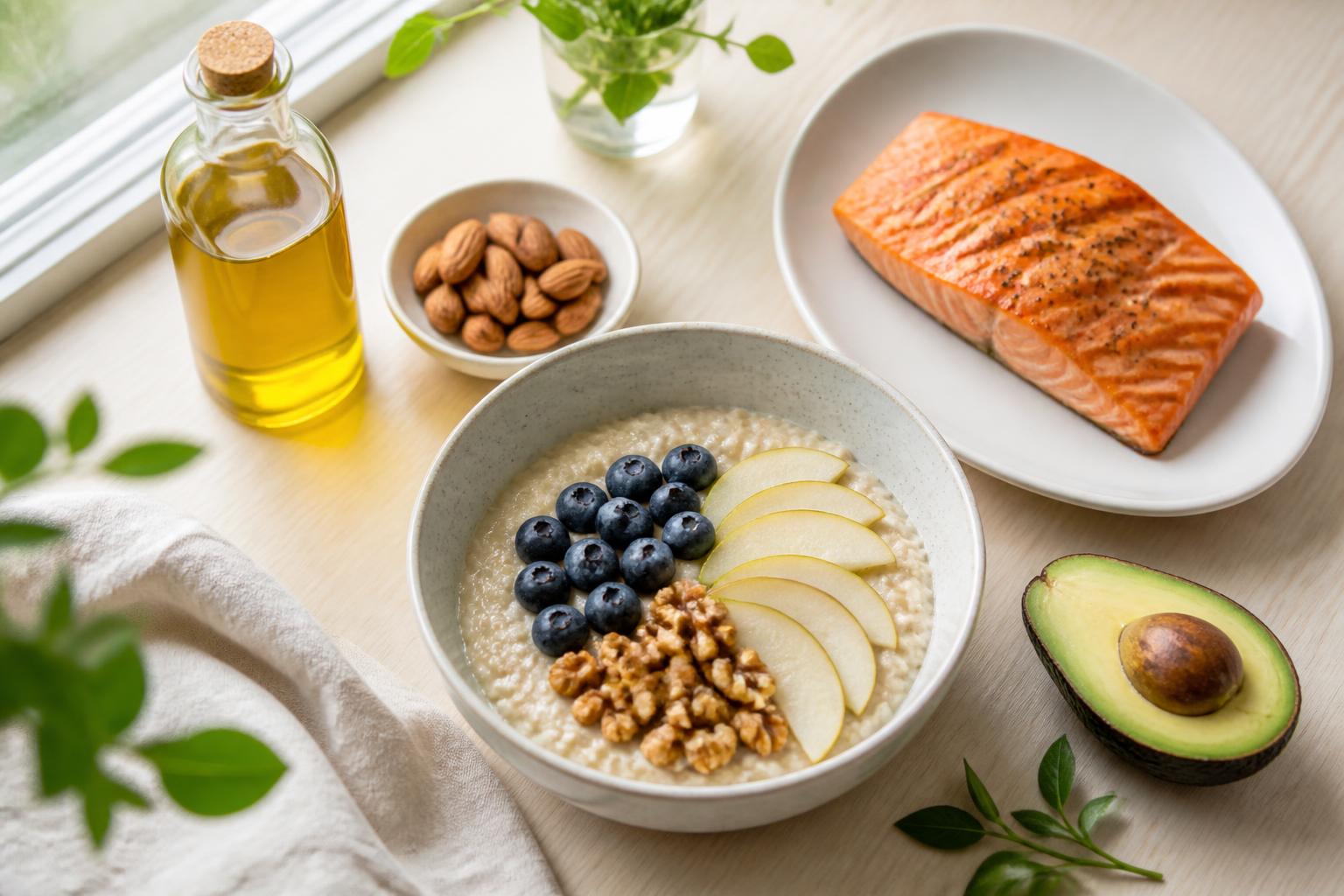
Replace some butter and other saturated fats with olive oil or another suitable unsaturated oil. Nuts and seeds also contribute.
Vary protein sources
Use beans, lentils and suitable fish alongside other foods you eat. Choices should reflect allergies, availability and preferences.
Adapt rather than imitate
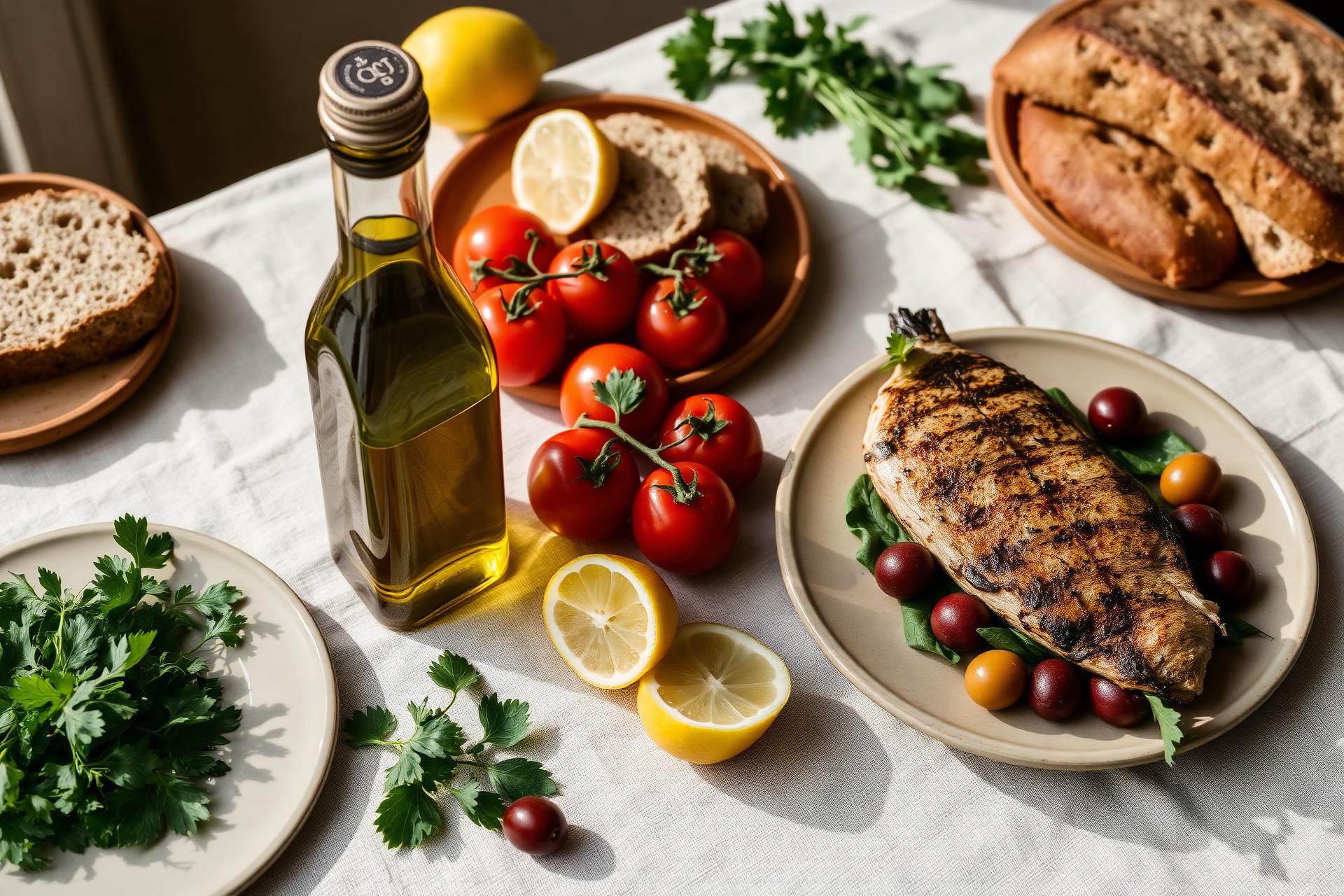
Wholegrain bread, locally available vegetables, beans and fish can fit the pattern. It does not require a specific cuisine or expensive products.
Keep alcohol optional — not a health recommendation
You do not need wine to follow this pattern. Do not start drinking for supposed cardiovascular benefits.
Common questions
What people ask us most often.
What can I eat in a Mediterranean-style pattern?
Vegetables, fruit, legumes, wholegrains, nuts, suitable fish and unsaturated oils are central, with less red and processed meat. Adapt choices to allergies, preferences and local availability.
Is it a weight-loss diet?
Not inherently. It is an eating pattern, not a prescribed calorie target or a guarantee of weight loss. Portions and nutritional needs are individual.
Can I follow it with local food?
Yes. Familiar wholegrains, beans, vegetables and suitable local fish can follow the same principles. You do not need Mediterranean brands or a particular cuisine.
Is olive oil better than butter for heart health?
Replacing some saturated fat with unsaturated fats, including those in olive oil, is consistent with heart-healthy guidance. Adding oil without considering the overall diet is not the same as making a replacement.
What does PREDIMED show?
The corrected 2018 report found fewer major cardiovascular events in high-risk adults assigned Mediterranean dietary patterns supplemented with extra-virgin olive oil or nuts compared with the control group. The trial population and methodological corrections matter when interpreting it.
Do I need to drink wine?
No. Alcohol is not necessary for this pattern, and people who do not drink should not start for health reasons.
Personal nutrition
A flexible pattern for your everyday life
Budget, culture, preferences and health conditions shape how this pattern works for you.
General planning can help with meal ideas and shopping. A clinical dietitian can tailor advice alongside medical care when cholesterol, blood pressure or another condition needs individual attention.
The principles can be translated into everyday recipes and shopping choices.
Clinical advice is individual; a meal idea does not establish treatment or a guaranteed health outcome.
READ MORE
The knowledge behind the advice
Fat
Fat is a concentrated energy source and necessary for absorbing fat-soluble vitamins, cell membranes and hormone production. Not all fat is equal, and the type of fat you eat matters more for health than the total amount.
Salt
Salt, or sodium chloride, is necessary for the body's fluid balance and nerve function, but most people in Norway eat significantly more salt than recommended. A high salt intake over time is associated with elevated blood pressure.
Fish and Seafood
Fish and other seafood are key sources of high-quality protein and the polyunsaturated omega-3 fatty acids EPA and DHA. Regular fish intake is one of the most well-documented recommendations in Norwegian and international dietary guidance.

Choose your starting point
Explore general meal planning or request contact with a clinical dietitian.

Clarify what is available
App access and clinical support are separate. A clinician checks whether support can be offered where you live.
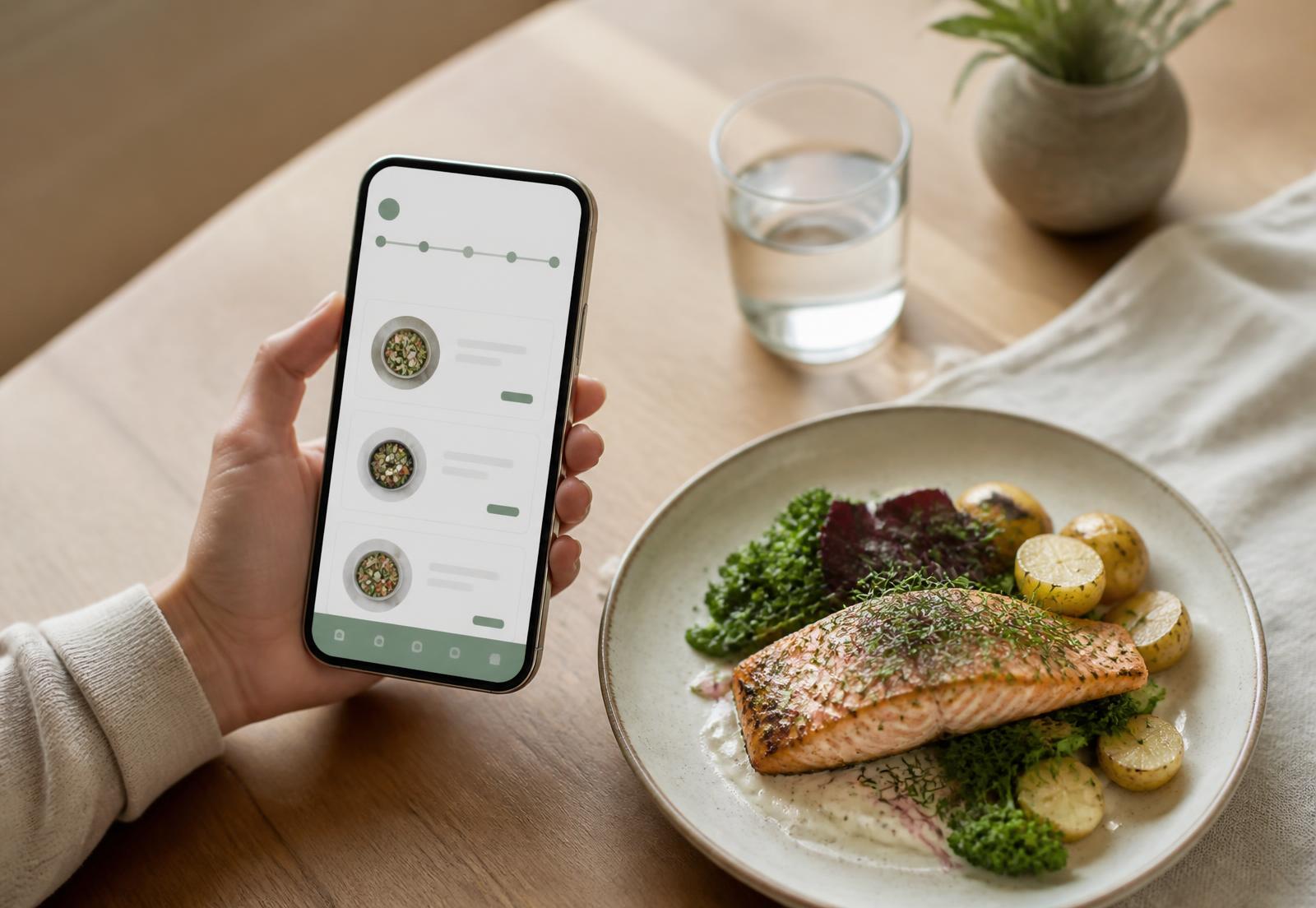
Discuss your everyday life
Preferences, routines and any individual clinical needs are explored at the appropriate next stage.
Ready to get help with mediterranean diet?
We'll connect you with a licensed clinical dietitian who understands your situation.

Related topics